
 Save to Pinterest
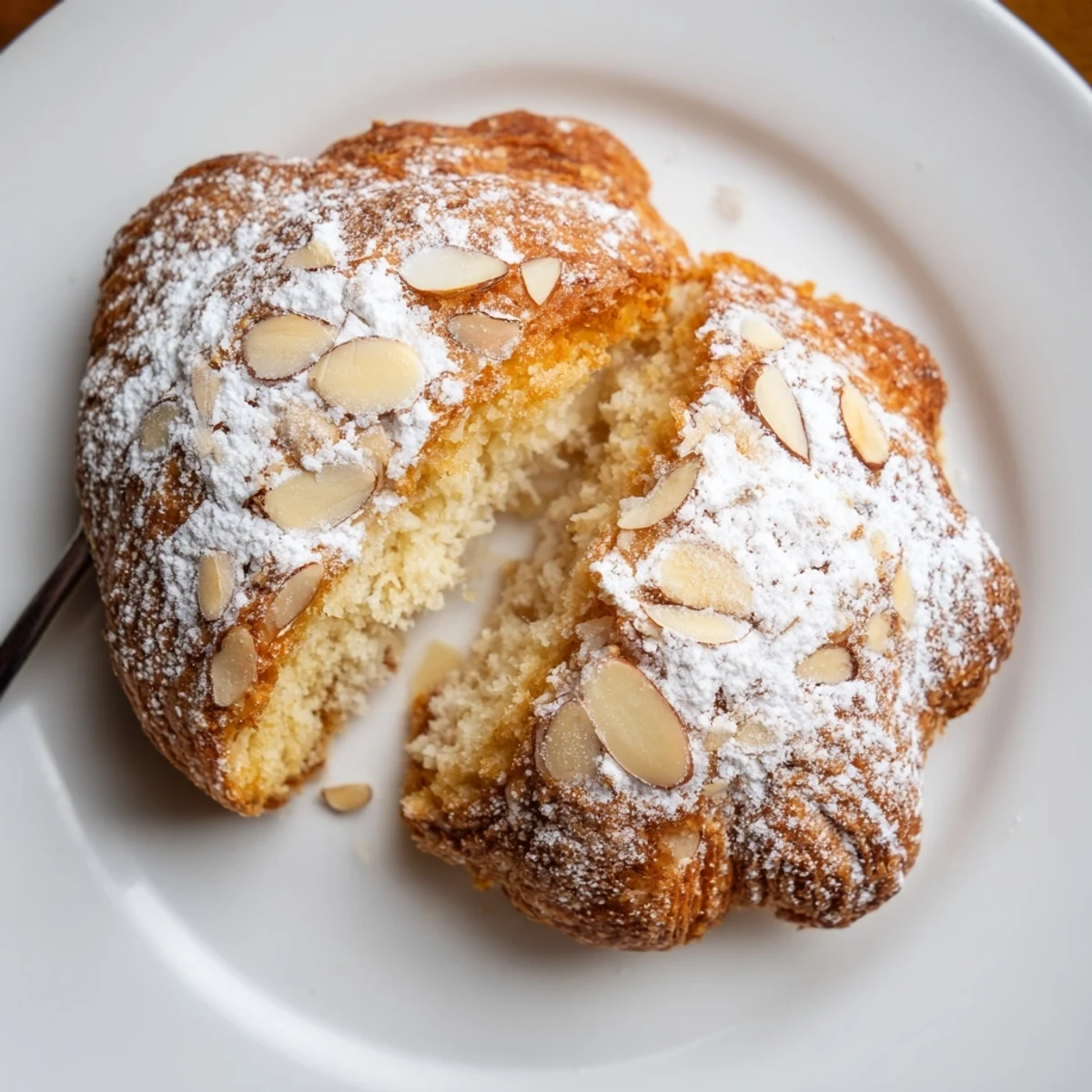
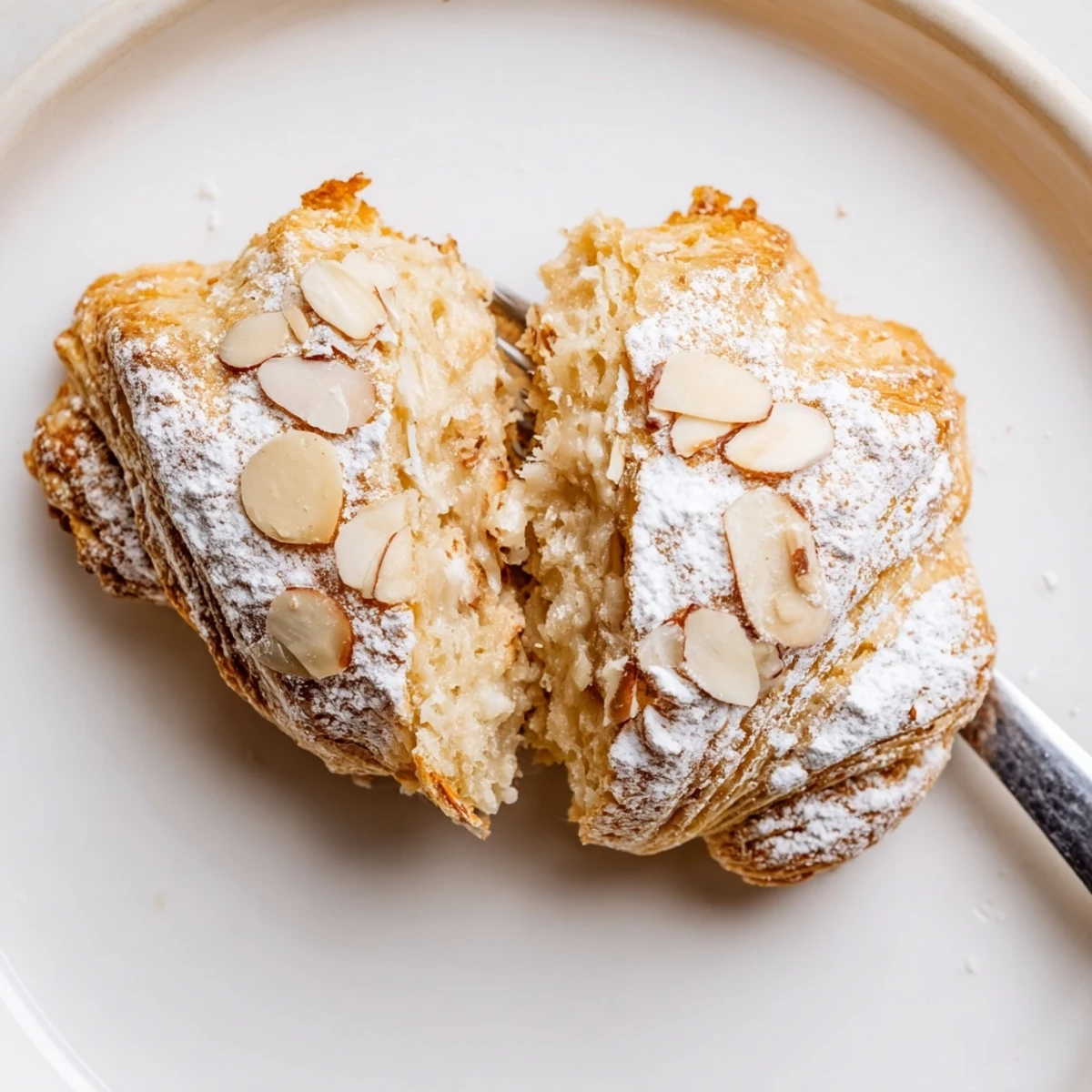
 These tender, buttery cookies echo the flaky, nutty character of an almond croissant. Cream butter and sugar, add egg and vanilla, then fold in flour and baking powder to form a soft dough. Mix ground almonds, sugar, egg and butter into a spreadable filling. Encase a small dollop, shape into crescents, top with sliced almonds, bake 13–15 minutes until edges are golden, then dust with powdered sugar.
The smell of toasting almonds has a way of pulling me straight into a tiny Parisian bakery I stumbled into years ago, rain soaked and shivering, where a warm almond croissant changed my entire morning. These cookies capture that same buttery, nutty magic in a fraction of the effort. Golden on the outside, soft within, and filled with a sweet almond paste that melts into every bite. They are the kind of treat that disappears from the cooling rack before you finish dusting them with sugar.
One Saturday afternoon my niece sat on the kitchen counter and insisted on pressing sliced almonds onto every single cookie, arranging them with the seriousness of a tiny architect. We burned the first batch because we got distracted talking, but the second batch came out so perfect that she ate three before they were even cool.
Ingredients
- Unsalted butter (1 cup, softened): The backbone of both the dough and the filling, so use good quality butter if you can find it.
- Granulated sugar (3/4 cup for dough, 1/2 cup for filling): Divided between two components to balance sweetness throughout rather than just on the outside.
- Large eggs (2 total): One binds the cookie dough, the other brings the almond filling together into a spreadable paste.
- Vanilla extract (1 tsp): A quiet background note that rounds out the almond flavor beautifully.
- All-purpose flour (2 cups): Keep the measuring gentle and spoon it in loosely to avoid dense cookies.
- Baking powder (1/2 tsp): Just enough lift to keep these tender without puffing them into cakey domes.
- Salt (1/4 tsp plus a pinch): Used in both the dough and filling because salt makes almond flavor sing.
- Finely ground almonds (1 cup): Almond meal works well here, and the finer the grind the smoother your filling will be.
- Almond extract (1/2 tsp): This is where the magic intensifies, so do not skip it even if you think the ground almonds are enough.
- Sliced almonds (1/2 cup): Pressed on top for crunch and that lovely toasted appearance as they bake.
- Powdered sugar: A light dusting at the end gives them that classic French bakery finish.
Instructions
- Prepare your oven and pans:
- Heat the oven to 350 degrees F and line two baking sheets with parchment paper so nothing sticks and cleanup is effortless.
- Cream the butter and sugar:
- Beat the softened butter and three quarters cup of sugar together until the mixture turns pale and fluffy, which takes about two minutes with an electric mixer.
- Add the wet ingredients:
- Drop in one egg and the vanilla extract, mixing until everything is smooth and cohesive with no streaks of egg visible.
- Build the dough:
- Whisk the flour, baking powder, and quarter teaspoon of salt in a separate bowl, then gradually fold the dry mixture into the butter base until a soft dough forms. Tuck it into the fridge while you make the filling.
- Make the almond filling:
- Stir together the ground almonds, half cup of sugar, one egg, two tablespoons of softened butter, almond extract, and a pinch of salt until you have a thick, spreadable paste that smells absolutely heavenly.
- Shape the cookies:
- Scoop about one tablespoon of dough, flatten it in your palm, place half a teaspoon of filling in the center, and gently fold the dough around it into a little crescent shape, pinching the seams to seal.
- Add the almond topping:
- Set each crescent on the baking sheet and gently press a few sliced almonds onto the surface so they adhere as the cookies bake.
- Bake until golden:
- Slide the trays into the oven for 13 to 15 minutes, watching for the edges to turn a warm golden brown while the centers stay soft.
- Cool and finish:
- Let the cookies rest on the sheets for five minutes, then move them to a wire rack, and once completely cool, shower them with powdered sugar.
 Save to Pinterest
 I packed a tin of these for a friend recovering from surgery and she called to say the almond smell hit her the moment she opened her door, before she even reached the kitchen.
Getting the Texture Right
The dough should feel soft and pliable, almost like playdough, and if it cracks when you fold it around the filling just pinch it back together with damp fingers. They spread a little during baking so leave about two inches of space between each crescent on the sheet.
A Note on Almond Filling Variations
A pinch of finely grated orange zest folded into the almond filling adds a brightness that works beautifully with the buttery base, especially during winter months when citrus is at its peak.
Serving and Storing
These cookies taste best on the day they are baked but hold up well in an airtight container for up to four days, with the almond flavor actually deepening overnight.
- Pair them with a strong cup of coffee or Earl Grey tea for a simple afternoon treat.
- A light dusting of powdered sugar right before serving looks far more elegant than sugar applied hours ahead.
- Always check almond packaging for cross contamination warnings if you are baking for someone with nut allergies.
 Save to Pinterest
 These little crescents are proof that you do not need laminated dough or a pastry degree to bring the spirit of a French bakery into your own kitchen. Share them generously, because that is what they were made for.
Recipe FAQs
- → How do I keep the cookies tender and flaky?
-
Use softened—but not melted—butter and avoid overworking the dough. Chill the dough briefly before shaping to relax gluten and maintain a tender, flaky texture during baking.
- → Can I swap almond meal for part of the flour?
-
Yes. Replacing up to half the flour with finely ground almonds enhances crumb and almond flavor. Expect a slightly denser, more tender cookie with a nutty mouthfeel.
- → What is the best way to shape the croissant-like crescents?
-
Scoop a tablespoon of dough, flatten it in your palm, place a small spoonful of filling in the center, then fold and roll gently into a crescent. Light pressure helps seal the edges and form the classic shape.
- → How should I store them and how long do they keep?
-
Cool completely, then store in an airtight container at room temperature for up to 4 days. For longer storage, freeze in a single layer on a sheet, then transfer to a sealed bag for up to 1 month.
- → Any tips for extra brightness in the filling?
-
Add a little orange zest or a few drops of almond extract to the filling for lift and aromatic complexity. A small adjustment goes a long way in balancing sweetness.
- → How can I get a golden edge without overbrowning?
-
Bake at the specified temperature and watch closely toward the end of the baking window. Rotate sheets halfway through and remove when edges just turn golden; centers will set as they cool.