
 Save to Pinterest
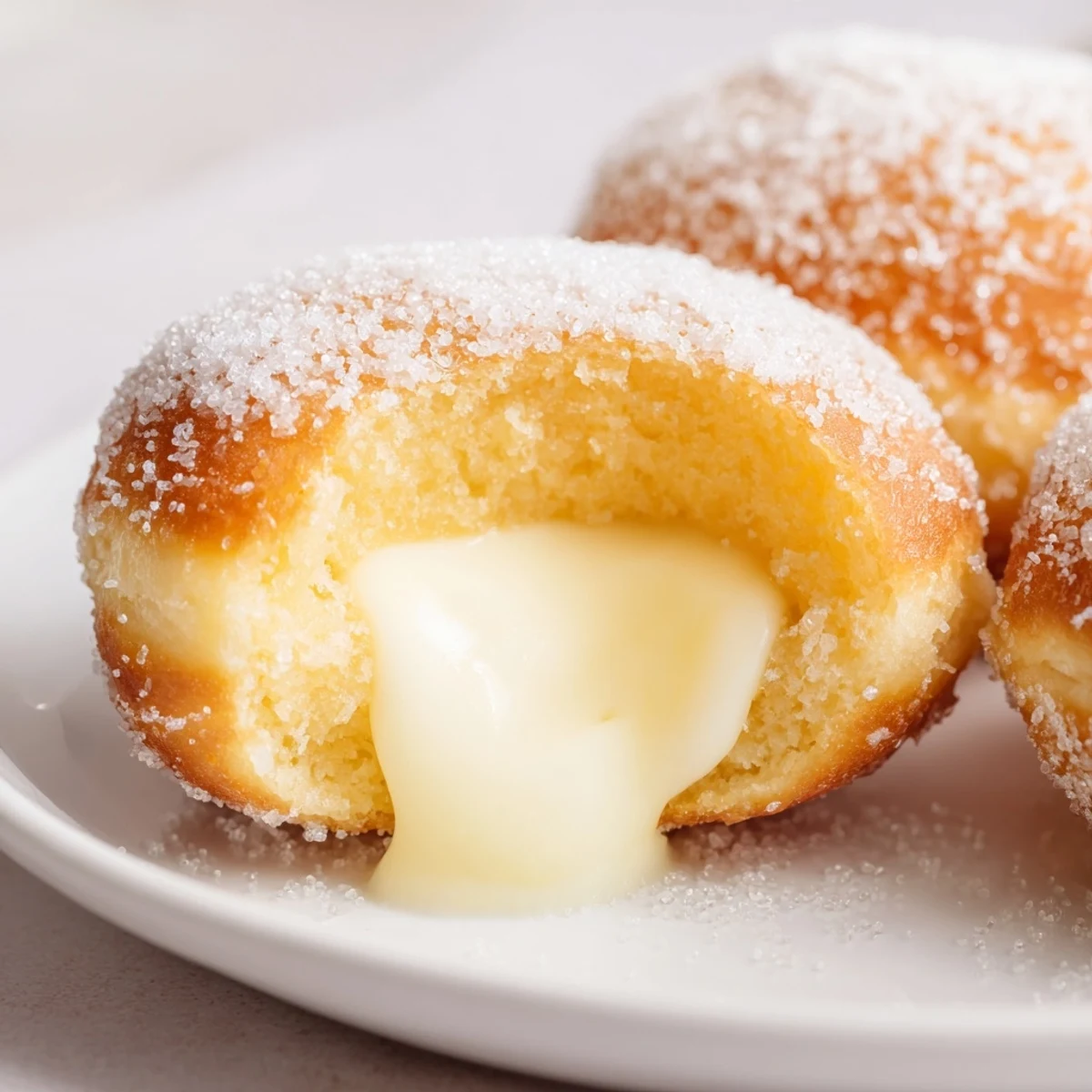
 These traditional Italian bomboloni feature pillowy-soft dough fried to golden perfection, filled generously with velvety vanilla pastry cream. The dough requires patience with proper rising time to achieve that signature airy texture. Fresh lemon zest adds subtle brightness to both the dough and cream.
Frying at the right temperature ensures a crisp exterior while maintaining fluffy insides. Coating warm bomboloni in granulated sugar creates that irresistible sweet crunch. Best enjoyed freshly made with espresso.
The first time I bit into a bombolone was in a tiny bakery in Florence, the kind where the bell jingles when you push the door open and the air smells like yeast and sugar. I had walked past it three times before finally giving in, and that single warm bite of cream-filled perfection ruined me forever. These Italian doughnuts are lighter than air, with a crisp exterior that gives way to the most luxurious vanilla custard you can imagine.
Last December, I decided to make these for my mothers birthday instead of a traditional cake. My small kitchen was filled with flour dust and the scent of lemon zest, and I remember feeling panicked when the dough took longer to rise than expected. But when I brought out that tower of warm, sugar-dusted bomboloni after dinner and watched everyones eyes light up, I knew the wait had been worth it. They vanished in minutes.
Ingredients
- 500 g all-purpose flour: The foundation of everything, and Ive learned that measuring by weight rather than volume makes such a difference in consistency
- 60 g granulated sugar: Just enough sweetness to balance the yeast without making the dough cloying
- 7 g instant dry yeast: One packet is perfect for this amount of flour, and instant yeast saves you the step of proofing first
- 200 ml whole milk, lukewarm: Warmth activates the yeast, but hot milk will kill it, so think bathwater temperature, not coffee
- 60 g unsalted butter: Softened to room temperature so it incorporates beautifully into the dough
- 2 large eggs: These add richness and help create that tender crumb structure
- 1 tsp vanilla extract: Pure extract makes all the difference here, trust me
- 1/2 tsp salt: Essential for balancing flavors and strengthening the gluten structure
- Zest of 1 lemon: The secret brightness that cuts through all that richness and makes these taste authentically Italian
- 500 ml whole milk: For the pastry cream, creating that luscious base
- 4 large egg yolks: The yolks do all the heavy lifting for thickening and richness
- 100 g granulated sugar: Sweetens the cream just enough to complement the dough
- 40 g cornstarch: The perfect thickener for a smooth, glossy pastry cream
- 1 tsp vanilla extract: Because vanilla cream needs to taste deeply of vanilla
- Zest of 1/2 lemon: A subtle brightness that keeps the cream from feeling too heavy
- 30 g unsalted butter: Whisked in at the end gives the cream an incredible silky finish
- Vegetable oil: You need enough for deep frying, about 3 inches in your pan
- 100 g granulated sugar: For rolling the warm bomboloni, creating that signature sparkly coating
Instructions
- Mix your dough:
- Combine flour, sugar, yeast and salt in a large bowl, then whisk together your warm milk, eggs, vanilla and lemon zest separately before mixing everything together and working in the softened butter
- Knead until smooth:
- Spend about 8 to 10 minutes kneading the dough until it feels silky and elastic, bouncing back when you press it
- Let it rise:
- Cover the bowl and place it somewhere warm for 1 to 1.5 hours until the dough has doubled in size
- Heat the milk:
- Warm the milk with lemon zest in a saucepan until it just begins to simmer, then remove from heat
- Whisk the yolks:
- In a separate bowl, whisk egg yolks with sugar and cornstarch until completely smooth and pale
- Combine and cook:
- Slowly pour the hot milk into the yolk mixture while whisking constantly, then return everything to the pan and cook over medium heat for 2 to 3 minutes until thickened
- Finish the cream:
- Remove from heat and stir in vanilla and butter, then press plastic wrap directly onto the surface and refrigerate until completely chilled
- Roll and cut:
- Punch down the risen dough, roll it to 1.5 cm thickness on a floured surface and cut rounds with a 6 to 7 cm cutter
- Second rise:
- Place the rounds on a baking sheet, cover and let them rise another 30 to 40 minutes until puffy
- Fry to golden:
- Heat oil to 170°C and fry the bomboloni in batches for 2 to 3 minutes per side until beautifully golden
- Sugar them warm:
- Drain on paper towels and immediately roll in granulated sugar while they are still warm so it sticks perfectly
- Fill generously:
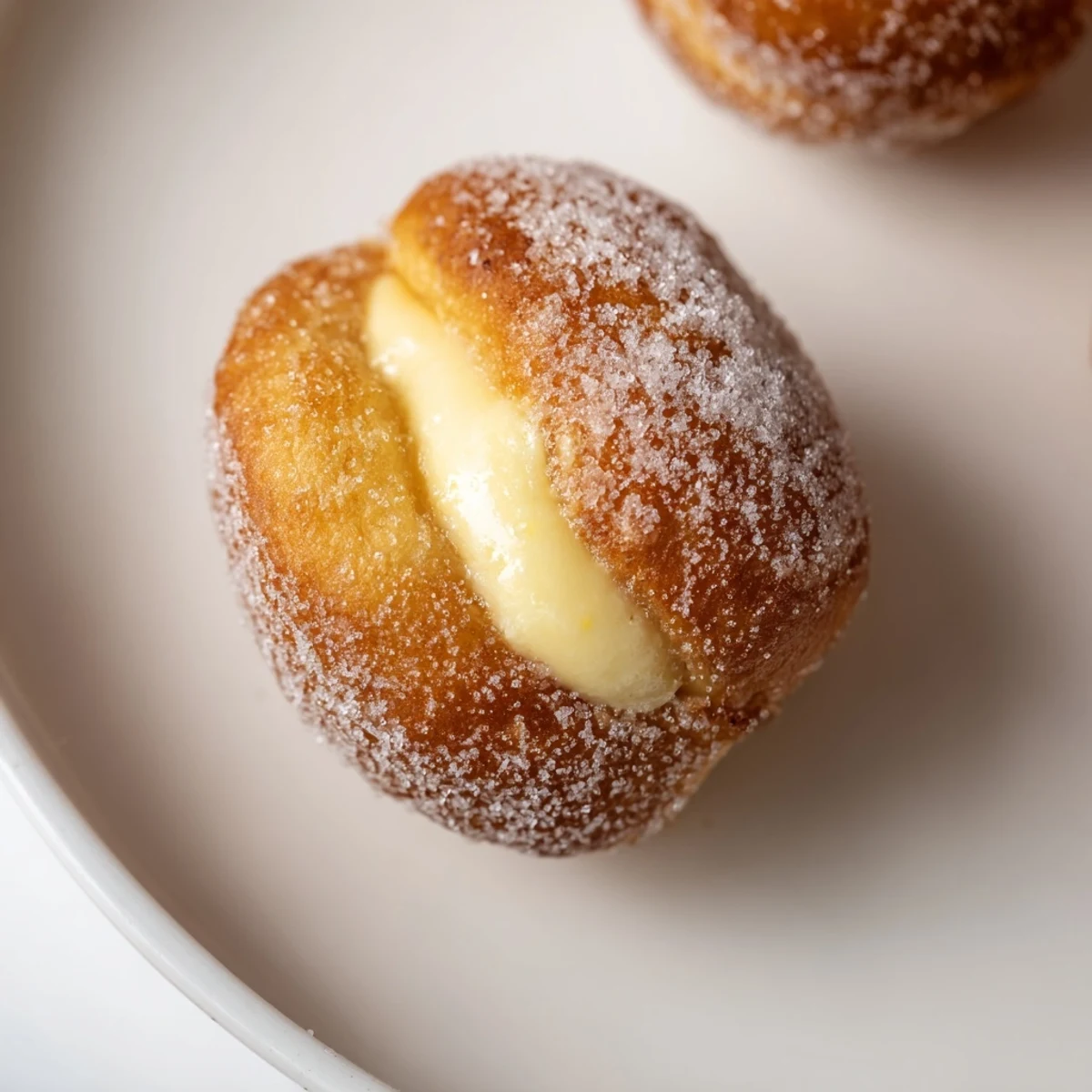
- Poke a hole in each bombolone and pipe the chilled cream inside until you feel resistance
 Save to Pinterest
 These became a Sunday morning tradition in our house during the winter months. The process became almost meditative, and there was something so satisfying about setting out that basket of warm, sugar-glistening treats knowing they would disappear within minutes. My daughter now requests them for every special occasion, claiming no store-bought doughnut can compare.
Making Them Ahead
I have learned that the dough can actually be made the night before and left to rise slowly in the refrigerator, which develops incredible flavor. The pastry cream also needs to be completely cold before filling, so making it a day ahead is not just convenient but ideal. Just bring everything to room temperature before frying.
Getting The Perfect Fill
After many messy attempts, I have discovered that using a piping bag with the longest, thinnest nozzle you can find is absolutely crucial. Poke the hole from the side rather than the top, and squeeze slowly until you feel the bombolone become slightly heavy in your hand. That is how you know it is perfectly filled.
Serving Suggestions
These are traditionally eaten for breakfast in Italy, often alongside a tiny espresso to cut through all that richness. I love serving them on a platter with extra pastry cream in a small bowl for anyone who wants an extra dollop. They are best within a few hours of frying, but honestly, they rarely last that long anyway.
- Try serving them slightly warmed if they have been sitting for a bit
- A dusting of powdered sugar over the granulated coating makes them extra fancy
- Coffee is non-negotiable, as strong as you can handle it
 Save to Pinterest
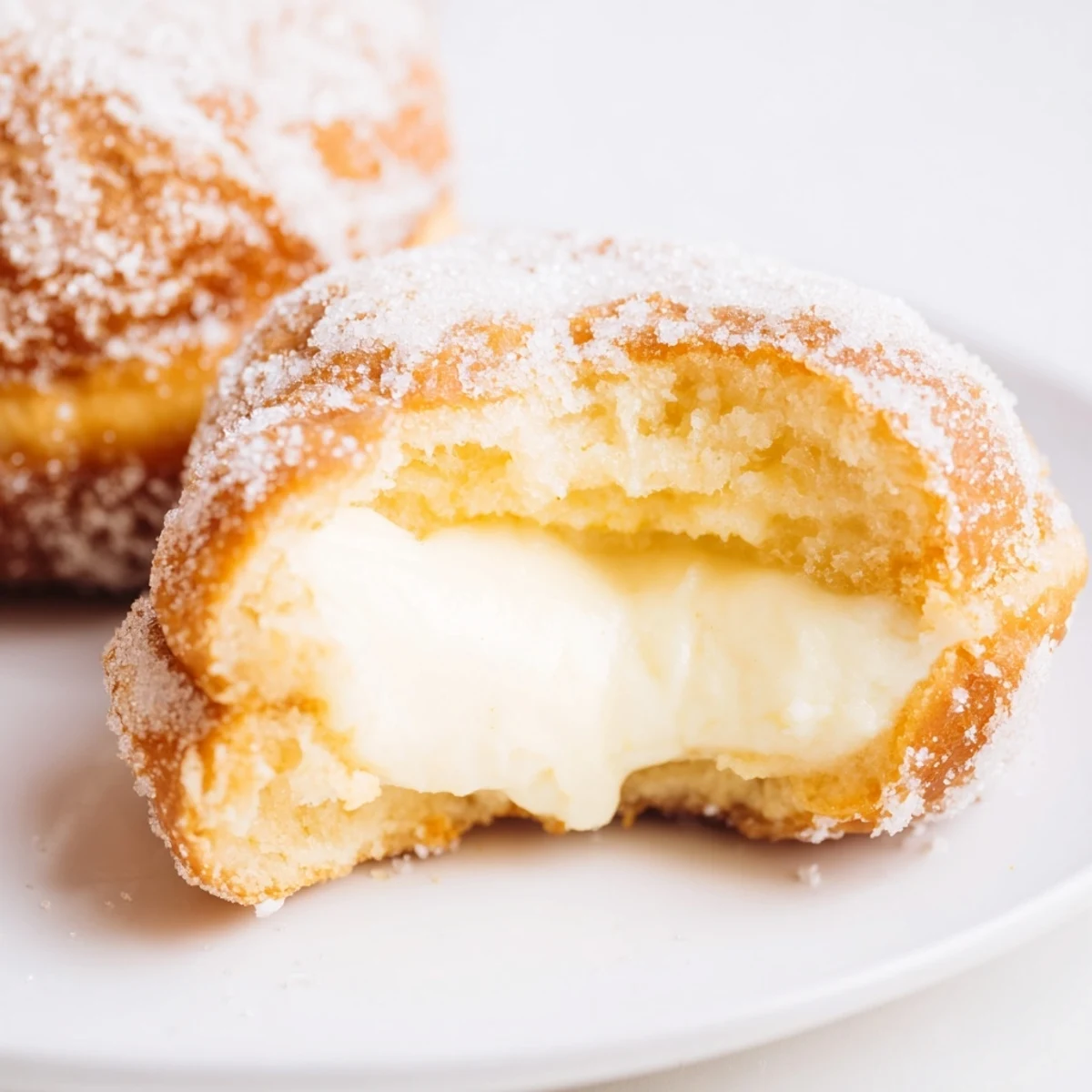
 There is something deeply joyful about biting into something so impossibly fresh and filled with cream. I hope these bring a little piece of Italian sunshine to your kitchen.
Recipe FAQs
- → What makes bomboloni different from regular doughnuts?
-
Bomboloni are Italian-style doughnuts with a lighter, airier texture due to the yeast dough and longer rising time. They're traditionally filled with pastry cream rather than glazed, creating a creamy center that contrasts beautifully with the crispy, sugar-coated exterior.
- → Can I prepare the dough ahead of time?
-
Yes, the dough can be prepared and refrigerated overnight after the first rise. This actually develops flavor and makes shaping easier. Let it come to room temperature before rolling and cutting into rounds.
- → How do I know when the oil is at the right temperature?
-
Use a kitchen thermometer to maintain oil at 170°C (340°F). If you don't have one, drop a small piece of dough into the oil—it should sizzle gently and rise to the surface within 3-4 seconds. Oil that's too hot will burn the exterior while leaving the inside raw.
- → What other fillings work well?
-
Beyond vanilla pastry cream, try Nutella, chocolate ganache, fruit jams like raspberry or apricot, or even lemon curd. Some variations include custard with chocolate chips or whipped ricotta with honey and citrus zest.
- → Why did my doughnuts become dense?
-
Dense bomboloni usually result from under-proofing the dough or frying at too low a temperature. Ensure dough doubles in size during both rises, and maintain proper oil temperature. Also avoid overworking the dough when rolling out.
- → How should I store leftover bomboloni?
-
Store in an airtight container at room temperature for up to one day. Beyond that, the sugar coating will dissolve and texture becomes soggy. They're best enjoyed fresh within a few hours of frying. Reheat briefly in a 180°C oven if needed.