
 Save to Pinterest
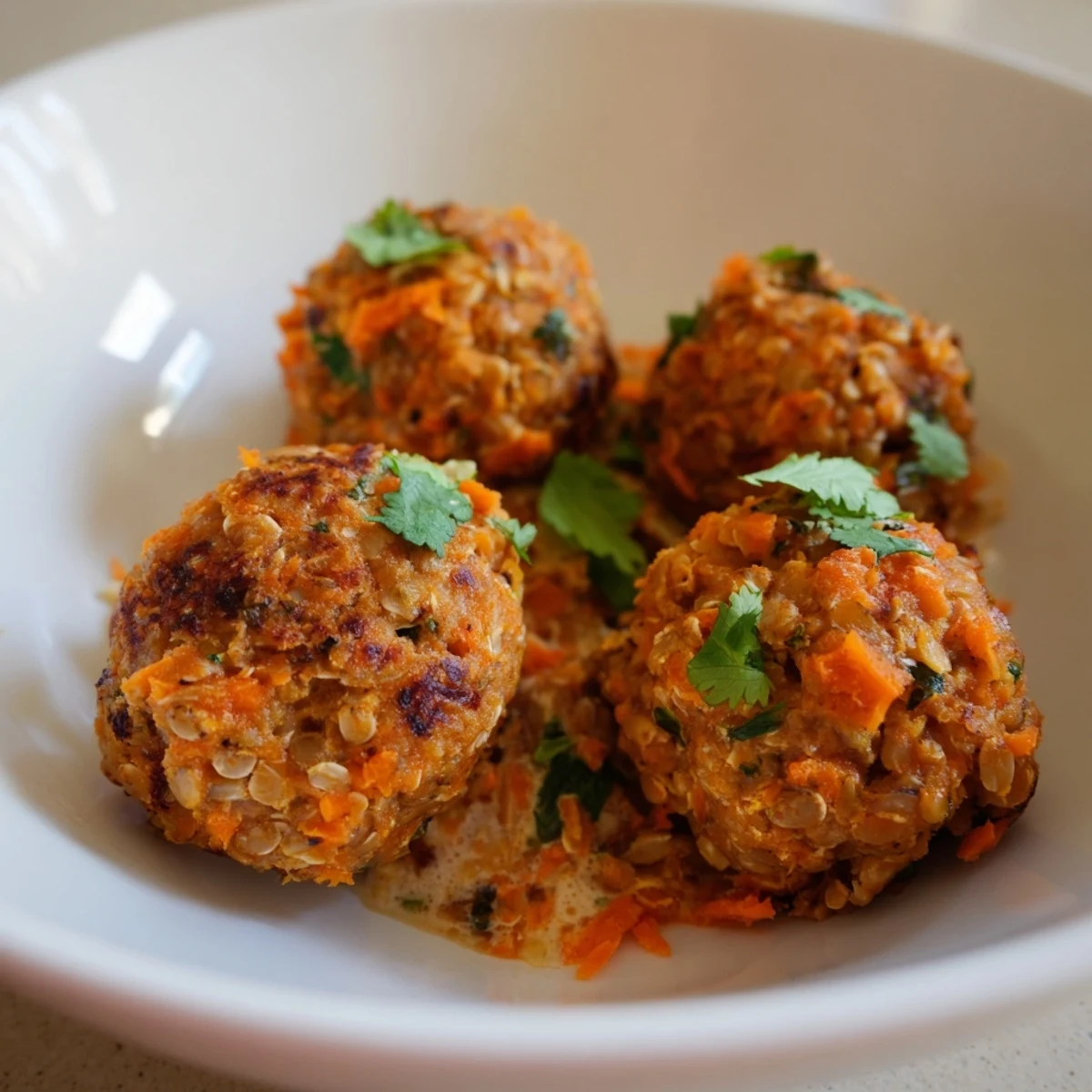
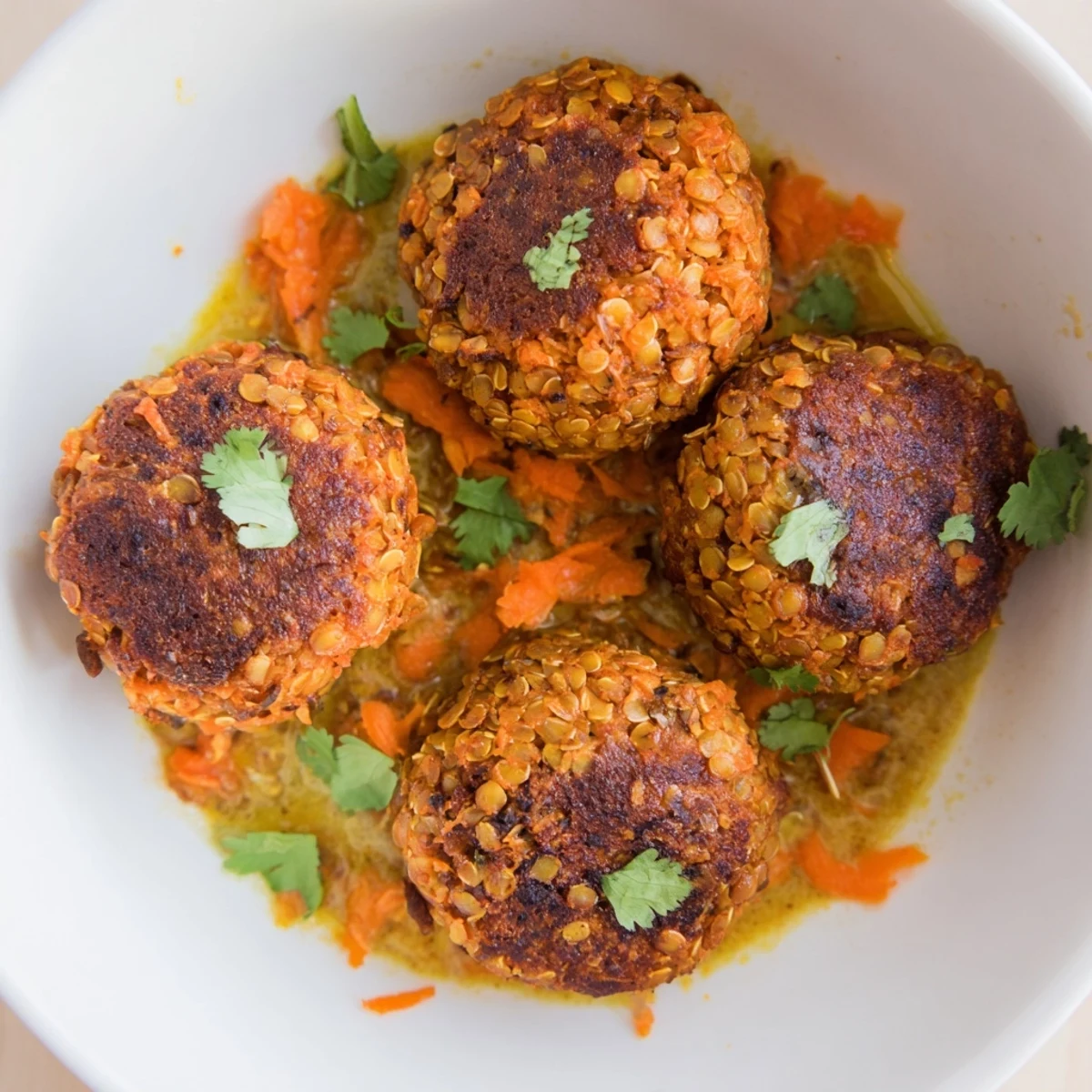
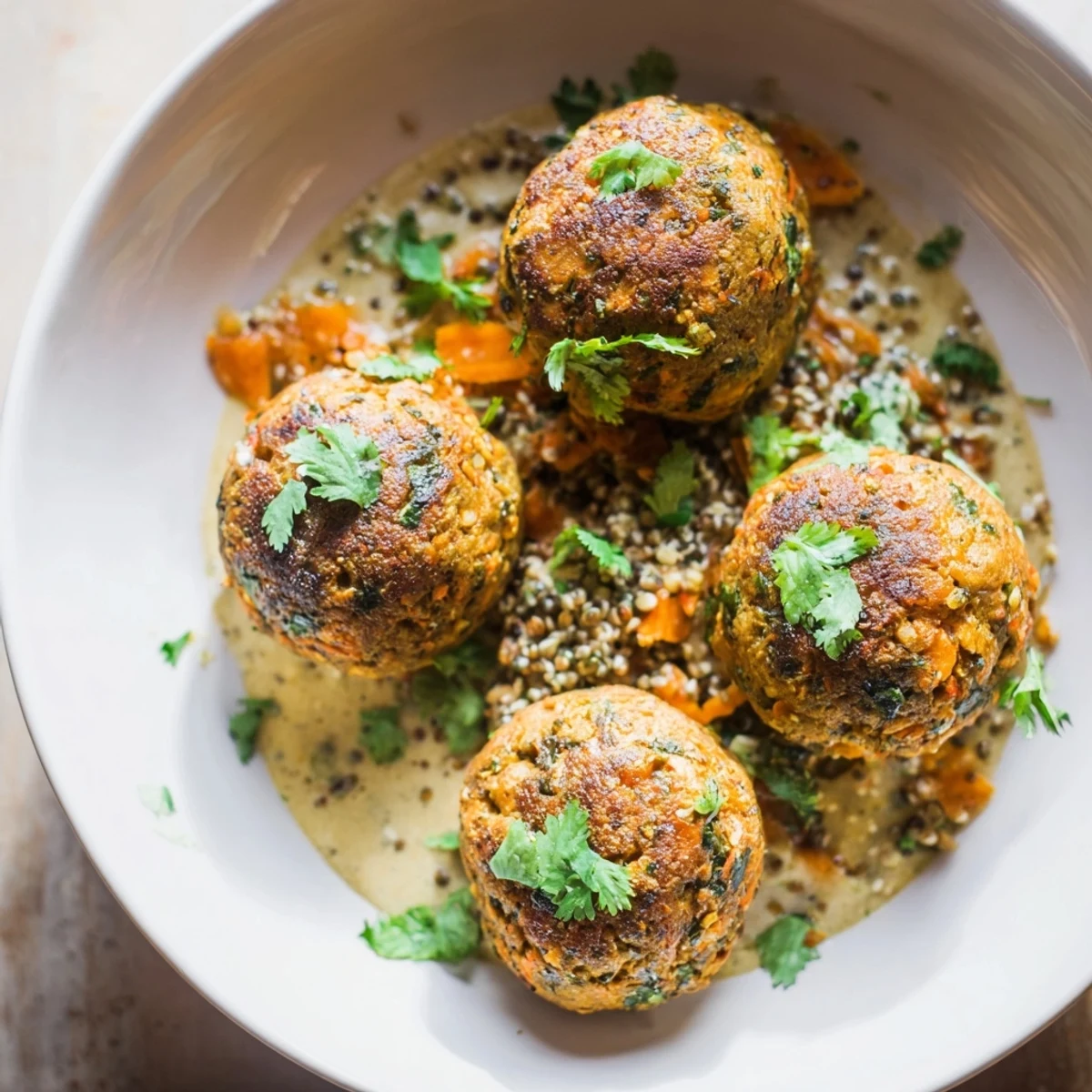
 Tender carrot and chickpea balls are made by pulsing chickpeas with grated carrot, oats and spices, shaping into balls and either baking until golden or pan-frying for extra crispness. A creamy coconut curry sauce, flavoured with ginger, garlic and curry powder, is simmered until thickened and spooned over the balls. Serve with rice, quinoa or flatbread and garnish with cilantro. Leftovers keep well refrigerated for 3–4 days and reheat gently to maintain texture.
The rain was hammering against the kitchen window and I had half a can of chickpeas sitting there looking sorry for themselves when I decided to throw together something warm. Forty minutes later I was standing over a skillet full of golden sauce, spooning it over rice, wondering why I had never thought to combine carrot balls with coconut curry before. Now it is the dish my friends request when they come over on gray Sunday afternoons. It turned a miserable weather day into something worth remembering.
I brought this to a potluck once and watched a friend who swears she hates carrots go back for thirds without realizing what she was eating. That moment alone was worth every minute at the stove.
Ingredients
- Canned chickpeas (1 and a half cups): Drain and rinse them well because the liquid makes the balls too wet and they fall apart in the pan.
- Grated carrot (1 cup): Fine shreds blend into the balls better than coarse ones so use the small holes on your grater.
- Rolled oats (half a cup): These bind everything together and certified gluten free oats keep the whole dish safe for sensitive eaters.
- Chopped fresh cilantro (2 tablespoons): Fresh herbs make the difference between good and unforgettable here.
- Garlic cloves (2, minced) and small onion (1, finely chopped): The aromatics are the backbone of flavor in both the balls and the sauce.
- Ground cumin (1 teaspoon), ground coriander (half a teaspoon), smoked paprika (half a teaspoon): This warm spice trio gives the balls depth without overpowering the carrot.
- Olive oil (1 tablespoon for the balls, 1 tablespoon for the sauce): A light brush on the balls before baking creates a beautiful crust.
- Grated fresh ginger (1 tablespoon): Fresh ginger cannot be substituted with dried here because its brightness carries the whole sauce.
- Curry powder (1 tablespoon) and turmeric (half a teaspoon): Toast these in the pan for thirty seconds and your kitchen will smell like a restaurant.
- Full fat coconut milk (1 can, 400 ml): Do not use light coconut milk because the sauce needs that richness to coat the balls properly.
- Vegetable broth (half a cup): This thins the sauce just enough so it simmers without splitting.
- Tomato paste (1 tablespoon) and maple syrup (1 teaspoon): Together they balance the heat and bring a subtle sweetness that rounds everything out.
- Salt and pepper to taste: Season gradually and taste as you go because the curry powder already adds saltiness.
- Fresh cilantro leaves for garnish: A handful at the end makes it look as good as it tastes.
Instructions
- Crank up the heat:
- Preheat your oven to 400 degrees Fahrenheit or get a nonstick skillet ready on the stove if you prefer frying.
- Build the balls:
- Toss the chickpeas, grated carrot, oats, cilantro, garlic, onion, cumin, coriander, smoked paprika, salt, and pepper into a food processor. Pulse until the mixture holds together when you squeeze it but still has some texture, like a rough paste with visible flecks of carrot.
- Shape and brown them:
- Roll the mixture into sixteen equal balls with damp hands so nothing sticks to your palms. Arrange them on a lined baking tray, brush with olive oil, and bake until golden, or fry them in a skillet for about ten minutes turning so every side gets color.
- Start the sauce:
- Warm olive oil in a large skillet over medium heat and cook the chopped onion until it turns translucent and soft, about three or four minutes. Add the garlic and ginger, stirring for one more minute until your whole kitchen smells incredible.
- Bloom the spices:
- Stir in the curry powder, turmeric, and cumin, and let them toast for about thirty seconds. You will know they are ready when the aroma shifts from dusty to deeply fragrant.
- Build the coconut gravy:
- Pour in the coconut milk, vegetable broth, tomato paste, and maple syrup. Stir everything until smooth, bring it to a gentle simmer, and let it cook for seven or eight minutes until it thickens enough to coat the back of a spoon. Taste and add salt and pepper as needed.
- Bring it all together:
- Gently lower the carrot and chickpea balls into the sauce, spooning it over the tops so they are submerged. Simmer uncovered for three to five minutes just to heat the balls through and let them absorb some of that curry flavor.
- Finish and serve:
- Scatter fresh cilantro leaves over the top and serve hot with basmati rice, quinoa, or warm flatbread on the side.
 Save to Pinterest
 One evening I made this for my neighbor who had just had surgery and could not stand at the stove. She called me the next day to say she ate the leftovers cold from the container standing in front of the refrigerator at midnight because she could not wait to heat it up.
Swaps and Tweaks
Grated zucchini or sweet potato works in place of carrot if that is what you have hanging around. Chopped cashews or peanuts folded into the ball mixture add a welcome crunch that contrasts with the soft sauce.
Getting the Sauce Right
Full fat coconut milk is nonnegotiable here because light versions break and turn watery when simmered. If the sauce looks too thick after adding the balls, splash in a little extra broth until it reaches the consistency you like.
What to Serve Alongside
Basmati rice is the obvious choice but warm naan or even a slice of crusty bread works beautifully for soaking up every last drop of sauce. A simple cucumber salad on the side keeps things fresh and balances the richness of the curry.
- Cook the rice while the sauce simmers so everything is ready at the same time.
- Warm your naan directly on a gas burner for a few seconds per side for the best texture.
- Always taste the sauce one last time before serving because a pinch of salt at the end can fix everything.
 Save to Pinterest
 Some recipes become staples because they are easy, and others earn their spot because they make people close their eyes when they take the first bite. This one does both, and that is why it stays in my rotation year round.
Recipe FAQs
- → How do I prevent the balls from falling apart?
-
Pulse until the mixture holds together but still has texture; oats absorb moisture and act as a binder. Chill the mixture briefly before shaping and press each ball firmly. If too wet, add a tablespoon more oats; if too dry, a splash of vegetable broth helps.
- → Bake or fry—which gives better texture?
-
Baking gives a hands-off, evenly golden finish and is lighter; brush with oil and bake at 200°C (400°F) about 18–22 minutes. Pan-frying yields a crispier exterior—fry in a little oil over medium heat, turning until all sides are browned, about 8–10 minutes.
- → Can I keep this gluten-free?
-
Yes—use certified gluten-free rolled oats and verify that any packaged broth or spices are free from cross-contamination. The other main ingredients are naturally gluten-free.
- → How can I make the balls extra crisp after simmering in sauce?
-
After simmering briefly to heat through, transfer balls to a hot skillet to crisp the exterior again, or roast under a hot grill/broiler for 2–3 minutes per side. Alternatively, reserve a few balls to crisp separately and add to the sauce at the end.
- → My coconut curry is too thin—how do I thicken it?
-
Simmer uncovered to reduce and concentrate flavors; stir in a small slurry of cornstarch and water (1 tsp cornstarch mixed with 1 tbsp water) and simmer until the sauce thickens. A spoonful of tomato paste also helps body and depth.
- → What’s the best way to store and reheat leftovers?
-
Cool completely and refrigerate in an airtight container for 3–4 days, or freeze for up to 3 months. Reheat gently in a skillet over low heat or in the oven to preserve texture; avoid microwaving at high power, which can make the balls soggy.