
 Save to Pinterest
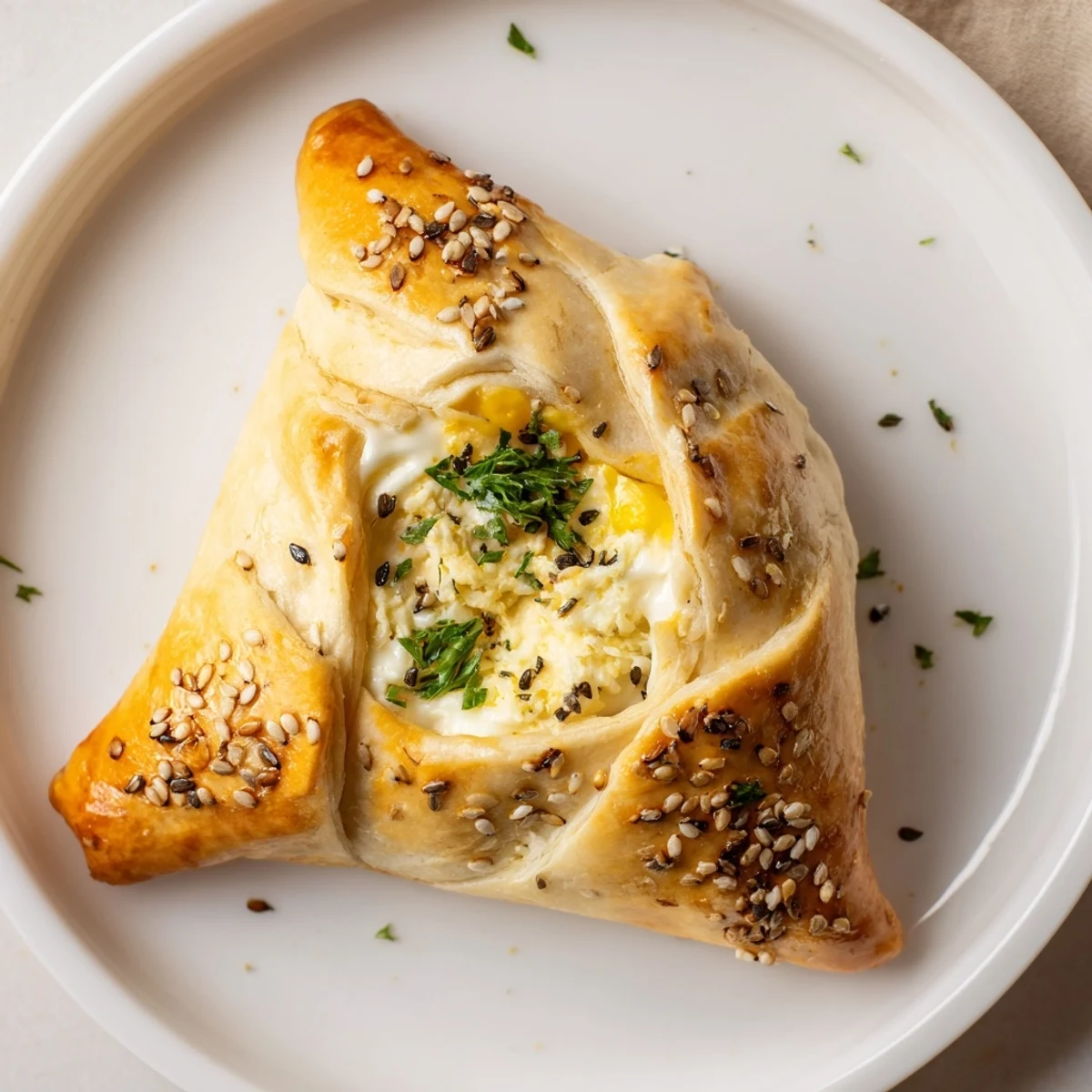
 Soft, yeasted dough is kneaded, left to double, then portioned into 12 rounds. A tangy filling of crumbled feta, shredded mozzarella, chopped parsley and an egg white is spooned into each circle. Edges are folded into triangles or ovals, brushed with yolk wash, and baked at 375°F until golden. Serve warm with mint, tomatoes or olives; variations include halloumi or ricotta blends and a sprinkle of nigella or sesame for crunch.
There was a rainy afternoon when the only sound in my kitchen was the gentle sizzle of olive oil and the quiet hum of the oven warming up. I started making cheese fatayer out of pure curiosity, intrigued by the aroma of yeast and the cool, crumbly feta waiting to be wrapped in soft dough. The scent of warm milk and fresh parsley drifting from the countertop made me feel like I'd stumbled into a cozy bakery far from home. Each triangle I pinched together looked a bit wobbly but filled the air with anticipation.
I brought these to a late summer picnic, and people kept circling back for more, asking who made the 'golden little triangles.' My friend Sam bit into one, paused, and then simply beamed—it was a moment that turned a casual snack into a shared highlight of the afternoon. That day, sprinkled with giggles and crumbs, solidified this fatayer as the thing I cook when I want people to linger over snacks and stories.
Ingredients
- All-purpose flour: Go for a trusted brand—the right flour helps the dough turn pillowy, not dry, and sifting it first always gives me a lighter texture.
- Instant dry yeast: No need to dissolve this in water, but I always make sure it's fresh by checking the expiration date; old yeast leads to disappointing dough.
- Sugar: Just a small spoon wakes up the yeast—don't skip it, even if it seems insignificant.
- Salt: Brings out the flavor in both the dough and filling—I've learned too little makes the pastry bland.
- Olive oil: Adds richness and keeps the dough from feeling heavy; I use extra-virgin for a bit of fruity aroma.
- Warm milk: Not hot! If it's too hot to comfortably touch, it's too hot for the yeast; this is what gives the dough its soft, supple life.
- Feta cheese: Go for block feta and crumble it yourself—the texture and tang make all the difference.
- Mozzarella cheese: Melts beautifully and balances the feta's saltiness, plus it gives that beautiful cheese pull.
- Fresh parsley: It brightens the filling and looks so inviting; dried parsley is never quite the same.
- Nigella seeds or black sesame seeds: Optional, but their nutty crunch and flavor turn each bite into something special.
- Egg white: Makes the filling cling together, and using the yolk for brushing adds beautiful shine.
- Freshly ground black pepper: Adds a gentle kick that wakes up the cheese filling.
- Egg yolk and milk/water: Brushing this on top gives a glossy, golden crust that makes the fatayer look bakery-fresh.
Instructions
- Make the dough:
- In a big bowl, whisk together the flour, yeast, sugar, and salt, then drizzle in the olive oil. Gradually pour in the warm milk while kneading until it turns into a soft, elastic dough that feels bouncy under your hands.
- Let it rise:
- Shape the dough into a ball, cover with a towel, and let it rise in a warm spot for about an hour—the dough should puff up and double in size, feeling feather-light when poked.
- Mix the filling:
- Combine the crumbled feta, shredded mozzarella, herbs, seeds if you like, egg white, and a generous twist of black pepper. Stir until everything is evenly mixed and smells cheesy and green.
- Form the fatayer:
- Punch down the dough and divide it into 12 equal pieces, rolling them into balls. Flatten each ball into a small circle and spoon a heaping tablespoon of filling onto the center.
- Shape and seal:
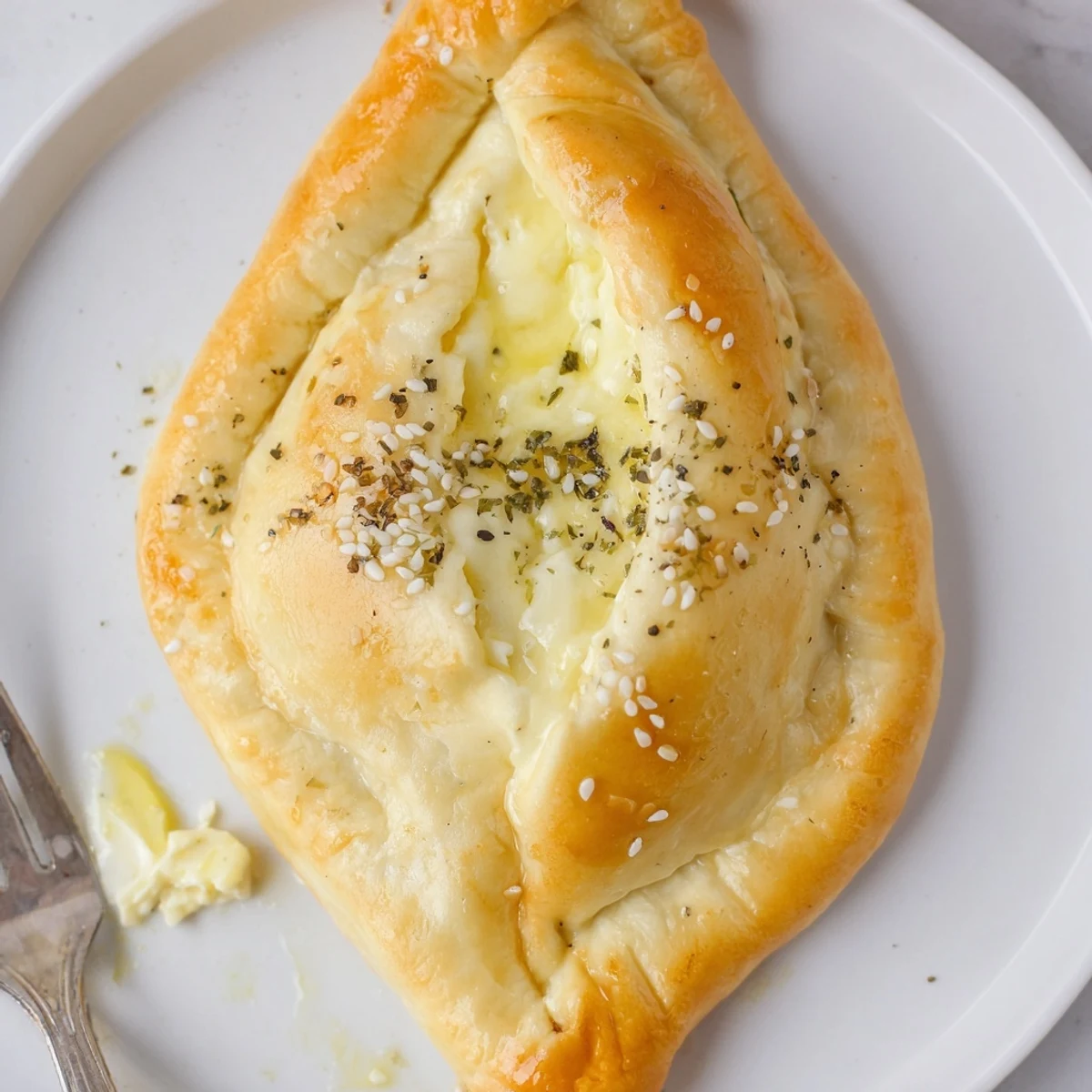
- Fold the edges over the filling to form a triangle or oval pocket, making sure to pinch firmly so nothing leaks out; it helps to slightly dampen your fingers.
- Bake them golden:
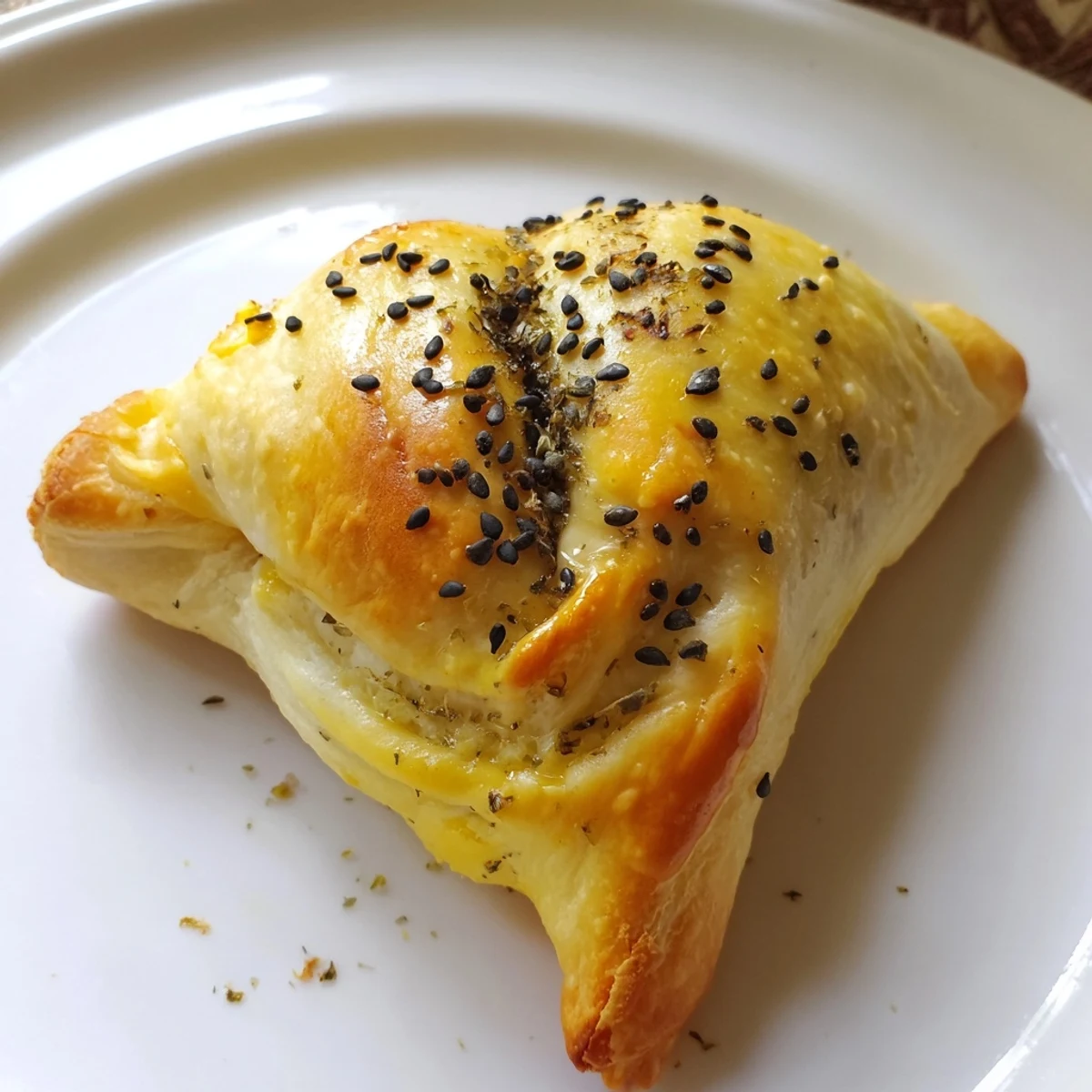
- Arrange the fatayer on a lined baking sheet, then brush each one with the egg yolk and milk mix. Bake in a preheated oven at 375 F for 18–22 minutes, until golden and shining, letting the aroma fill your kitchen before you let them cool.
 Save to Pinterest
 On a winter night, a friend dropped by unexpectedly, chilled and a little down. I pulled out a tray of just-baked fatayer, and the kitchen seemed to warm up instantly; by the time we finished eating, laughter had replaced the cold.
Cheese Choices That Shine
After a few batches, I realized that the cheese you use completely changes each bite. Mixing feta with a gooey cheese like mozzarella keeps things creamy, but swapping in ricotta or even halloumi adds new personality. I even tried a version with fresh mint and it became a spring lunch favorite.
Tricks for Soft, Fluffy Dough
The right dough can make or break a fatayer, so don't be shy about kneading. If your dough feels sticky, add a sprinkle of flour, but if it's stiff, a dribble more warm milk brings it back to life. Letting it rise until truly doubled always makes for pockets that are pillowy inside.
Serving and Storing (If Any Survive!)
Fatayer are at their best fresh and warm, but leftovers hold up beautifully for lunch the next day. If you want crisper edges, reheat briefly in the oven instead of the microwave. They pair perfectly with sliced tomatoes, olives, or a handful of fresh herbs for a mezze board.
- If you're sharing, make a double batch—trust me.
- Store cooled fatayer in an airtight container to keep them soft.
- Sprinkle extra seeds on top just before baking for a satisfying crunch and rustic look.
 Save to Pinterest
 There’s an easy joy in baking these golden pockets and sharing them still warm. However you shape or fill them, someone is bound to ask for your secret.
Recipe FAQs
- → How do I avoid a soggy filling?
-
Drain crumbly cheeses well and squeeze excess moisture from any wet additions. Using an egg white in the filling helps bind ingredients and absorb moisture. Seal seams tightly so juices stay inside the pastry while baking.
- → Which cheeses work best as substitutes?
-
Feta and mozzarella give tang and melt; halloumi adds salt and firmness, ricotta lightness, and kasseri or smoked provolone a deeper flavor. Mix a firmer cheese with a softer one for texture balance.
- → Can I prepare dough or filling ahead of time?
-
Yes. Dough can be mixed and refrigerated overnight for a slower rise; bring to room temperature before shaping. Filling keeps covered in the fridge for 1–2 days—stir before using to redistribute moisture.
- → What temperature and timing give the best crust?
-
Bake at 375°F (190°C) until tops are deep golden, typically 18–22 minutes. An egg yolk wash with a little milk promotes even browning and sheen on the crust.
- → How should I freeze them?
-
Freeze shaped, unbaked fatayer on a tray until firm, then transfer to bags for up to 2 months. Bake from frozen, adding a few extra minutes to the baking time and check for a golden color.
- → What does nigella seed add to the pastry?
-
Nigella (or black sesame) adds a subtle oniony, nutty crunch and visual contrast on top of the pastries; sprinkle before baking for best flavor and texture.