
 Save to Pinterest
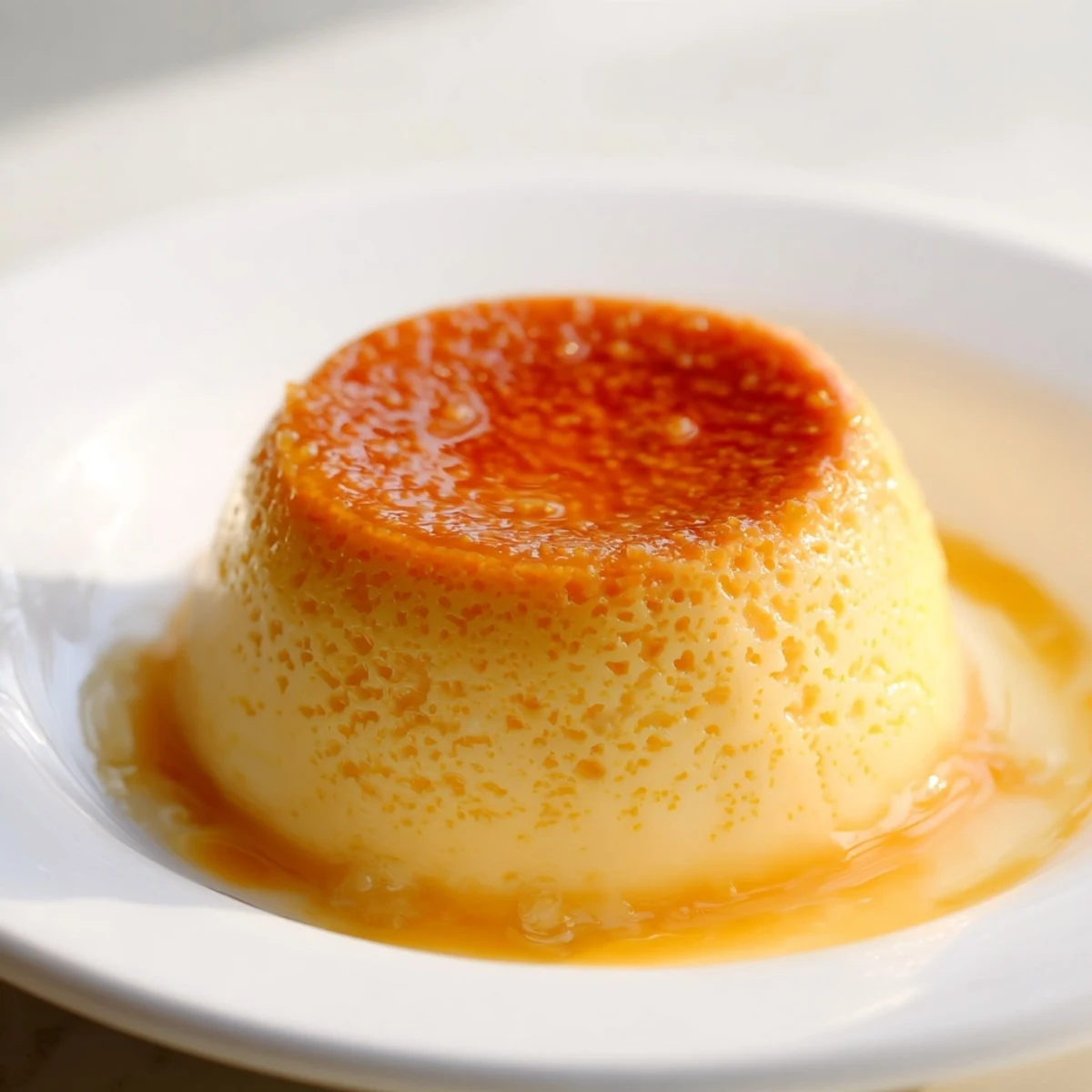
 This classic baked milk pudding creates a silky, comforting dessert using simple ingredients. The custard features a delicate vanilla aroma and develops a beautiful golden, caramelized top when baked. Perfect for cozy evenings or as a refined finish to any meal, this easy-to-make treat combines rich milk and cream with eggs and sugar for a smooth texture.
The preparation involves gently heating milk and cream, whisking eggs with sugar and vanilla, then combining and straining to ensure a smooth custard. Baked in a water bath to prevent curdling, the pudding sets to a perfect consistency - slightly wobbly in the center when done. For extra elegance, a quick caramelization with sugar creates a stunning golden finish that adds both visual appeal and a subtle crunch.
My grandmother used to make this pudding on Sunday afternoons, the smell of vanilla drifting through the house while we did homework at the kitchen table. She never measured anything exactly, always dipping her finger to taste the warm milk before adding the eggs. It was the first dessert I learned to make entirely on my own, standing on a wooden stool to reach the stove.
Last winter I made this for a dinner party when everything else went wrong. The main dish was overcooked and the salad was forgotten, but this pudding saved the evening. Everyone went silent when they took their first bites, and honestly, that caramelized top made me look like I knew exactly what I was doing.
Ingredients
- Whole milk: The backbone of this pudding, giving it that rich, creamy body we all love
- Heavy cream: Adds luxurious silkiness though you can use all milk if you prefer
- Eggs: Large eggs work best here, creating the structure while keeping things tender
- Granulated sugar: Sweetens the custard and creates that gorgeous caramelized crust
- Vanilla extract: Pure vanilla makes all the difference in this simple dessert
- Salt: Just a pinch enhances all the flavors and balances the sweetness
Instructions
- Heat the dairy mixture:
- Warm the milk and cream in a saucepan until steam rises from the surface but bubbles never break. Keep an eye on it because milk can suddenly climb over the sides of your pan.
- Whisk the egg base:
- Beat eggs with sugar, vanilla, and salt until the mixture turns pale and slightly thickened. This usually takes about 2 minutes of steady whisking.
- Combine carefully:
- Pour the hot milk into the eggs very slowly, whisking furiously the whole time. This step feels endless but it prevents scrambled eggs in your pudding.
- Strain for silkiness:
- Pour everything through a fine mesh sieve into a pitcher or large measuring cup. Those tiny bits of cooked egg would ruin the texture otherwise.
- Set up the water bath:
- Place your baking dish in a larger roasting pan and fill the outer pan with hot water halfway up the sides. This gentle heat protects the custard from curdling.
- Bake until just set:
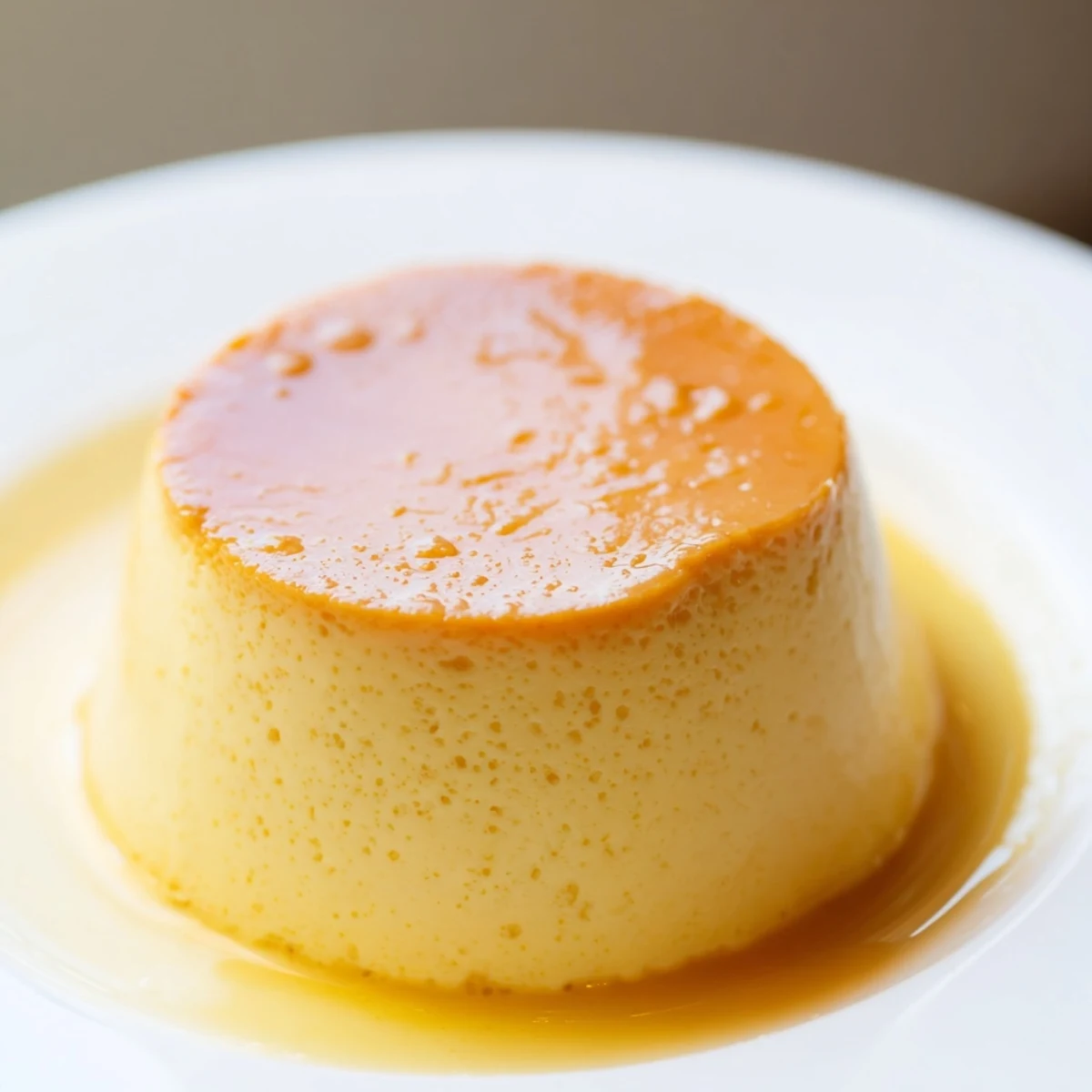
- The center should still wobble like Jell-O when you gently shake the pan. It will continue cooking as it cools and that slight jiggle means perfection.
- Create the caramelized top:
- Sprinkle extra sugar over the surface and use a kitchen torch or run it under the broiler. Watch closely because sugar goes from perfect to burnt in seconds.
 Save to Pinterest
 My friend Sarah asked for the recipe after serving this at her anniversary dinner. She said her husband actually closed his eyes while eating it, which might be the highest compliment a dessert has ever received in my house.
Making It Your Own
I have discovered that infusing the milk with a cinnamon stick or cardamom pods transforms this into something entirely new. The spices steep while the milk heats and you strain them out before combining with the eggs. Lemon zest works beautifully too, giving a bright counterpoint to all that richness.
Timing Your Bake
The wobbling center confuses everyone the first time they make this pudding. Trust me, pulling it out when it seems slightly underdone is exactly right. The residual heat finishes the job and you will end up with something silky instead of rubbery. I learned this the hard way after overbaking three batches in one week.
Serving Suggestions
Fresh berries cut through the richness beautifully, especially tart raspberries or sour cherries. A dusting of cinnamon over the caramelized top makes it feel cozy and autumnal. Cold pudding straight from the fridge has this wonderful dense, fudge like texture that some people actually prefer.
- Warm it slightly before serving if you have made it ahead
- Whipped cream on the side is never a bad idea
- The caramelized top softens after refrigeration so torch it again if needed
 Save to Pinterest
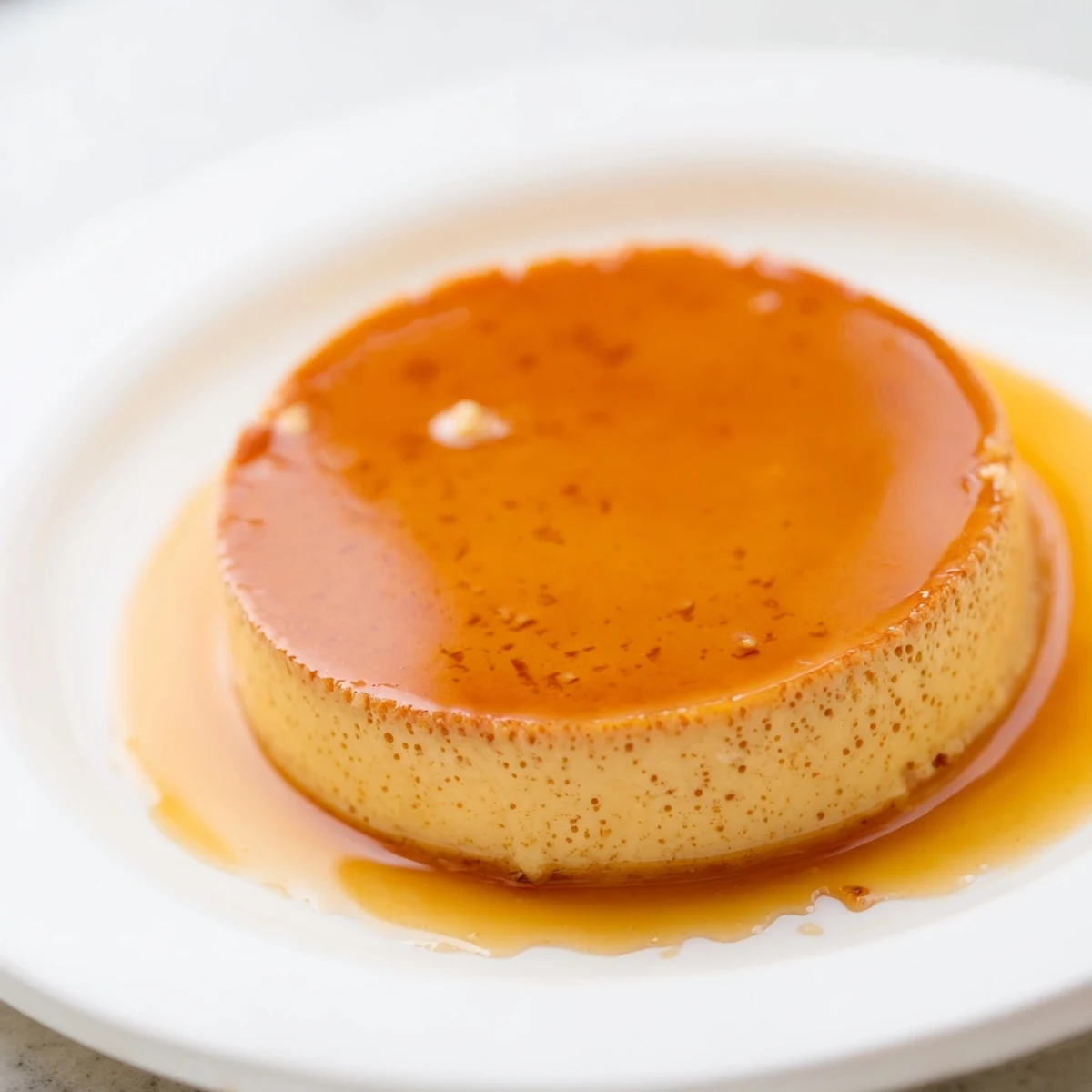
 There is something deeply satisfying about turning five basic ingredients into something this elegant. This pudding reminds me that the best desserts are often the simplest ones.
Recipe FAQs
- → Can I make this pudding ahead of time?
-
Yes, this baked milk pudding is perfect for making ahead. It's best enjoyed the day it's made, but can be refrigerated for up to 2 days. Simply reheat gently before serving if you prefer it warm, or serve chilled for a refreshing treat.
- → What's the best way to achieve the caramelized top?
-
For the perfect caramelized top, sprinkle 2 tablespoons of granulated sugar over the surface after baking. You can then use a kitchen torch to quickly caramelize the sugar, or place the pudding under a broiler for 1-2 minutes until golden brown. Watch carefully as it can burn quickly.
- → Can I make this without heavy cream?
-
Yes, for a lighter version, you can substitute all milk and skip the heavy cream. The pudding will still be delicious, though slightly less rich and creamy. The texture will be a bit lighter but still wonderfully silky.
- → What's the purpose of the water bath when baking?
-
The water bath (bain-marie) creates a gentle, even heat around the pudding, preventing the edges from cooking too quickly while ensuring the center sets properly. This method helps achieve a smooth, crack-free surface and prevents curdling of the egg mixture.
- → How do I know when the pudding is fully cooked?
-
The pudding is ready when it's set but still slightly wobbly in the center. A knife inserted about an inch from the edge should come out clean, but the very center may have a slight jiggle. The edges will be set and the top should be golden brown.