
 Save to Pinterest
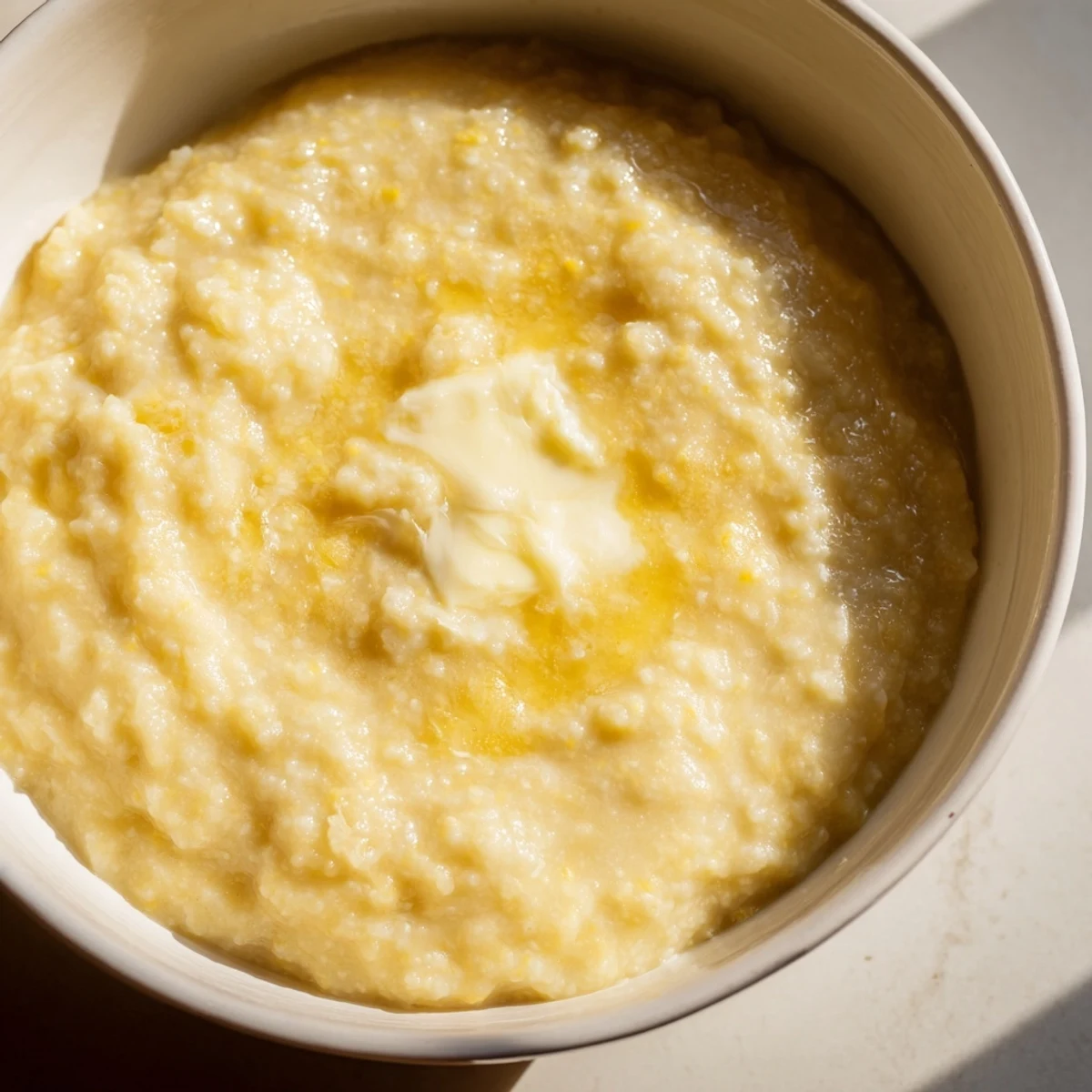
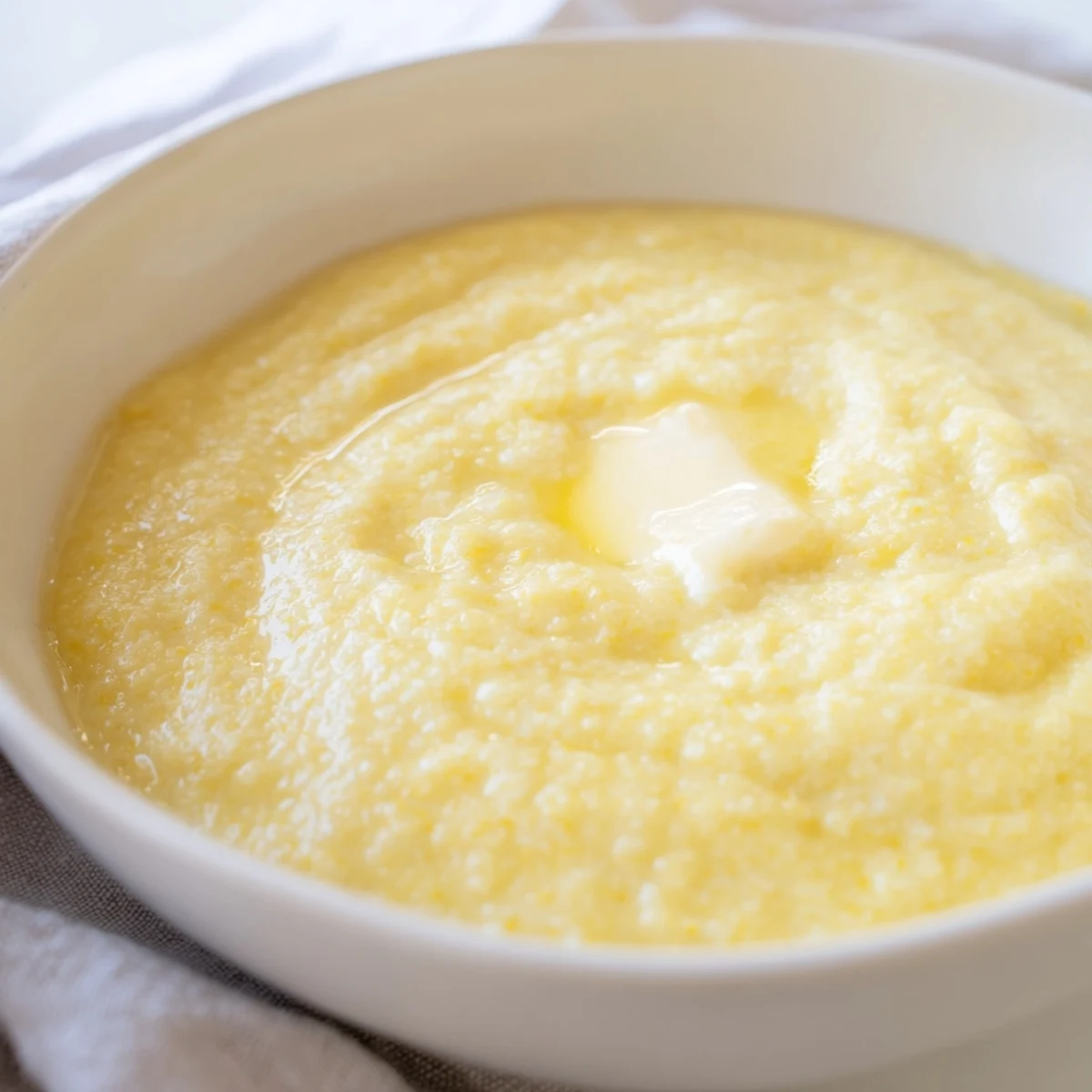
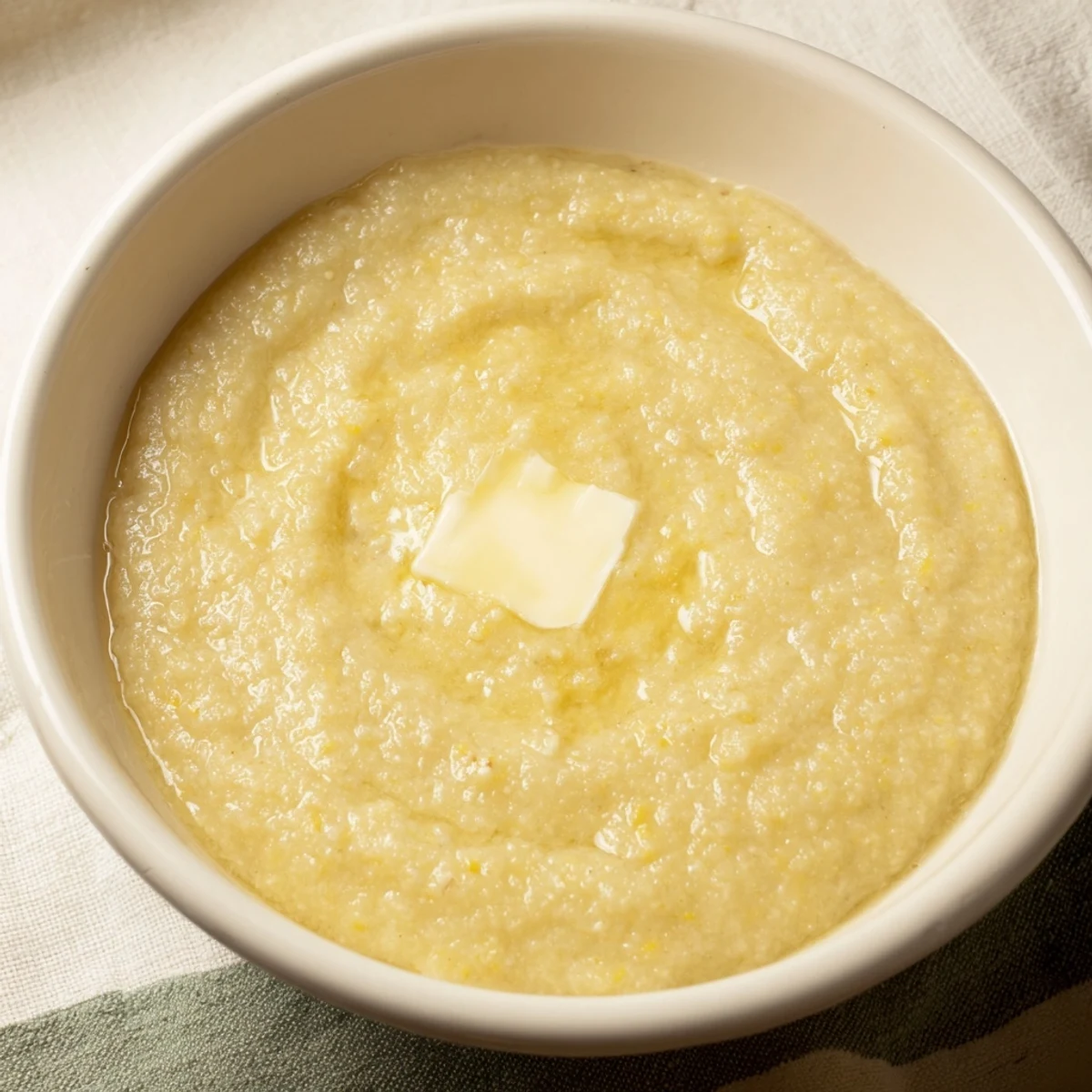
 This creamy maize porridge delivers comfort in every spoonful. Ground maize simmers slowly into a smooth, thickened consistency that's naturally satisfying. The preparation is straightforward—boil your liquid, gradually whisk in the maize meal, and cook gently while stirring frequently. The result is a versatile dish that adapts beautifully to sweet or savory preferences.
For breakfast, serve warm with honey, dried fruits, or a pat of butter melting on top. The sweet variation incorporates sugar during cooking for those who prefer their morning bowl on the lighter side. Savory lovers can skip the sugar entirely and pair with grated cheese, sautéed vegetables, or hearty stews.
What makes this preparation special is its adaptability. Substitute some water with coconut milk for tropical richness, or adjust the consistency to your liking—thinner for pouring, thicker for spooning. Naturally gluten-free and easily made dairy-free, it accommodates various dietary needs while remaining consistently delicious.
The first time I had maize porridge was during a foggy morning in a tiny bed and breakfast in the Caribbean. The owner, a grandmother with weathered hands and the warmest laugh, stirred a pot on her wood stove and told me this was the breakfast that fueled entire generations before coffee shops existed. That bowl changed everything I thought about morning cereal, and I've been making it ever since.
Last winter my teenage son stumbled into the kitchen at midnight, found leftover porridge in the fridge, and heated it up with way too much butter and brown sugar. Now he requests it specifically for exam week, saying its the only thing that settles his nerves and keeps him full for hours. I never thought simple ground maize could become such a family staple.
Ingredients
- 1 cup maize meal: Medium or fine ground works best, whether labeled as cornmeal or polenta
- 4 cups water: Or try half water and half milk for extra creaminess
- 1/4 teaspoon salt: Essential to bring out the maizes natural sweetness
- 1 tablespoon sugar: Optional, but lovely if you prefer a sweet breakfast porridge
- 1 tablespoon butter: Adds richness that makes this feel incredibly indulgent
Instructions
- Bring your liquid to a rolling boil:
- Use a medium saucepan and get those bubbles going vigorously
- Season the water:
- Stir in your salt so it dissolves completely
- Add the maize meal slowly:
- Pour it in a thin steady stream while whisking constantly to prevent any lumps from forming
- Let it simmer gently:
- Reduce heat to low, partially cover, and stir frequently for 20 to 25 minutes until it thickens beautifully
- Finish with your extras:
- If making it sweet, stir in sugar and butter in the last two minutes of cooking
 Save to Pinterest
 My friend from Kenya showed me how her grandmother makes this with coconut milk instead of regular milk, and the difference is absolutely transformative. The slight tropical sweetness pairs perfectly with fresh mango or a sprinkle of toasted coconut on top. Its become my go-to version when I want to make something special.
Sweet or Savory
This porridge is incredibly versatile and adapts beautifully to whatever you are craving. For a sweet breakfast, try honey, cinnamon, chopped nuts, or fresh berries. The savory version is just as wonderful topped with grated sharp cheddar, sautéed spinach, or even a fried egg on top.
Making It Ahead
The porridge keeps well in the refrigerator for up to four days and reheats perfectly with a splash of water or milk. In fact, many people swear it tastes even better the next day when the flavors have had time to meld together. Just warm it slowly over low heat, stirring frequently to bring back that creamy consistency.
Serving Suggestions
This dish shines when served piping hot in your favorite bowl. The toppings are where you can really make it your own and customize for everyone at your table.
- Dried fruits like raisins or cranberries plump up beautifully when stirred in hot
- A drizzle of maple syrup right before serving creates lovely ribbons throughout
- Toasted pumpkin seeds add a wonderful crunch contrast to the smooth texture
 Save to Pinterest
 Theres something deeply grounding about starting your day with such a simple nourishing bowl. Whether you keep it plain or load it with toppings, this porridge has a way of making everything feel like it will be alright.
Recipe FAQs
- → What's the difference between maize meal, cornmeal, and polenta?
-
These terms are often used interchangeably. Maize meal and cornmeal refer to ground dried corn. Polenta is technically an Italian dish made from cornmeal, though the term is also used for the cornmeal itself. For this preparation, medium or fine ground varieties work best to achieve that smooth consistency.
- → How can I prevent lumps from forming?
-
The key is adding the maize meal gradually while whisking constantly. Don't dump it all in at once—pour it in a steady stream as you whisk. This technique disperses the grains evenly before they can clump together. A gentle whisking motion works better than vigorous stirring.
- → Can I make this ahead of time?
-
Yes, though the texture will thicken considerably as it cools. Store in the refrigerator and reheat with additional liquid—water, milk, or coconut milk—to restore the desired consistency. Leftovers actually develop a deeper, more integrated flavor profile.
- → Is this suitable for gluten-free diets?
-
Absolutely. Pure maize meal is naturally gluten-free, making this an excellent option for those avoiding gluten. However, always check labels to ensure there's no cross-contamination during processing if you have severe sensitivities or celiac disease.
- → What toppings work well?
-
The possibilities are endless. Sweet options include honey, maple syrup, fresh berries, dried fruits like raisins or cranberries, chopped nuts, and cinnamon. For savory bowls, try grated cheddar, crumbled feta, sautéed spinach, roasted vegetables, or even a poached egg on top.
- → Can I use only milk instead of water?
-
You can, though the result will be much richer and may scorch more easily. A mixture of water and milk (half-and-half) often provides the best balance of creaminess without being overly heavy. Coconut milk creates a lovely tropical variation with natural sweetness.