
 Save to Pinterest
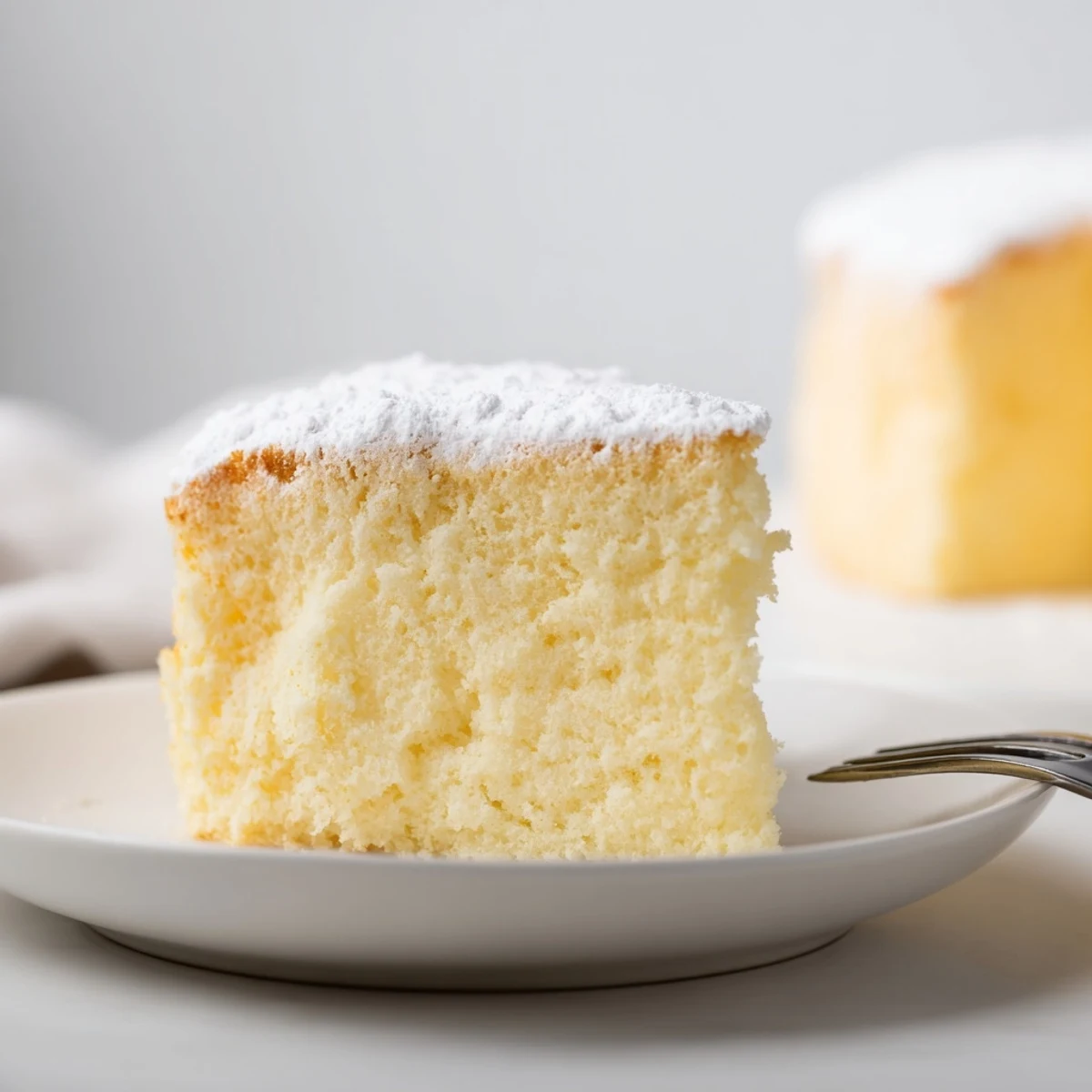
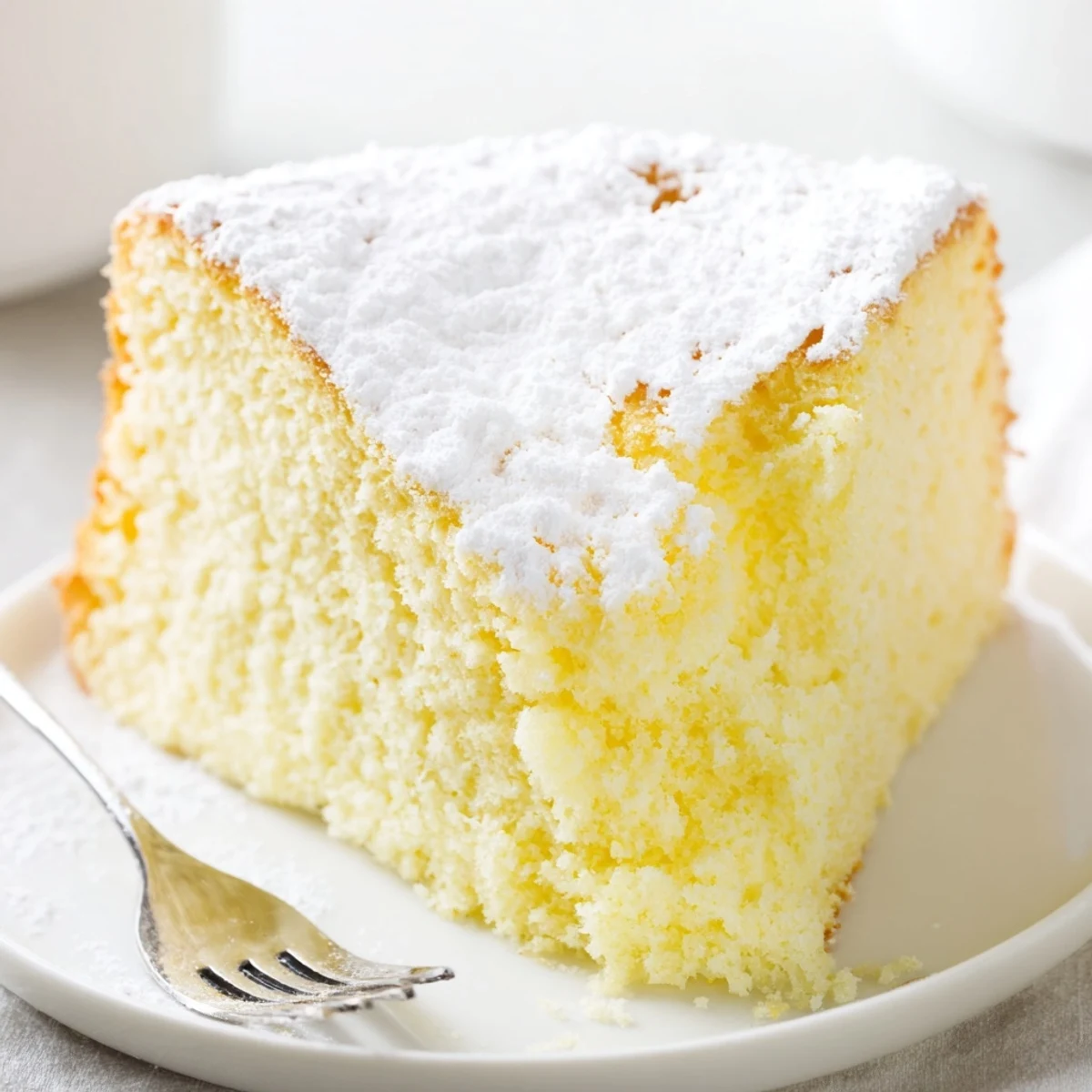
 This European-style dessert combines Greek yogurt, separated eggs, and cornstarch to create an exceptionally light and tender crumb. The technique involves folding beaten egg whites into a rich yolk-based batter, resulting in a cloud-like texture that's both satisfying and refreshing.
With hints of lemon zest and vanilla, each slice offers delicate sweetness without being overpowering. The cake requires just 20 minutes of active prep time and bakes to a golden finish in under an hour.
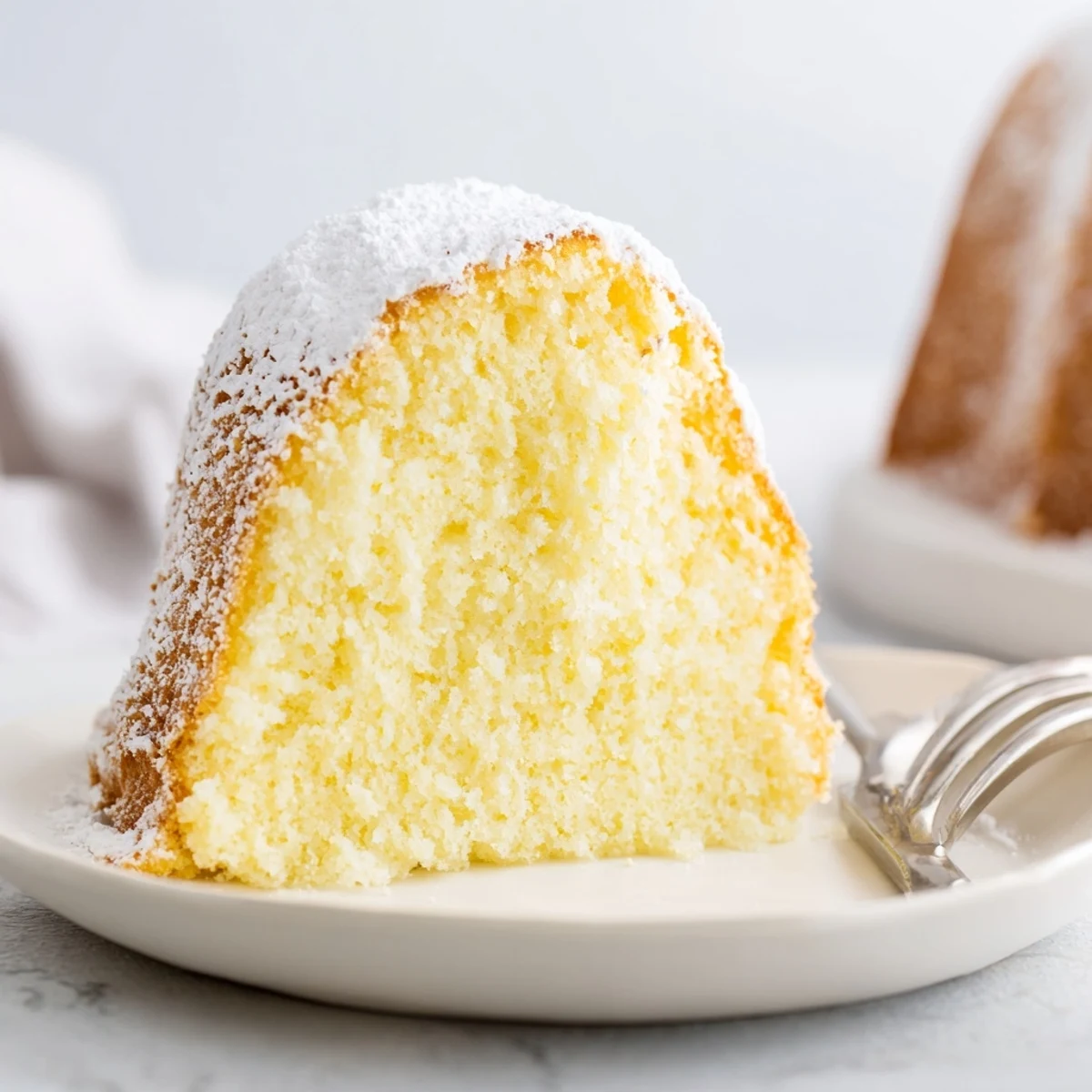
Serve it dusted with powdered sugar and fresh berries for an elegant presentation, or enjoy it plain to appreciate its pure, airy quality. Best enjoyed the same day but keeps well for two days when stored airtight.
The first time I made this yogurt cake, my kitchen smelled like lemon and warmth in a way that made me stop everything and just breathe it in. My sister had been raving about some cloud cake she had at a friend is house, and I was determined to recreate something similar but with my own twist. When it came out of the oven, taller than I expected and with this gorgeous golden crown, I actually did a little victory dance right there in my apron. Sometimes recipes surprise you like that.
Last summer, I brought this cake to a potluck and watched it disappear in record time. My friend is grandmother, who is notoriously picky about desserts, took one bite and asked me for the recipe before she even finished her slice. There is something universally appealing about a cake that does not try too hard but still delivers on every level. Now it is my go to when I need something that feels special without requiring hours of effort.
Ingredients
- 1 cup (120 g) all purpose flour: The foundation that gives structure to all that airiness, do not accidentally use cake flour here
- 1/2 cup (60 g) cornstarch: The secret weapon for tender crumb, it makes every bite feel like velvet
- 1 1/2 tsp baking powder: Just enough lift to help the cake rise without making it taste metallic
- 1/4 tsp salt: A tiny pinch that wakes up all the other flavors and keeps things from tasting flat
- 4 large eggs, separated: The whites become your cloud, the yolks provide richness and binding power
- 3/4 cup (150 g) granulated sugar, divided: Split between yolks and whites, this distribution helps stabilize everything
- 1/2 cup (120 ml) vegetable oil: Keeps the cake moist for days unlike butter which can firm up in the fridge
- 1 cup (240 g) full fat Greek yogurt: Do not use low fat here, the richness is what makes the texture so luxurious
- 1 tsp vanilla extract: Pure vanilla makes a difference you can actually taste
- Zest of 1 lemon: Use a microplane if you have one, you want those tiny aromatic oils not bitter pith
Instructions
- Get your oven ready first:
- Preheat to 325°F (160°C) and line just the bottom of an 8 inch round pan with parchment. Leave the sides bare this cake needs to climb.
- Whisk your dry team together:
- Combine the flour, cornstarch, baking powder, and salt in a medium bowl. Give it a quick whisk to distribute everything evenly.
- Make the yolks sing:
- In a large bowl, beat the egg yolks with half the sugar until they are pale and thick. Then mix in the oil, yogurt, vanilla, and lemon zest until smooth.
- Bring in the dry ingredients:
- Fold the flour mixture into the yolks gently, just until you cannot see dry streaks. Some lumps are okay, you do not want to develop gluten here.
- Build your cloud:
- In a completely clean bowl, beat those egg whites until soft peaks form. Rain in the remaining sugar and keep going until you have stiff glossy peaks that do not budge when you tilt the bowl.
- Merge the two worlds:
- Start by folding one third of the whites into the batter to lighten it, then gently fold in the rest in two more additions. Watch the mixture transform into something ethereal.
- Into the oven it goes:
- Pour the batter into your prepared pan, smooth the top, and bake for 40 to 45 minutes. The cake is done when it is set and a toothpick comes out clean.
- The patience part:
- Let the cake cool in the pan for exactly 10 minutes, then run a knife around the edge and invert onto a wire rack. Peel off the parchment while it is still warm.
- The finishing touch:
- Dust generously with powdered sugar once completely cool, and serve with fresh berries if you want something tart against all that sweetness.
 Save to Pinterest
 My daughter helped me make this last weekend and kept calling it a science experiment as she watched the egg whites transform. When we finally sliced into it, she said it tasted like sunshine, which might be the best review I have ever received. There is something magical about recipes that bring people into the kitchen just to watch the process unfold.
Making It Your Own
Sometimes I swap the lemon zest for orange when I want something warmer and more comforting. Fresh berries folded gently into the batter right before baking turn this into a completely different dessert, though you will need to add a few minutes to the baking time. A tablespoon of poppy seeds adds this subtle crunch that people can never quite identify but always ask about.
Storage Secrets
This cake actually develops more flavor after sitting for a few hours, so do not feel pressured to serve it immediately. Keep it covered at room temperature for the first day, then move it to the fridge if it lasts longer than that. The texture becomes denser when chilled but some people honestly prefer it that way.
Serving Ideas
A dollop of crème fraîche or Greek yogurt on top adds this lovely tang that cuts through the sweetness. Fresh mint leaves scattered around the plate make it look restaurant worthy with zero extra effort. This cake also pairs beautifully with a cup of tea or a glass of dessert wine if you are feeling fancy.
- Try serving it slightly warmed with a drizzle of honey for breakfast
- Toasted slivered almonds add a nice crunch and make it feel more decadent
- A side of roasted stone fruits turns this from simple to sophisticated
 Save to Pinterest
 Every time I make this cake, I am reminded that the simplest recipes are often the ones that bring the most joy. Hope it becomes a favorite in your kitchen too.
Recipe FAQs
- → What makes this cake so light and fluffy?
-
The secret lies in separated eggs beaten to stiff peaks and gently folded into the batter. This technique incorporates air throughout, creating that signature cloud-like texture. The cornstarch also helps keep the crumb tender and light.
- → Can I use regular yogurt instead of Greek yogurt?
-
Greek yogurt works best because it's thicker and creamier, which contributes to the moist texture. If using regular yogurt, consider straining it first through cheesecloth to remove excess whey and achieve a thicker consistency.
- → Why shouldn't I grease the sides of the pan?
-
Leaving the sides ungreased allows the batter to climb and cling to the pan as it rises, helping achieve better height and structure. The ungreased surface gives the cake something to grip during baking, promoting even rising.
- → How do I know when the cake is done?
-
Insert a toothpick into the center—it should come out clean or with just a few moist crumbs. The top should be lightly golden and spring back when gently touched. Overbaking can dry out the delicate texture.
- → Can I add different flavors?
-
Absolutely. Try orange zest instead of lemon, or add a tablespoon of citrus juice for extra brightness. You could also fold in fresh berries or a dusting of cinnamon. The neutral base adapts well to various flavor variations.
- → Why does the cake need to cool in the pan for 10 minutes?
-
This brief cooling period allows the structure to set slightly, making it less likely to break or collapse when you remove it. Waiting too long, however, can make the cake stick to the pan, so timing is important.