
 Save to Pinterest
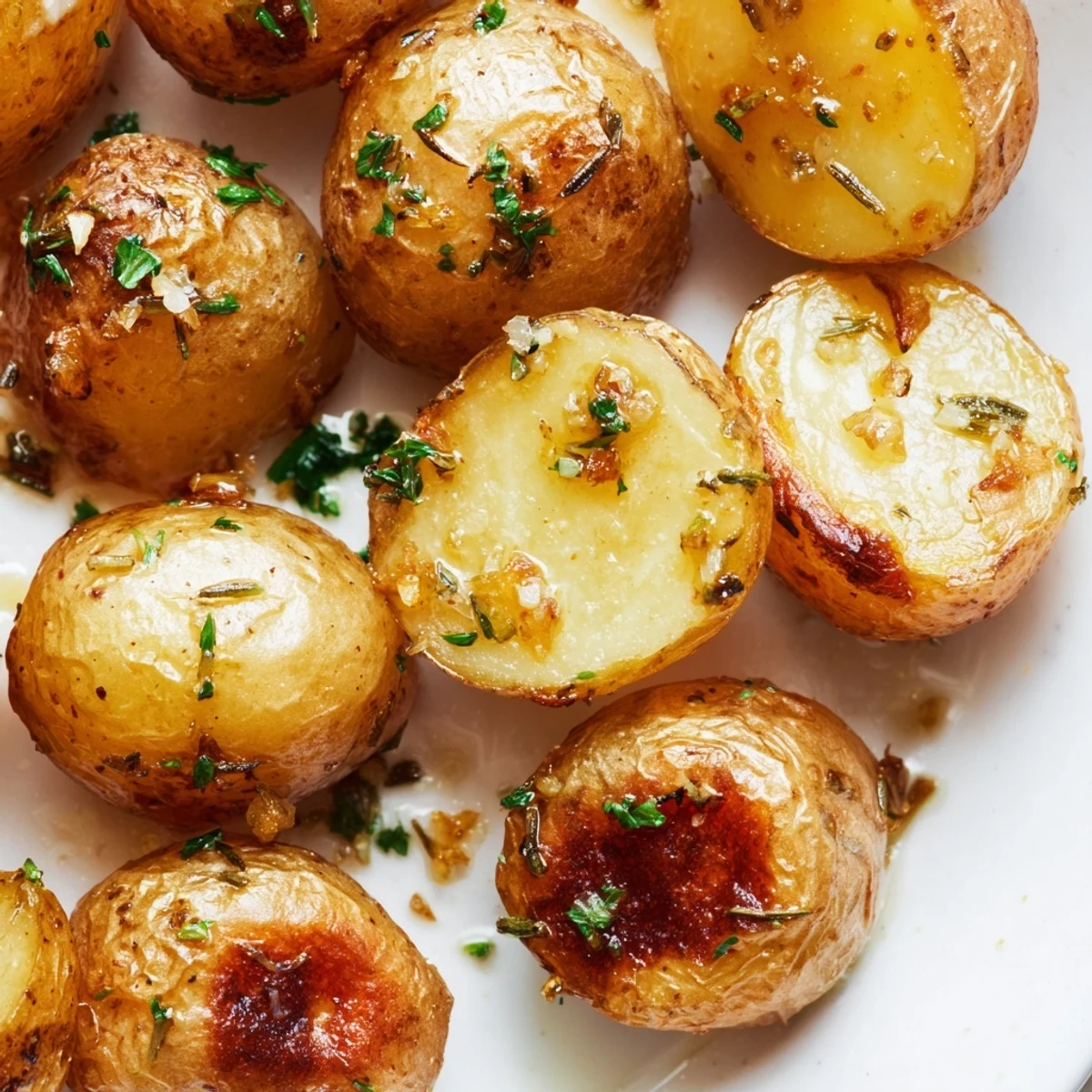
 These baby potatoes are halved and coated with olive oil, fresh rosemary, thyme, garlic, salt, and pepper before roasting at 425°F. Roasting creates a crispy outside with a creamy interior, finished with chopped parsley for a fresh touch. Ideal as a versatile, flavorful side that complements a variety of meals.
There's something about the smell of roasting potatoes and fresh herbs that fills a kitchen with instant comfort. I discovered this recipe on an ordinary Tuesday evening when I had exactly these ingredients on hand and no real plan beyond making dinner taste like someone cared. The moment those golden, crispy-edged potatoes came out of the oven, I knew I'd stumbled onto something worth repeating—something that tastes fancy but asks almost nothing of you.
I made these for my sister's birthday dinner last spring, and she asked for the recipe before she'd even finished eating. That's when I realized these weren't just potatoes—they were the kind of simple dish that people remember, the one they ask you to bring to gatherings, the side that somehow becomes the main event on the plate.
Ingredients
- Baby potatoes, halved (1.5 lbs): Use the smallest ones you can find—they roast evenly and the cut sides get beautifully golden. Halving them increases surface area, which means more crispy edges, so don't skip that step.
- Fresh rosemary (2 tbsp): This is the herb that makes the whole dish sing, especially when it gets toasty in the oven. Strip the leaves from the stems and chop them fine so they distribute evenly.
- Fresh thyme (2 tbsp): Thyme brings an earthiness that rosemary alone can't achieve, and it crisps up beautifully as it roasts.
- Fresh parsley (2 tbsp): Add this at the end so it stays bright and fresh, a green finish that catches the light.
- Garlic cloves, minced (3): Mince them small so they toast into sweet, golden bits rather than staying harsh and raw.
- Olive oil (3 tbsp): This is what creates the crispy exterior, so don't skimp here. Good olive oil makes the difference.
- Sea salt and freshly ground black pepper: These seem simple, but fresh pepper matters—pre-ground loses its punch over time.
Instructions
- Heat your oven and prep:
- Get the oven to 425°F and line your baking sheet with parchment paper. A hot oven is non-negotiable here—you want those potatoes to sear the moment they hit the pan. Cold parchment paper prevents sticking without the worry of scrubbing later.
- Coat everything evenly:
- Toss your potato halves with the olive oil, herbs, garlic, salt, and pepper in a large bowl until every piece glistens with oil and gets dotted with herbs. This is meditative—take your time and make sure nothing hides at the bottom of the bowl.
- Arrange them cut-side down:
- Lay the potatoes on the sheet in a single layer, cut-side down, and resist the urge to move them around. That contact with the hot pan is what creates the golden crust you're after. Leave them undisturbed for the first 12 minutes or so.
- Roast with one flip:
- After 15 minutes, give them one gentle flip so the other side gets golden too. You'll know they're done when a fork slides through easily and the edges have darkened to a deep, appetizing bronze.
- Finish with fresh herb brightness:
- Right before serving, scatter fresh parsley over the top. This adds a pop of color and a fresh herbal note that balances the deep roasted flavors underneath.
 Save to Pinterest
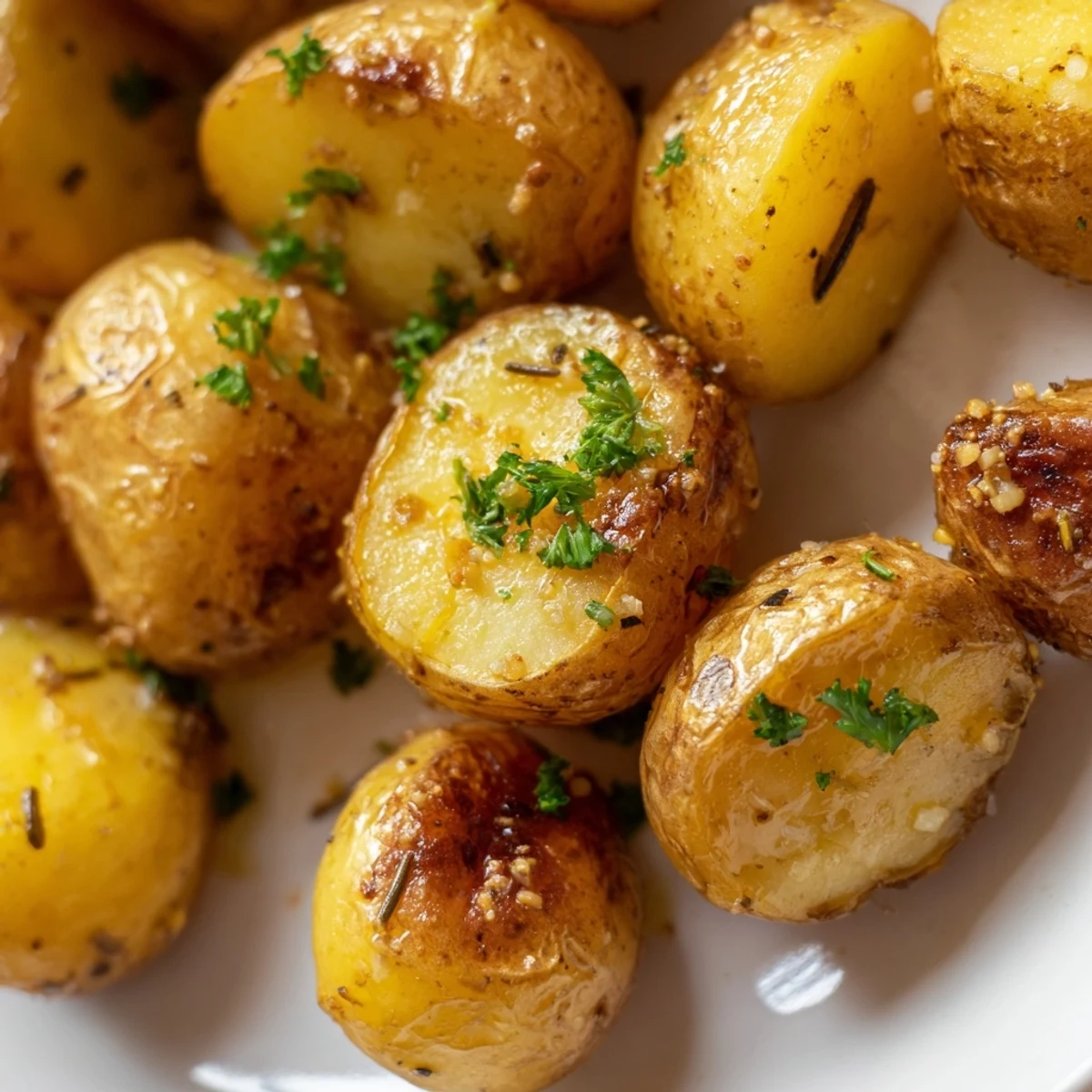
 These potatoes have become the dish that gets me invitations to potlucks and asks for the recipe at dinner parties. There's something deeply satisfying about serving something so beautiful and flavorful while staying honest about how little stress it caused you.
When Dried Herbs Are Your Reality
Life happens, and fresh herbs don't always make it to your kitchen. If you're working with what you have, substitute dried herbs at about one-third the amount—so 2 tablespoons fresh becomes roughly ½ to ¾ teaspoon dried. Add dried herbs at the beginning of roasting so they have time to rehydrate and bloom in the heat, unlike fresh herbs which you'd save for the end.
What Makes These a Perfect Side
These roasted potatoes play beautifully with almost anything on your plate. They're sturdy enough to hold their own next to a perfectly roasted chicken or grilled steak, but equally at home on a vegetarian spread where they anchor the meal with their earthiness and warmth. I've served them at casual weeknight dinners and elegant celebrations, and they've worked in both settings without apology.
Small Choices That Matter
The quality of your olive oil, the size of your garlic mince, the arrangement of potatoes on the pan—these small choices are where cooking becomes personal. You're not just following steps; you're making decisions that shape how this dish tastes and feels.
- Pat the potatoes completely dry after soaking—any water clinging to them will steam rather than roast.
- Use parchment paper to avoid scrubbing, and you'll be more likely to make these again soon.
- Taste as you season, remembering that salt brings out the herbaceous notes in a way that feels almost magical.
 Save to Pinterest
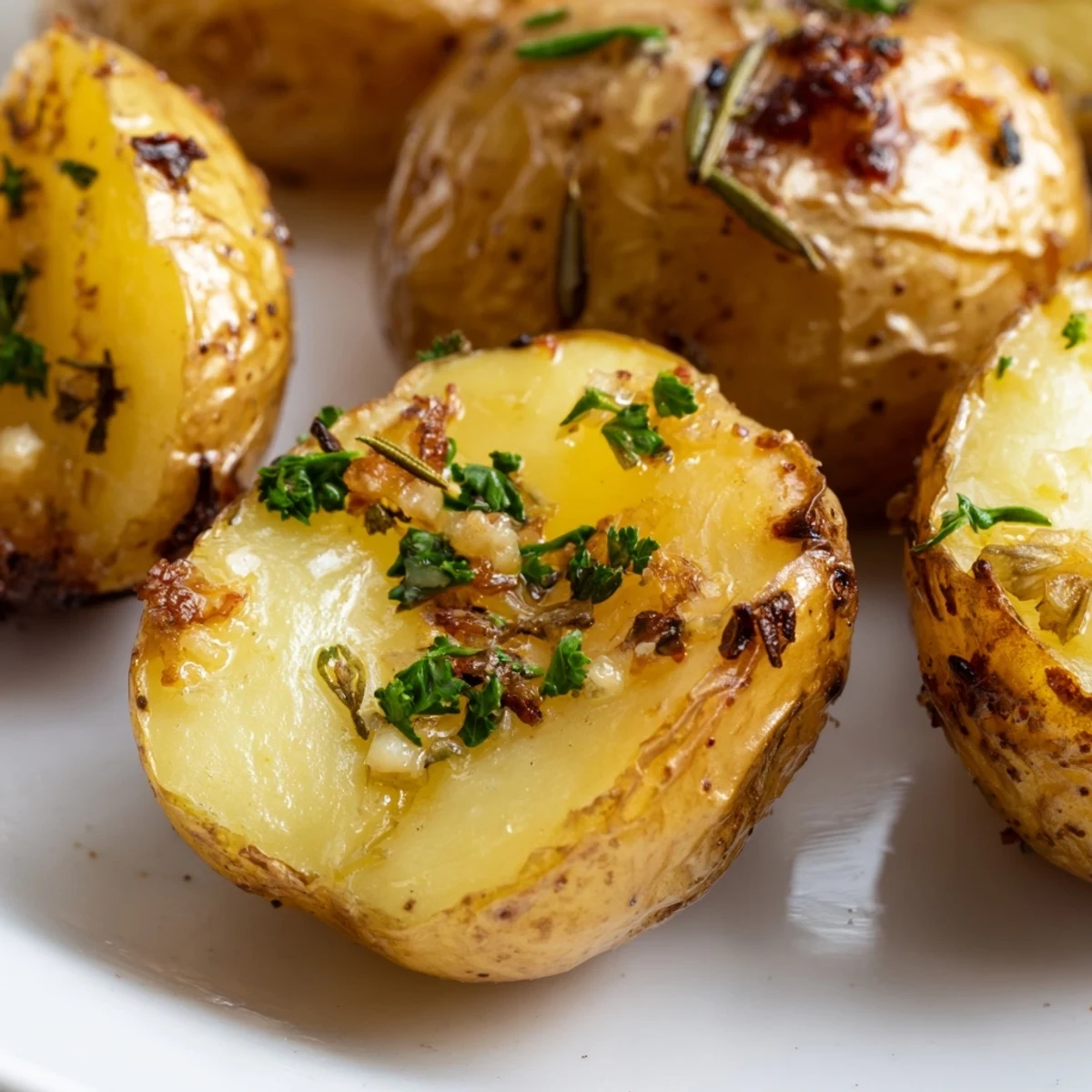
 These herb roasted baby potatoes remind me that the best dishes are often the simplest ones, built on good ingredients and a little attention. Make them soon, and they'll likely become a rotation in your kitchen like they have in mine.
Recipe FAQs
- → How do I achieve crispy skin on the potatoes?
-
Ensure the potatoes are well coated in olive oil and roasted at a high temperature (425°F). Turning them halfway helps even browning and crispiness.
- → Can I use dried herbs instead of fresh?
-
Yes, substitute 1 teaspoon of dried herbs for 1 tablespoon of fresh herbs to maintain the flavor balance.
- → Should I soak the potatoes before roasting?
-
Soaking halved potatoes in cold water for 20 minutes before roasting removes excess starch and enhances crispiness after drying.
- → What sides pair well with these potatoes?
-
They complement roast chicken, grilled meats, or a vegetarian spread nicely, adding a herbaceous, crispy element.
- → Are these suitable for special diets?
-
Yes, they are vegetarian, gluten-free, and contain no common allergens, making them versatile for many dietary needs.