
 Save to Pinterest
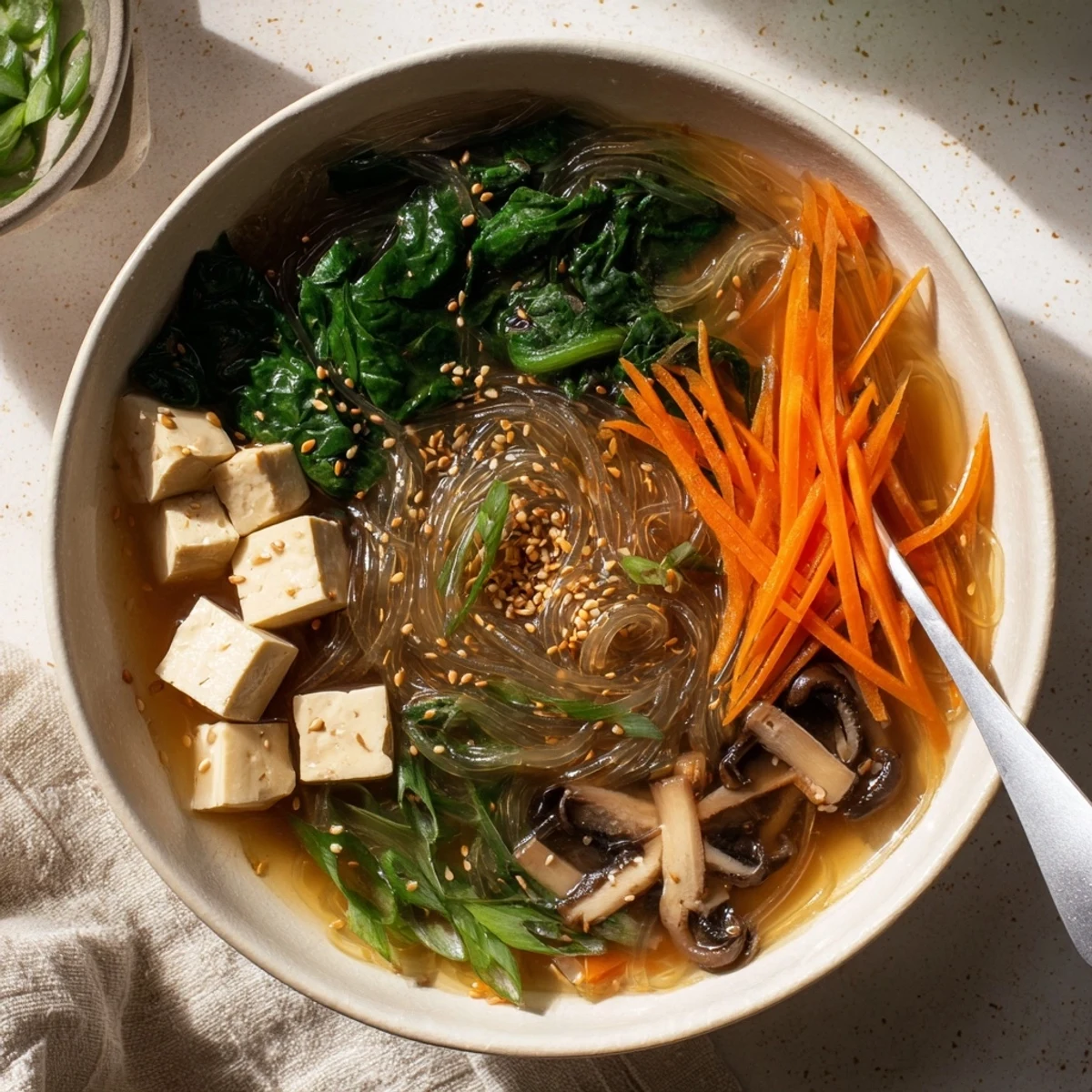
 This Japanese-style soup combines delicate translucent glass noodles with a warming dashi broth, fresh vegetables, and optional tofu. The dish comes together in just 25 minutes, making it perfect for busy weeknights when you want something nourishing yet light.
The broth gets its depth from soy sauce, mirin, and a touch of sesame oil, while julienned carrots, shiitake mushrooms, and leafy greens add texture and nutrition. The harusame noodles soak up the flavorful broth beautifully, creating a satisfying bowl that's both healthy and comforting.
Perfect as a starter or a light main course, this soup is naturally dairy-free and low in fat. You can easily customize it with your favorite vegetables or add protein like chicken or shrimp for a more substantial meal.
My first taste of harusame soup came during a rainy afternoon in a tiny Tokyo shop tucked between a laundry mat and a flower stand. The noodles, translucent as they swirled in the amber broth, fascinated me completely. The shop owner noticed my curiosity and simply said 'they drink everything' while pointing at the soup. That afternoon taught me that sometimes the most delicate dishes carry the deepest comfort.
Last winter, my neighbor recovering from surgery mentioned craving soup but not the heavy stuff. I brought over a batch of this, watching her face light up at the first sip. She asked for the recipe before the bowl was even half empty, and now it is our go to for anyone needing gentle nourishment.
Ingredients
- Dashi stock (5 cups): The foundation of umami that makes Japanese soup sing. Homemade dashi is lovely but a good quality broth works perfectly fine.
- Soy sauce (2 tbsp): Use a naturally brewed soy sauce for deeper flavor complexity. Adjust the amount based on your sodium preference.
- Mirin (1 tbsp): This sweet rice wine adds a gentle sweetness that balances the salty elements. A splash of dry sherry can substitute in a pinch.
- Sesame oil (1 tsp): Toasted sesame oil adds a subtle nutty aroma at the finish. A little goes a long way so do not overdo it.
- Harusame noodles (100 g): These mung bean glass noodles are delicate and translucent. Soak them in boiling water rather than boiling directly to prevent them from becoming gummy.
- Carrot (1 medium, julienned): Cut into thin matchsticks for quick cooking and pretty color. They add natural sweetness and a satisfying crunch.
- Shiitake mushrooms (100 g): Fresh shiitakes bring earthy depth and meaty texture. Wipe them clean with a damp cloth rather than running under water.
- Baby spinach or bok choy (60 g): Added at the very last minute to maintain vibrant green color. Baby spinach wilts almost instantly while bok choy needs just a minute more.
- Firm tofu (100 g, optional): Adds protein without overpowering the delicate broth. Press it briefly so the cubes hold their shape better.
- Toasted sesame seeds (1 tsp): Toast them in a dry pan for 2 minutes until fragrant. This tiny step makes a massive difference in flavor.
Instructions
- Build the broth base:
- Combine dashi stock, soy sauce, mirin, sesame oil, and salt in a large saucepan over medium heat. Let it come to a gentle simmer, stirring occasionally to dissolve the salt. The aroma should start making your kitchen smell like a Japanese restaurant.
- Soften the vegetables:
- Add the julienned carrots and sliced shiitake mushrooms to the simmering broth. Let them cook for about 5 minutes until the carrots start becoming tender. They should still have a slight bite for texture contrast.
- Warm the tofu:
- If using tofu, add the cubes now and let them simmer for 2 minutes. This heats them through without breaking them apart. The broth will start taking on a slightly creamier appearance.
- Prepare the noodles:
- Place the harusame noodles in a heatproof bowl and cover with boiling water. Let them soak for 4 to 5 minutes, tasting occasionally until they are tender. Drain well and divide among four serving bowls.
- Add the greens:
- Drop the spinach or bok choy into the hot broth and cook for just 1 minute. You want them wilted but still bright green. Overcooking makes them sad and limp.
- Assemble and serve:
- Ladle the hot broth with all the vegetables and tofu over the noodles in each bowl. The hot liquid will warm the noodles through as it sits. Garnish generously with toasted sesame seeds and extra spring onion. Serve immediately while steam is still rising from the bowls.
 Save to Pinterest
 This soup has become my late night comfort after chaotic days. There is something about the ritual of arranging vegetables in hot broth that slows my racing thoughts. The first sip always feels like a deep breath for my soul.
Making It Your Own
The beauty of this soup lies in its adaptability to whatever you have on hand. I have made versions with leftover roasted chicken, frozen corn kernels, even thinly sliced cabbage when the spinach had gone bad. The key is keeping the cooking times short so everything maintains its individual character rather than becoming a uniform mush.
Broth Variations
While traditional dashi provides the most authentic flavor profile, I often use mushroom broth for extra earthiness or a light vegetable broth for something even cleaner. Once I added a piece of kombu (kelp) during simmering and removed it before serving, which deepened the umami significantly. A splash of good quality fish sauce can also work wonders if you are out of soy sauce, though the flavor profile shifts slightly.
Perfecting The Texture Balance
The magic of this soup comes from having multiple textures in every spoonful. You want the slight crunch of carrots, the silkiness of tofu, the slippery noodles, and the tender greens all playing together. The broth should be clear and delicate, not thickened or cloudy.
- Cut vegetables into uniform sizes so everything finishes cooking at the same time
- Toast extra sesame seeds in batch and store them for easy garnishing
- Keep the broth at a gentle simmer rather than a rolling boil to maintain clarity
 Save to Pinterest
 Some recipes are about technique and precision while others are about comfort and sustenance. This soup somehow manages to be both, which might be exactly why it keeps calling me back to the kitchen.
Recipe FAQs
- → What are harusame noodles?
-
Harusame are Japanese glass noodles made from mung bean starch, potato starch, or sweet potato starch. They're translucent, gluten-free, and have a delicate texture that works perfectly in soups. When cooked, they become slightly slippery and absorb flavors beautifully.
- → Can I make this soup vegetarian?
-
Yes, simply substitute the dashi stock with vegetable broth. Traditional dashi is made with bonito flakes (fish), but many Japanese-style vegetable broths work well as alternatives. The rest of the ingredients are naturally vegetarian-friendly.
- → How do I prevent the noodles from getting mushy?
-
Soak the harusame noodles separately in boiling water rather than cooking them directly in the broth. Drain them once tender and divide among serving bowls before ladling the hot soup over. This keeps the noodles perfectly textured and prevents them from becoming overly soft.
- → What vegetables work well in this soup?
-
Beyond carrots and shiitake mushrooms, try adding enoki mushrooms, sliced bamboo shoots, snow peas, or napa cabbage. Leafy greens like spinach, bok choy, or baby kale work beautifully added in the last minute of cooking. For extra crunch, consider water chestnuts or bean sprouts.
- → Can I make this ahead of time?
-
The broth and vegetables can be prepared a day in advance and stored in the refrigerator. However, cook the noodles fresh before serving as they can become mushy when reheated. Reheat the broth gently and add freshly cooked noodles when ready to serve.
- → Is this soup gluten-free?
-
Harusame noodles are naturally gluten-free, but you need to check the packaging as some brands may process them in facilities with wheat. Ensure your soy sauce is gluten-free (tamari is a good substitute), and verify that your dashi or broth doesn't contain wheat-based additives.