
 Save to Pinterest
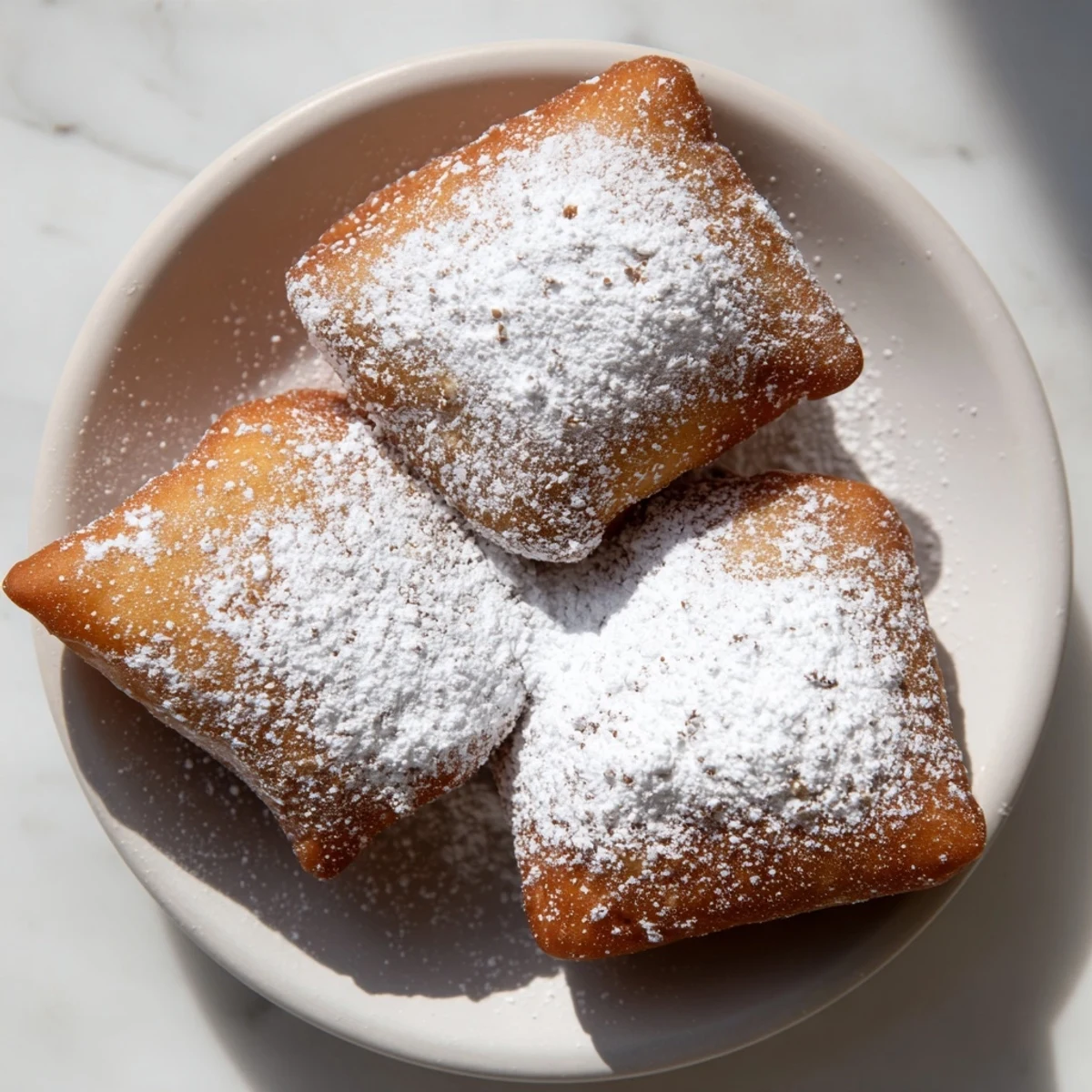
 Experience the classic taste of New Orleans with these light, airy beignets. The dough, enriched with yeast, egg, and butter, is allowed to rise before being rolled, cut, and deep-fried to a golden crisp. Finished with a generous dusting of powdered sugar, each bite offers a delightful balance of crisp exterior and soft interior. Ideal as a sweet treat, these beignets pair perfectly with café au lait for that authentic French Quarter feel.
The first time I bit into a warm beignet in New Orleans, powdered sugar snowed down my shirt and I didn't even care. My husband and I had ducked into Café du Monde during a sudden downpour, and somehow those hot, pillowy squares made getting completely drenched feel like part of the adventure. Now whenever rain taps against our kitchen windows, I find myself reaching for the yeast jar.
My sister visited last fall and watched me make these, noting how I still get giddy watching them puff up in the hot oil like magic balloons. We ate so many standing over the counter, sugar coating our fingers and lips, that we nearly ruined our dinner. Some traditions are worth breaking appetite for.
Ingredients
- All-purpose flour: This creates the perfect structure for those characteristic air pockets inside, and I've found that measuring by weight gives the most consistent results
- Warm whole milk: The warmth activates your yeast properly, and whole milk adds a richness that makes these feel indulgent without being heavy
- Active dry yeast: One packet is exactly what you need for that perfect rise, and letting it get properly foamy is your insurance policy against flat beignets
- Granulated sugar: This feeds the yeast and adds just enough sweetness to the dough itself, balancing the generous powdered sugar coating later
- Large egg: Adds structure and richness to the dough, helping create that tender crumb that distinguishes great beignets from okay ones
- Unsalted butter: Melted butter incorporates more evenly into the dough and adds that subtle depth of flavor that keeps you coming back for one more
- Salt: Don't skip this, even for a sweet recipe, it's what balances all that sugar and makes the flavors pop
- Vanilla extract: Pure vanilla adds a warm aromatic note that rounds out the sweetness and makes these taste like they came from a bakery
- Vegetable oil: You need enough oil to comfortably float the beignets, and neutral oil lets that buttery vanilla flavor shine through
- Powdered sugar: Be generous here, that signature dusting is half the experience and what makes eating them feel like such a celebration
Instructions
- Wake up the yeast:
- Combine your warm milk, sugar, and yeast in a small bowl, then walk away for 5-10 minutes until you see a foamy layer on top, which tells you it's alive and ready to work
- Build your dough base:
- Whisk the flour and salt together in a large bowl, then pour in that bubbly yeast mixture along with the egg, melted butter, and vanilla extract
- Bring it together:
- Mix everything until a sticky dough forms, then turn it out onto a floured surface and knead for about 5 minutes until it feels smooth and elastic, transforming from shaggy to silky
- Let it rise:
- Place your dough in a greased bowl, cover it with a towel, and find a warm corner where it can rise for 1 to 1.5 hours until it's doubled in size and puffy to the touch
- Shape the squares:
- Roll the dough out to a half-inch thickness on a floured surface, then use a sharp knife or pizza cutter to cut 2.5 to 3 inch squares, working efficiently so the dough doesn't puff up too much before frying
- Heat your oil:
- Pour vegetable oil into a deep pot or fryer and bring it to 350 degrees Fahrenheit, using a thermometer if you have one since this temperature is crucial for proper cooking
- Fry to golden perfection:
- Carefully drop 3 or 4 beignets into the hot oil at a time, frying for 2 to 3 minutes per side until they're puffed and gorgeously golden brown, turning once halfway through
- Drain and dust:
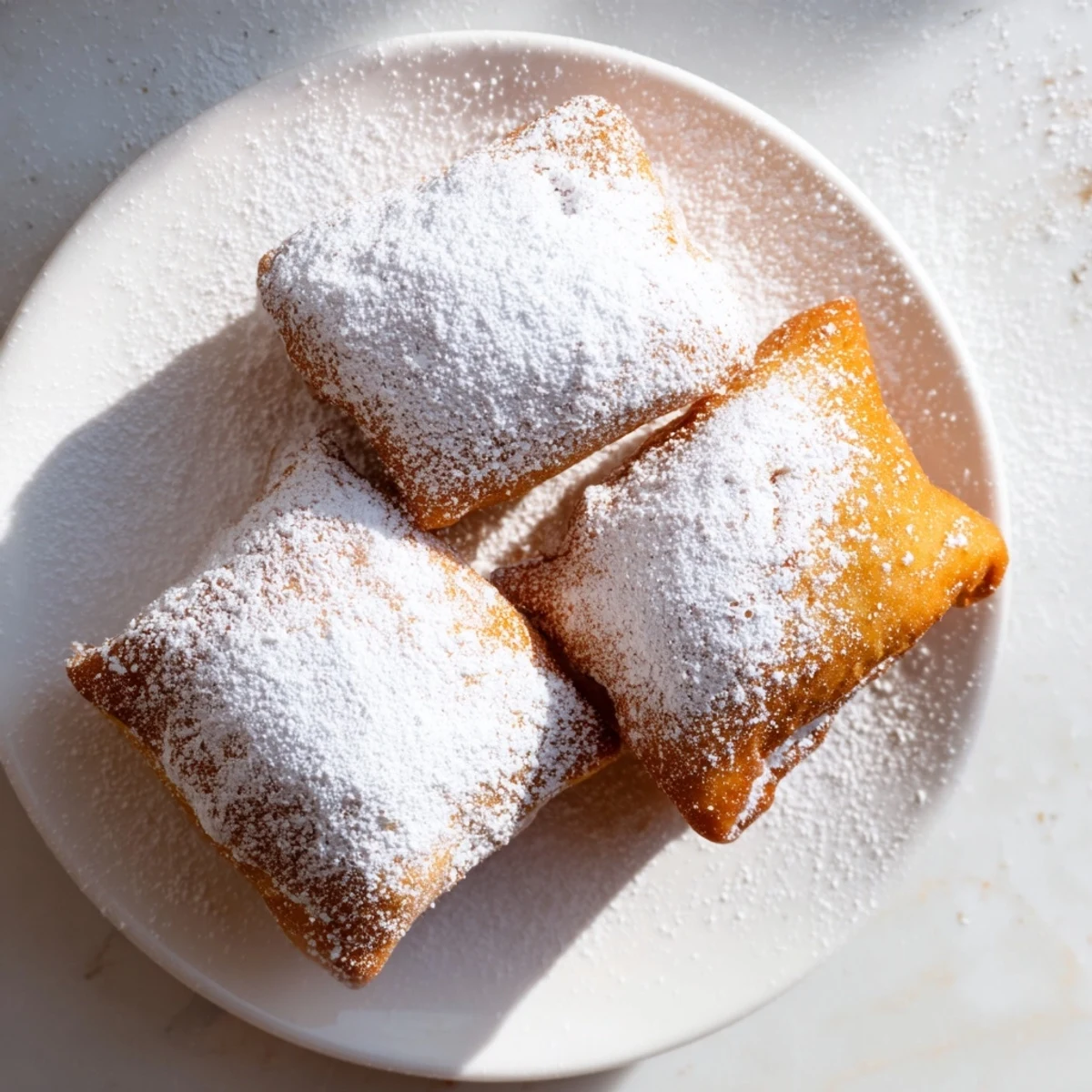
- Lift them out with a slotted spoon, let excess oil drip off, then drain on paper towels for just a moment before dusting generously with powdered sugar while they're still warm
 Save to Pinterest
 These have become our snow day tradition, when the world outside is quiet and white and the kitchen feels like the coziest place on earth. Something about watching them bob in the hot oil, then biting through that crisp sugar crust into steaming soft center, makes everything feel right.
Getting The Perfect Rise
Yeast can be finicky, but I've found that kitchen temperature makes more difference than people realize. In winter, I sometimes preheat my oven for just a minute, turn it off, then let the dough rise in that gentle warmth. It's like giving your dough a little blanket.
Frying Like A Pro
Don't crowd your pot, even if you're impatient to eat them all immediately. I fry three or four at a time tops, which keeps the oil temperature stable and ensures each beignet gets enough room to puff properly. Good things really do come to those who wait.
Serving Suggestions
A warm café au lait alongside these beignets makes for the most authentic experience, but honestly they're perfect with any hot drink you love. My kids have started asking for them with hot chocolate on weekend mornings.
- Sift your powdered sugar right over the hot beignets for that picture perfect coating
- Have plates ready because these are best eaten the moment they're cool enough to handle
- Any leftovers can be briefly reheated in a 350 degree oven to recrisp the exterior
 Save to Pinterest
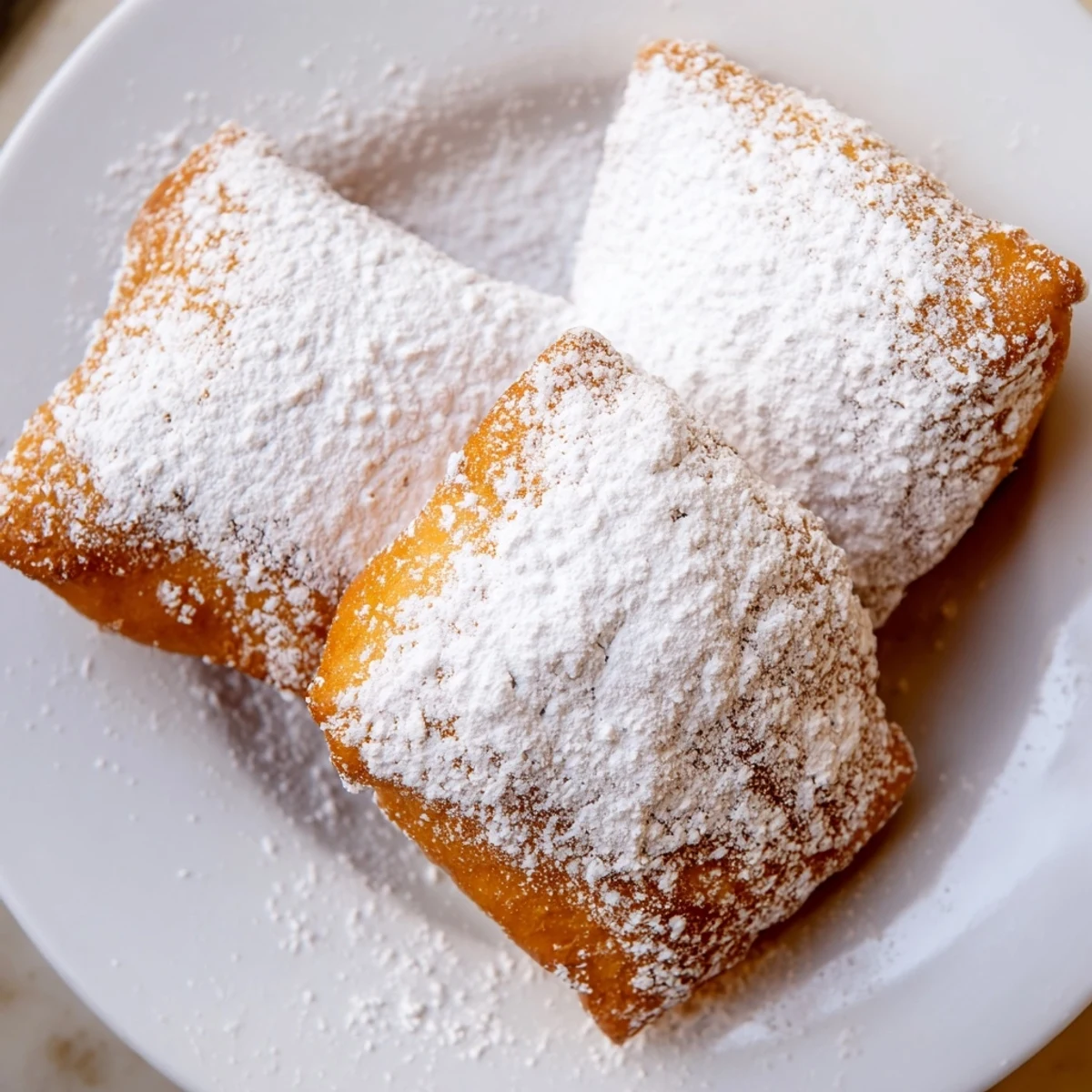
 There's something joyfully messy about making beignets, sugar on your nose and flour on your cheeks, everyone reaching for the warmest ones. That's exactly how food should make you feel.
Recipe FAQs
- → What makes beignets light and airy?
-
The combination of yeast fermentation, proper dough kneading, and adequate rising time creates a fluffy interior with a crisp exterior when fried.
- → Can I add spices to the dough?
-
Yes, adding a pinch of nutmeg or cinnamon enhances flavor and adds warmth to the dough without overpowering the traditional profile.
- → What oil is best for frying beignets?
-
Vegetable oil with a high smoke point is ideal for deep frying, ensuring even cooking and a golden crust.
- → How do I know when the oil is ready for frying?
-
Heat the oil to about 350°F (175°C); the surface should shimmer and a small piece of dough will rise quickly and turn golden.
- → Can leftovers be reheated without losing texture?
-
Reheat briefly in a warm oven to maintain crispness; avoid microwaving to prevent sogginess.