
 Save to Pinterest
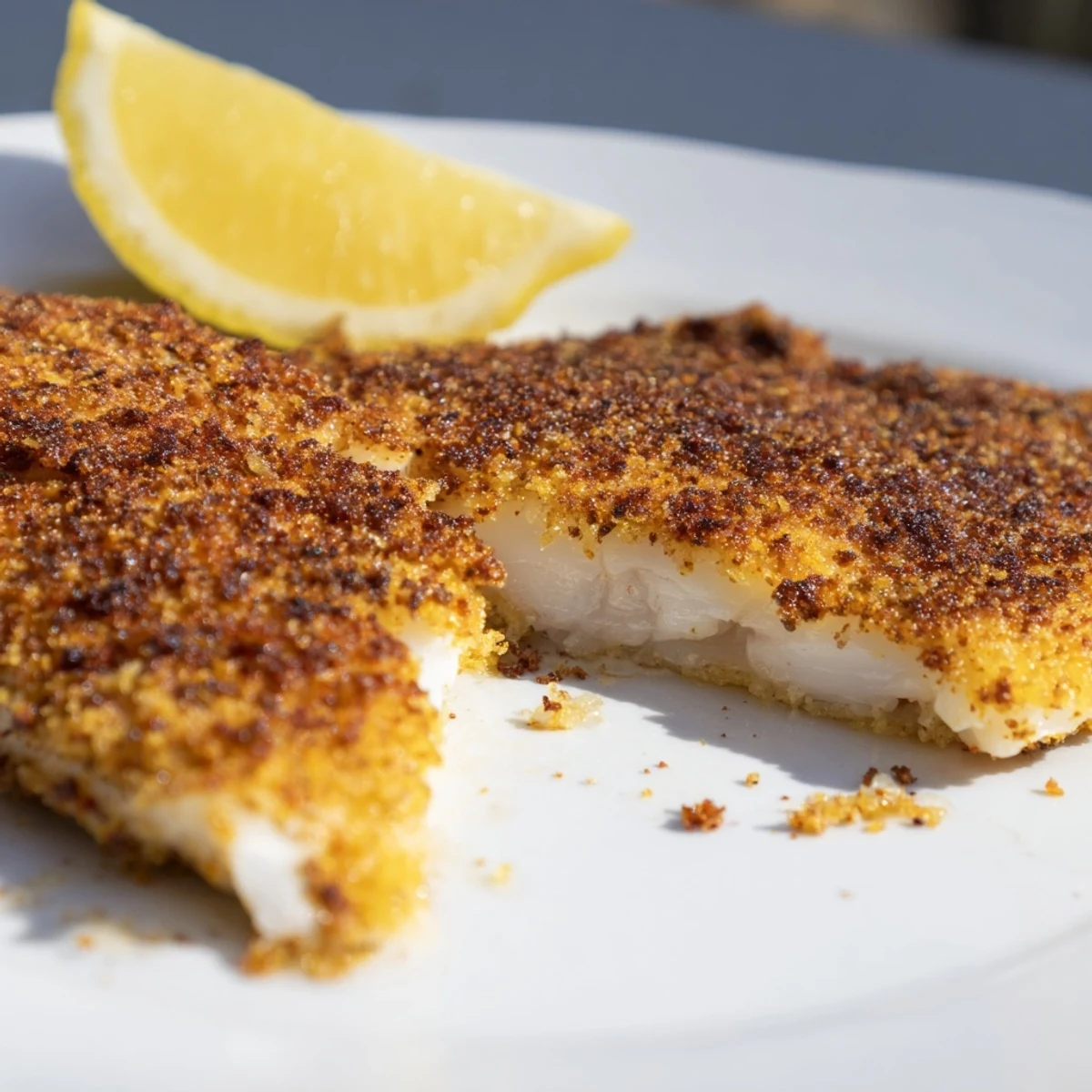
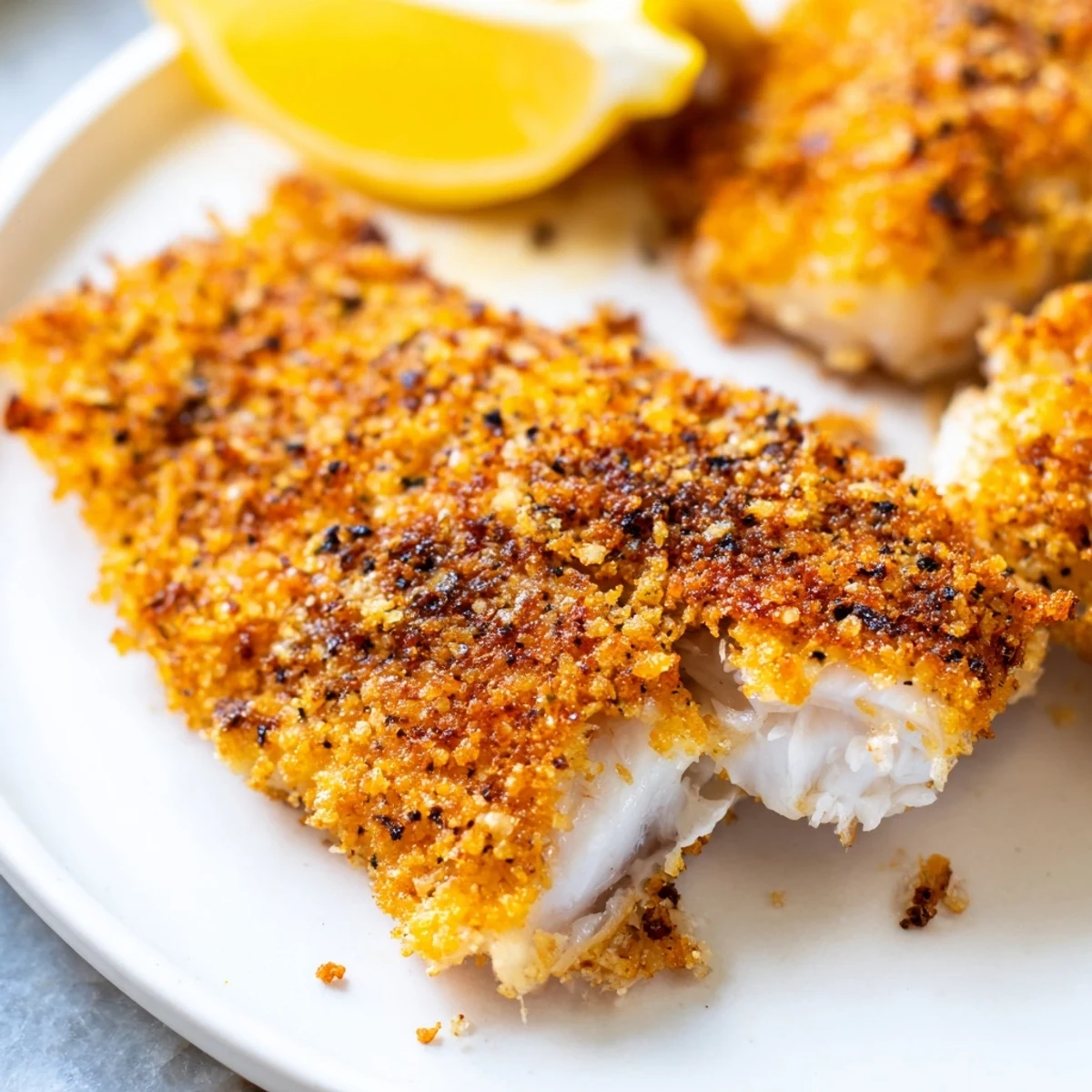
 This pan-fried tilapia delivers perfectly golden, crispy fillets in just 20 minutes from start to finish. The mild white fish gets a generous coating of paprika, garlic, and onion powder, creating a flavorful crust when seared in olive oil or butter.
With only 210 calories and 32 grams of protein per serving, it's an excellent choice for a light yet satisfying main course. The optional cornmeal dredge adds extra crunch without weighing it down.
Serve alongside steamed vegetables, a fresh salad, or rice for a complete meal the whole family will enjoy.
The sizzle of fish hitting a hot skillet on a Tuesday evening is one of those small sounds that makes a kitchen feel alive. My neighbor brought over four tilapia fillets one evening after a fishing trip gone wrong, and I had dinner on the table twenty minutes later. That night turned into a standing Wednesday dinner tradition that lasted all summer.
Cooking fish for people who claim they do not like fish became my personal challenge, and this recipe won over my father in law who grew up refusing anything from the water. He now asks for it by name.
Ingredients
- 4 tilapia fillets (about 150g each), patted dry: Patting them dry is the single step that separates a soggy fillet from a golden crust, so take the extra thirty seconds with paper towels.
- 1 tsp salt: Kosher salt distributes more evenly than table salt and gives you better control over the seasoning.
- 1/2 tsp freshly ground black pepper: Freshly ground has a brighter warmth compared to the dusty taste of pre-ground pepper.
- 1/2 tsp paprika: This adds a subtle sweetness and that beautiful golden color that makes the dish look as good as it tastes.
- 1/4 tsp garlic powder: Garlic powder adheres to the fish better than fresh garlic and will not burn in the hot pan.
- 1/4 tsp onion powder: Combined with the garlic powder, it creates a savory base that makes the seasoning taste more complex than it actually is.
- 1/4 cup cornmeal or gluten free flour (optional): This thin coating creates an irresistible crunch that elevates the entire dish with almost no extra effort.
- 2 tbsp olive oil or unsalted butter: Butter gives a richer flavor but olive oil handles higher heat better, and combining both is my favorite compromise.
- 1 lemon, cut into wedges: A squeeze of fresh lemon at the end brightens every single bite and cuts through the richness beautifully.
Instructions
- Mix Your Seasoning Blend:
- In a small bowl, combine the salt, pepper, paprika, garlic powder, and onion powder, stirring with your fingers until the color is uniform. The paprika should tint the whole mixture a warm rusty orange.
- Season the Fillets:
- Sprinkle both sides of each tilapia fillet evenly with the seasoning mix, pressing it gently into the flesh so it adheres. Take a moment to make sure the edges get coated too since that is where the best crust forms.
- Add the Optional Coating:
- If you want extra crunch, lightly dredge each seasoned fillet in cornmeal or gluten free flour, then shake off the excess by tapping the fillet against your palm. Too much coating turns gummy, so less is genuinely more here.
- Heat the Pan:
- Heat olive oil or butter in a large nonstick skillet over medium high heat until the oil shimmers and a tiny pinch of seasoning sizzles on contact. This is the moment where patience pays off because a properly hot pan is everything.
- Cook the First Side:
- Lay the fillets in the pan carefully, working in batches if needed to avoid crowding, and let them cook undisturbed for three to four minutes until golden and the fish releases easily from the pan. Resist the urge to peek or move them because the crust is forming beneath.
- Flip and Finish:
- Flip each fillet gently using a fish spatula and cook another two to three minutes until the flesh is completely opaque and flakes easily when pressed with a fork. The second side always cooks faster than the first.
- Serve Immediately:
- Transfer to warm plates and hand everyone a lemon wedge, because this fish waits for no one and is best the moment it leaves the pan.
 Save to Pinterest
 Somewhere between the second batch and the lemon squeezing, dinner stopped being about the fish and became about the people sitting around the table passing plates and reaching for seconds.
What to Serve Alongside It
Steamed green beans with a little butter and salt, a simple arugula salad dressed with olive oil and lemon, or a pile of fluffy white rice all work beautifully. The fish is mild enough that it appreciates simple sides rather than competing with bold flavors.
Adapting This for Different Fish
Cod, catfish, sole, and even trout fillets all work with this exact method, though thicker fillets like cod may need an extra minute per side. The seasoning blend is universal for lean white fish, so feel free to use whatever looks freshest at the counter.
Wine Pairing and Weeknight Drinks
A glass of Sauvignon Blanc or a dry Riesling sitting cold in the fridge turns a random Tuesday dinner into something that feels deliberate and special. For a spicy variation, add a pinch of cayenne to the seasoning blend and pair it with a cold beer instead.
- Keep a lemon at room temperature rather than refrigerated because it yields more juice when you need it.
- A fish spatula with a thin flexible blade is worth owning because it slides under delicate fillets without breaking them.
- Leftover fish flakes beautifully into a salad the next day, so making extra is never a mistake.
 Save to Pinterest
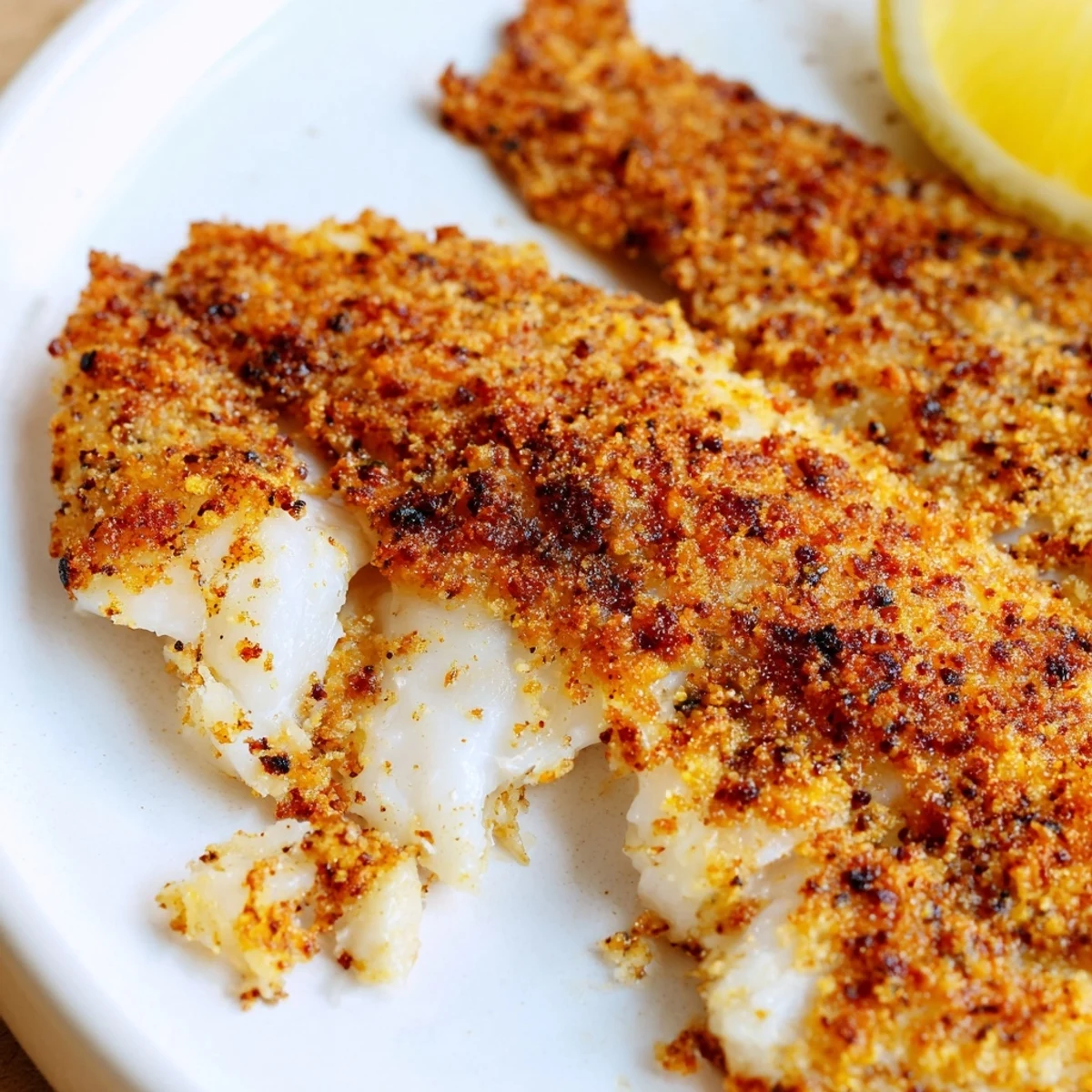
 This is the kind of recipe that stays with you because it reminds you that good food does not require complexity, just a hot pan and a little attention.
Recipe FAQs
- → How do I know when pan-fried tilapia is fully cooked?
-
Tilapia is done when the flesh turns completely opaque and flakes easily with a fork. The internal temperature should reach 145°F (63°C). Typically, this takes about 3–4 minutes on the first side and 2–3 minutes after flipping.
- → Should I use oil or butter for pan-frying tilapia?
-
Both work well. Olive oil provides a higher smoke point and cleaner sear, while butter adds richness and a nutty flavor. You can also use a combination of both — start with oil and add a knob of butter toward the end for basting.
- → Do I need to dredge tilapia in flour or cornmeal?
-
No, dredging is optional. The seasoning alone creates great flavor. However, a light coating of cornmeal or gluten-free flour adds an extra crispy texture that many people prefer.
- → Can I use frozen tilapia fillets?
-
Yes, but thaw them completely first and pat thoroughly dry with paper towels. Excess moisture prevents a good sear and can cause the fish to steam rather than fry.
- → What sides go well with pan-fried tilapia?
-
Steamed vegetables, mixed green salads, rice pilaf, roasted potatoes, or couscous all pair beautifully. A squeeze of fresh lemon over the fillets ties everything together.
- → What can I substitute for tilapia?
-
Cod, catfish, sole, flounder, or mahi-mahi work well with the same seasoning and cooking method. Adjust cooking time slightly based on fillet thickness.