
 Save to Pinterest
 Create authentic bakery-style bagels using active sourdough starter for that distinctive tangy flavor and chewy texture. The overnight fermentation develops complex flavors while creating the perfect interior crumb structure.
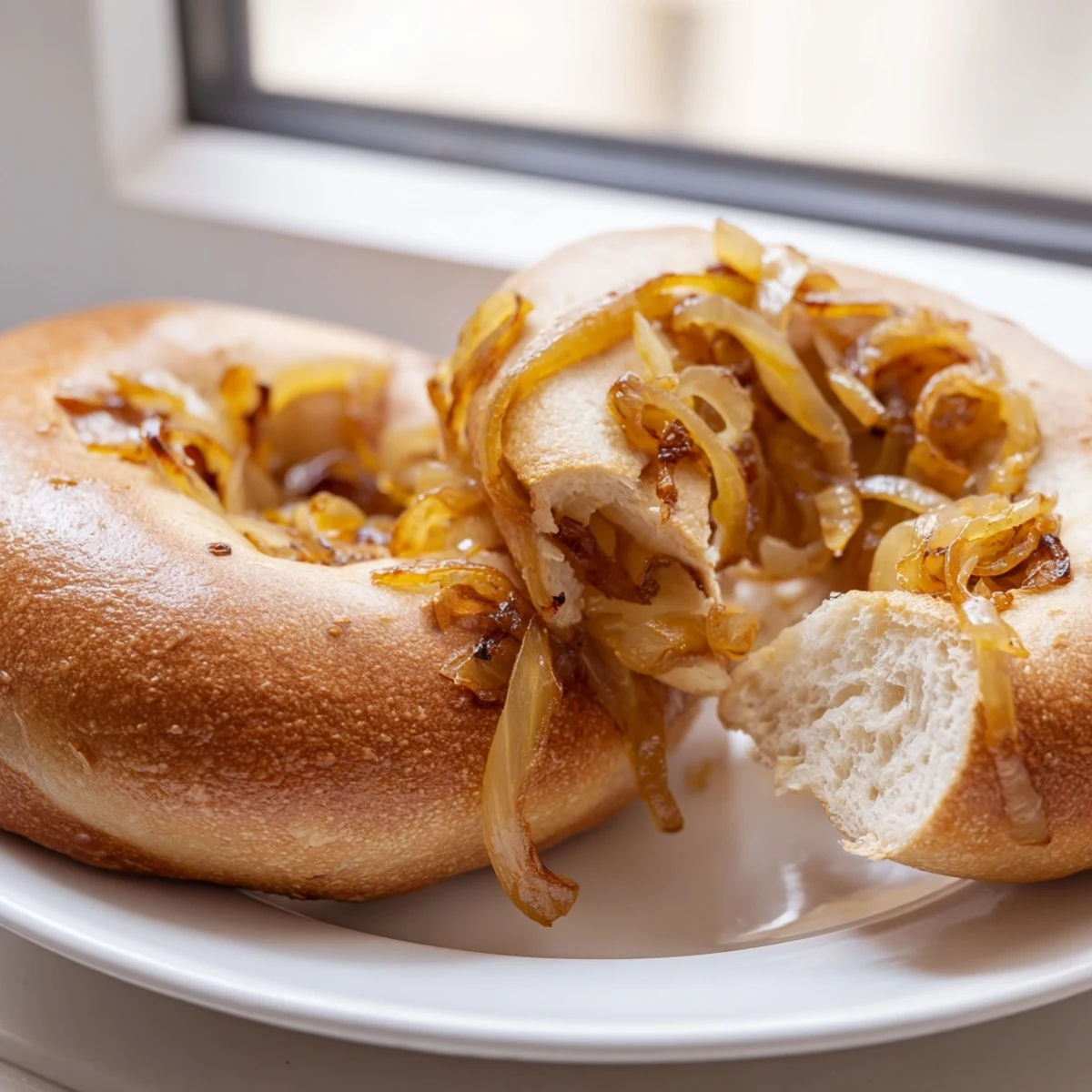
Caramelized onions add a savory-sweet dimension that pairs beautifully with the nutty whole wheat notes. The traditional boiling method ensures that characteristic shiny crust and satisfying chew.
These bagels freeze exceptionally well, making them ideal for meal prep. Simply slice before freezing and toast straight from frozen for a quick, satisfying breakfast anytime.
My tiny apartment filled with the most incredible smell when I first attempted these sourdough onion bagels. The onions caramelized slowly while the dough developed its tangy complexity, creating something that felt like magic. Now they're the one thing my friends specifically request when they come over for weekend breakfast. There's something deeply satisfying about turning simple ingredients into bakery-worthy bread.
Last Sunday morning, I pulled these from the oven just as my sister arrived with coffee. She took one bite and immediately asked for the recipe, declaring them better than our favorite bakery downtown. We sat at the counter with warm bagels, cream cheese, and that comfortable silence that comes from sharing truly good food.
Ingredients
- Active sourdough starter: Use a starter that's been fed within the last 8-12 hours for best rise and flavor
- Bread flour: Higher protein content gives bagels their signature chewy texture
- Whole wheat flour: Adds depth and nuttiness without overpowering the sourdough
- Warm water: Should feel like bath temperature, about 95°F, to activate the starter
- Honey: Feeds the yeast and adds subtle sweetness that balances the tang
- Fine sea salt: Essential for flavor and strengthening the gluten structure
- Yellow onion: Thinly sliced for even caramelization and maximum coverage
- Olive oil: Helps onions cook evenly without burning
- Barley malt syrup: The secret to that authentic bagel shine and chew, though honey works
Instructions
- Caramelize the onions slowly:
- Heat olive oil in a skillet over medium-low heat, add sliced onions and salt, then cook patiently for 20-25 minutes until they're deep golden and sweet. Let them cool completely while you make the dough.
- Mix your dough base:
- Combine sourdough starter, warm water, and honey in a large bowl until the starter dissolves. Add both flours and salt, mixing until a rough, shaggy dough forms.
- Work the gluten:
- Knead on a lightly floured surface for 8-10 minutes until the dough feels smooth, elastic, and springs back when pressed. Place in an oiled bowl, cover, and let rest 4-6 hours until doubled.
- Shape with confidence:
- Divide dough into 8 equal pieces, roll each into a tight ball, then poke your thumb through the center to create a hole. Gently stretch to form a 2-inch opening, arranging on parchment paper.
- Time enhances flavor:
- Cover loosely and proof at room temperature for 1 hour, then refrigerate overnight for 8-12 hours. This cold proof is crucial for that authentic sourdough tang.
- Boil for the perfect texture:
- Preheat oven to 425°F. Bring water and malt syrup to a gentle boil, then cook each bagel 45 seconds per side. The boiling gelatinizes the surface, creating that signature chewy crust.
- Bake to golden perfection:
- Return boiled bagels to the baking sheet, pressing caramelized onions gently into the tops. Bake 20-25 minutes until deeply golden and crisp, then cool completely on a wire rack.
 Save to Pinterest
 These bagels have become my go-to gift for new neighbors and housewarming presents. Something about handing someone a bag of homemade bread feels like giving a piece of home. Last month, my neighbor showed up at my door with a jar of homemade jam, returning the favor in the sweetest way possible.
Getting The Onion Coverage Right
I've learned to press the onions firmly onto the bagels right after boiling while the surface is still tacky. They stick better and distribute more evenly this way. Sometimes I'll mix a tiny bit of the cooled onions into the boiling water for an extra layer of flavor that permeates the crust.
Timing Your Baking Schedule
Start these the night before you want them. The long fermentation might feel demanding, but most of that time is hands-off. I usually caramelize onions while watching a movie, then let the dough work its magic overnight. Fresh bagels for breakfast make the planning worth it.
Storage And Serving Suggestions
Slice these horizontally before freezing for easy toasting straight from the freezer. They're fantastic with cream cheese, but try them with melted sharp cheddar or as the base for breakfast sandwiches. The onion flavor pairs beautifully with smoked salmon or a fried egg.
- Room temperature bagels stay fresh for 2 days in a paper bag
- Frozen slices toast directly from frozen, no thawing needed
- Leftover day-old bagels make incredible croutons for French onion soup
 Save to Pinterest
 There's profound joy in pulling a tray of these from the oven, golden and fragrant, knowing you created something this good from scratch. They might just ruin store-bought bagels for you forever.
Recipe FAQs
- → How long does the dough need to ferment?
-
The initial fermentation takes 4-6 hours at room temperature until doubled in size, followed by an overnight refrigeration proof of 8-12 hours. This extended fermentation develops the signature sourdough flavor and improves texture.
- → Can I skip the overnight refrigeration?
-
While you can proof at room temperature for 2 hours instead of refrigerating overnight, the cold fermentation enhances flavor development and makes shaping easier. The bagels will still be delicious but may have a less complex taste profile.
- → Why is barley malt syrup used in the boiling water?
-
Barley malt syrup helps achieve that authentic bakery shine and contributes subtle sweetness. You can substitute with honey or brown sugar, though the flavor profile will vary slightly.
- → What's the best way to store these bagels?
-
Store at room temperature in an airtight bag for up to 2 days. For longer storage, slice and freeze in freezer bags for up to 1 month. Toast directly from frozen for best results.
- → Can I use all-purpose flour instead of bread flour?
-
Bread flour provides higher protein content for that characteristic chewy texture. All-purpose flour will work but produces a softer, less chewy result. For best texture, stick with bread flour or use a blend with 25% whole wheat.
- → How do I know when my starter is active enough?
-
Your starter should be bubbly, doubled in size from its last feeding, and have a pleasant tangy aroma. Feed it 4-8 hours before making the dough to ensure peak activity for proper rise and fermentation.