
 Save to Pinterest
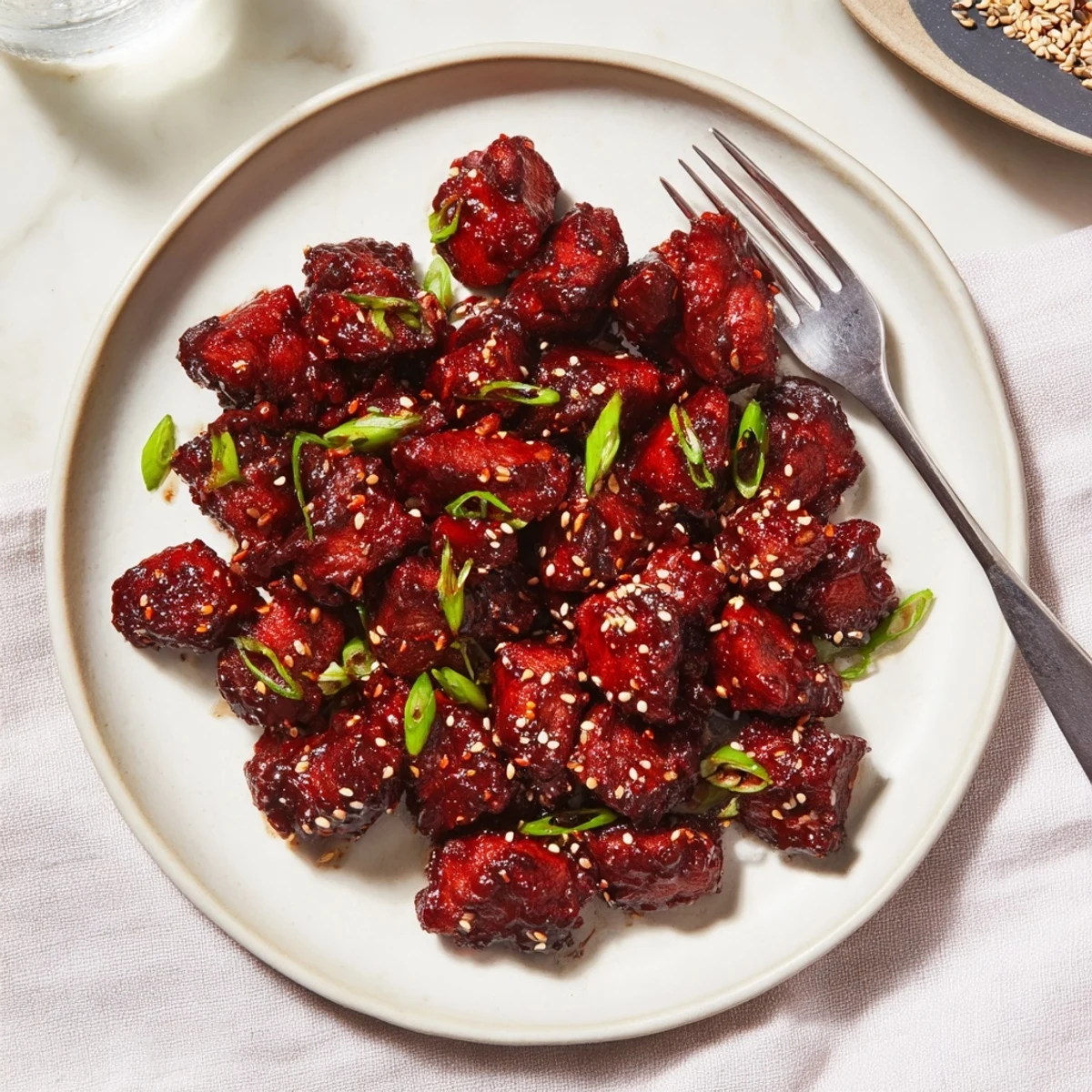
 This Korean-inspired gochujang chicken delivers a mouthwatering balance of heat, sweetness, and umami in every bite. Boneless chicken thighs are marinated in a bold mixture of gochujang chili paste, soy sauce, honey, rice vinegar, garlic, and ginger, then pan-seared until beautifully caramelized.
Ready in just 40 minutes with 15 minutes of prep, it's an ideal weeknight dinner that pairs perfectly with steamed rice or crisp lettuce wraps. Garnished with toasted sesame seeds and sliced green onions, this dish brings authentic Korean flavors to your home kitchen with minimal effort.
The smell of gochujang hitting a hot pan is one of those things that makes everyone in the house suddenly appear in the kitchen doorway, pretending they just happened to walk by. My friend Mina introduced me to this paste years ago at a tiny restaurant where the owner handed us extra banchan just because we asked about the chili stains on the ceiling. I went home that same evening with a tub of it and burned the first batch spectacularly because I could not stop tasting the marinade raw off my fingers.
I made this for my sisters birthday dinner last spring when the weather could not decide between warm and cold and we ended up eating outside under blankets anyway. The chicken disappeared so fast I had to promise a double batch the following weekend.
Ingredients
- Chicken thighs (700 g, boneless and skinless): Thighs stay juicy even if you get distracted and overcook them slightly, which I have done more times than I care to admit.
- Gochujang (3 tbsp): The soul of this dish, so buy a decent brand and keep it in your fridge where it will live happily for months.
- Soy sauce (2 tbsp): Adds salt and depth that rounds out the sweetness of the honey.
- Rice vinegar (1 tbsp): A little acidity keeps the marinade from feeling too heavy or cloying.
- Honey (2 tbsp): Helps the chicken caramelize and gives the gochujang something sweet to play against.
- Garlic (2 cloves, minced): Fresh is nonnegotiable here since the jarred stuff gets lost in all that chili.
- Ginger (1 tbsp, grated): I freeze a knob and grate it straight in, skin and all, because laziness can coexist with good food.
- Sesame oil (1 tbsp): Toasted sesame oil specifically, the dark fragrant kind that smells like a restaurant kitchen.
- Black pepper (one half tsp, freshly ground): Just enough to add a quiet warmth behind the chili heat.
- Sesame seeds (1 tbsp, optional): Toast them in a dry pan for a minute and you will wonder why you ever used them raw.
- Green onions (2, optional): Slice them thin and scatter generously because they add a fresh crunch that balances the sticky glaze.
Instructions
- Build the marinade:
- Whisk the gochujang, soy sauce, rice vinegar, honey, garlic, ginger, sesame oil, and pepper in a large bowl until the color is even and the mixture smells deeply savory with a sweet edge.
- Coat the chicken:
- Toss the chicken pieces in and use your hands to massage the paste into every fold and crevice, then let it sit for at least twenty minutes or cover and refrigerate up to two hours if you have the time.
- Cook with patience:
- Heat your skillet over medium high until it shimmers, then lay the chicken in a single layer without crowding and let it cook undisturbed for six to eight minutes per side until the edges darken and caramelize and the juices run clear.
- Finish and serve:
- Pull the pan off the heat, scatter sesame seeds and green onions over the top, and serve immediately with steamed rice or crisp lettuce wraps while everything is still sticky and hot.
 Save to Pinterest
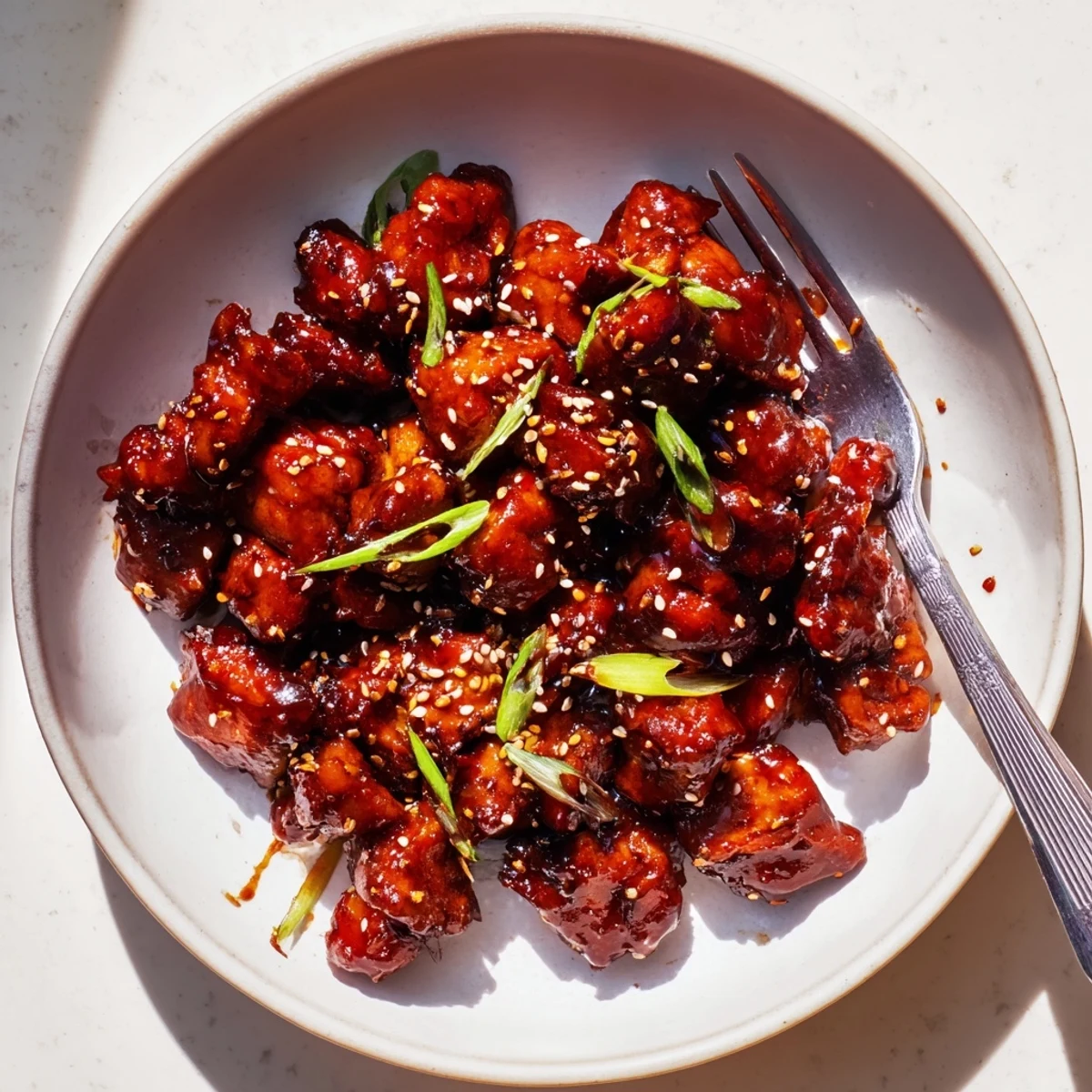
 There is something about the sticky red glaze on a white plate that makes people put down their phones and just eat.
Choosing the Right Gochujang
Not all gochujang is created equal and the tub you grab off the shelf can make or break this recipe. Look for one with a short ingredient list where fermented soybean and chili appear near the top. The sweeter versions marketed toward mild palates will leave your chicken tasting like barbecue sauce, which is fine but not what we are after here.
Swaps and Substitutions
Chicken breast works if that is what you have, but cut it into slightly larger pieces and watch the cook time because it dries out fast. Brown sugar can stand in for honey in a pinch, though you lose some of the floral notes. If you need this gluten free, tamari replaces soy sauce one to one and the result is nearly indistinguishable.
What to Serve Alongside
This chicken loves company and the right sides turn it from a quick dinner into something that feels like a spread from a restaurant you keep meaning to revisit.
- Kimchi is the obvious choice and the fermented crunch cuts right through the sticky sweetness.
- A pile of quick pickled cucumbers with a splash of rice vinegar takes five minutes to throw together.
- Steamed rice is not optional in my kitchen but a crisp lettuce wrap is a close second on warmer nights.
 Save to Pinterest
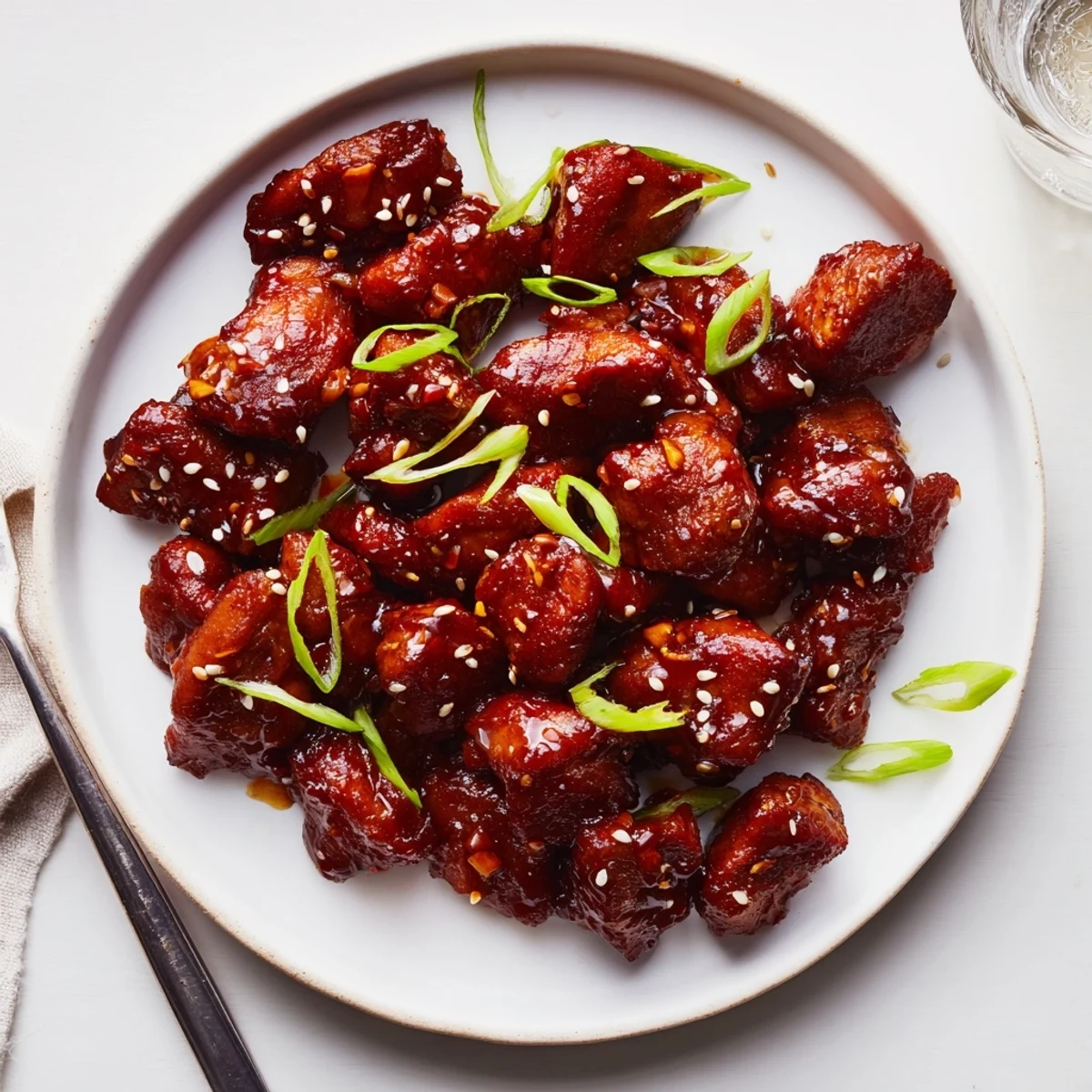
 Keep extra napkins nearby because this is the kind of meal that gets on your fingers and you will not mind one bit.
Recipe FAQs
- → What does gochujang taste like?
-
Gochujang is a fermented Korean chili paste with a complex flavor profile. It delivers spicy heat balanced by natural sweetness and deep umami notes. The fermentation process gives it a rich, savory depth that's unlike regular hot sauce or chili flakes.
- → Can I use chicken breast instead of thighs?
-
Yes, chicken breast works as a leaner alternative. However, thighs remain juicier and more forgiving during cooking since they have higher fat content. If using breast, reduce cooking time slightly and avoid overcooking to keep the meat tender.
- → How long should I marinate the chicken?
-
A minimum of 20 minutes is sufficient, but marinating for 1 to 2 hours in the refrigerator allows the flavors to penetrate deeper. For best results, let it sit longer when time permits, though even a quick marinade produces flavorful results.
- → What side dishes go well with gochujang chicken?
-
Steamed white rice is the classic pairing, soaking up the sticky glaze beautifully. Kimchi, pickled radish, sautéed spinach, or crisp lettuce wraps complement the dish perfectly. A simple cucumber salad also provides a refreshing contrast to the spicy chicken.
- → Is this dish very spicy?
-
The heat level is moderate, as gochujang provides more umami and sweetness than intense spice. For extra heat, add a teaspoon of gochugaru (Korean red chili flakes) to the marinade. You can also reduce the gochujang slightly and add more honey for a milder version.
- → Where can I find gochujang?
-
Gochujang is available at most Asian grocery stores and many mainstream supermarkets in the international aisle. Look for it in red tubs or squeeze bottles. Online retailers also carry various brands, with varying spice levels indicated on the packaging.