
 Save to Pinterest
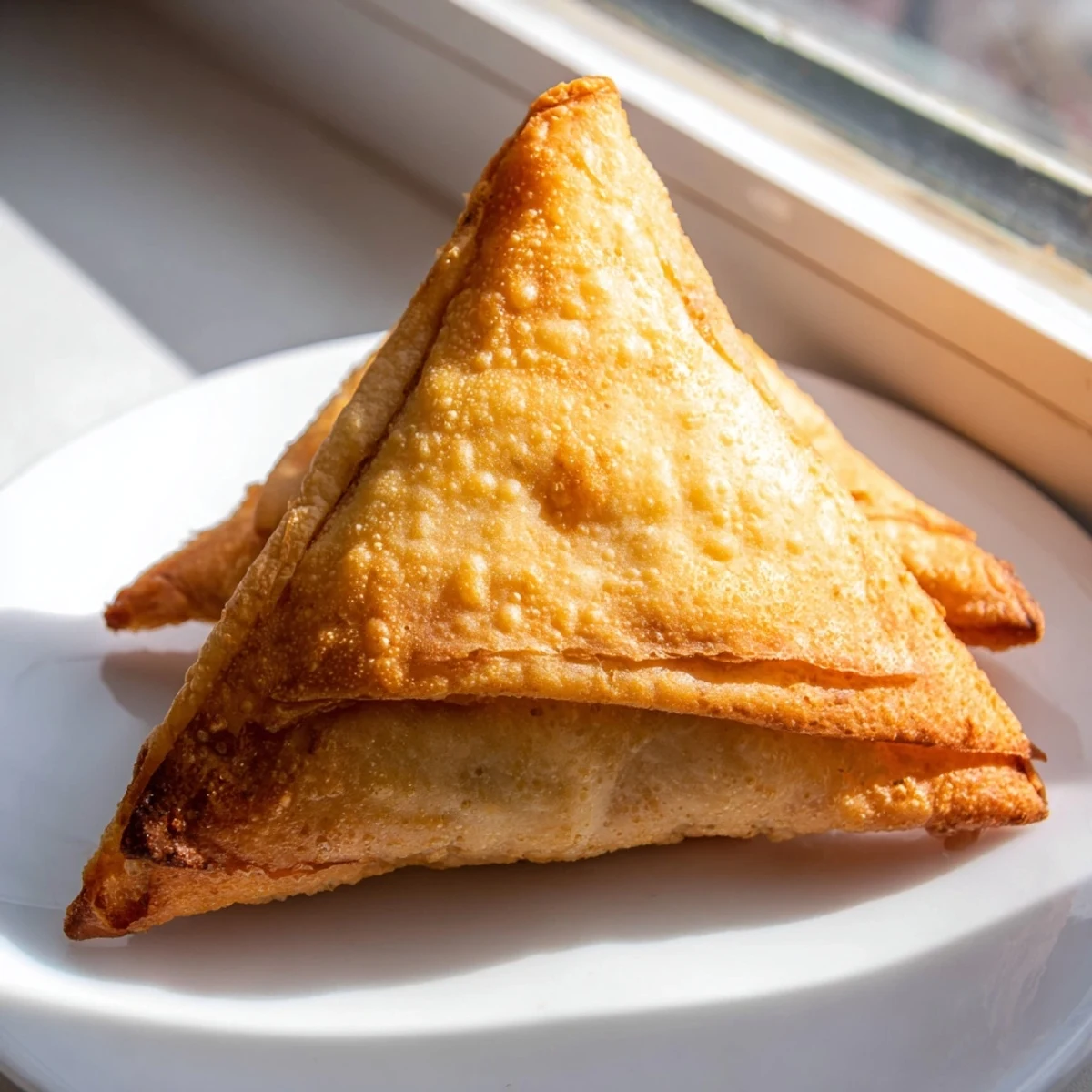
 Learn to create authentic vegetable samosas with perfectly crispy, golden pastry shells. These traditional Indian appetizers feature a spiced filling of tender potatoes, sweet green peas, and aromatic herbs including ginger, garlic, and fresh cilantro. The process involves preparing a firm, smooth dough, creating a fragrant spice blend with cumin, coriander, garam masala, and turmeric, then shaping and frying until beautifully crisp. Each batch yields approximately twelve triangular pockets, perfect for serving with mint chutney or tamarind sauce at gatherings or as satisfying snacks.
The smell of cumin hitting hot oil still takes me back to my first apartment kitchen, where I made samosas for a housewarming party. My roommate walked in mid-rolling, flour dusted everywhere, and asked if we were operating a bakery. Those imperfect, slightly lopsided triangles disappeared in minutes, and I've been hooked on the magic of spiced potatoes wrapped in crisp pastry ever since.
Last winter during a snowstorm, I spent an entire afternoon making samosas while watching old movies. My neighbor knocked on the door when the frying aromas wafted into the hallway, and we ended up eating hot samosas by the window watching the flakes fall. Food has a way of turning ordinary days into memories.
Ingredients
- 2 cups all-purpose flour: Creates the foundation for a tender yet sturdy wrapper that holds its shape during frying
- 1/4 cup vegetable oil: Incorporated into the flour, this creates that signature flaky texture in the cooked dough
- 1/2 teaspoon salt: Essential for bringing out the wheat flavor in the pastry
- 1/2 cup water: Add gradually until the dough comes together, different flours absorb differently
- 2 medium potatoes: Russet or Yukon Gold work beautifully, providing that creamy base texture
- 1/2 cup green peas: Fresh peas add pops of sweetness and color throughout the filling
- 1 small onion: Finely chopped so it melts into the potatoes while cooking
- 2 tablespoons vegetable oil: For sautéing the aromatics and blooming the spices
- 2 teaspoons ginger, grated: Fresh ginger brings a zesty warmth that dried ginger cannot replicate
- 2 cloves garlic, minced: Use fresh garlic for the best aromatic foundation
- 1 green chili, finely chopped: Adjust to your heat preference or omit for a milder version
- 1 teaspoon ground cumin: Earthy and essential for authentic Indian flavor
- 1 teaspoon ground coriander: Adds citrusy, floral notes that balance the warming spices
- 1/2 teaspoon garam masala: The finishing spice blend that adds depth and complexity
- 1/2 teaspoon turmeric powder: Gives the filling that beautiful golden yellow color
- 1/2 teaspoon chili powder: Provides a gentle background warmth without overwhelming heat
- Salt, to taste: Crucial for bringing all the spice flavors together
- 2 tablespoons fresh cilantro, chopped: Adds brightness and a fresh finish to the cooked filling
- 1 tablespoon lemon juice: A squeeze of acid cuts through the richness and brightens every bite
- Vegetable oil for deep frying: Use neutral oil with a high smoke point like canola or peanut oil
Instructions
- Prepare the dough:
- Mix flour and salt in a bowl, then rub in the oil until the mixture looks like coarse breadcrumbs. Gradually add water while kneading until you have a firm smooth dough that doesnt stick to your hands. Let it rest covered for 30 minutes to relax the gluten, making it easier to roll.
- Make the filling:
- Boil the diced potatoes until just tender, about 10 minutes, then drain well. Heat oil in a skillet and cook the onion ginger garlic and chili until softened and fragrant. Add all the spices and let them bloom for a minute then stir in the potatoes and peas. Cook for a few minutes mashing some potatoes to create texture then finish with cilantro and lemon juice. Let the filling cool completely, otherwise it will make the dough soggy.
- Shape the samosas:
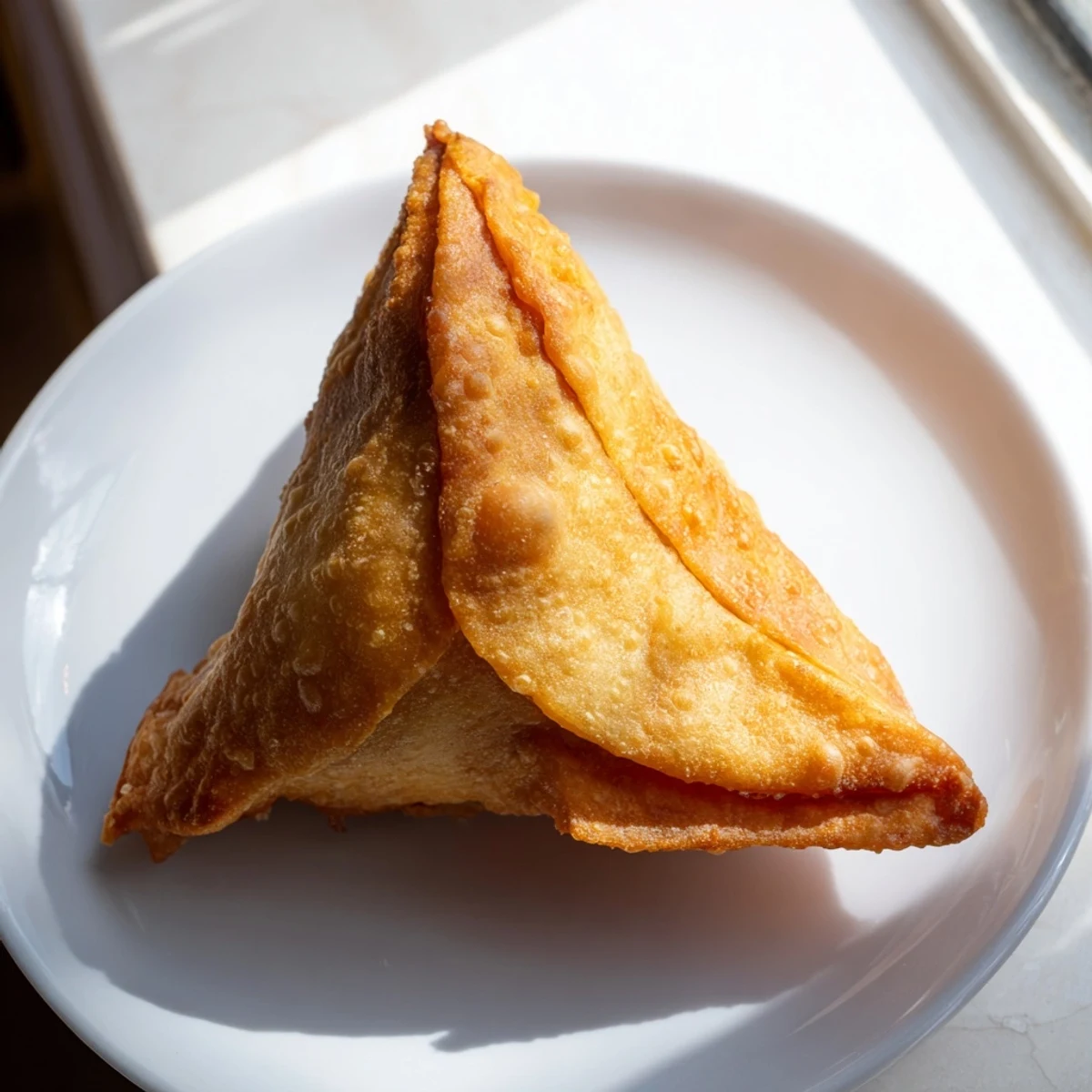
- Divide the dough into 6 equal balls and roll each into a 6-inch circle. Cut each circle in half to create semi-circles. Brush the straight edge with water form a cone by overlapping the edges and press firmly to seal. Fill each cone with about 2 tablespoons of filling then seal the open edge to create a triangle. Crimp the edges with a fork for extra security and a pretty pattern.
- Fry to golden perfection:
- Heat your oil to 350°F, testing by dropping in a small piece of dough, it should sizzle immediately and rise to the surface. Fry the samosas in batches of 3 or 4, turning them gently until they are evenly golden brown and crispy. Drain on paper towels to remove excess oil and serve while still hot and crispy.
- Make them your own:
- These freeze beautifully before frying, simply arrange them on a baking sheet until firm then transfer to a freezer bag. When ready to eat, fry from frozen, adding a few extra minutes to the cooking time. They also bake well at 400°F for 25 to 30 minutes, turning once and brushing with oil for that fried texture.
 Save to Pinterest
 My friend Priya taught me to make samosas during our college potluck days. We'd crowd into her tiny kitchen, music playing, flour everywhere, frying batch after batch while catching up on life. Now every time I make them, I think of those afternoons and how food weaves people together.
Mastering the Dough
The secret to perfectly crispy samosas lies in the dough technique. When you rub the oil into the flour, you're essentially creating a thousand tiny layers of fat, similar to puff pastry but simpler. This creates that satisfying shatter when you bite into a hot samosa. If the dough feels too dry and crumbly, add water by the teaspoon. If it's too sticky, dust with more flour. After resting, the dough should be smooth and pliable, rolling out easily without springing back.
Filling Variations
While the classic potato and pea filling is beloved, samosas are incredibly adaptable. Try adding finely chopped cauliflower for extra texture and nutrition. Some cooks add a handful of chopped spinach or grated carrots for color and sweetness. For a protein boost, add crumbled paneer or even spiced lentils. The key is keeping the filling relatively dry and well seasoned so it doesn't compromise the pastry's integrity.
Serving Suggestions and Pairings
Hot samosas deserve equally wonderful accompaniments. A green chutney made with fresh mint, cilantro, green chilies and lemon juice cuts through the richness beautifully. Tamarind date chutney adds a sweet and tangy element that balances the spices. For a complete meal, serve with a side of creamy raita and some pickled onions. Many people enjoy them with a cup of masala chai for afternoon tea.
- Make the chutneys ahead, they keep in the refrigerator for up to a week
- Squeeze fresh lemon juice over hot samosas just before serving for a bright finish
- Leftover samosas reheat beautifully in a 350°F oven for 10 minutes to recrisp
 Save to Pinterest
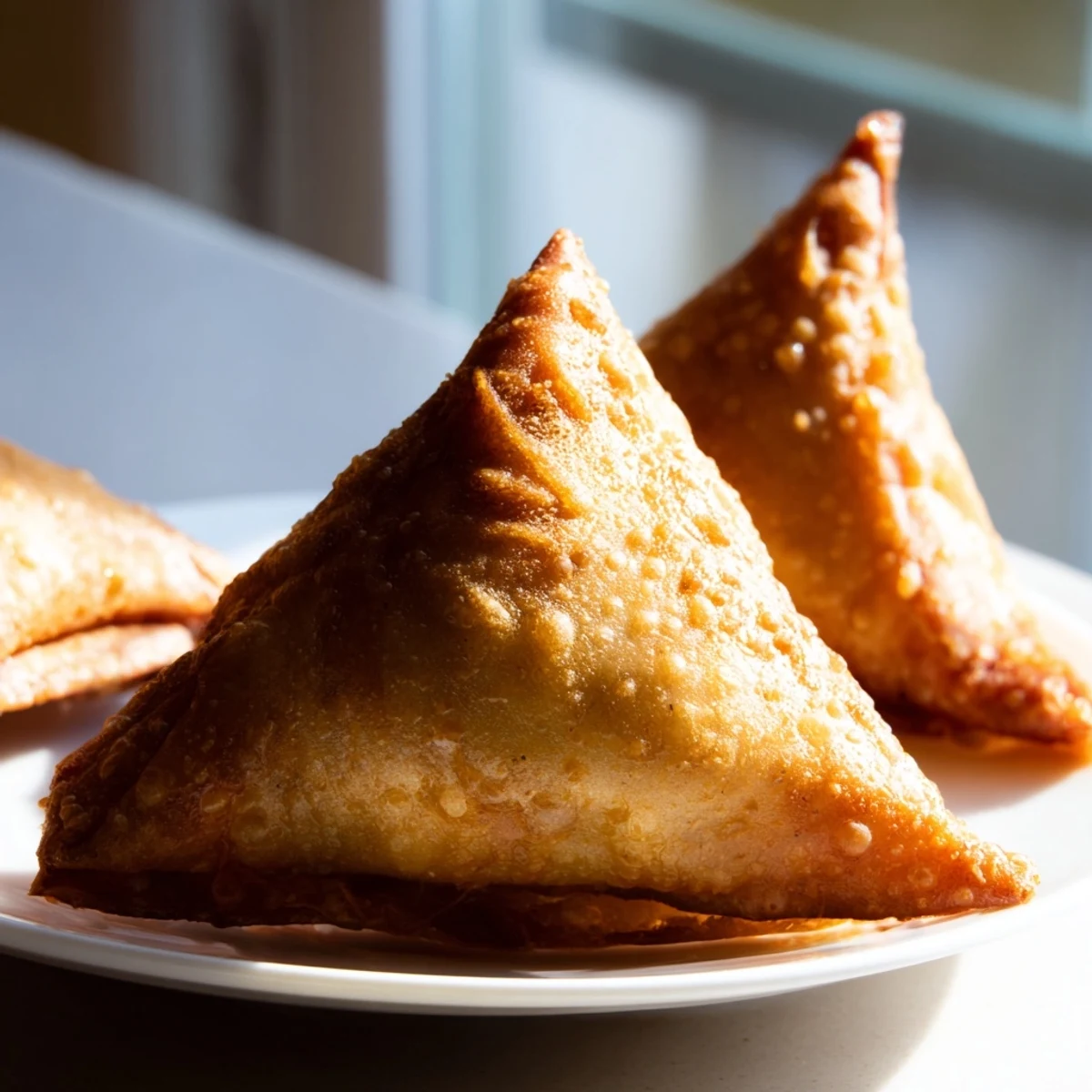
 There's something deeply satisfying about biting into a freshly made samosa, the crunch giving way to fragrant spiced potatoes. Whether for a party or a quiet evening treat, these golden triangles have a way of making any moment feel special.
Recipe FAQs
- → What makes the pastry perfectly crispy?
-
The key to crispy pastry is using the right ratio of oil to flour when preparing the dough. Rubbing the oil into the flour until it resembles coarse crumbs creates a flaky texture. Frying at 350°F (175°C) ensures the exterior becomes golden and crisp while cooking the filling through.
- → Can I bake these instead of frying?
-
Yes, baking offers a lighter alternative. Place shaped samosas on a baking sheet and brush with oil. Bake at 400°F (200°C) for 25–30 minutes, turning halfway through and brushing with additional oil for even browning. The texture will be slightly less crisp but still delicious.
- → How do I prevent the filling from making the dough soggy?
-
Allow the cooked potato and pea mixture to cool completely before filling. This prevents steam from softening the pastry. Additionally, avoid overfilling each cone—about two tablespoons per samosa ensures proper sealing and maintains structural integrity during frying.
- → What dipping sauces pair best with these?
-
Mint chutney provides a refreshing contrast to the warm spices, while tamarind sauce offers sweet-tart notes that complement the savory filling. Other excellent options include mango chutney, yogurt-based raita, or simple ketchup for a milder accompaniment.
- → How should I store leftovers?
-
Allow samosas to cool completely, then store in an airtight container in the refrigerator for up to three days. For longer storage, freeze uncooked samosas on a baking sheet, then transfer to a freezer bag. Fry or bake from frozen, adding a few minutes to the cooking time.
- → Can I make these gluten-free?
-
Yes, substitute all-purpose flour with a gluten-free flour blend containing xanthan gum. The dough texture may differ slightly, so adjust water quantity as needed. Ensure all spices and additional ingredients are certified gluten-free to avoid cross-contamination.