
 Save to Pinterest
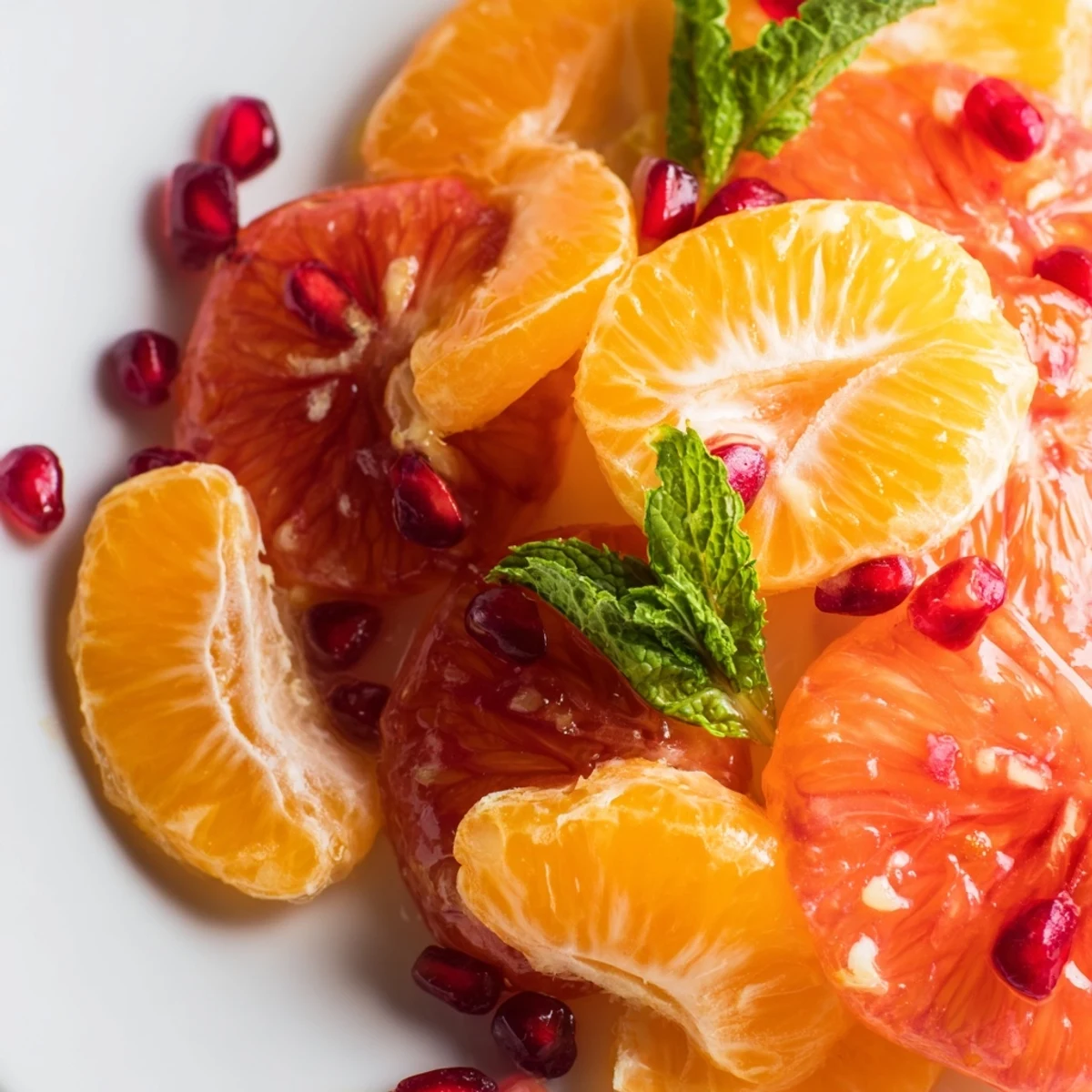
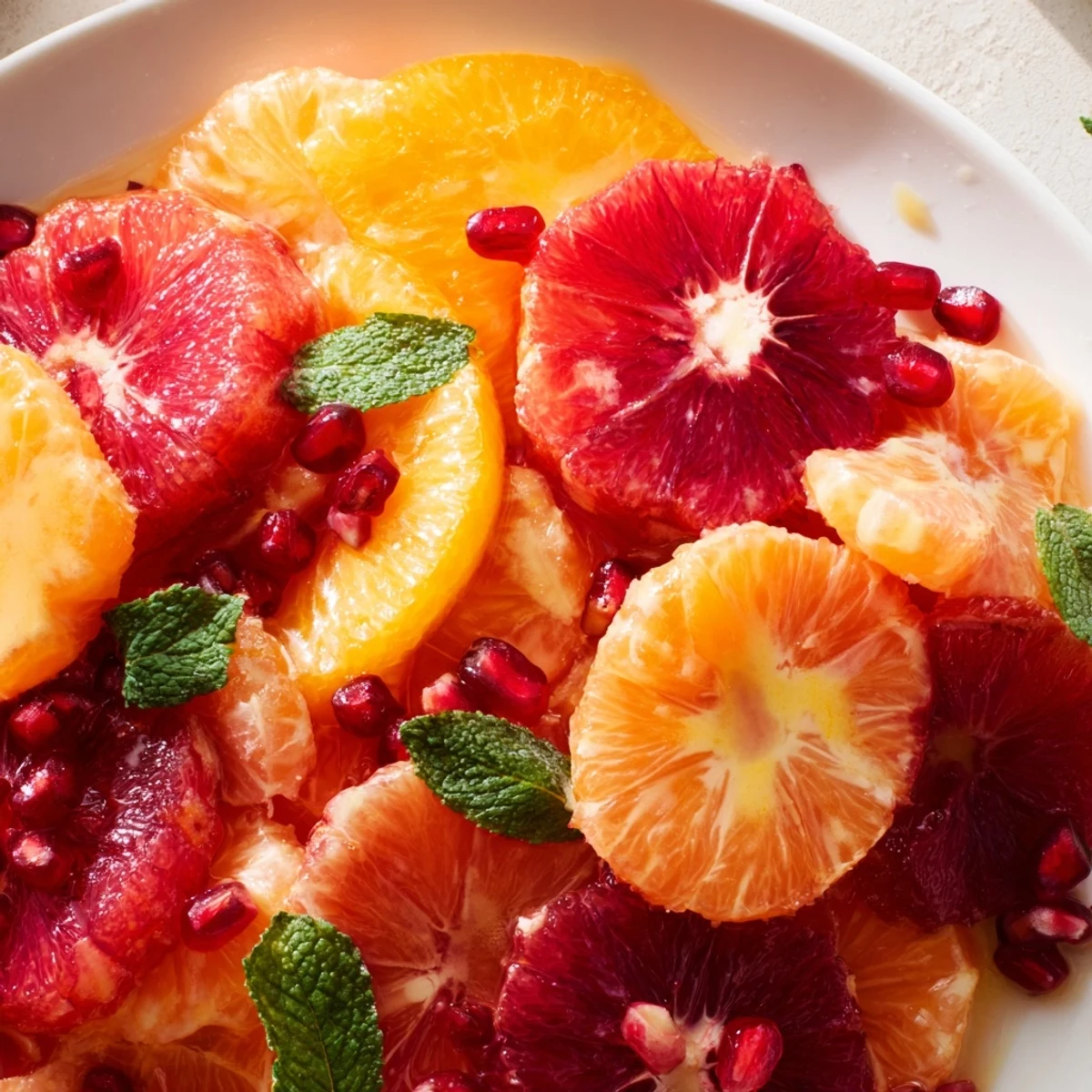
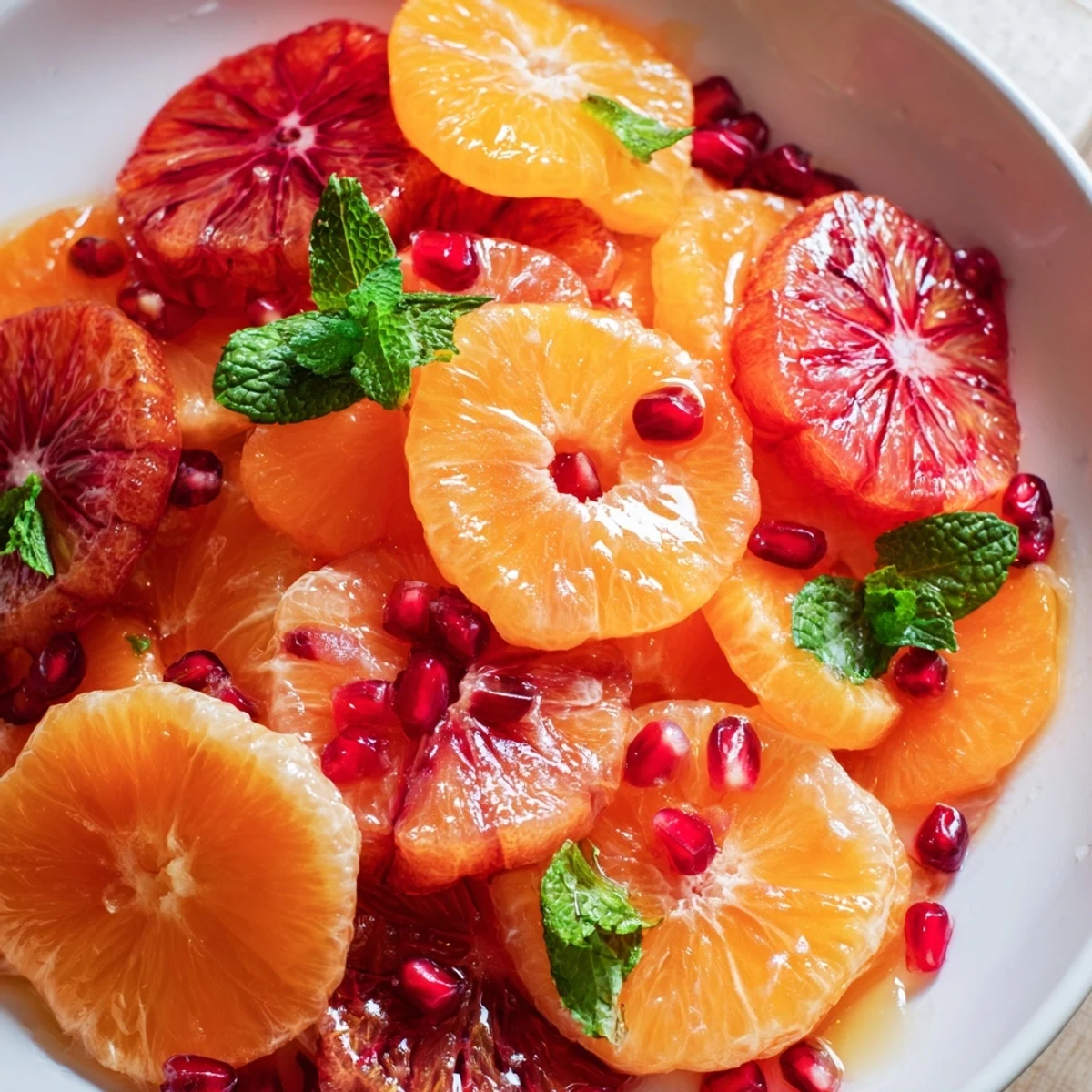
 This vibrant salad combines a variety of peeled and sliced winter citrus fruits—oranges, blood oranges, grapefruits, and mandarins—garnished with pomegranate seeds and fresh mint. A sweet and tangy honey lime dressing made with honey, lime zest, juice, olive oil, and a pinch of salt enhances the fresh flavors. Quick to prepare and served chilled or fresh, it's an easy way to enjoy seasonal fruits with a bright, refreshing twist.
There's something about January that makes me crave brightness, and one afternoon while idly flipping through a farmers market haul, I noticed the citrus section glowing—blood oranges, pink grapefruits, tiny clementines all demanding attention. I came home, laid them out on my counter like jewels, and decided right then to build something that celebrated their colors and tartness rather than hide them away in juice. This salad was born from that simple impulse: let the fruit speak for itself.
I made this for a dinner party on a gray February evening, and I watched people's faces light up when I set down the platter—not because it was fancy, but because it looked like hope on a plate. Someone asked if I'd complicated it somehow, surprised it could be so vivid and refreshing with just fruit and a simple dressing. That's when I realized this recipe's real strength: it does so much with so little fuss.
Ingredients
- Large oranges: Choose ones that feel heavy for their size and have thin, unblemished skin—they'll be juicier and easier to peel cleanly.
- Blood oranges: Their dark crimson flesh adds visual drama and a slightly deeper flavor that regular oranges can't match; worth seeking out at good markets.
- Grapefruits: The pink varieties have more subtle sweetness than white, but either works—just taste as you segment to avoid the bitterest bits.
- Clementines or mandarins: These small, easy-to-peel segments add casual sweetness and textural contrast without requiring knife work.
- Pomegranate seeds: They pop between your teeth and add tartness that echoes the citrus; buy them pre-seeded if you want to save yourself the mess.
- Fresh mint leaves: Tear them by hand right before using so they release their oils and don't blacken at the edges.
- Honey: Use something you'd actually taste on its own—wildflower or citrus blossom work beautifully here.
- Lime: One good-sized, juicy lime is better than two dry ones; roll it on the counter first to loosen the juice.
- Extra-virgin olive oil: This is one of three ingredients, so don't reach for the cheap bottle—you'll taste the difference immediately.
- Salt: A pinch is enough; it does quiet work, making the sweetness feel less cloying.
Instructions
- Peel and slice your citrus with intention:
- Cut away the pith carefully—I use a sharp knife and work over a bowl to catch any juice that drips, then taste a piece to make sure I haven't left too much bitter white behind. Arrange everything loosely on a large platter before you add the dressing, so you can see what you've built and adjust for color balance.
- Scatter the garnishes across like you mean it:
- Pomegranate seeds and torn mint aren't just decoration; they're flavor points and textural breaks. Spread them unevenly so every bite isn't identical.
- Build your dressing in a quiet moment:
- Zest your lime before you juice it, then whisk the zest, juice, honey, oil, and salt together until the honey loosens and everything emulsifies slightly. Taste it—it should make your mouth water, not pucker.
- Dress just before the table:
- I learned this the hard way: if you dress too early, the citrus releases water and dilutes everything. A drizzle that goes on five minutes before serving stays bright and intentional.
 Save to Pinterest
 My daughter once asked why we couldn't just eat oranges plain, and I said we could—but then I drizzled the dressing over hers anyway, and she understood immediately. Food isn't always about transformation; sometimes it's about paying attention to what's already there and giving it a moment to shine.
The Magic of Winter Citrus
Winter is when citrus peaks, when the trees have had time to concentrate sweetness and the fruit travels shorter distances to your table. A salad built on these fruits in summer feels wrong—they're pale and watery—but in cold months, they're tart and alive. This is a recipe that respects the seasons and tastes obviously better because of it.
How to Make It Your Own
The base never changes, but everything else is inviting customization. Some people add a handful of toasted pistachios for crunch, others reach for fennel shaved paper-thin or a tiny pinch of chili flakes that no one can quite identify. I've made it with agave instead of honey when someone vegan was coming to dinner, and it was just as good—sweeter, actually, which some people prefer.
Serving and Storing
This salad is best served within an hour of dressing so the fruit stays crisp and the dressing doesn't get watered down. You can prep all the elements ahead—peel, slice, zest, juice—and refrigerate them separately, then compose the whole thing moments before friends arrive. I've learned it's worth keeping this in your back pocket for those moments when you need something beautiful and nourishing in fifteen minutes.
- Serve on your most beautiful platter; the colors deserve it.
- A crisp white wine like Sauvignon Blanc is the perfect companion, or just pour cold water and let the fruit speak.
- Leftover segments keep in the fridge for two days, though the dressing is best made fresh.
 Save to Pinterest
 This salad has become my answer to the question of what to bring to winter gatherings—it's reliable, looks effortless, and tastes like you cared enough to choose something bright. Make it once and you'll know exactly why.
Recipe FAQs
- → What types of citrus are ideal for this dish?
-
Oranges, blood oranges, grapefruits, and clementines or mandarins provide a balance of sweet and tart flavors.
- → Can I prepare this salad in advance?
-
Yes, it can be chilled for up to one hour to allow flavors to meld before serving.
- → Are there suggested add-ins to enhance texture?
-
Toasted pistachios or sliced almonds add crunch and complement the citrus notes well.
- → Is there a way to make the dressing vegan-friendly?
-
Substituting honey with agave syrup keeps the dressing sweet while accommodating vegan preferences.
- → What tools are recommended for preparation?
-
A sharp knife, cutting board, citrus zester or fine grater, mixing bowl, and whisk ensure smooth preparation.