
 Save to Pinterest
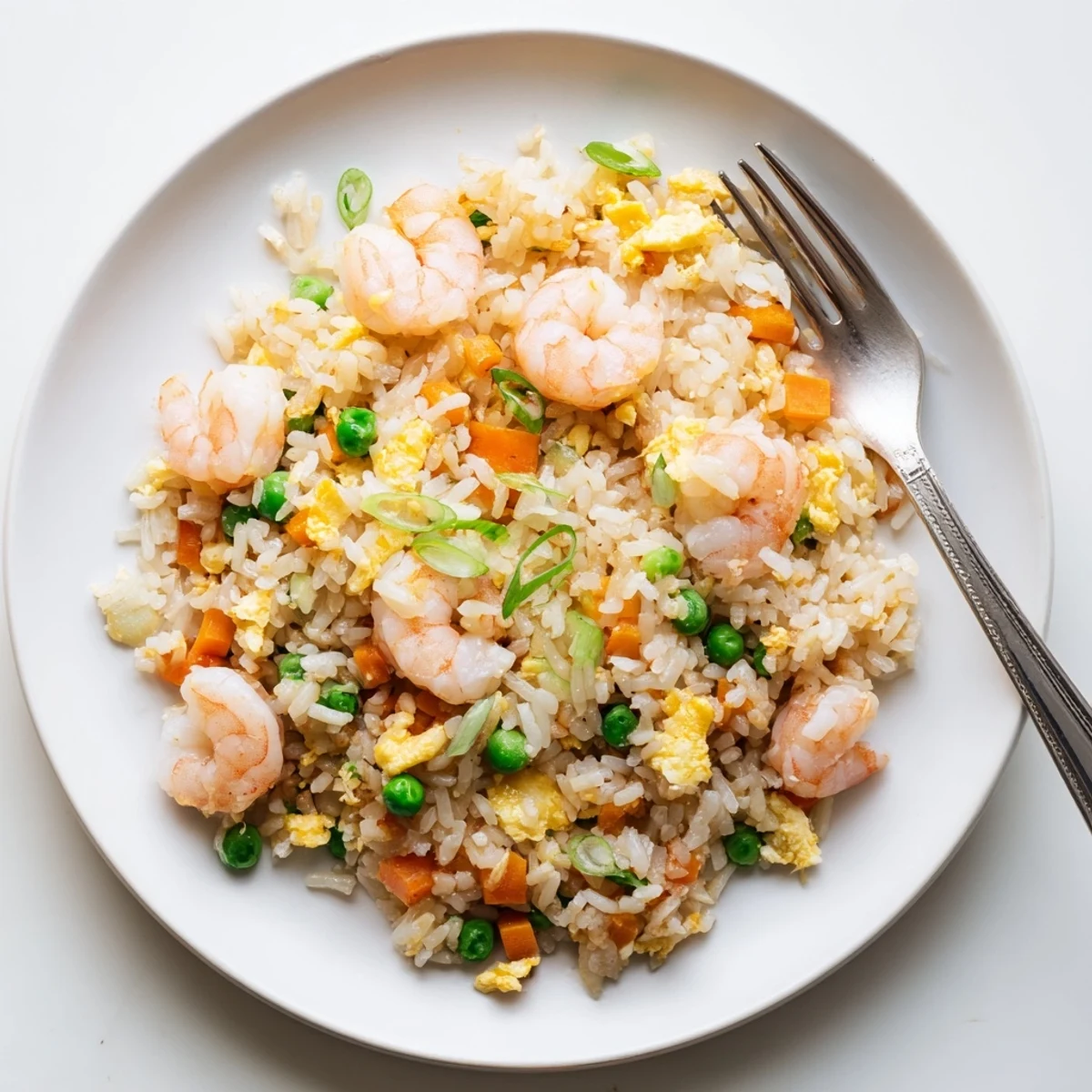
 Create an authentic Chinese-style stir-fry that rivals your favorite takeout spot. This dish transforms humble day-old jasmine rice into fluffy, aromatic perfection wok-tossed with plump shrimp, colorful peas and carrots, and fragrant aromatics like garlic and onion. The secret lies in the seasoning blend—savory soy sauce adds depth while oyster sauce provides umami richness, finished with nutty sesame oil and a hint of white pepper. Perfect for busy weeknights, this one-pan meal comes together in just 30 minutes and serves four generously.
My tiny apartment kitchen became a takeout rehabilitation center the year I decided restaurant fried rice was cheating me out of my money. Third attempt in, I finally understood that wok hei—that breath of the wok everyone talks about—was less about fancy equipment and more about confidence, heat, and never overcrowding the pan. Now my shrimp fried rice costs about eight dollars total and beats anything delivered in cardboard containers.
Last Tuesday my roommate walked in midstirfry and demanded I teach her my ways after catching that first whiff of garlic hitting hot oil. We stood over the wok together, glass of wine in hand, taking turns tossing rice until the shrimp turned perfectly pink and the whole kitchen smelled like a proper Chinese kitchen. She ate hers standing up straight from the pan.
Ingredients
- 300 g medium shrimp: Peeled and deveined saves precious minutes and lets the seasoning cling directly to the shrimp
- 4 cups cooked jasmine rice: Dayold and chilled is nonnegotiable—fresh rice turns into gummy disappointment faster than you can say takeout
- 1 cup frozen peas and carrots: Thawed first so they dont cool down your pan and throw off the cooking timing
- 1 small onion: Finely diced so it almost disappears into the rice instead of staying in distinct chunks
- 2 green onions: Thinly sliced with white and green parts separated—whites go in early, greens save the finish
- 2 cloves garlic: Minced fresh because jarred garlic has a weird cooked taste that ruins the whole vibe
- 2 large eggs: Lightly beaten in a bowl so theyre ready to pour the second you make space in the pan
- 3 tbsp soy sauce: Lowsodium preferred so you can control the salt level without overseasoning
- 1 tbsp oyster sauce: Totally optional but adds that restaurant depth that makes people ask whats your secret
- 1 tsp sesame oil: Add this at the end so the nutty aroma doesnt cook off and disappear
- ½ tsp white pepper: Subtle heat that blends in better than black pepper which leaves visible specks
- 2 tbsp vegetable oil: Peanut or canola handles high heat without burning like olive oil would
Instructions
- Cook the shrimp first:
- Heat 1 tablespoon oil in a large wok or skillet over mediumhigh heat and add the shrimp. Stirfry for 23 minutes until they turn pink and just curl—remove immediately and set aside because residual heat will keep cooking them.
- Build your flavor base:
- Add the remaining tablespoon of oil along with the onion and white parts of the green onions. Stirfry for 12 minutes until translucent and fragrant, then toss in the garlic for thirty seconds until it smells amazing but before it can burn.
- Scramble the eggs:
- Push everything to one side of the wok and pour the beaten eggs into the cleared space. Gently scramble until just barely set, then break them into small pieces and mix with the aromatics.
- Add the vegetables:
- Toss in the peas and carrots, stirring everything together until the vegetables are heated through and evenly distributed.
- Fry the rice:
- Add the chilled rice, using your spatula to break up any clumps as you go. Stirfry for 23 minutes, letting the grains get slightly crispy in spots and completely heated through.
- Bring it all together:
- Return the cooked shrimp to the wok and pour in the soy sauce, oyster sauce if using, sesame oil, and white pepper. Stirfry for 2 more minutes, tossing constantly until every grain is coated and the sauce is evenly distributed.
- Finish and serve:
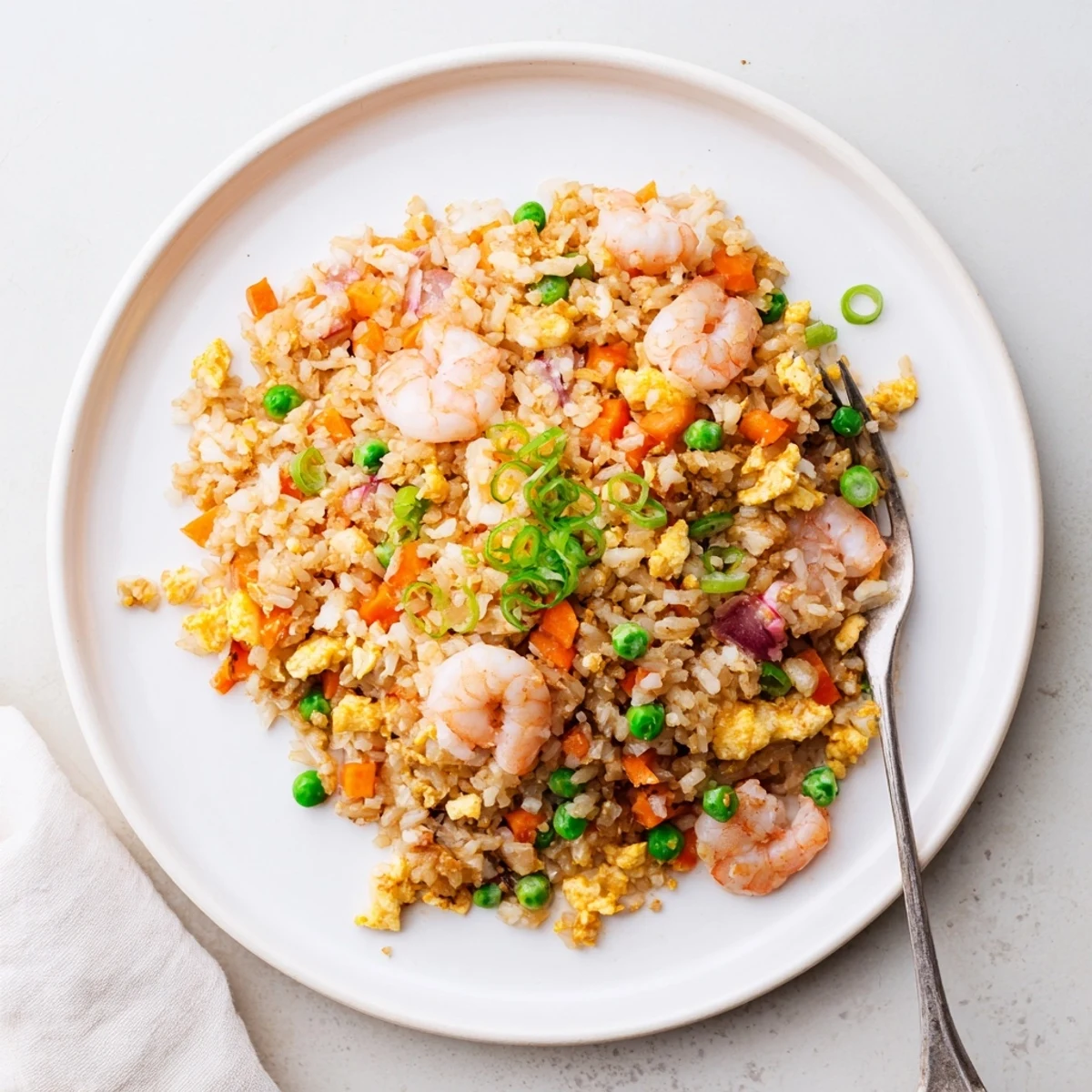
- Stir in the green onion tops, taste and adjust seasoning if needed, then serve immediately while everything is still hot and the rice has that perfect slight chew.
 Save to Pinterest
 My friend Karen claims this fried rice cured her breakup blues one Friday night when we were supposed to go out but ended up cooking in sweatpants instead. Something about the rhythm of stirfrying and the way the shrimp turned exactly pink made everything feel manageable again.
Making It Your Own
Once you master the basic technique, fried rice becomes a fridgeclearing vehicle for whatever you have on hand. Ive made versions with diced leftover chicken, crumbled tofu, or even just extra vegetables when meat wasnt in the budget. The key is keeping all your addins roughly the same size so everything heats evenly and no single ingredient overwhelms the rice.
Perfect Rice Every Time
The difference between okay fried rice and incredible fried rice happens long before you turn on the stove. I cook a batch of jasmine rice specifically for this purpose the day before, spread it on a baking sheet to cool quickly, then stash it in the fridge uncovered. Those driedout grains might look sad but theyre exactly what creates that perfect fluffy texture with distinct grains that never clump together.
Wok or No Wok
A proper wok is nice but dont let equipment anxiety stop you from making this tonight. My cast iron skillet actually produces better results than my cheap thin wok because it holds heat better and develops hot spots that toast the rice beautifully. Whatever pan you choose, let it get properly hot before adding anything and dont be afraid to let the rice sit untouched for thirty seconds so it can develop that slight crisp.
- Prep everything before you start cooking because once you hit the heat there is no time to chop or measure
- Taste as you go and remember you can always add more soy sauce but you cant take it back
- Leftovers reheat beautifully in a skillet with a splash of water to steam everything back to life
 Save to Pinterest
 Now go forth and fry rice with confidence—your weeknights and your wallet will both thank you for learning this skill.
Recipe FAQs
- → Why is day-old rice recommended?
-
Day-old chilled rice has reduced moisture content, which prevents the grains from becoming mushy or sticky during high-heat stir-frying. The firmer texture allows each grain to separate and absorb the savory seasonings while maintaining a satisfying fluffy texture throughout the dish.
- → Can I use fresh rice instead?
-
While possible, fresh rice tends to clump and become gummy. If you must use fresh rice, spread it on a baking sheet and refrigerate uncovered for at least 2-3 hours to dry out slightly, or toast it in the pan before adding other ingredients to remove excess moisture.
- → What protein alternatives work well?
-
Diced chicken breast, thin-sliced pork, or firm tofu cubes make excellent substitutes. Adjust cooking times accordingly—chicken and pork need about 4-5 minutes to cook through, while tofu only needs 2-3 minutes to develop a golden exterior and absorb the flavors.
- → How can I add more vegetables?
-
Frozen corn, diced bell peppers, snap peas, bean sprouts, or baby bok choy all complement the dish beautifully. Add heartier vegetables like carrots and peppers with the onions, but toss in delicate sprouts or greens during the final minute to maintain their crisp texture.
- → What's the best way to prevent sticking?
-
Use a well-seasoned wok or nonstick skillet, ensure the oil is properly heated before adding ingredients, and avoid overcrowding the pan. Keep ingredients moving constantly with a spatula, and don't be afraid to add small splashes of water if things start to stick.
- → Can this be made gluten-free?
-
Absolutely. Simply substitute regular soy sauce with tamari or coconut aminos, and use a certified gluten-free oyster sauce or omit it entirely. The overall flavor profile remains delicious while accommodating dietary restrictions.