
 Save to Pinterest
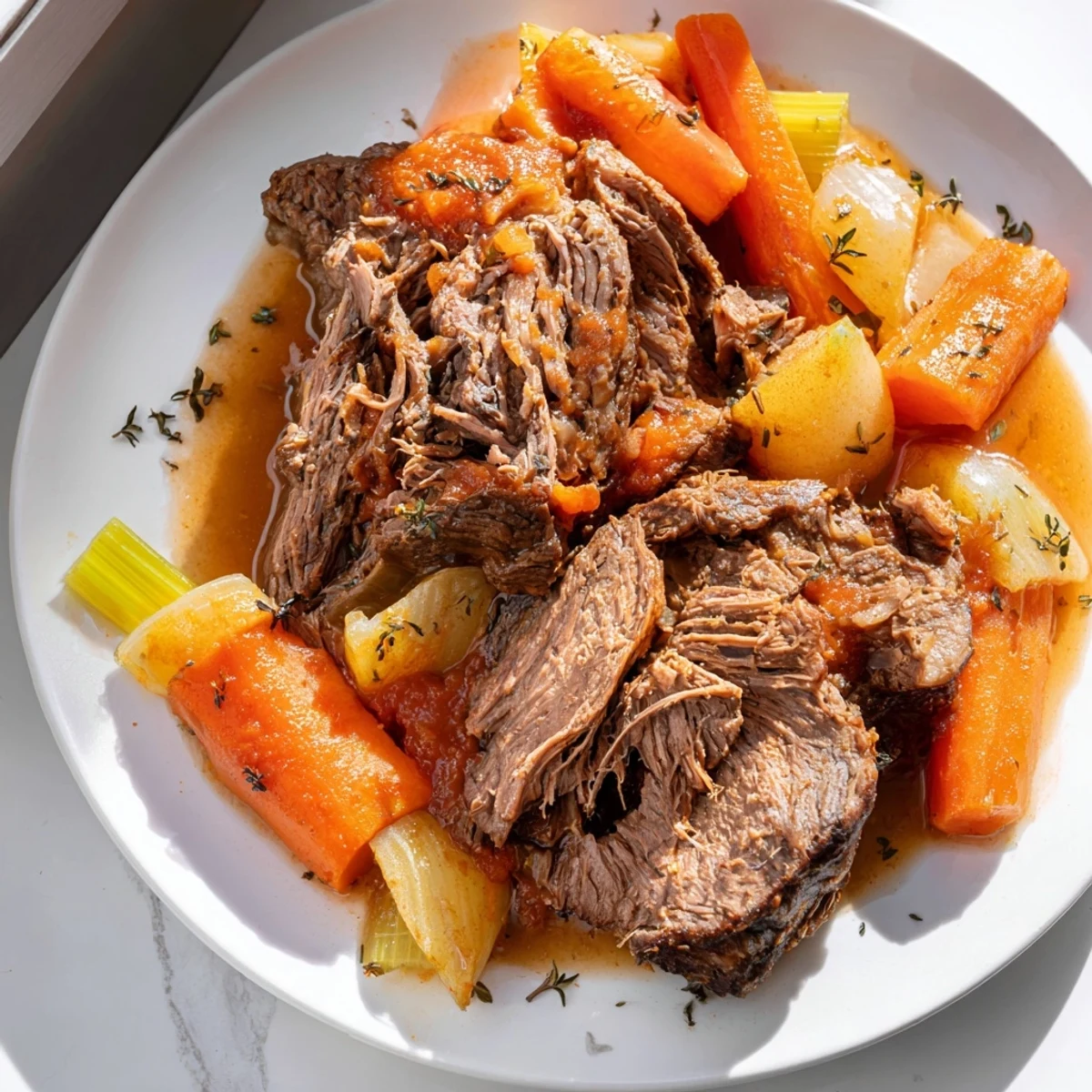
 This classic pot roast features a well-seared beef chuck roast slowly braised in the oven with carrots, celery, onions, and garlic. The addition of red wine and beef broth creates a deeply flavorful cooking liquid that tenderizes the meat over three hours. Tomato paste adds richness while fresh rosemary, thyme, and bay leaves infuse everything with earthy aromatics.
The low-and-slow oven method ensures fork-tender results every time. Serve the sliced or shredded beef alongside the soft vegetables with pan juices spooned over the top for a comforting family meal.
The screen door would slam shut every Sunday around four, and the whole house would already smell like my mothers pot roast before anyone even sat down. That smell, earthy and slow and impossibly warm, is burned into some deep part of my brain. I never appreciated the patience it took until I tried making one myself on a rainy Tuesday in a tiny apartment kitchen with nothing but a secondhand Dutch oven and blind optimism. Three hours later, I finally understood why she always looked so calm while it cooked.
I once made this for a group of friends during a winter power outage, cooking it on the gas stove over the lowest flame while we sat around in coats and headlamps. Nobody talked much while eating, which I have learned is the highest compliment a home cook can receive. We scraped the pot clean using chunks of bread, and someone said it was the best meal they had ever eaten, though the headlamps probably helped with the ambiance.
Ingredients
- 1 (3 to 4 lb) beef chuck roast: Chuck is the undisputed king of pot roast because its fat content and connective tissue break down into silky tenderness over a long braise. Do not trim all the fat away, it is doing important work.
- 3 large carrots, peeled and cut into large pieces: They soak up the braising liquid and become almost candy sweet by the end. Cut them thick so they hold their shape.
- 3 celery stalks, cut into chunks: Celery quietly builds the aromatic base without demanding attention. Leave them fairly large because they will soften considerably.
- 1 large yellow onion, quartered: Onions melt into the broth and give it a sweetness and body you cannot get any other way. Do not dice them, big wedges are the way to go.
- 3 to 4 cloves garlic, smashed: Smashing instead of mincing releases flavor slowly and keeps the garlic from burning during searing. Plus it is deeply satisfying.
- 2 cups beef broth: This forms the braising liquid that keeps everything moist and builds sauce like depth. Check that it is certified gluten free if that matters to you.
- 1 cup dry red wine: Wine adds an acidity and complexity that broth alone cannot replicate, but you can absolutely swap in more broth if you prefer to skip it. A Cabernet or Merlot works beautifully here.
- 2 tablespoons tomato paste: A small amount goes a long way toward deepening color and adding umami richness to the sauce. Stir it into the vegetables and watch it transform.
- 2 teaspoons kosher salt: Seasoning the meat generously before searing builds flavor from the outside in. Kosher salt distributes more evenly than table salt.
- 1 teaspoon freshly ground black pepper: Freshly cracked pepper has a brighter, more aromatic bite than pre ground. Use it liberally on all sides of the roast.
- 1 teaspoon dried thyme: Thyme and beef are old friends who bring out the best in each other. It adds a subtle woodsy note that ties the whole dish together.
- 2 sprigs fresh rosemary: Whole sprigs infuse the broth with piney fragrance and are easy to fish out before serving. A little rosemary goes a long way.
- 2 bay leaves: They work behind the scenes to round out the flavor with a mild herbal bitterness. Always remember to remove them before serving.
- 2 tablespoons olive oil: You need a fat with a relatively high smoke point for a proper sear on the beef. Olive oil does the job perfectly.
Instructions
- Get the oven ready:
- Preheat your oven to 300 degrees F and move a rack to the lower middle position. The low, steady heat is what makes the magic happen over those three hours.
- Prep and season the roast:
- Pat the chuck roast thoroughly dry with paper towels, then season it generously on all sides with kosher salt and black pepper. Getting the surface dry is the single most important step for a good sear.
- Sear until deeply browned:
- Heat olive oil in your Dutch oven over medium high heat until it shimmers, then lay the roast in and do not touch it for about four to five minutes per side. You want a deep, dark brown crust that locks in flavor and creates those fond bits on the bottom of the pot.
- Build the vegetable base:
- Transfer the seared roast to a plate and add the onions, carrots, and celery to the same pot. Cook them for four to five minutes until they pick up some color, then stir in the smashed garlic and tomato paste for one minute until everything smells incredible.
- Deglaze with wine:
- Pour in the red wine and use a wooden spoon to scrape up every last browned bit stuck to the bottom of the pot. Let it simmer for two to three minutes so the alcohol cooks off and the liquid reduces slightly.
- Braise low and slow:
- Return the roast to the pot and pour in the beef broth, then tuck in the thyme, rosemary sprigs, and bay leaves. Bring it to a gentle simmer on the stove, cover with a tight fitting lid, and transfer it to the oven for three hours of undisturbed cooking.
- Finish and serve:
- Remove the pot from the oven and carefully transfer the roast to a cutting board, discarding the bay leaves and herb stems. Slice or shred the beef and serve it alongside the vegetables with pan juices spooned generously over everything.
 Save to Pinterest
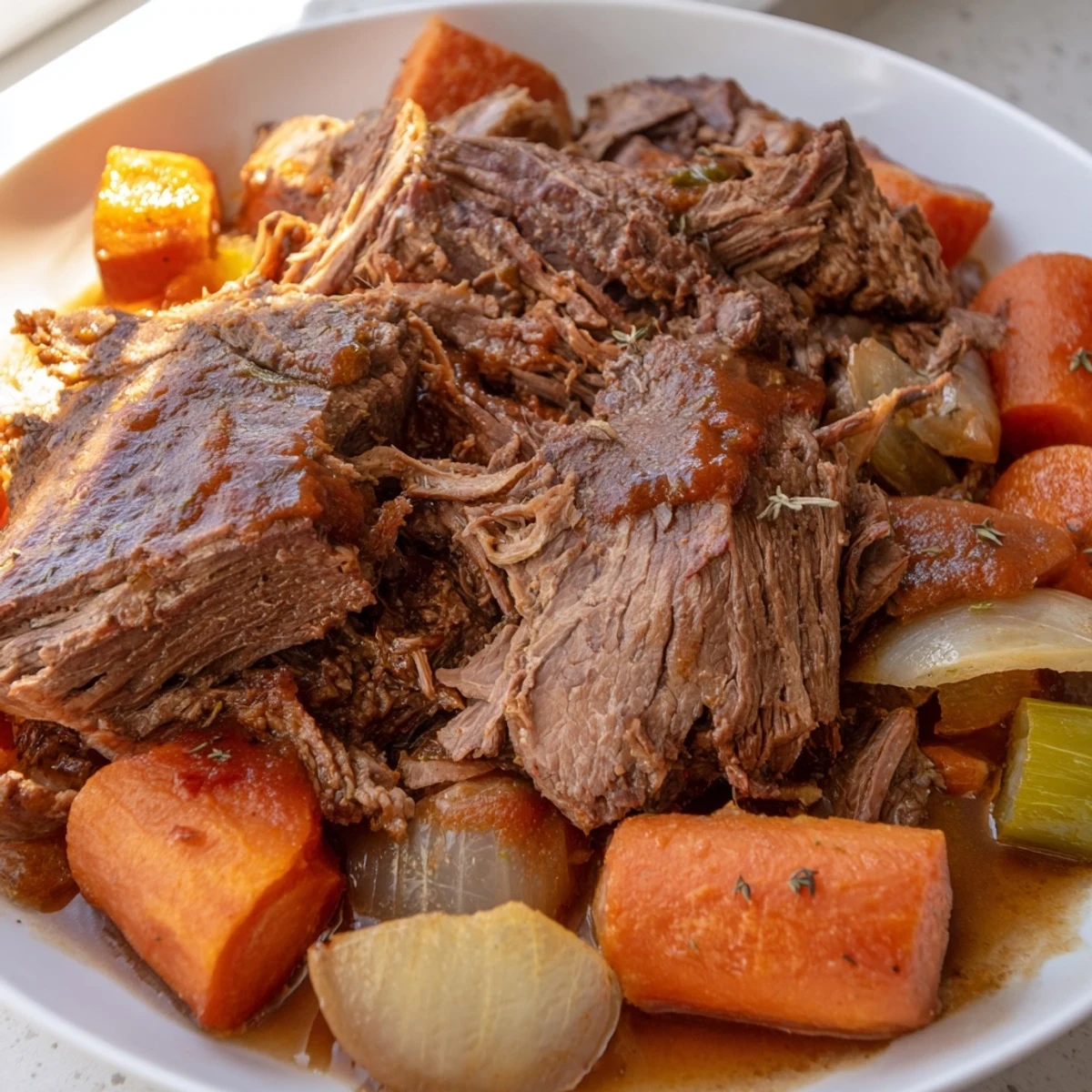
 There is something deeply satisfying about lifting the lid after three hours and watching steam rise while the whole kitchen smells like Sunday at my mothers table. The meat yields to the fork like it has been waiting its whole life for this moment.
Choosing the Right Cut of Beef
Not all roasts are created equal, and I learned this the hard way after buying a lean top round on sale and wondering why it came out like shoe leather. Chuck roast has the ideal balance of fat and collagen, which slowly melts during the long braise and keeps the meat juicy. Shoulder clod or brisket can work in a pinch, but chuck is the reliable friend that never lets you down. Trust the fat and it will trust you back.
Making It Your Own
Once you have the basic technique down, this recipe bends to whatever you have sitting in the pantry. I have tossed in halved potatoes, chunks of parsnips, and even a handful of mushrooms when they needed using up. The broth can swap between beef and chicken depending on what is open in the fridge, and a splash of balsamic vinegar at the end adds a surprising depth. The bones of this recipe are sturdy enough to hold whatever twists you throw at them.
Serving and Storing Like a Pro
The pan juices are liquid gold, so never pour them down the sink. Spoon them over mashed potatoes, egg noodles, or crusty bread and watch the plate disappear in minutes. Leftovers keep beautifully in the refrigerator for up to four days and reheat gently on the stove with a splash of extra broth.
- Shred leftover beef and tuck it into sandwiches with horseradish cream for the best next day lunch you will ever have.
- Freeze portions in airtight containers with the juices for up to three months for an instant comfort meal on busy nights.
- Always taste the sauce before serving and adjust with salt or a squeeze of lemon juice because flavors can settle during resting.
 Save to Pinterest
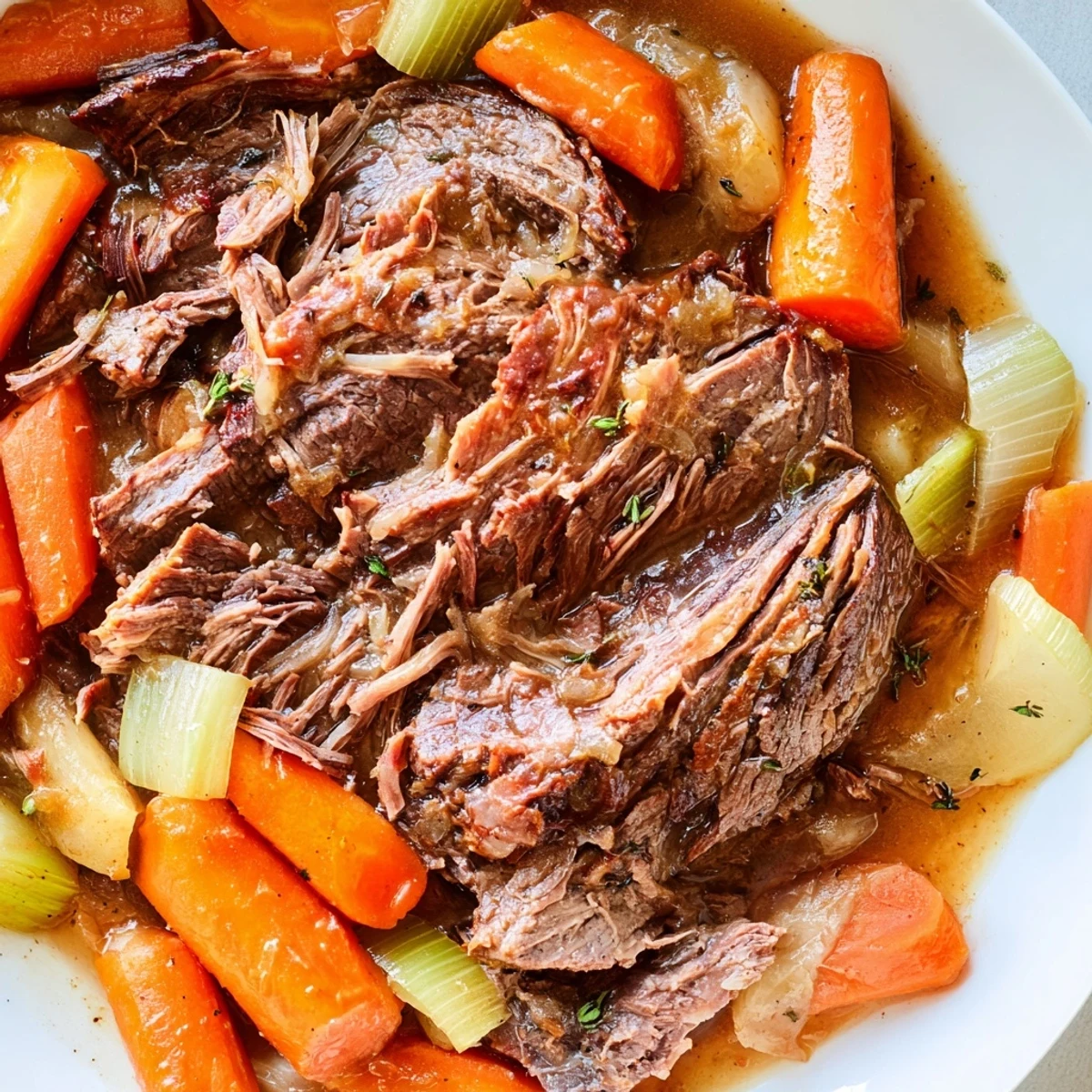
 Some dishes feed the body and some feed the people gathered around the table, and a good pot roast manages to do both without pretending to be anything fancy. It just shows up, warm and honest, and asks nothing of you but a fork and an appetite.
Recipe FAQs
- → What cut of beef works best for pot roast?
-
Beef chuck roast is the ideal choice. Its generous marbling and connective tissue break down during the long braise, resulting in tender, flavorful meat that shreds easily.
- → Can I make pot roast without red wine?
-
Absolutely. Simply substitute the wine with an equal amount of additional beef broth. The dish will still develop rich, deep flavors from the tomato paste, herbs, and caramelized vegetables.
- → Why do I need to sear the roast before braising?
-
Searing creates a deeply browned crust through the Maillard reaction, which adds complex caramelized flavors to the meat. Those browned bits left in the pot also flavor the entire braising liquid.
- → What temperature should pot roast be cooked at?
-
A low oven temperature of 300°F (150°C) is optimal. This gentle heat breaks down tough collagen in the chuck roast over approximately 3 hours without drying out the meat.
- → Can I add potatoes to this pot roast?
-
Yes, adding quartered potatoes or parsnips along with the other vegetables works wonderfully. Add them at the same time as the carrots and celery so they absorb the savory braising liquid.
- → How should I store and reheat leftovers?
-
Store leftover roast and vegetables in an airtight container with the pan juices in the refrigerator for up to 4 days. Reheat gently on the stovetop or in the oven with a splash of broth to keep the meat moist.