
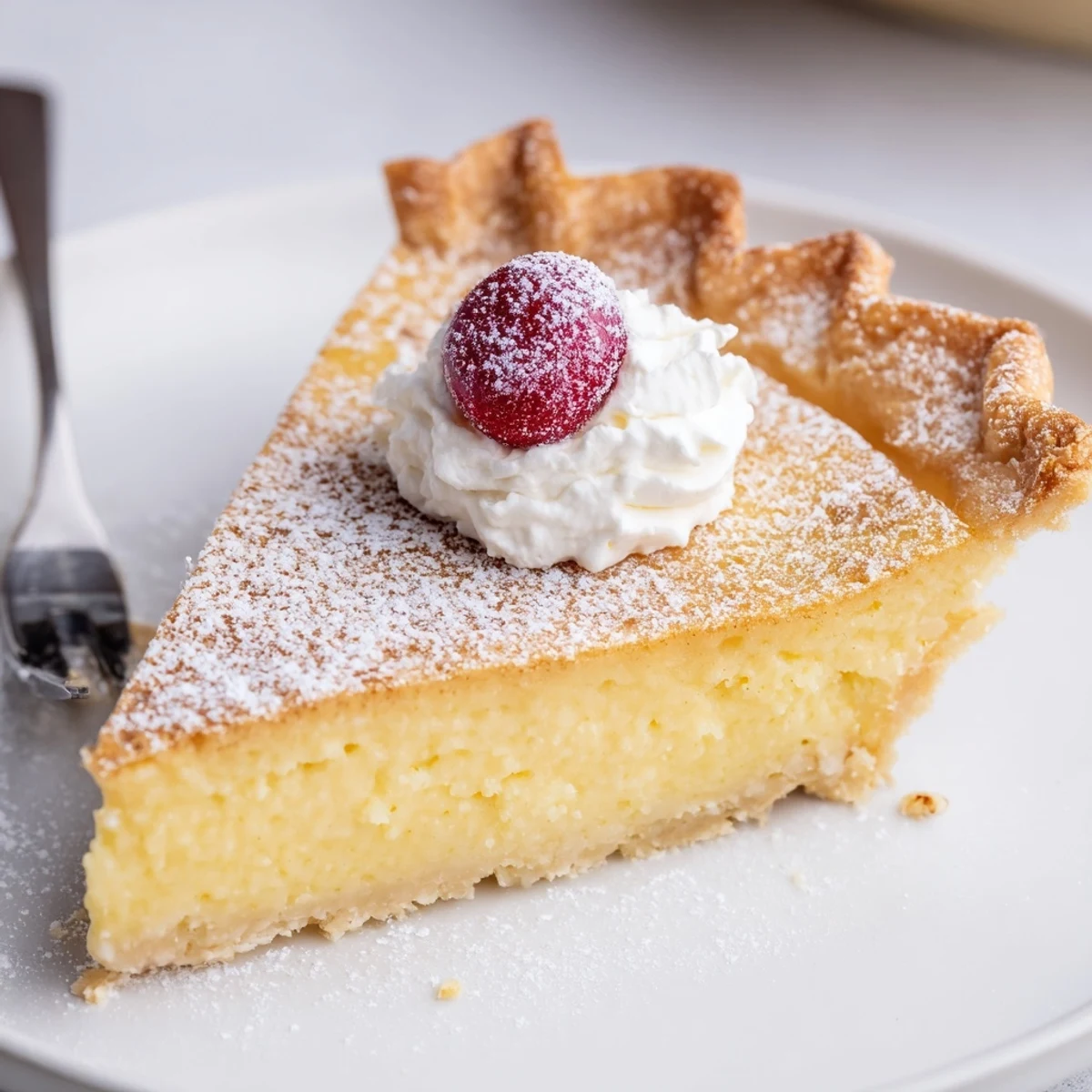
 Save to Pinterest
 Preheat oven to 350°F. Warm milk and cream, whisk eggs with sugar, cornstarch, vanilla, cinnamon and salt, then temper with the hot dairy. Strain for a silky texture, pour into an unbaked 9-inch crust and bake 45–50 minutes until the center is just set but still slightly wobbly. Cool on a rack, chill at least 2 hours, and finish with a cinnamon dusting or sugared cranberries. A splash of bourbon or brandy can be folded into the custard before baking for added warmth.
The gentle scent of cinnamon always seems to swirl through my kitchen just when winter settles in, but this custard pie carries that warmth a step further. The hum of conversation as I whisked together the first batch was the background music to December, punctuated by the little spatters of vanilla-scented milk on the stovetop. There's something quietly magical about watching the custard puff and settle in the oven, a calm moment in the midst of the Christmas Eve bustle. By the time the pie cools, I'm already sneaking a look at the glossy filling—hoping no one else beats me to the first slice.
The first year our family celebrated Christmas Eve at my place, I worried nothing would live up to my grandmother’s desserts. But as the laughter built and we passed around slices of this pie, even my skeptical uncle begrudgingly asked for seconds. That felt like the ultimate vote of confidence.
Ingredients
- Pie crust: If you're in a hurry, a store-bought crust works fine, but homemade adds a buttery richness and is worth every minute.
- Whole milk: Starting with whole milk creates that classic custard silkiness—avoid lower fat options for the most luxurious texture.
- Heavy cream: This is what gives the pie its decadent richness; don't skimp here.
- Eggs: The real magic-makers in custard—whisk them thoroughly for an even, set texture.
- Granulated sugar: Sweetens without overpowering, and dissolves perfectly with a bit of patient whisking.
- Cornstarch: Just enough to steady the custard but never make it gummy.
- Vanilla extract: The aroma lingers for hours, infusing every bite with gentle warmth.
- Ground cinnamon: Adds depth—sprinkle a little extra on top if you like the festive look.
- Fine sea salt: Trust me, just a pinch sharpens the flavors and keeps things from tasting flat.
- Powdered sugar: Optional, but dusting the pie before serving makes it feel like a tiny snowstorm happened just for dessert.
Instructions
- Crust prep:
- Nestle your pie crust into the pan, pressing gently into the edges and crimping or tidying the rim however you like it—imperfection is charming.
- Warm the dairy:
- Combine milk and cream in a saucepan and warm on medium until wisps of steam appear—listen for the first bubble and pull it off before it boils.
- Whisk the eggs and dry:
- In a mixing bowl, whisk eggs with sugar, cornstarch, vanilla, cinnamon, and salt until glossy and streak-free.
- Temper and combine:
- Slowly pour the warm milk mix into the eggs, whisking constantly so nothing curdles—feel the bowl grow warm in your hands.
- Smooth it out:
- Pour the custard through a mesh sieve into a clean bowl; it only takes a moment but means no lumps at all.
- Fill and bake:
- Pour the custard into your pie crust and slide gently into the oven—don’t forget to admire the nutmeg-flecked surface before it bakes.
- Check for doneness:
- After 45–50 minutes, the center should be just set but still a little wobbly; foil the edges if the crust gets too brown.
- Cool down:
- Let the pie rest on a rack, where you’ll hear the faintest custard sigh as it settles and firms up.
- Finishing touches:
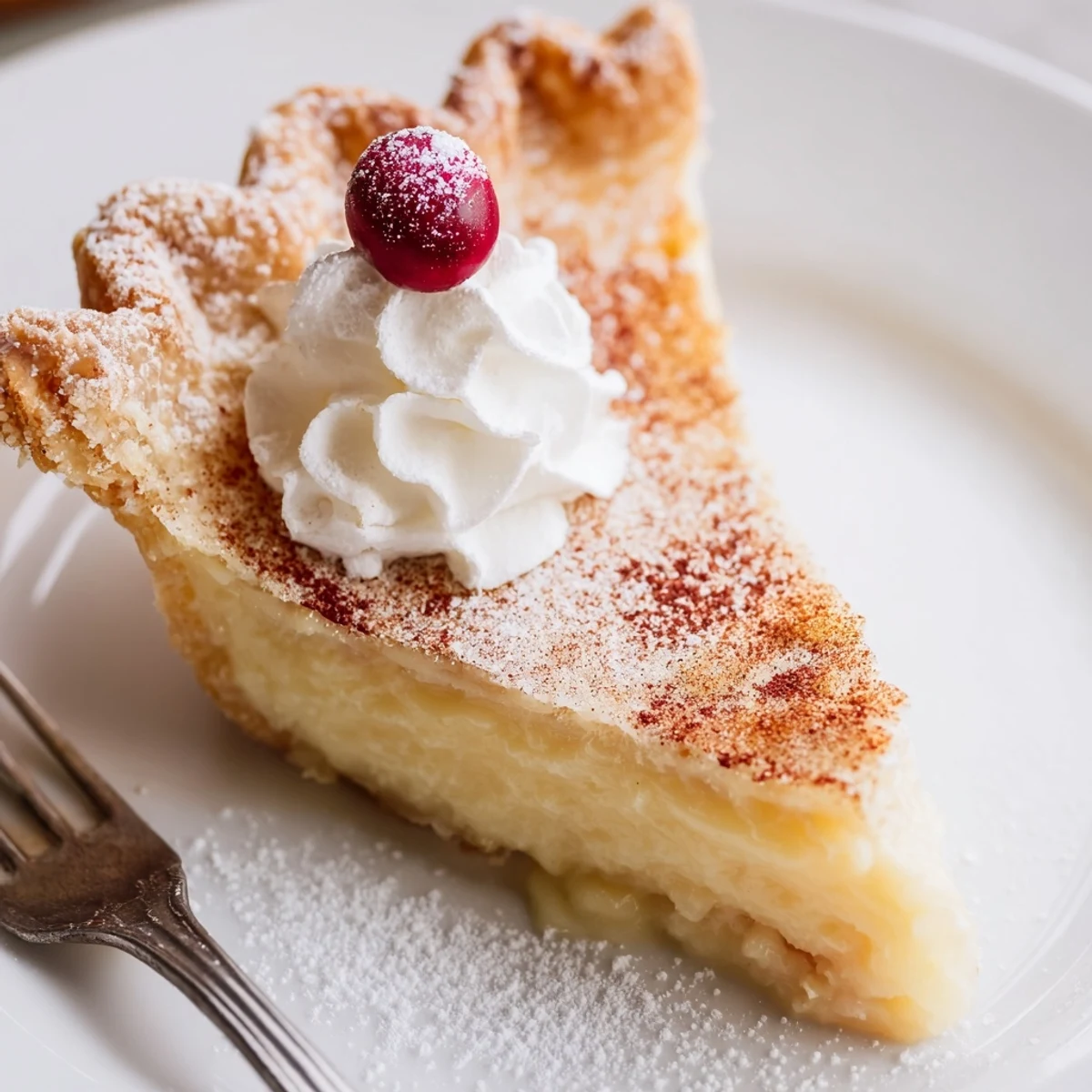
- Just before serving, give the top a sprinkle of cinnamon and a snowy dusting of powdered sugar—magical.
- Chill before slicing:
- Pop the pie in the fridge for at least two hours, letting the custard finish setting so every slice comes out clean.
 Save to Pinterest
 Around the table last Christmas Eve, someone quietly confessed they never liked custard. One bite in, that confession disappeared under a crumbly crust and giggles, and by the end, only a few golden crumbs were left as evidence of the pie ever existing.
The Pie That Surprises Crowd Skeptics
More than once, friends who claimed “custard isn’t my thing” ended up quietly requesting seconds. It’s the cinnamon’s gentle kick that wins them over, layered with that whisper of vanilla as the pie disappears slice by slice.
When to Make Ahead and When to Serve Fresh
This pie is happiest when it has a few hours in the fridge, so it’s perfect for prepping the morning of a celebration. Bring it out just as the festivities settle and you’ll get the cleanest, dreamiest slices.
Small Details That Make a Big Difference
Every time I’ve tried a shortcut or thought “close enough,” the result reminded me how much little steps matter—especially straining and cooling. Use the best vanilla you can get and let the pie cool completely before slicing, or you’ll end up with a mess on your plate instead of those picture-perfect wedges.
- Always whisk the eggs until streak-free to prevent uneven texture.
- Wrap the cooled pie loosely in plastic wrap to keep the top pristine.
- Resist the urge to slice before chilling—it’s worth the wait.
 Save to Pinterest
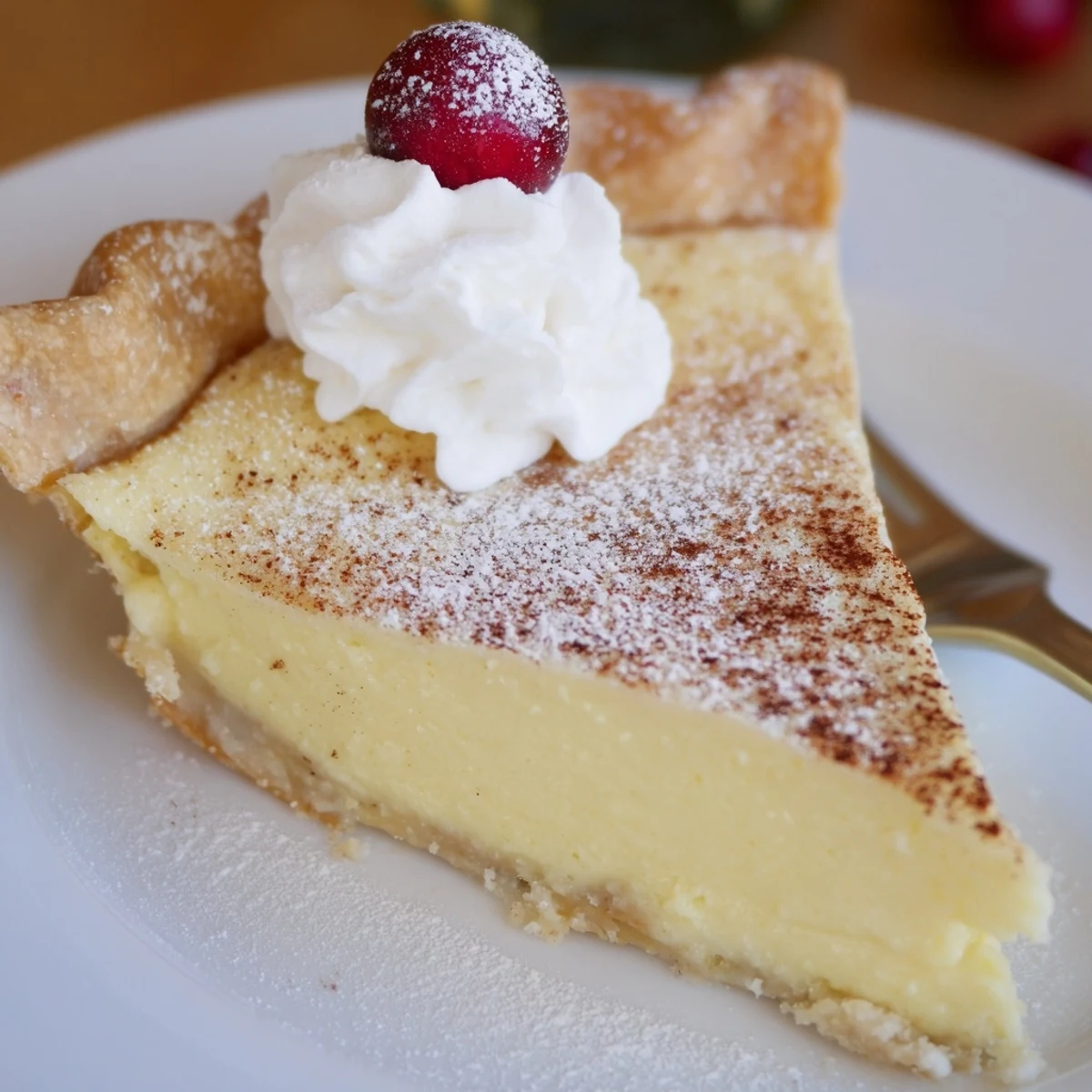
 When the last piece of this pie is gone and the cinnamon lingers in the air, it almost feels like the holiday lasted just a little longer. Save a sliver for yourself—there’s no better excuse to retreat to the kitchen and savor the season alone, even if only for a minute.
Recipe FAQs
- → Can I use lower-fat milk or half-and-half?
-
Lower-fat milk will yield a lighter filling; for the richest, creamiest texture use the combination of whole milk and heavy cream as listed. If using half-and-half, expect a slightly less custardy mouthfeel.
- → How do I prevent the custard from curdling or developing a grainy texture?
-
Warm the dairy gently and temper the eggs by slowly whisking the hot milk into the egg mixture. Cooking over moderate heat, straining the custard before baking, and avoiding rapid temperature changes help ensure a smooth, silky finish.
- → How can I tell when the filling is done baking?
-
The edges should be set and the center slightly wobbly when you gently shake the pan. The custard will continue to set as it cools; overbaking causes cracks and a rubbery texture, so aim for a soft, jiggle-center.
- → Can this be made ahead and how should I store it?
-
Yes. Cool completely, then chill for at least 2 hours before slicing; it keeps well covered in the refrigerator for up to 3 days. Bring to near serving temperature or serve chilled, depending on preference.
- → Is the cornstarch necessary and can it be substituted?
-
Cornstarch helps stabilize and thicken the custard for a firmer slice and smoother texture. You can omit it for a more delicate set, but you may need to adjust baking time or use an extra egg yolk for similar structure.
- → Can I add other flavors or mix-ins?
-
Yes. A splash of bourbon or brandy adds warmth; citrus zest, a touch of nutmeg, or a handful of sugared cranberries as a garnish all complement the cinnamon and vanilla without overwhelming the custard.