
 Save to Pinterest
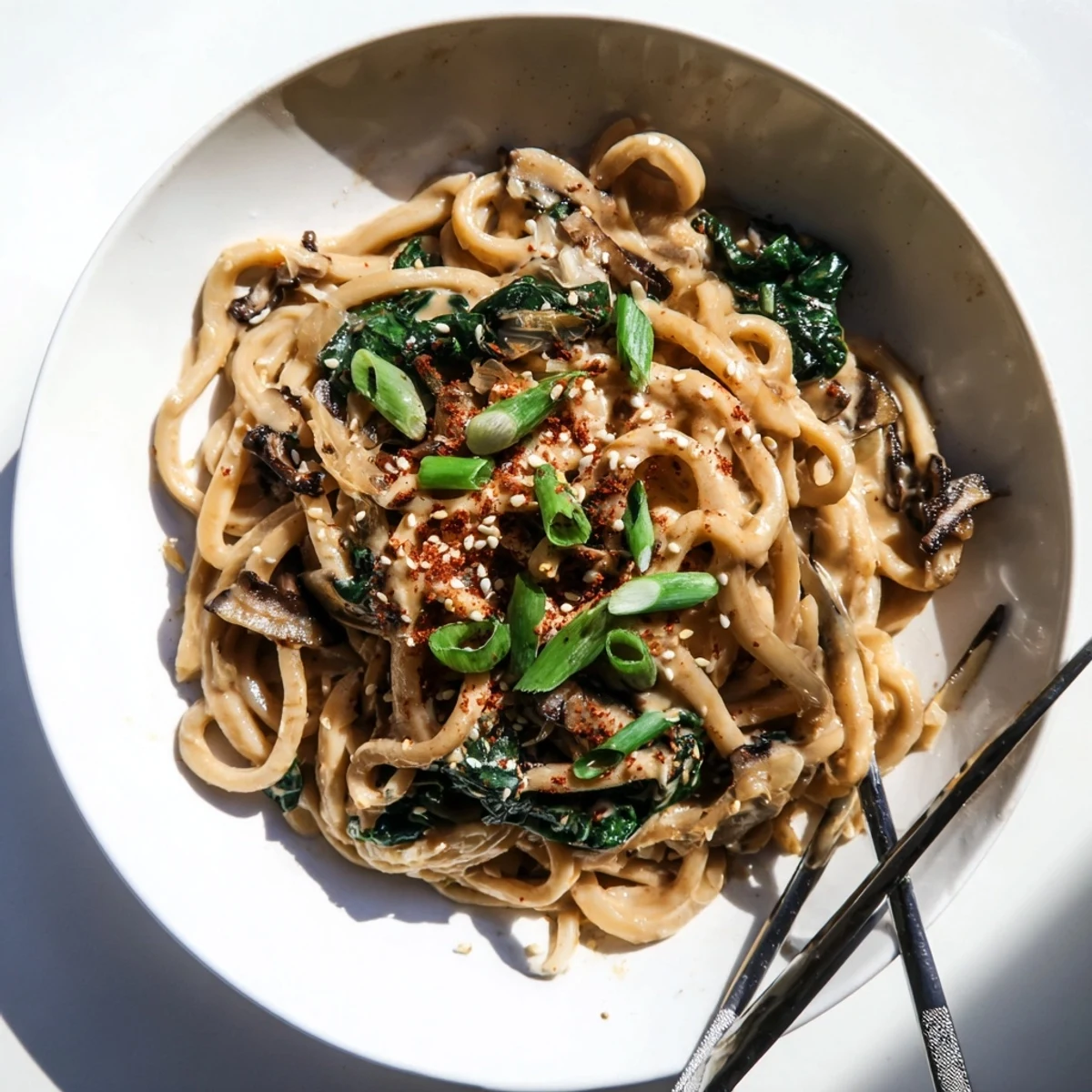
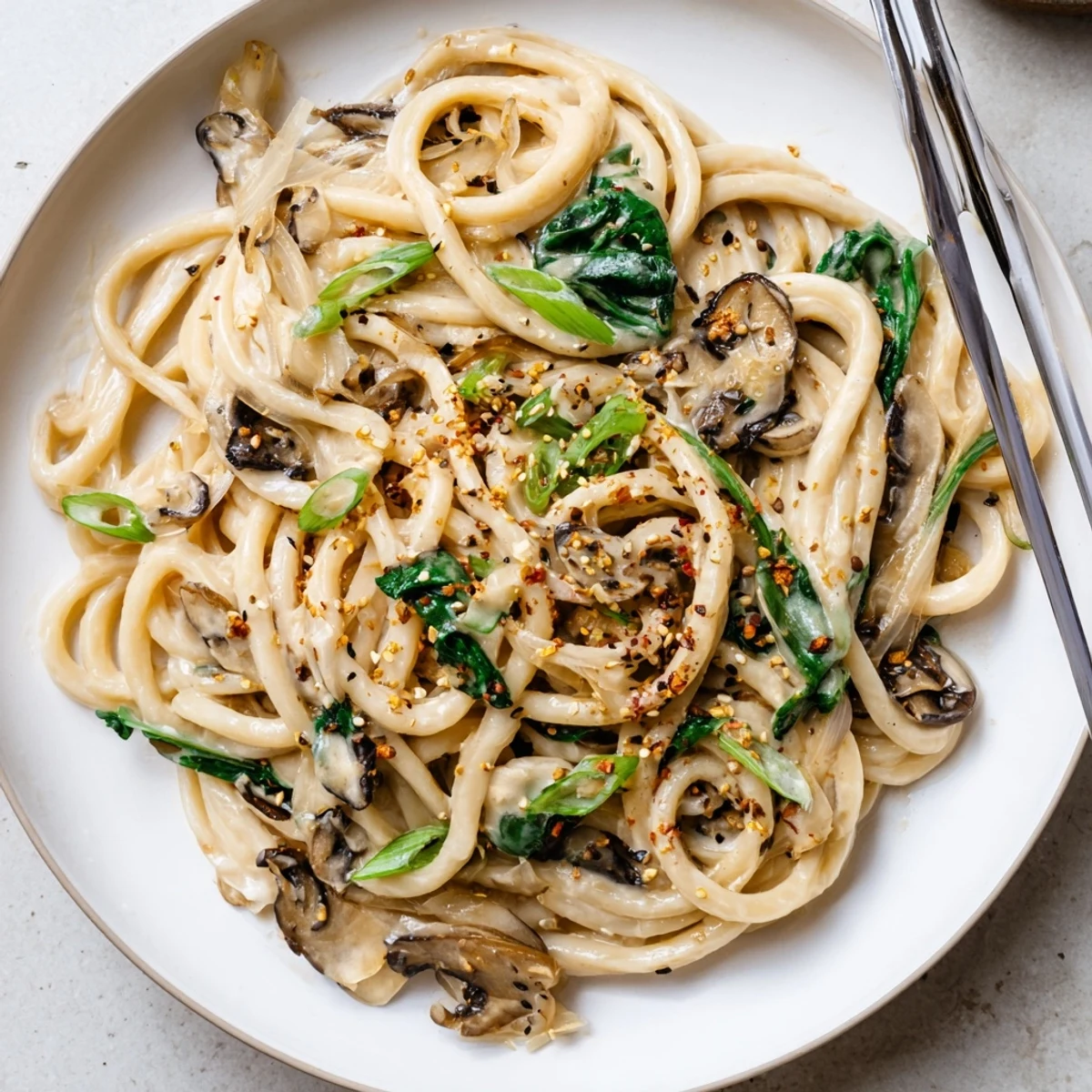
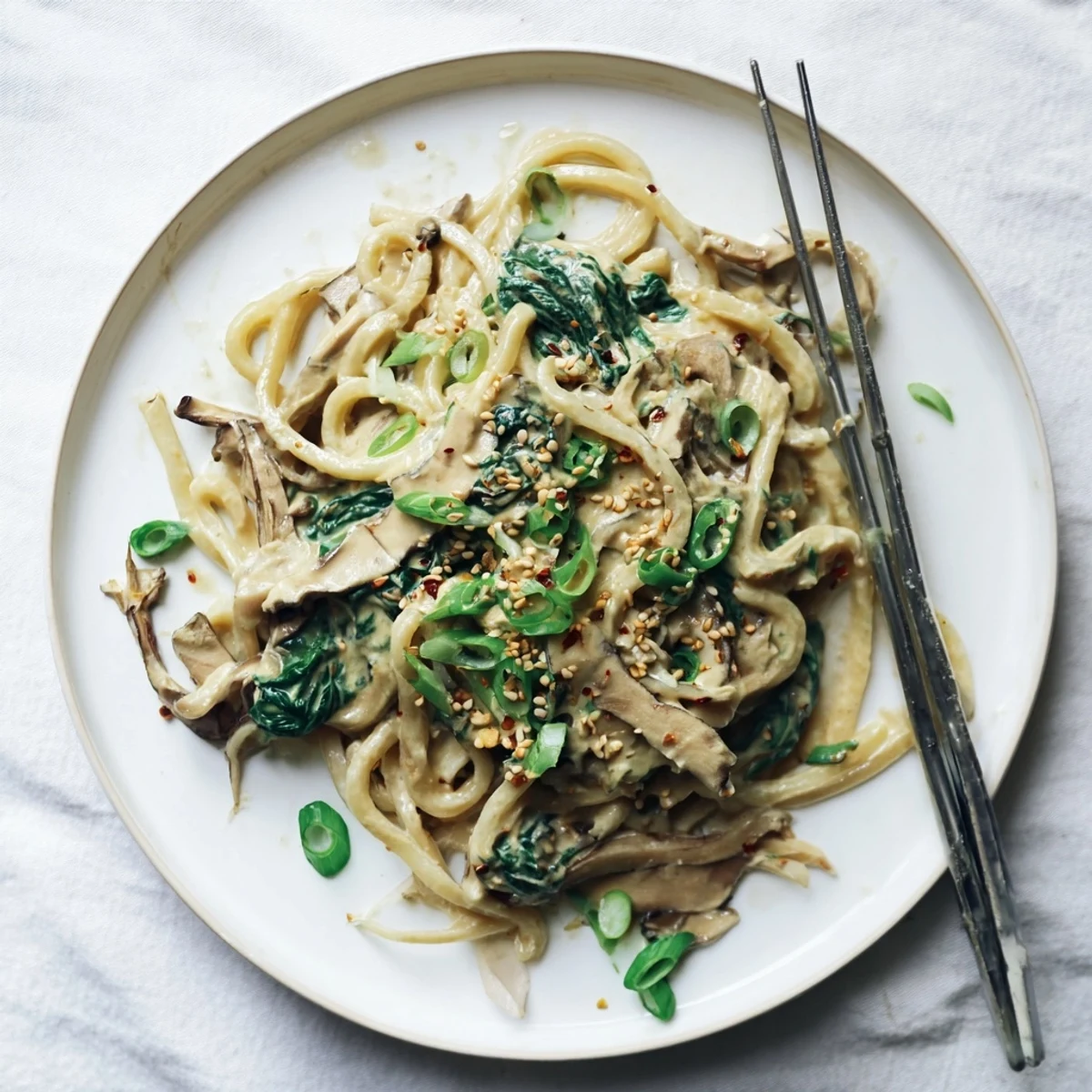
 Thick, chewy udon noodles get coated in a velvety miso cream sauce that brings together Japanese flavors and Western comfort. The dish comes together in just 25 minutes, making it perfect for weeknight dinners when you want something satisfying but don't want to spend hours at the stove.
Shiitake mushrooms add meaty texture while spinach provides fresh contrast against the rich, savory sauce. White miso paste forms the flavor base, delivering that signature umami depth that makes Japanese cuisine so addictive. A touch of sesame oil and ginger adds aromatic warmth.
This versatile dish works equally well with heavy cream for indulgence or plant-based cream for a lighter, dairy-free version. You can easily add tofu, edamame, or seasonal vegetables to make it your own. The result is restaurant-quality comfort food that comes together with minimal effort.
The rain was coming down in sheets last Tuesday when I realized my fridge was down to nothing but odds and ends. I found a tub of white miso hiding behind the yogurt and decided to experiment. That spontaneous kitchen adventure turned into something Ive now made four times this week because the texture is just that perfect.
My sister was over that rainy evening and we ended up eating straight from the pan while standing at the counter. She kept asking what I put in the sauce and could not believe it was mostly pantry staples. Now she texts me every time she makes it, which is basically saying something.
Ingredients
- 200 g fresh or frozen udon noodles: These thick chewy noodles are what make the dish feel substantial and restaurant quality.
- 1 tablespoon neutral oil: Canola or sunflower works perfectly for sautéing the vegetables without adding competing flavors.
- 1 small onion: Thinly sliced these become sweet and tender as they cook down in the sauce.
- 1 cup shiitake mushrooms: Sliced they add a meaty texture and earthiness that balances the rich cream sauce.
- 1/2 cup baby spinach leaves: These wilt down beautifully and add a fresh pop of color against the creamy noodles.
- 2 tablespoons white miso paste: The star ingredient that brings all that deep savory umami flavor to the sauce.
- 2 teaspoons soy sauce: Adds an extra layer of saltiness and depth to complement the miso.
- 1 teaspoon sesame oil: Just enough to give that nutty aromatic finish that makes it taste distinctly Japanese.
- 1 teaspoon grated ginger: Fresh ginger brings warmth and a gentle zing that cuts through the richness.
- 1 clove garlic: Minced it provides that aromatic backbone that makes everything taste better.
- 200 ml heavy cream: Creates that luxurious velvety sauce that coats the noodles perfectly.
- 60 ml water: Helps thin the sauce just enough so it coats everything without being too heavy.
- 1 tablespoon sliced green onions: Fresh garnish that adds brightness and a mild oniony bite.
- 1 teaspoon toasted sesame seeds: Sprinkled on top for that nutty crunch and visual appeal.
- Chili flakes: Optional but recommended if you like a little heat to cut through the cream.
Instructions
- Get your noodles going first:
- Cook the udon noodles according to package instructions then drain and set aside. Fresh ones only need a couple of minutes while frozen might take a bit longer.
- Sauté the aromatics:
- Heat the neutral oil in a large skillet over medium heat. Add the sliced onion and cook for about 2 minutes until it starts to soften and turn translucent.
- Add the mushrooms:
- Toss in the sliced shiitake mushrooms and sauté for 3 to 4 minutes. You want them tender and starting to get a little golden color.
- Build the flavor base:
- Stir in the minced garlic and grated ginger. Cook for just 1 minute until fragrant but be careful not to burn the garlic.
- Whisk the sauce:
- In a bowl combine the miso paste soy sauce sesame oil heavy cream and water. Whisk until completely smooth with no lumps of miso remaining.
- Make it creamy:
- Pour the sauce mixture into the skillet with the vegetables. Bring to a gentle simmer and cook for 2 to 3 minutes stirring frequently. The sauce will thicken slightly as it heats.
- Bring it all together:
- Add the cooked udon noodles and baby spinach to the skillet. Toss everything together until the noodles are well coated and the spinach has wilted into the sauce.
- Taste and adjust:
- Give it a final taste and adjust the seasoning if needed. You might want a splash more soy sauce depending on your miso brand.
- Finish and serve:
- Plate the noodles immediately while hot. Top with sliced green onions toasted sesame seeds and chili flakes if you want that extra kick.
 Save to Pinterest
 Last weekend I made this for a dinner party and everyone went quiet for the first five minutes just eating. Thats usually my sign that a recipe is a keeper. One friend asked if I could teach her how to make it which is basically the highest compliment.
Making It Your Own
Swap in whatever vegetables you have in the crisper drawer. Snow peas bell peppers or even broccoli work beautifully here. The sauce is forgiving enough that it will make anything taste good.
Protein Options
Crispy tofu cubes or pan fried tempeh would be fantastic additions. Just cook them separately and fold them in at the end so they stay crispy. Shredded chicken would also work if you eat meat.
Leftovers Love
This reheats surprisingly well for a cream based pasta dish. The noodles soak up more flavor overnight which actually makes it better the next day. Just add a splash of water when reheating to loosen the sauce back up.
- Store in an airtight container for up to 3 days.
- The noodles will continue absorbing liquid so leftovers become thicker.
- Reheat gently over medium low heat stirring frequently.
 Save to Pinterest
 Hope this brings you as much comfort on a rainy evening as it did for me. There is something so satisfying about a bowl of noodles that hits every single flavor note.
Recipe FAQs
- → What makes this udon dish creamy?
-
Heavy cream creates the rich, velvety texture that coats the udon noodles. You can substitute plant-based cream for a dairy-free version without losing the luxurious mouthfeel.
- → Can I make this miso udon ahead of time?
-
The sauce develops excellent flavor when made ahead, but udon noodles are best cooked fresh since they can become gummy when reheated. Store components separately and combine just before serving.
- → How do I adjust the seasoning?
-
Taste the finished dish before serving. If it needs more depth, add a splash of soy sauce. For more richness, stir in another tablespoon of cream. Fresh lime juice can brighten heavy flavors.
- → What vegetables work best in miso cream sauce?
-
Shiitake mushrooms provide the best umami match for miso, but you can use bok choy, snow peas, or bell peppers. Leafy greens like spinach or kale wilt beautifully into the creamy sauce.
- → Is this dish suitable for meal prep?
-
The sauce stores well for 3-4 days in the refrigerator. Cook fresh udon when ready to eat, or use vacuum-sealed cooked udon that reheats gently in the sauce without becoming mushy.
- → Can I make this gluten-free?
-
Use tamari instead of soy sauce and select gluten-free udon noodles made from rice or other alternative flours. The miso paste and remaining ingredients are naturally gluten-free.