
 Save to Pinterest
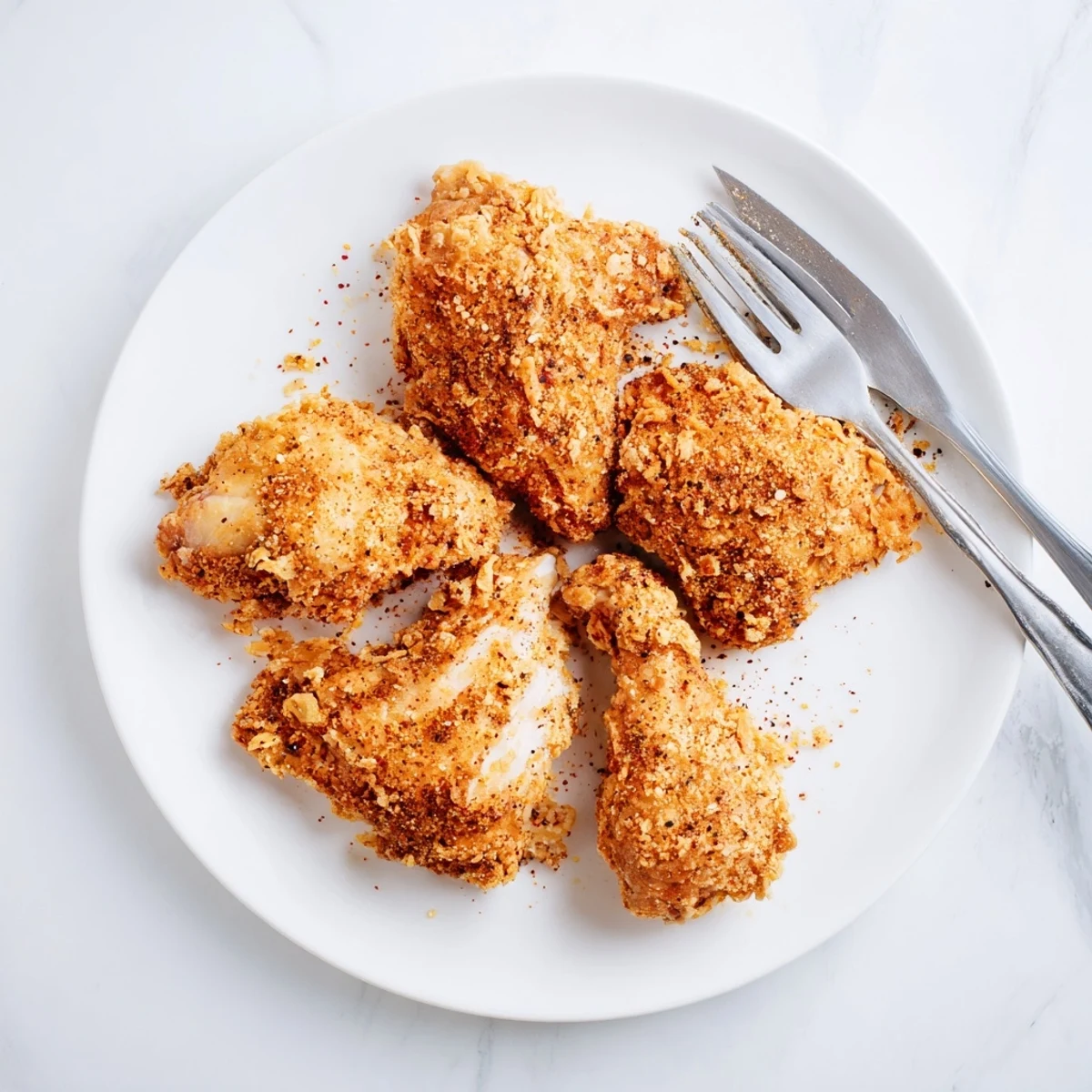
 Learn to make authentic Southern fried chicken with irresistibly crispy coating and tender, juicy meat. The buttermilk marinade ensures moisture while the seasoned flour blend creates that perfect crunch. This classic technique yields golden-brown pieces that are crunchy outside and succulent inside.
The kitchen was already warm by 10 AM, oil popping gently in the cast iron skillet while my grandmother hummed something I could never quite place. She had this way of knowing exactly when the oil was ready, no thermometer required, just a practiced hand hovering inches above the surface. That particular Sunday, she finally let me do the flour dredging myself, white dust coating my forearms like a badge of honor.
Years later, I stood in my own tiny apartment kitchen, phone wedged between shoulder and ear, my mother walking me through the ratio of spices she swore by. The smell hit me suddenly, transported me right back to that Sunday morning, newspaper spread across the table to catch the grease drips.
Ingredients
- 1 whole chicken, cut into pieces: Dark meat stays juicier but white pieces cook faster, ask your butcher to cut it if you want uniform pieces
- 2 cups buttermilk: The acidity here is non-negotiable, it breaks down fibers and creates that tangy Southern flavor profile
- 1 teaspoon hot sauce: Barely registers in the finished dish but adds a subtle background warmth that people notice but cannot name
- 2 cups all-purpose flour: Do not use cake flour, you need the structure here for that shatteringly crisp coating
- 2 teaspoons paprika: Hungarian is my go-to for that deep red color and slightly smoky undertone
- 1 teaspoon garlic powder: Not garlic salt, you want to control your sodium levels separately
- 1 teaspoon cayenne pepper: Adjust this based on your heat tolerance, the oil tames it slightly during frying
- Vegetable or peanut oil: Peanut oil has a higher smoke point and subtle nutty flavor, but vegetable works perfectly fine
Instructions
- Let the chicken soak:
- Whisk buttermilk, hot sauce, salt, and pepper in a large bowl, then submerge chicken pieces completely. Cover and refrigerate at least 4 hours, but overnight is even better for that fall-apart tenderness.
- Build your flour station:
- Combine flour with paprika, garlic powder, onion powder, cayenne, salt, and black pepper in a shallow dish. Whisk it thoroughly so the spices distribute evenly, you do not want any unexpected bites of pure cayenne.
- Set up your dredging line:
- Remove chicken from marinade and let excess drip off, but do not pat it dry. That wet surface is exactly what helps the flour cling so fiercely during frying.
- Get that coating on thick:
- Press each piece firmly into the seasoned flour, working it into every crevice. Shake off the excess but leave a substantial coating, then set pieces on a wire rack while the oil heats.
- Heat your oil properly:
- Bring oil to 350°F in a heavy skillet or deep fryer, maintaining that temperature throughout cooking. If you do not have a thermometer, a pinch of flour should sizzle immediately and float without burning.
- Fry in batches:
- Carefully lower chicken into hot oil, working in batches to avoid overcrowding. Cook 8 to 12 minutes per side until deep golden brown and the internal temperature hits 165°F.
- Rest before serving:
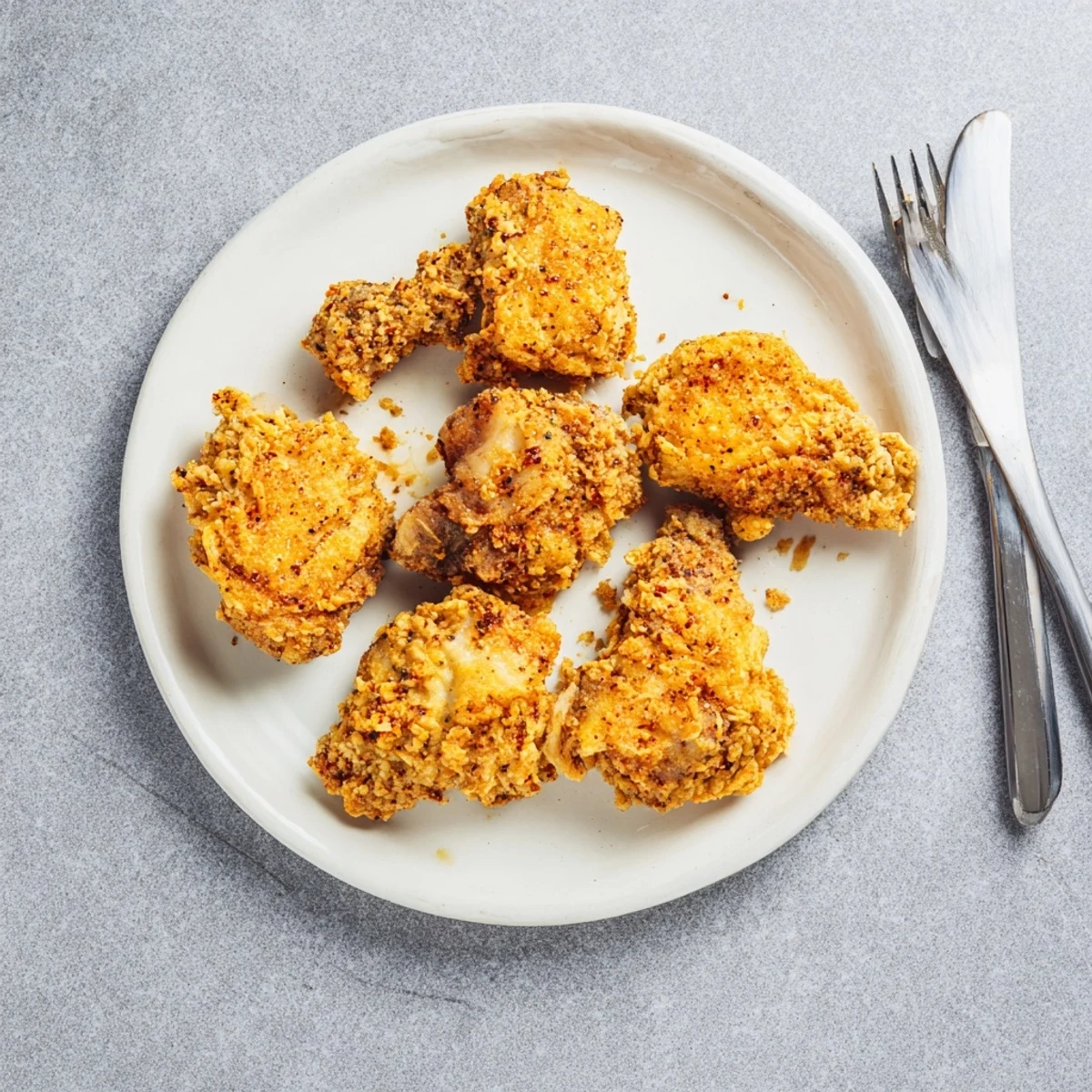
- Transfer finished pieces to a wire rack over paper towels, letting them rest 5 minutes. This crucial step lets the crust set and the juices redistribute throughout the meat.
 Save to Pinterest
 My friend Jason called me at midnight once, halfway through his first attempt, certain he had ruined everything because the coating kept falling off. We talked through his process, and it turned out he was skipping the wire rack rest, going straight from flour to hot oil. A week later, he sent a photo of his successful batch, the crust golden and intact.
Getting That Perfect Crisp
Double-dipping creates that restaurant-style coating that practically shatters when you bite into it. After your first flour coat, dip the chicken back into buttermilk for just a second, then press it into the flour mixture again. The second layer adheres to the wet buttermilk and fries up incredibly thick and crunchy.
Temperature Matters
Too hot and the outside burns before the inside cooks through, too cool and you end up with greasy, soft chicken. I keep a spare instant-read thermometer near the stove and check the oil temperature between every batch. The oil naturally drops when you add cold chicken, so give it a moment to recover before adding more pieces.
Make It Your Own
The spice blend is completely customizable once you understand the base ratios. I have added smoked paprika for extra depth, swapped in some cornmeal for texture, or thrown in dried herbs like thyme or oregano. Every Southern cook has their signature blend, and yours will evolve naturally over time.
- Try adding a tablespoon of sugar to the flour mixture for a slightly sweeter, caramelized crust
- A splash of pickle juice in the buttermilk adds another layer of tanginess
- Serve immediately, because fried chicken waits for no one and loses its magic as it cools
 Save to Pinterest
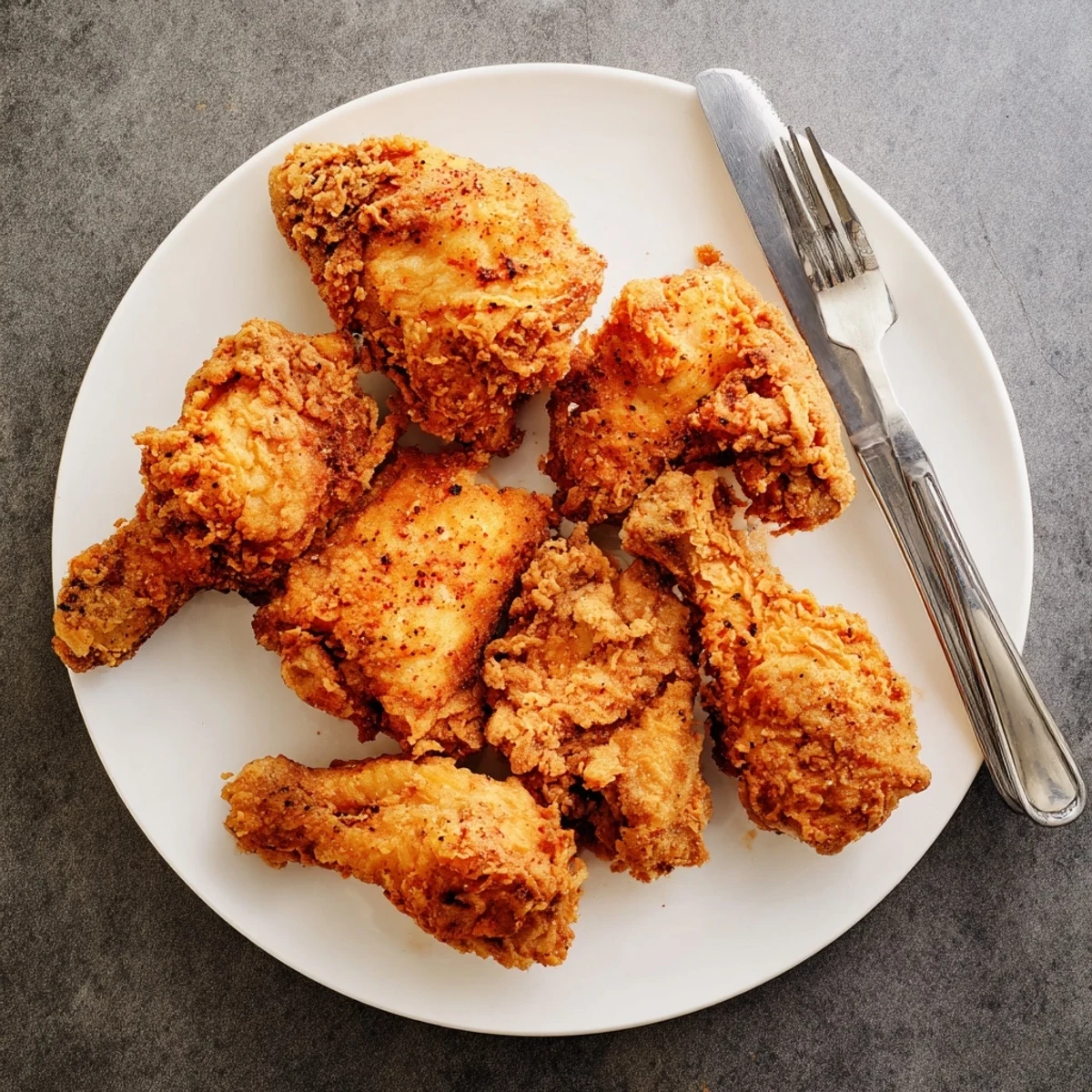
 There is something profoundly satisfying about placing a platter of crispy fried chicken on the table, watching people reach for pieces, the sound of that first crunch filling the room. Good food brings people together like nothing else.
Recipe FAQs
- → How long should I marinate the chicken?
-
Marinate for at least 4 hours, preferably overnight. The buttermilk needs time to tenderize the meat and infuse flavor throughout each piece.
- → What oil works best for frying?
-
Vegetable or peanut oil both work excellently. Peanut oil handles high heat well and adds a subtle nutty flavor, while vegetable oil remains neutral.
- → How do I know when the chicken is done?
-
Use a meat thermometer to check the internal temperature reaches 165°F (74°C). The coating should be deep golden brown and the juices run clear when pierced.
- → Can I make this ahead of time?
-
You can marinate up to 24 hours in advance. For best results, fry just before serving to maintain optimal crunchiness. Reheat in a 375°F oven if needed.
- → Why does the coating fall off?
-
Ensure chicken has excess buttermilk dripping off but isn't patted dry. Press the flour firmly onto the meat and let coated pieces sit briefly before frying to help the coating adhere.
- → What temperature should the oil be?
-
Maintain oil at 350°F (175°C). Too cool and the chicken becomes greasy; too hot and the coating burns before the meat cooks through.