
 Save to Pinterest
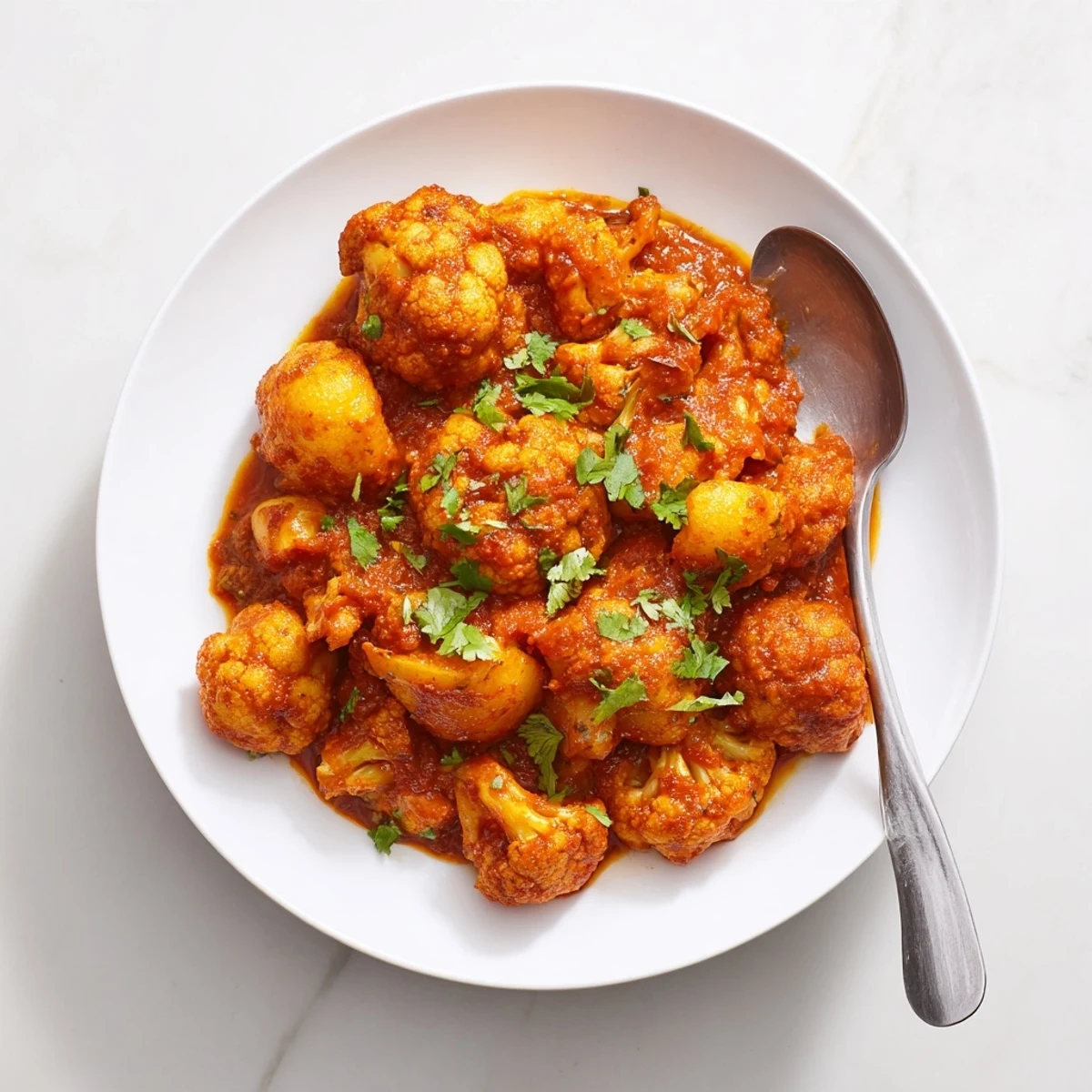
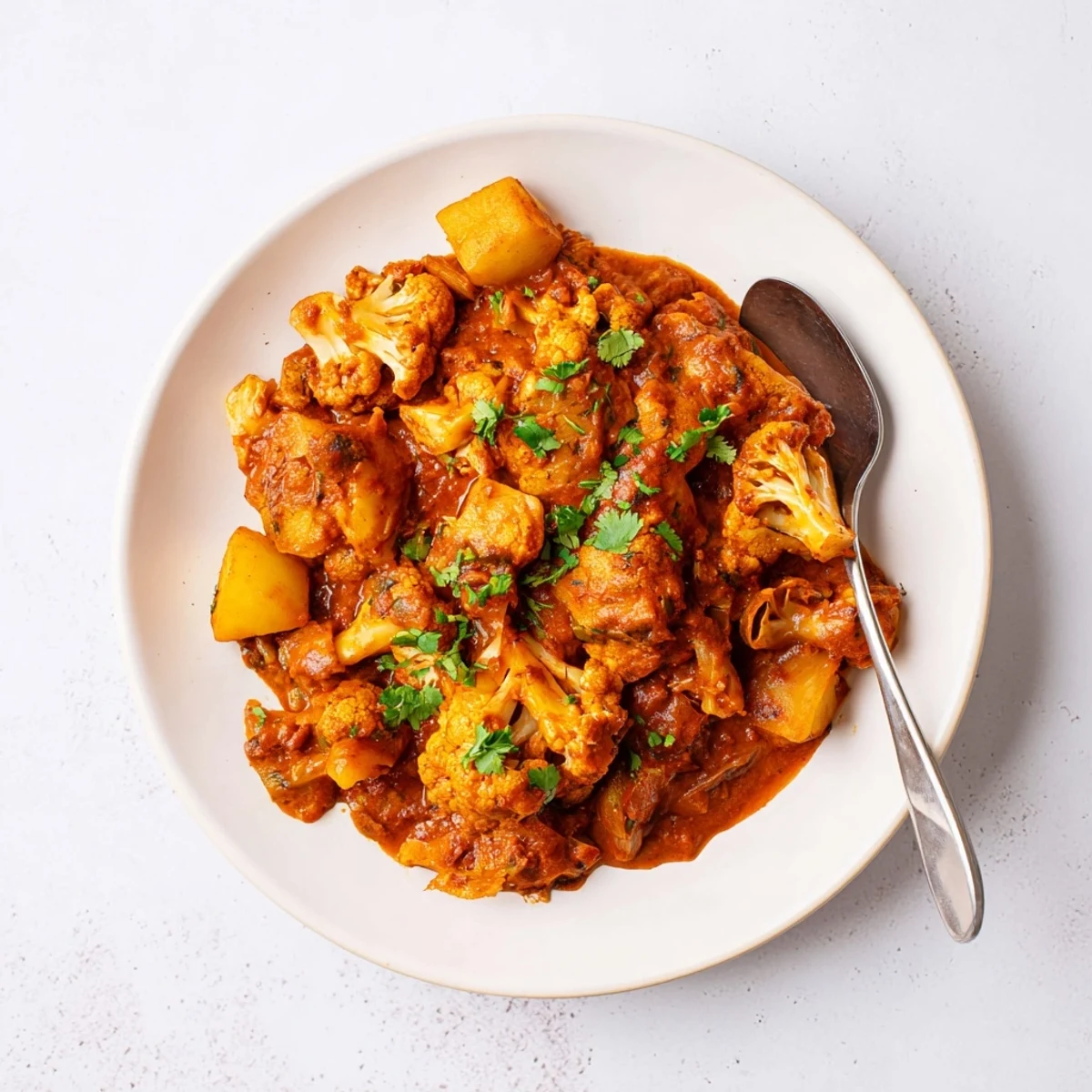
 This comforting Indian-inspired dish brings together tender potatoes and cauliflower florets in a luxurious, buttery tomato sauce. The vegetables are slowly simmered with aromatic spices like cumin, coriander, turmeric, and garam masala, creating layers of warming flavor. A touch of heavy cream at the end adds silkiness and balances the spices perfectly. Ready in just 45 minutes, this vegetarian and gluten-free main works beautifully alongside steamed basmati rice or warm naan bread for soaking up the flavorful sauce.
The smell of blooming spices in hot butter still takes me back to my first apartment kitchen, where I learned that Indian cooking isn't about precision—it's about trusting your nose. I'd call my mom every five minutes asking if the sauce looked right, until she finally told me to stop watching the clock and start watching the bubbles instead. That potato and cauliflower curry became my comfort-food safety net during stressful weeks, and now it's the one dish I can make without measuring anything.
I once made this for a friend who swore she hated cauliflower, and she went back for thirds. The vegetables absorb all that spiced tomato goodness until they're meltingly tender, and the cream at the end transforms everything into something luxurious without being heavy. It's become my go-to when I want to feed people something that feels special but doesn't require me to stand at the stove for hours.
Ingredients
- 3 medium potatoes: Yukon Gold or russet work perfectly here, peeled and cut into consistent 1-inch cubes so they cook evenly
- 1 medium head cauliflower: Cut into florets that aren't too tiny or they'll disappear into the sauce
- 1 medium onion: Finely chopped so it practically dissolves into the base
- 2 large tomatoes: Fresh tomatoes break down beautifully, but canned crushed tomatoes work in a pinch
- 3 cloves garlic: Minced fresh, not jarred—the flavor difference is worth the extra minute
- 1-inch fresh ginger: Grated directly into the pan, no need to peel it if it's young
- 1 ½ tsp ground cumin: Earthy foundation that makes everything taste properly Indian
- 1 ½ tsp ground coriander: Adds a subtle citrusy brightness that balances the richness
- 1 tsp ground turmeric: Mostly for that gorgeous golden color, but it adds its own mild flavor too
- 1 tsp garam masala: The warming finish that makes the house smell incredible
- ½ tsp chili powder: Start here and adjust—I usually end up adding a pinch more
- 1 tsp salt: You'll likely need more at the end, but this gets you started
- ¼ tsp black pepper: Freshly ground makes a noticeable difference
- 3 tbsp unsalted butter: The butter is non-negotiable for that restaurant-quality richness
- 2 tbsp vegetable oil: Prevents the butter from burning while you build the base
- ½ cup water: Creates the simmering liquid for the vegetables
- ⅓ cup heavy cream: Coconut cream works beautifully if you need it vegan
- 2 tbsp fresh cilantro: The bright herb finish cuts through all that richness
- Lemon wedges: Optional but highly recommended for squeezing over at the table
Instructions
- Build your base:
- Melt the butter with the oil in a large skillet over medium heat until it's foaming slightly, then add your chopped onion and let it soften until it's turning golden and sweet-smelling, about 5 minutes.
- Add the aromatics:
- Stir in the garlic and grated ginger and cook for just 1 minute until the raw garlic smell turns fragrant—you don't want to burn it or it'll turn bitter.
- Bloom your spices:
- Dump in all the ground spices—cumin, coriander, turmeric, garam masala, chili powder, salt, and pepper—and stir constantly for 30 seconds until they're sizzling and releasing their oils.
- Coat the potatoes:
- Add the potato cubes and stir for 3 minutes until they're completely coated in that spiced mixture and starting to look slightly glossy.
- Start the simmer:
- Pour in the chopped tomatoes and water, give everything a good stir, cover the pan, and let it simmer gently for 10 minutes to start softening the potatoes.
- Add the cauliflower:
- Stir in the cauliflower florets, recover the pan, and cook for another 12 to 15 minutes until both vegetables are tender when pierced with a fork.
- Finish with cream:
- Lower the heat and stir in the heavy cream, letting it simmer uncovered for 3 to 4 minutes until the sauce thickens and coats the back of a spoon.
- Adjust and serve:
- Taste and add more salt or chili powder if it needs it, then scatter with fresh cilantro and bring those lemon wedges to the table.
 Save to Pinterest
 This recipe has become my default for potlucks because it travels well and actually improves as it sits. I love serving it with fluffy basmati rice that soaks up every drop of that spiced sauce, but warm naan for scooping is just as good.
Making It Your Own
I've learned that this curry is incredibly forgiving once you understand the basic technique. Sometimes I throw in frozen peas during the last 5 minutes for pops of sweetness, or I'll add a chopped green chili with the onions if I want more heat.
Serving Suggestions
A simple cucumber raita on the side helps cool everything down if you went heavy on the chili powder. I also like to set out small bowls of extra chopped cilantro, sliced red onion, and pickled carrots so everyone can customize their bowl.
Storage and Reheating
This keeps beautifully in the refrigerator for up to 4 days and actually tastes better on day 2 when the spices have had more time to meld. Reheat it gently with a splash of water to loosen the sauce.
- Freeze individual portions for up to 3 months
- The cream might separate slightly when frozen but it comes back together when reheated
- Always reheat on the stove rather than the microwave for the best texture
 Save to Pinterest
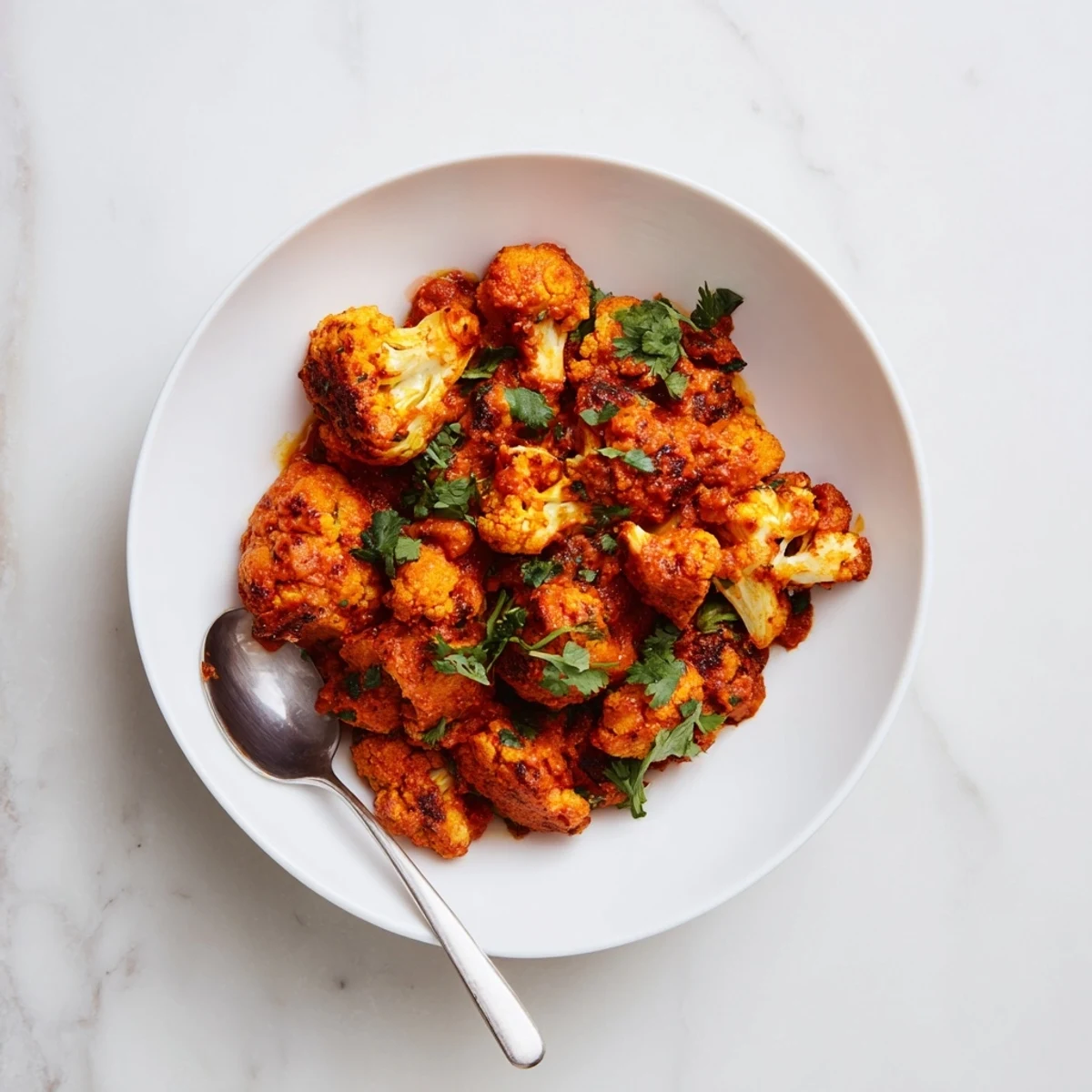
 There's something deeply satisfying about a one-pan vegetarian meal that tastes this indulgent. I hope this becomes a regular in your dinner rotation like it has in mine.
Recipe FAQs
- → Can I make this dish vegan?
-
Absolutely. Replace the butter with plant-based butter or coconut oil, and use coconut cream or a non-dairy cream alternative instead of heavy cream. The result remains rich and satisfying.
- → How can I adjust the spice level?
-
Reduce or omit the chili powder for a milder version. For extra heat, add a chopped green chili pepper when sautéing the onions, or increase the chili powder to taste. The spices can be adjusted at the end as well.
- → What vegetables work well in this dish?
-
Beyond potatoes and cauliflower, try adding green peas during the last few minutes of cooking, diced carrots with the potatoes, or bell peppers for extra color. The sauce pairs beautifully with most hearty vegetables.
- → Can I prepare this in advance?
-
Yes, this dish actually improves after sitting. Make it up to two days ahead and refrigerate. Reheat gently on the stovetop, adding a splash of water if needed to loosen the sauce. The flavors will have melded beautifully.
- → What should I serve with butter spiced vegetables?
-
Steamed basmati rice or warm naan bread are traditional choices for soaking up the flavorful sauce. This also pairs well with roti, quinoa, or served as part of a larger Indian-inspired spread alongside dal and raita.
- → Why do the potatoes go in before the cauliflower?
-
Potatoes take longer to cook than cauliflower, so they need about 10 minutes of simmering time first. Adding the cauliflower later ensures both vegetables become tender at the same time without either becoming mushy.