
 Save to Pinterest
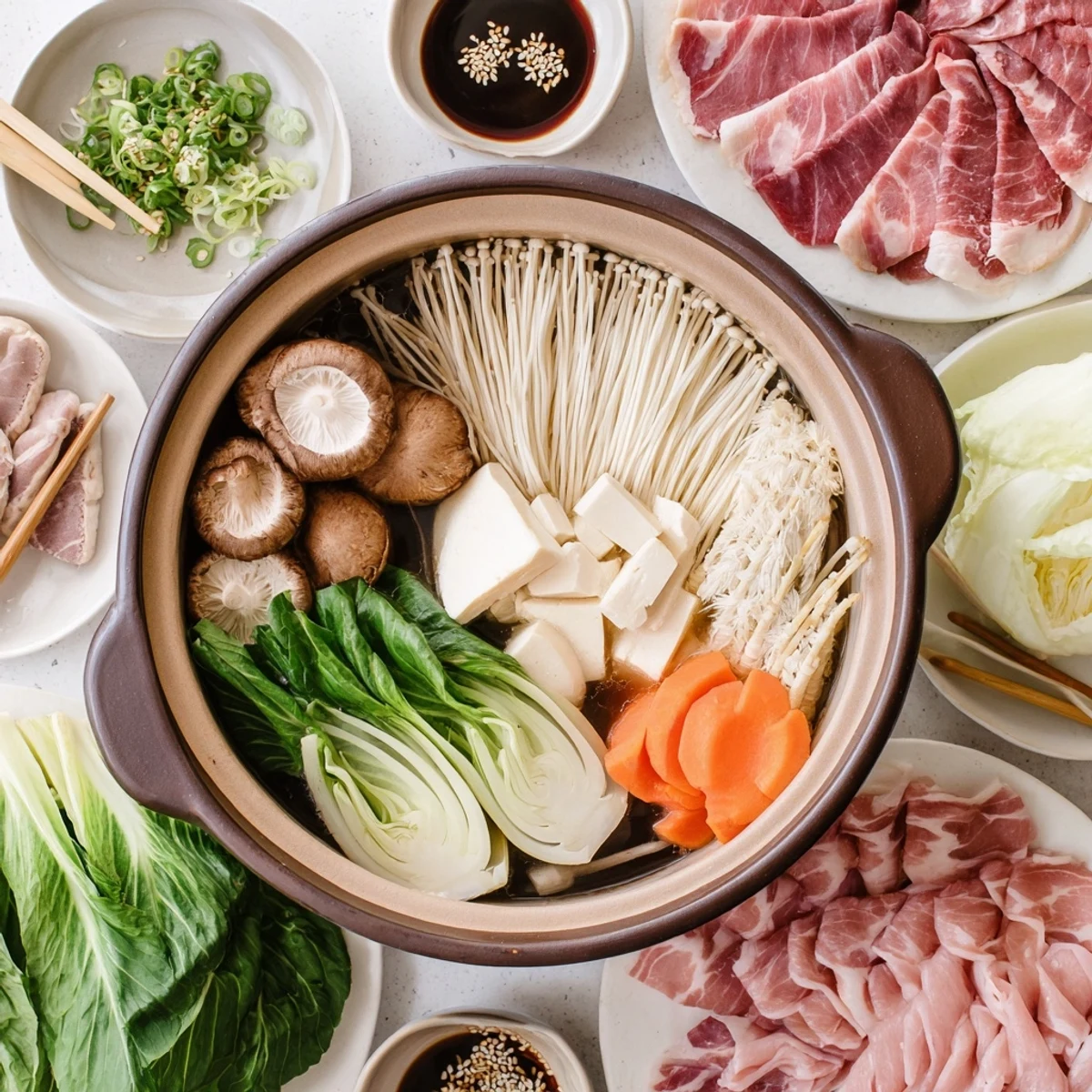
 Transform your dining table into a traditional Japanese experience with shabu shabu, where thinly sliced beef and pork meet simmering dashi broth. The name comes from the gentle swishing motion—swish, swish—as ingredients cook momentarily in the aromatic stock.
Fresh Chinese cabbage, spinach, carrots, shiitake and enoki mushrooms, and silky tofu join the meats, creating a colorful spread perfect for sharing. Each bite dips into either bright citrusy ponzu or rich, nutty sesame sauce.
The meal culminates with udon noodles absorbing the deeply flavored broth, ensuring nothing goes to waste. Perfect for gatherings, this communal cooking method brings everyone together around the simmering pot.
The first time I experienced shabu shabu was during a snowy winter in Kyoto. My Japanese host family set up the portable burner right in the center of their low wooden table, the steam rising up to fog the windows as we gathered around. What struck me most wasnt just the incredible flavors but how the meal transformed into this communal, almost meditative experience where everyone cooked together.
Last February I hosted a shabu shabu night for six friends who had never tried Japanese hot pot before. I laid out all the ingredients on these beautiful serving platters, rainbow colored vegetables against the pale tofu and marbled beef. By the end of the night everyone was relaxed, full, and already planning our next hot pot gathering, which is exactly the kind of dinner memory I love creating.
Ingredients
- 8 cups dashi stock: Dashi forms the soul of this dish, bringing that essential umami depth that makes everything else shine
- 2-inch piece kombu: This dried kelp infuses the broth with subtle ocean notes and naturally enhances savory flavors
- 400 g thinly sliced beef sirloin or ribeye: The paper thin slices are nonnegotiable, they cook instantly and melt in your mouth
- 200 g thinly sliced pork loin: An optional addition that brings a different texture and mild sweetness to the table
- 1/2 Chinese cabbage: This becomes sweet and silky in the broth, absolutely essential for the full experience
- 1 bunch spinach: The leaves wilt beautifully and add fresh green color to each bowl
- 1 large carrot: Thin slices keep their slight crunch and add natural sweetness
- 200 g shiitake mushrooms: These meaty mushrooms become incredibly savory after their hot bath
- 200 g enoki mushrooms: Their long delicate stems are fun to eat and absorb flavors wonderfully
- 1 leek: Diagonal slices look elegant and bring a mild onion flavor
- 1 block tofu: Cubes of silky or firm tofu soak up the seasoned broth like little flavor sponges
- 200 g udon noodles: The perfect way to finish, these chewy noodles turn the remaining broth into soup
- 1/2 cup ponzu sauce: This citrusy soy sauce cuts through the rich meat with bright acidity
- 1/2 cup sesame sauce: Creamy and nutty, this creates a luxurious coating for everything it touches
- 2 green onions: Fresh garnish that adds a sharp bite and pop of color
- 2 tbsp toasted sesame seeds: Sprinkle these over everything for extra nuttiness and texture
Instructions
- Prepare the aromatic broth:
- Place the kombu gently in the dashi stock and warm it slowly, removing the kelp right before bubbles appear. Keep the broth at a lazy simmer throughout the meal.
- Create your ingredient canvas:
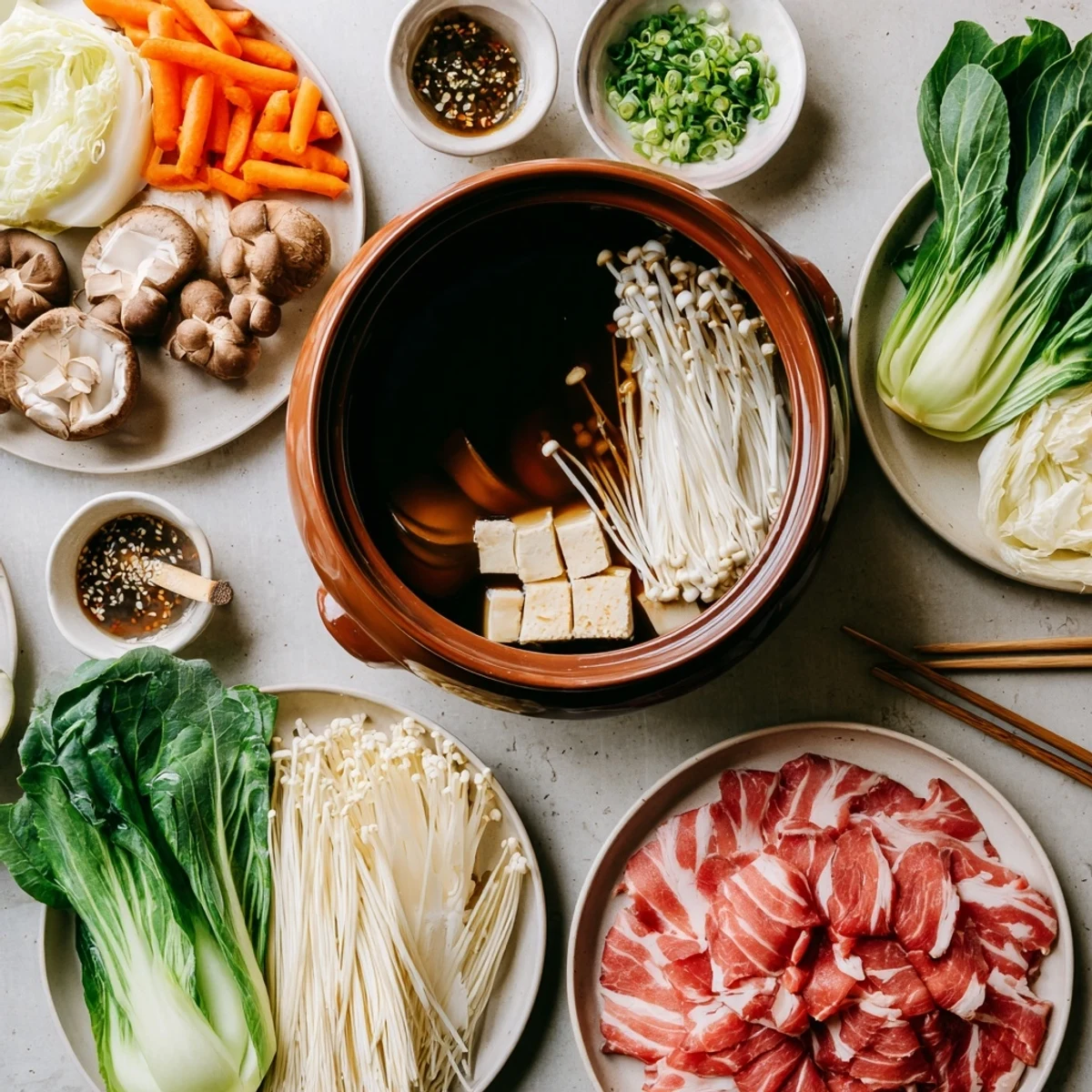
- Arrange all the meats, vegetables, tofu cubes and noodles on large platters, making them look as beautiful as they taste. Group similar items together and leave space around everything for easy reaching.
- Set the stage:
- Position your portable burner or induction cooktop safely at the center of the table, with the simmering pot ready. Make sure everyone has their own small bowl for dipping sauces.
- Master the swish:
- Each person picks up meat or vegetables with chopsticks and swishes them back and forth in the hot broth until just cooked through. The word shabu shabu actually imitates this swishing sound.
- Sauce and savor:
- Immediately dip your perfectly cooked pieces into either the bright ponzu or the rich sesame sauce. Try both sauces with different ingredients to discover your favorite combinations.
- Finish with noodles:
- When everyone has had their fill of the main ingredients, add the udon noodles directly into the flavorful remaining broth. Let them simmer briefly until heated through and serve this soup as a satisfying finale.
 Save to Pinterest
 My most memorable shabu shabu moment happened during my birthday dinner last year. Between swishes of beef and sips of sake, my friends started sharing stories about their own family food traditions. The hot pot became this catalyst for connection, exactly what the best meals should be.
Choosing Your Broth
While traditional dashi is wonderful, Ive found that a high quality low sodium chicken broth works beautifully as a substitute. The key is starting with something clean and flavorful that wont overpower the delicate ingredients. Make whatever broth you choose the day before if possible, the flavors develop and deepen with time.
Getting The Right Cut
Ask your butcher to slice the beef paper thin, or briefly freeze the meat for 20 minutes and slice it yourself using a very sharp knife. The meat should be almost translucent, thin enough to see light through it. This isnt just about tradition, these delicate slices cook in seconds and stay incredibly tender.
Perfecting The Setup
The arrangement matters more than you might think. I group ingredients by cooking time, putting quick cooking items like spinach near the edges and hearty vegetables like carrots closer to the center. Consider having two sets of tongs or extra chopsticks for raw ingredients to keep everything sanitary.
- Keep a small bowl of water on the table for dipping chopsticks between ingredients
- Have extra sauce ingredients ready in case people want to adjust flavors
- Place trivets or heat resistant mats under the portable burner
 Save to Pinterest
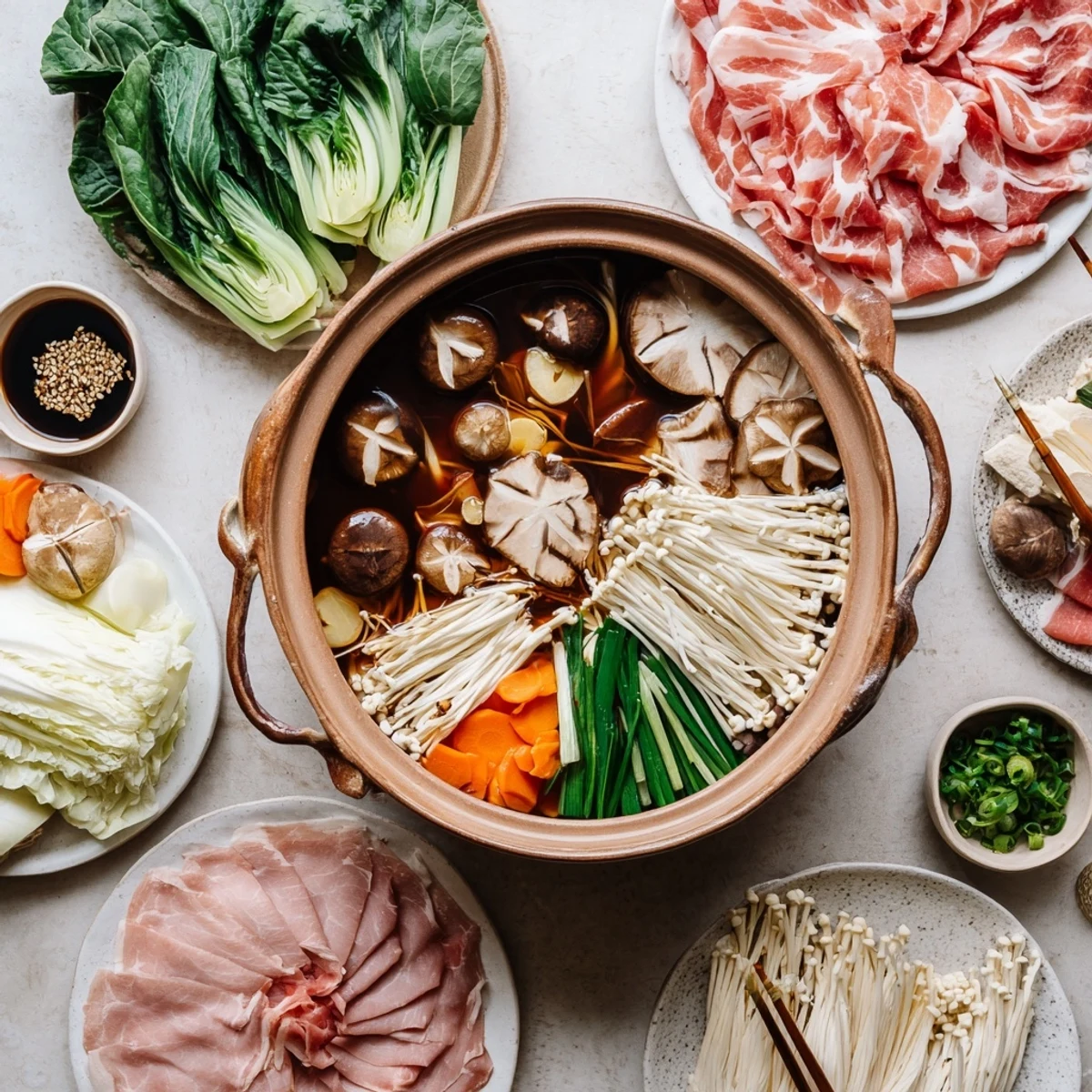
 Theres something magical about gathering around a simmering pot, cooking and eating together at the same pace. Shabu shabu turns dinner into an experience, and I hope it brings as much warmth to your table as its brought to mine.
Recipe FAQs
- → What does shabu shabu mean?
-
Shabu shabu is an onomatopoeia describing the swishing sound made when thinly sliced meat is gently waved through the hot broth. This quick cooking technique—just a few seconds per piece—keeps the meat tender and juicy.
- → Can I make this vegetarian?
-
Absolutely. Use kombu dashi (kelp-based stock) instead of traditional dashi, and omit the meats entirely. Load up on extra tofu, mushrooms, and vegetables. The cooking method and dipping sauces remain just as satisfying.
- → What's the difference between shabu shabu and sukiyaki?
-
While both feature thinly sliced meat and vegetables, sukiyaki cooks ingredients in a sweetened soy sauce broth, while shabu shabu uses a light, savory dashi. Shabu shabu also emphasizes dipping cooked items into separate sauces, whereas sukiyaki flavors are built into the pot.
- → How do I slice meat thinly enough?
-
Ask your butcher to slice the beef or pork paper-thin—about 1/8 inch. If slicing at home, partially freeze the meat for 30-60 minutes beforehand; it will slice cleanly and thinly. Alternatively, look for pre-sliced hot pot meats at Asian markets.
- → What can I serve alongside?
-
Japanese short-grain rice makes an excellent accompaniment. A crisp cucumber salad or pickled vegetables provide contrast. For beverages, cold sake or Japanese green tea complement the clean, savory flavors perfectly.
- → Is the leftover broth reusable?
-
The final broth, enriched with meat juices and vegetable essences, becomes deeply flavorful. Adding udon noodles to finish the meal is traditional. You can also save this enriched broth as a base for miso soup the next day.