
 Save to Pinterest
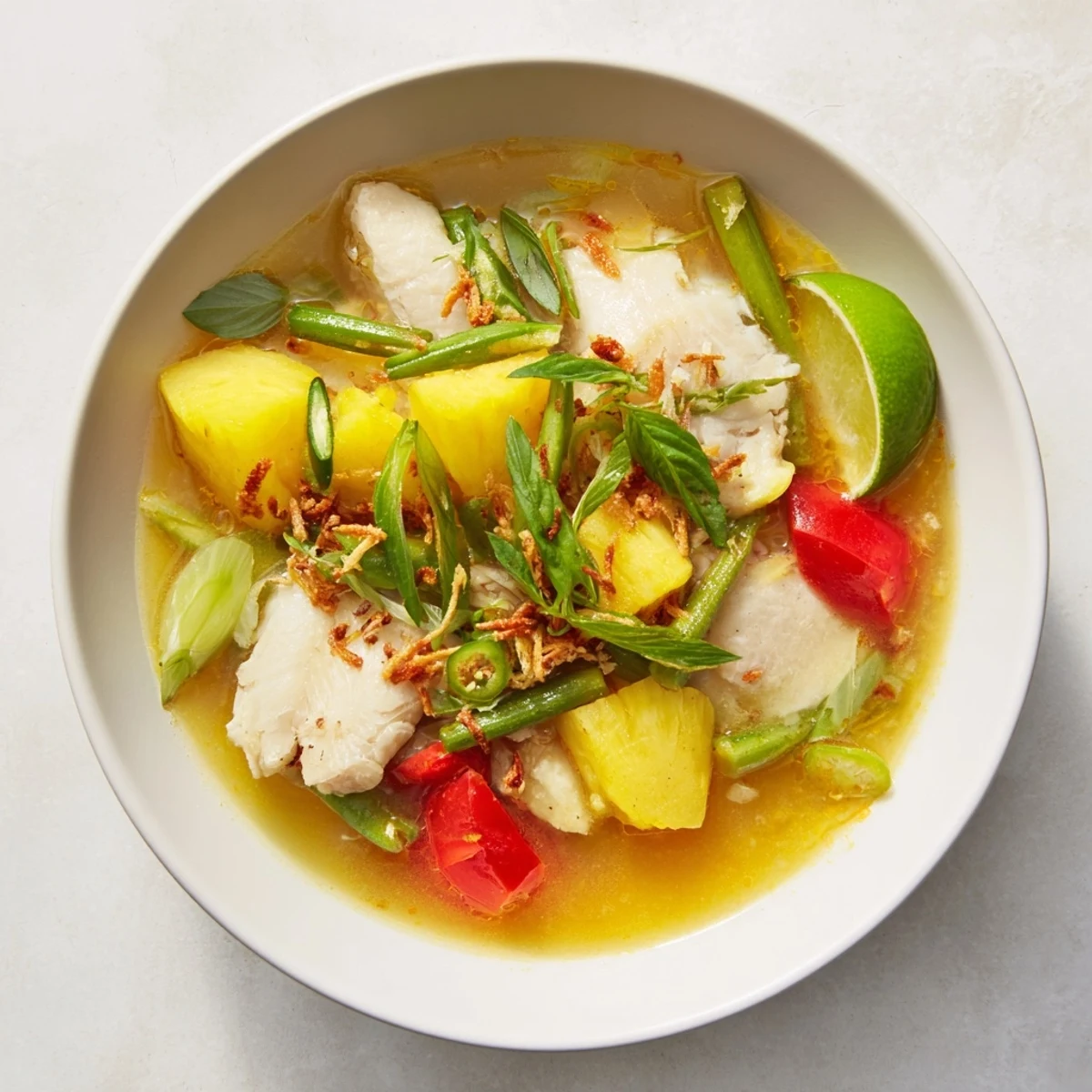
 This vibrant Vietnamese sour soup balances tangy tamarind with sweet pineapple and savory fish, creating a harmonious bowl that's both refreshing and satisfying. The modernized version keeps the traditional essence while using accessible ingredients like white fish fillets, bean sprouts, and aromatic herbs.
Perfect for warm weather or when craving something light yet flavorful, this soup comes together in just 40 minutes. The key is achieving the right sweet-sour-salty balance, which you can adjust to your taste. Serve with steamed jasmine rice for a complete meal.
The first time I had canh chua was at my friend Lan's house during a rainy afternoon in Hanoi. The sour tamarind hit my tongue first, then this incredible wave of sweet pineapple and savory fish, all while rain drummed against her windows. I immediately begged for the recipe, which she laughed and said was 'just something every Vietnamese grandmother knows.' That bowl became my benchmark for what comfort food could be: bright, complex, and somehow both refreshing and warming all at once.
Last winter, my roommate came home feeling absolutely defeated after a terrible week at work. I put a pot of this on without saying anything, and when she walked through the door, the smell of tamarind and frying garlic stopped her in her tracks. We ate it standing up in the kitchen, steam fogging up her glasses, and she told me it was the first time all week she felt like herself again. Food has this way of reaching us when words can't.
Ingredients
- White fish fillets: Catfish is traditional but tilapia or bass work beautifully—just avoid delicate fish that might fall apart in the simmering broth
- Tamarind paste: This is the soul of the dish, providing that signature tangy kick that makes the soup so addictive
- Pineapple: Use fresh if you can find it—the natural sweetness balances the sour tamarind perfectly
- Fish sauce: Don't be intimidated by the smell, it transforms into pure umami richness when heated
- Thai basil and cilantro: These aren't garnishes, they're essential—the herbs make the dish sing
- Bean sprouts: Add them at the very end so they stay crisp and provide a textural contrast
Instructions
- Build your flavor foundation:
- Heat a splash of oil in your large pot over medium heat, then add the minced garlic and sliced shallots. Let them sizzle until they're fragrant and turning golden at the edges—this should take about 2 minutes and your kitchen should smell amazing already.
- Create the sour base:
- Pour in your water or fish stock, then stir in the tamarind paste until it dissolves completely. Add the sugar, salt, and fish sauce, then bring everything to a gentle boil while stirring occasionally.
- Simmer the vegetables:
- Toss in the tomatoes, pineapple, okra if you're using it, and celery. Let everything simmer for about 5 minutes until the vegetables are just tender but still hold their shape.
- Cook the fish gently:
- Lower the heat to a simmer and carefully add your fish pieces. Cook for 3 to 4 minutes until the fish turns opaque and flakes easily—be gentle here so you don't break up the fish too much.
- Balance the flavors:
- Taste your broth and adjust with more fish sauce, salt, or sugar until you hit that perfect sweet-sour-salty harmony. Everyone's palate is different, so trust your instincts here.
- Add the finishing touches:
- Stir in the bean sprouts and sliced chili, simmer for just one minute more, then remove from heat immediately—you want those sprouts to stay crunchy.
- Garnish and serve:
- Ladle the hot soup into bowls and go heavy on the fresh herbs, scallions, and fried shallots. Put lime wedges on the table so everyone can add an extra squeeze of bright acidity if they want.
 Save to Pinterest
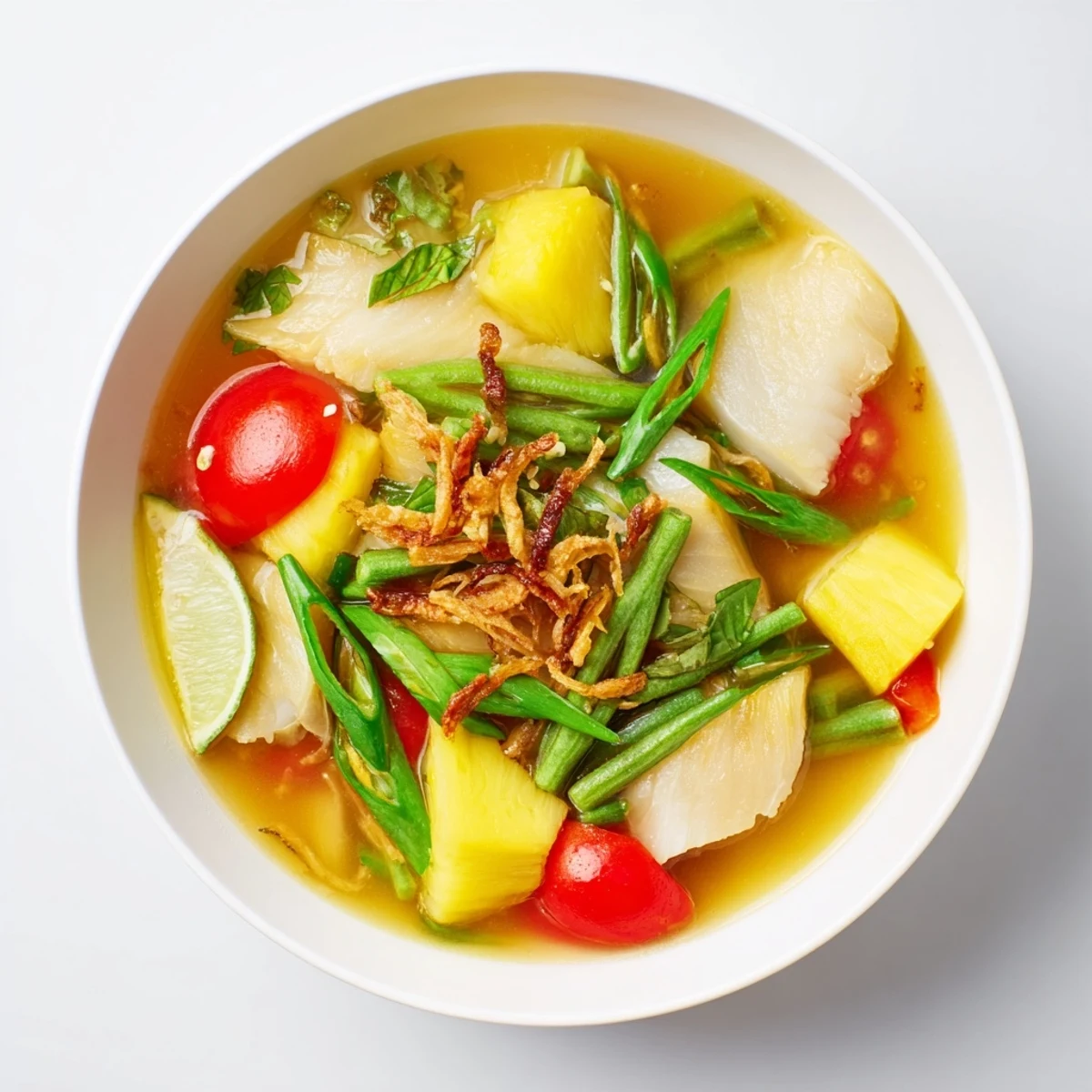
 This soup became my go-to remedy for homesick friends who missed the vibrant flavors of Southeast Asian cooking. There's something about that first spoonful—the way the sour, sweet, and savory notes dance together—that just transports people.
Getting the Balance Right
The magic of canh chua lies in its yin-yang equilibrium of flavors. Tamarind provides the sharp sour note, pineapple brings natural sweetness, and fish sauce adds the salty umami foundation. When you're tasting and adjusting at the end, think of it as tuning an instrument—small adjustments make a big difference.
Making It Your Own
Traditional versions sometimes include elephant ear stems (bac ha) or lotus stems, but these can be hard to find outside Asian markets. Okra makes a lovely substitute with its similar texture and slight natural thickening properties. For protein, tofu works beautifully for a vegetarian version, and shrimp creates a sweeter variation that's equally delicious.
Serving Suggestions
While this soup is satisfying enough to eat on its own, it's traditionally served with steamed jasmine rice to soak up that incredible broth. For a lighter meal, rice vermicelli noodles work wonderfully too. The key is serving it piping hot, with plenty of herbs on the table for people to add as they please.
- Have extra lime wedges ready—some people love it extra sour
- Fresh chili paste on the side lets heat lovers customize their bowls
- Remember to remove whole spices if you're serving this to guests who might not expect them
 Save to Pinterest
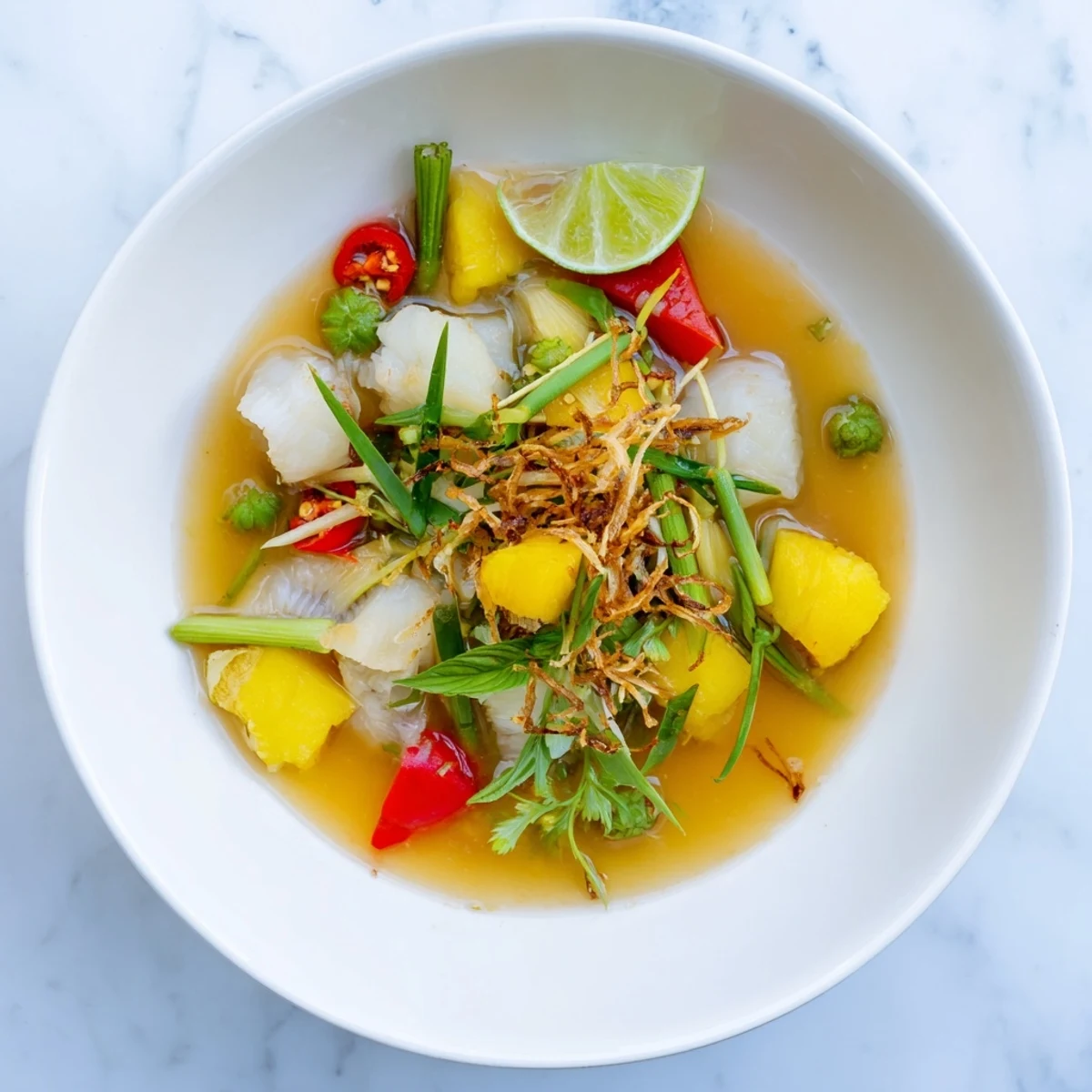
 There's something deeply comforting about a soup that can wake up your tastebuds while still feeling like a warm embrace. This modern canh chua captures exactly that spirit.
Recipe FAQs
- → What makes Canh Chua sour?
-
The tanginess comes from tamarind paste, which provides a natural sourness that's characteristic of Vietnamese cuisine. You can adjust the amount to control how sharp or mild the sour flavor becomes.
- → What type of fish works best?
-
White fish fillets like catfish, tilapia, sea bass, or snapper work wonderfully. These mild-flavored fish hold their shape well in the hot broth and absorb the aromatic flavors without overpowering the soup.
- → Can I make this vegetarian?
-
Absolutely. Substitute firm tofu cubes for the fish and use vegetable or mushroom stock instead of fish stock. You may want to add a splash of soy sauce to maintain the savory depth that fish sauce provides.
- → How do I achieve the right flavor balance?
-
Start with the recommended amounts of tamarind, sugar, and fish sauce, then taste. Add more tamarind for sourness, sugar for sweetness, or fish sauce for saltiness until you reach a harmonious balance where no single note dominates.
- → What should I serve with Canh Chua?
-
Steamed jasmine rice is the classic accompaniment, soaking up the flavorful broth. Rice vermicelli noodles also work well. Serve with extra lime wedges and fresh herbs on the side so everyone can customize their bowl.
- → Can I prepare this in advance?
-
The broth can be made a day ahead and stored in the refrigerator. However, add the fish and fresh herbs just before serving, as the fish can overcook and the herbs will wilt if reheated. Bring the broth to a simmer before proceeding with the final steps.