
 Save to Pinterest
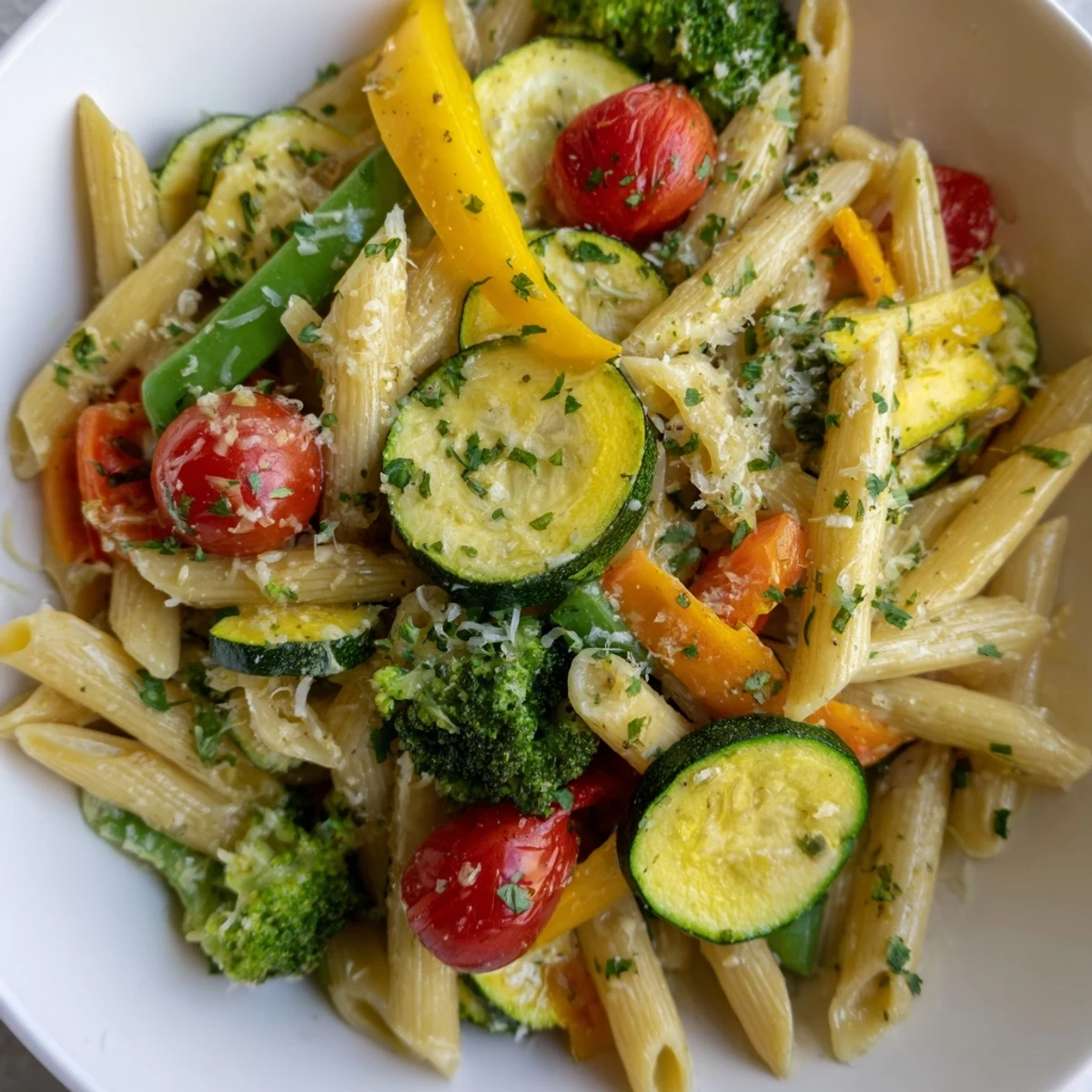
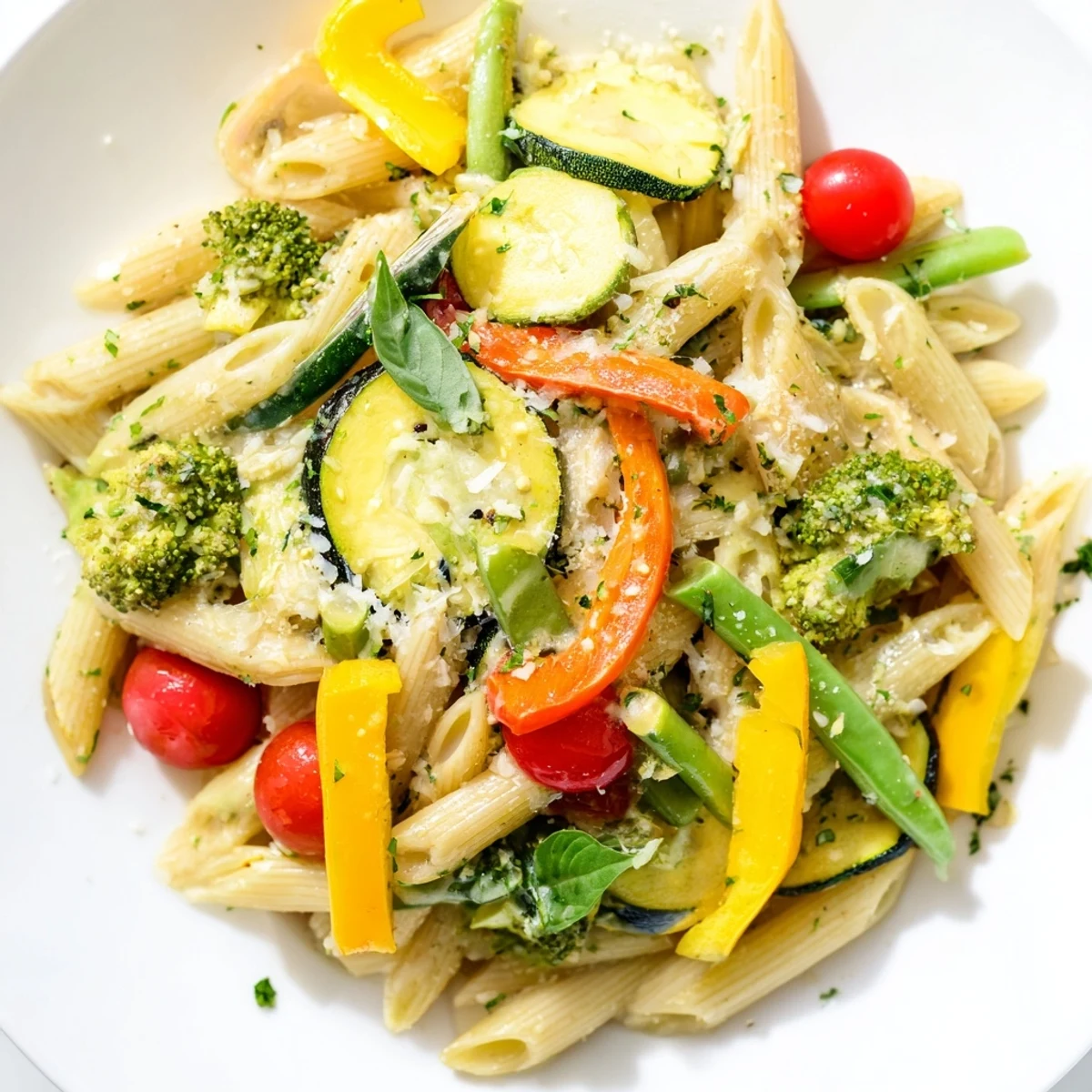
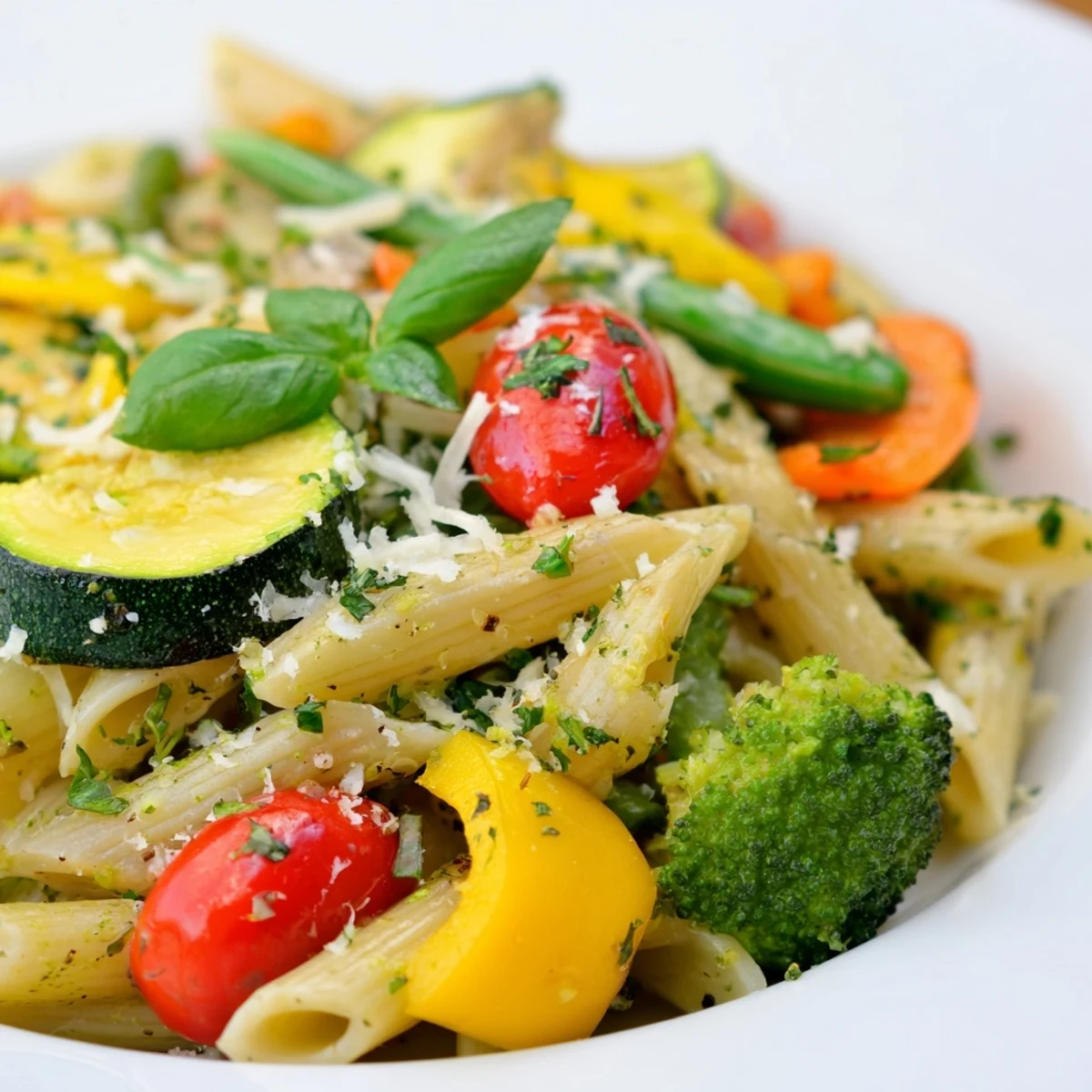
 This beloved Italian dish brings together perfectly cooked pasta with an array of fresh spring vegetables. The magic happens when tender-crisp zucchini, yellow squash, bell peppers, broccoli, cherry tomatoes, and sugar snap peas are tossed in a fragrant garlic and olive oil sauce brightened with fresh lemon juice. A splash of vegetable broth creates just enough silky sauce to coat each strand, while freshly grated Parmesan and a finish of basil and parsley add layers of flavor. The entire dish comes together in under an hour, making it perfect for weeknight dinners yet elegant enough for entertaining.
The first time I made pasta primavera, I accidentally added every vegetable in my crisper drawer. What started as a cleaning out the fridge experiment became the most colorful plate of pasta I'd ever created. My roommate walked in, stopped mid sentence, and asked if we were having restaurant food. That happy mistake taught me that primavera is more about the spirit of spring vegetables than following a strict formula.
Last spring, I made this for a dinner party when my friend announced she was moving to Italy. We laughed about how she'd probably come back judging all our pasta attempts. The table went quiet for a full minute when everyone took their first bite. She still texts me from Rome saying she cant find primavera that hits the same nostalgic spot.
Ingredients
- 400 g (14 oz) penne or spaghetti: The pasta shape really matters here because the ridges and curves catch all those little vegetable pieces and sauce
- 1 small zucchini, sliced: Dont slice these too thin or theyll disappear into the dish, about quarter inch rounds are perfect
- 1 small yellow squash, sliced: Using both green and yellow squash makes the final dish look like edible confetti
- 1 red bell pepper, julienned: I learned to cut these into thin strips instead of chunks so they cook at the same speed as the other vegetables
- 1 cup cherry tomatoes, halved: These burst open slightly and create little pockets of juicy sweetness throughout the pasta
- 1 cup sugar snap peas, trimmed: Leave these whole if theyre small, or cut larger ones in half for easier twirling
- 1 cup broccoli florets: Cut these into bite sized pieces so they finish cooking alongside everything else
- 3 tablespoons extra virgin olive oil: This is the base of your sauce, so use the good stuff you save for special occasions
- 3 cloves garlic, minced: Fresh garlic makes all the difference here, jarred garlic can turn bitter when sauted
- 1/2 teaspoon crushed red pepper flakes (optional): Even if you think you dont like heat, this tiny amount wakes up all the other flavors
- 1/2 cup vegetable broth: This creates steam that helps the vegetables cook without frying them
- Juice of 1 lemon: Add this right at the end to brighten everything up without overwhelming the dish
- 1/4 cup grated Parmesan cheese, plus more for serving: The cheese melts into the hot pasta and creates a creamy coating without adding actual cream
- Salt and freshly ground black pepper, to taste: Taste as you go, because the Parmesan adds saltiness you might not expect
- 2 tablespoons fresh basil leaves, chopped: Tear these by hand instead of cutting them with a knife for better flavor release
- 2 tablespoons fresh parsley, chopped: This adds a fresh green finish that cuts through the richness of the olive oil
Instructions
- Get your water boiling first:
- Bring a large pot of salted water to a boil while you prep your vegetables, so everything is ready to go when you need it
- Cook the pasta:
- Cook the pasta according to package directions until al dente, then drain but remember to save that half cup of pasta water before you pour it out
- Start the aromatics:
- Heat olive oil in your large skillet over medium heat, add the minced garlic and red pepper flakes, and let them sizzle for just one minute until your kitchen starts smelling amazing
- Add the hearty vegetables first:
- Toss in the zucchini, yellow squash, bell pepper, and broccoli florets, then cook for about five minutes until theyre starting to soften but still have some crunch
- Add the quick cooking vegetables:
- Throw in the cherry tomatoes and sugar snap peas and cook for another few minutes until the tomatoes start to look juicy and the snap peas turn bright green
- Create the sauce:
- Pour in the vegetable broth and lemon juice and let everything simmer together for two minutes while you season with salt and pepper
- Bring it all together:
- Add the cooked pasta to the skillet along with the Parmesan, then use that reserved pasta water as needed to help everything coat nicely
- Finish with fresh herbs:
- Stir in the chopped basil and parsley right at the end, then taste and add more salt or pepper if needed before serving
 Save to Pinterest
 This recipe became my go to for rainy Sundays when I want something cheerful but comforting. Theres something about the rainbow of vegetables in the skillet that makes even the grayest day feel a little brighter.
Timing Is Everything
The secret to restaurant quality primavera is cutting vegetables so they all finish cooking at the same time. I spent years adding everything at once and ending up with either raw broccoli or mushy zucchini. Now I group vegetables by cooking time, starting with the hardest ones and finishing with those that need just a quick kiss of heat.
Making It Your Own
This recipe changes with the seasons at my house. In summer I swap in corn and bell peppers, fall gets butternut squash and kale, winter sees Brussels sprouts and carrots. The technique stays the same but the vegetables keep things interesting all year round.
Serving Suggestions
I love serving this with a simple green salad dressed with nothing but lemon and olive oil. The crisp lettuce complements the tender pasta without competing with all those vegetable flavors. A crusty baguette for soaking up any sauce at the bottom of the bowl doesnt hurt either.
- Let the pasta rest for two minutes before serving so the sauce has time to thicken slightly
- Have extra Parmesan at the table because everyone always wants more
- This pasta reheats beautifully for lunch the next day, though you might need to splash in a little water when warming it up
 Save to Pinterest
 Every time I make this now, I think about that first accidental version and how some of the best discoveries happen when we stop following rules and start cooking with what we have. Hope this brings as much color to your table as it has to mine.
Recipe FAQs
- → What vegetables work best in pasta primavera?
-
Spring vegetables like zucchini, yellow squash, bell peppers, broccoli, cherry tomatoes, and sugar snap peas are traditional choices. Feel free to substitute based on seasonal availability or personal preference.
- → How do I prevent the vegetables from becoming mushy?
-
Cook vegetables in stages, starting with harder ones like broccoli and peppers, then adding softer vegetables like tomatoes and snap peas near the end. Keep them tender-crisp for the best texture.
- → Can I make pasta primavera ahead of time?
-
It's best served immediately, but you can prepare the vegetables and sauce ahead. Cook pasta fresh and toss everything together just before serving for optimal texture and flavor.
- → What type of pasta works best?
-
Penne, spaghetti, or fusilli work beautifully as they catch the sauce well. Choose pasta with texture to help the light sauce adhere. Whole wheat or gluten-free options work too.
- → How can I add more protein?
-
Stir in cooked chickpeas, white beans, or grilled chicken during the final toss. Shrimp or pan-seared tofu also complement the fresh vegetable flavors beautifully.
- → What can I use instead of Parmesan?
-
Pecorino Romano offers a similar salty kick. For dairy-free, try nutritional yeast or vegan Parmesan. The dish remains delicious even without cheese, relying on garlic and herbs for flavor.