
 Save to Pinterest
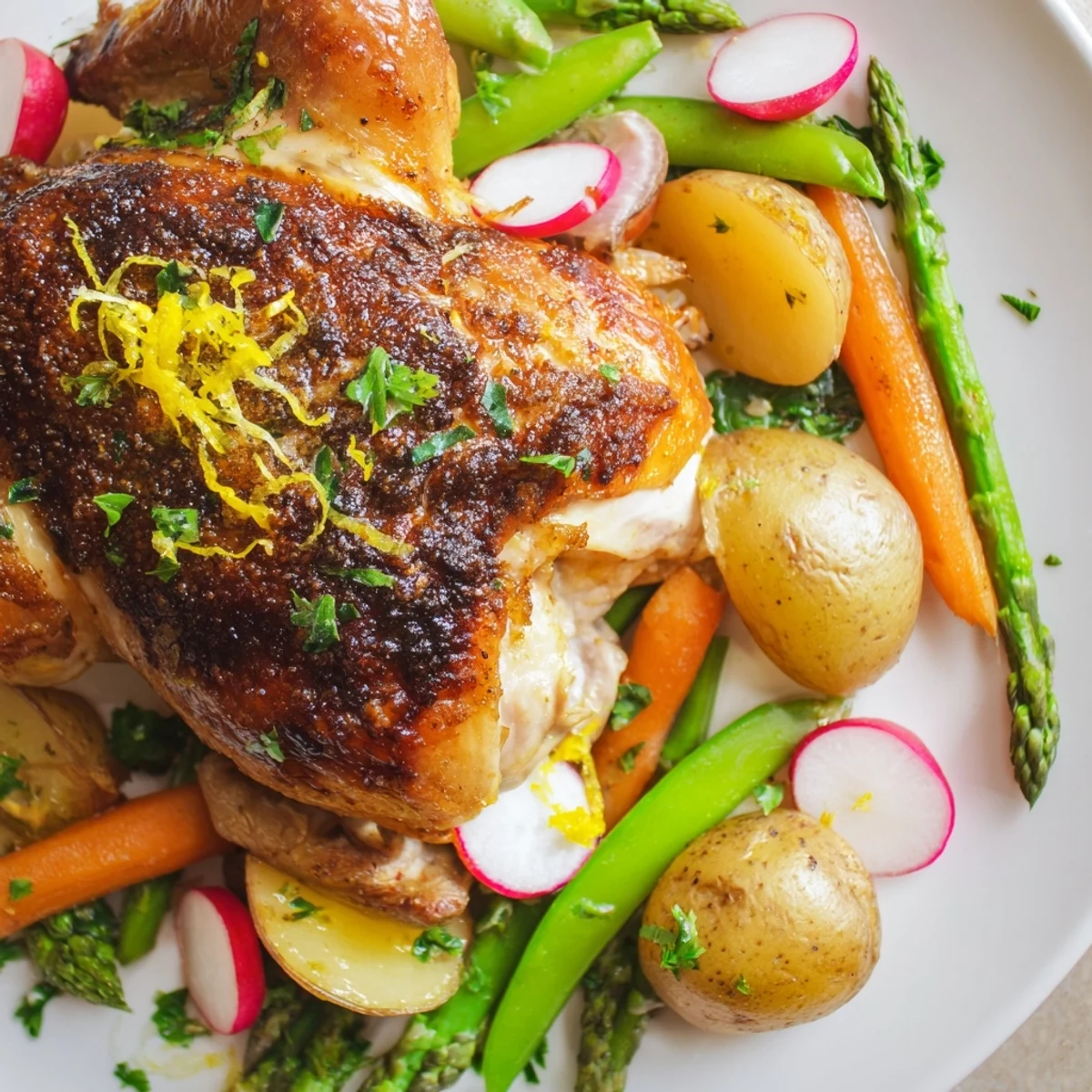
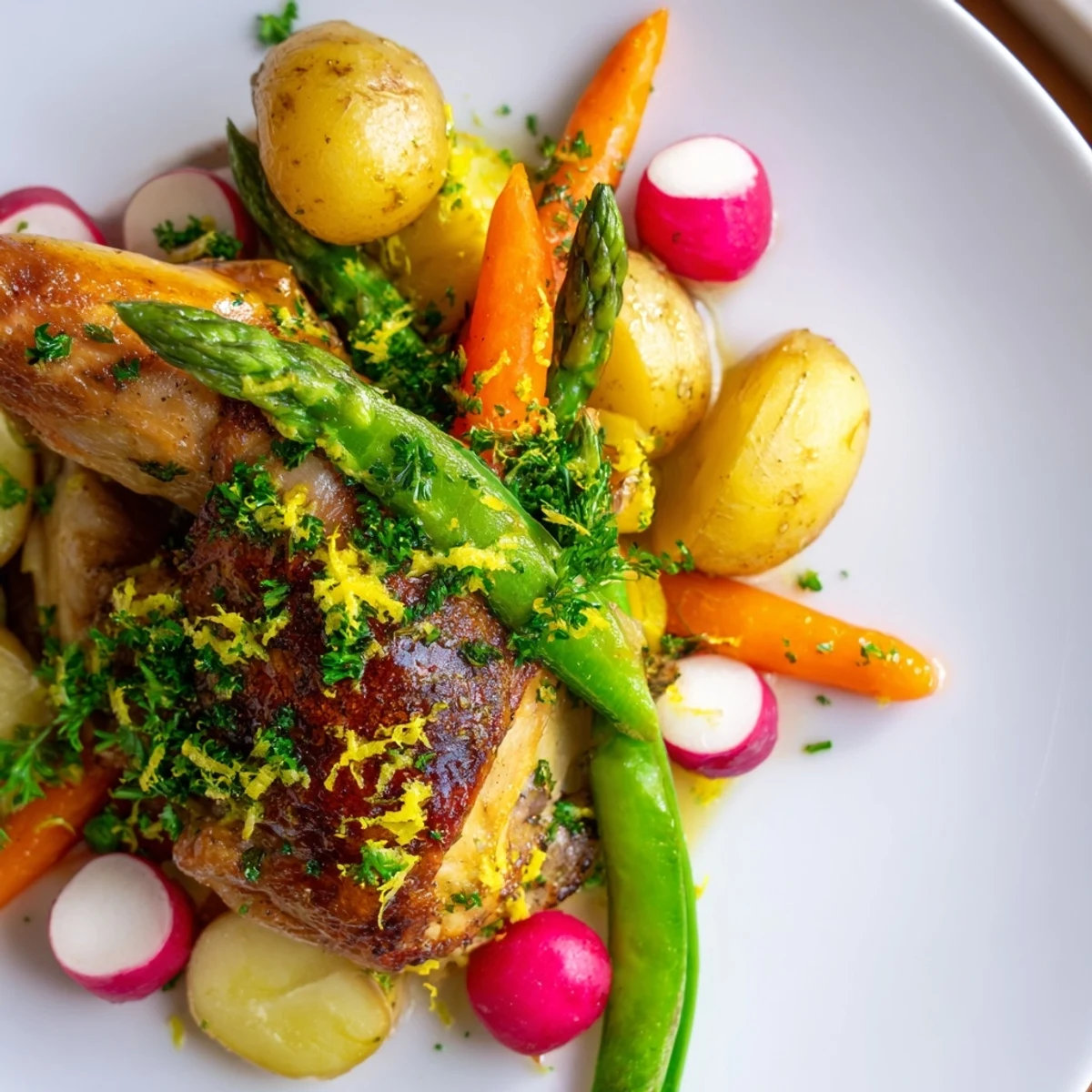
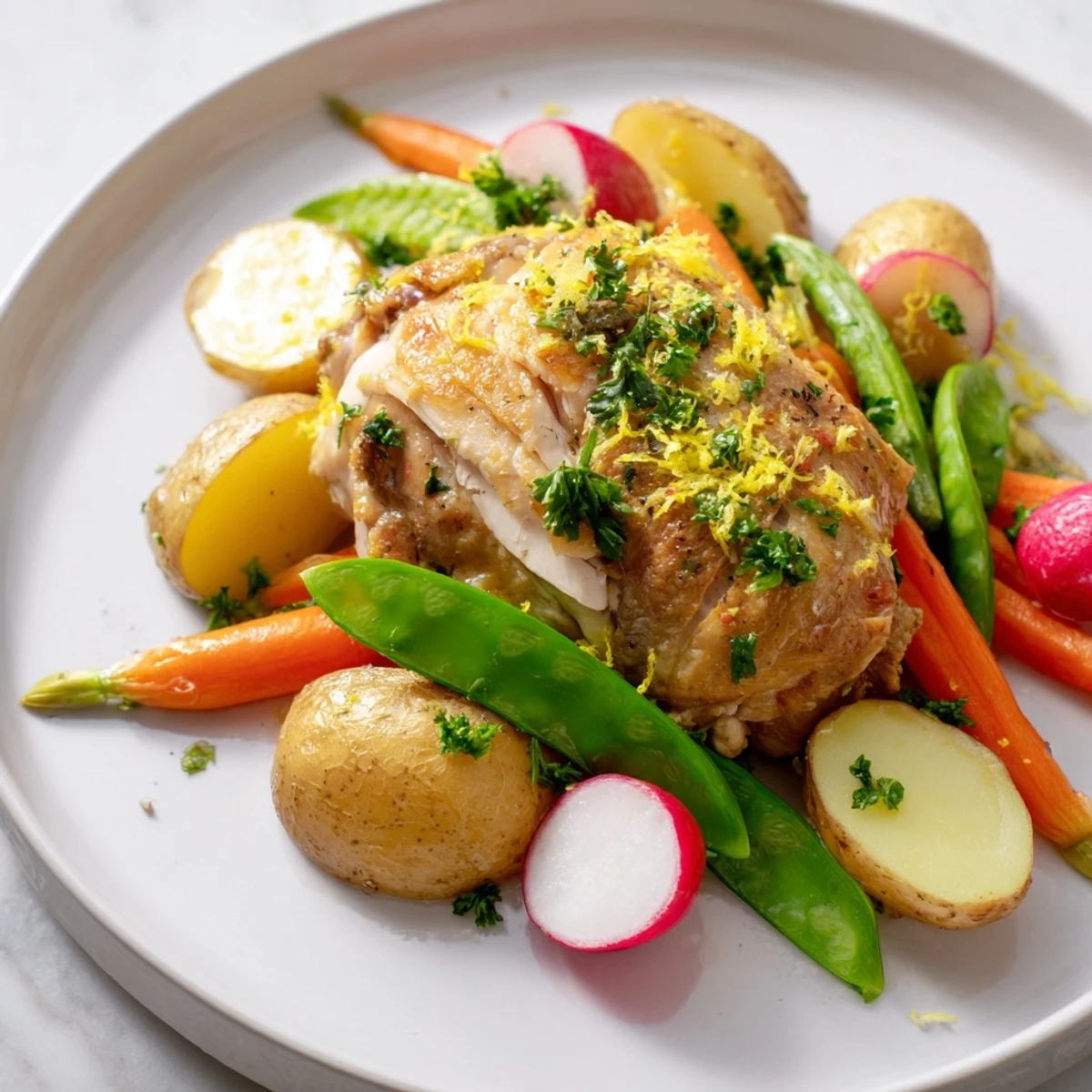
 This dish features a whole chicken rubbed with olive oil, salt, and pepper, roasted alongside a medley of baby potatoes, carrots, asparagus, sugar snap peas, and radishes. Aromatics like garlic, lemon, thyme, and rosemary infuse the chicken during roasting, while the vegetables develop a tender, flavorful finish. After roasting, the chicken rests to lock in the juices and is garnished with fresh parsley and lemon zest for a bright finishing touch. Ideal for a simple, nutritious family meal.
The kitchen was quiet except for the hum of my oven warming up. I had picked up a chicken from the farmers market that morning, along with whatever vegetables looked fresh. Sometimes the best meals start with wandering through the produce section and grabbing what catches your eye. That afternoon turned into one of those dinners where everything just works.
My sister came over unexpectedly that Sunday. We caught up while I prepped the vegetables, her leaning against the counter and stealing snap peas straight from the bowl. When everything came out of the oven, golden and fragrant, she said it tasted like something from a restaurant but better because it was warm and waiting in my kitchen.
Ingredients
- Whole chicken: Pat it completely dry with paper towels for the crispest skin. I learned this trick after years of soggy chicken disappointment.
- Olive oil: Helps the salt and pepper adhere while creating a beautiful golden crust. Two tablespoons is just enough to coat without making things greasy.
- Kosher salt: The coarse flakes stick better than table salt and distribute more evenly. Do not skip this step.
- Freshly ground black pepper: Grind it right before you use it. The difference in flavor is worth the extra thirty seconds.
- Lemon: Stuffing halves inside the cavity steams the meat from within while releasing subtle citrus notes. The zest at the end is the finishing touch.
- Garlic cloves: Smash them with the side of your knife. They will mellow and sweeten as they roast alongside the chicken.
- Fresh thyme and rosemary: These woody herbs stand up to high roasting temperatures without turning bitter. Tuck them inside the cavity where they can infuse the meat.
- Baby potatoes: Halving them means they cook through in the same time as the chicken. The cut sides get wonderfully crispy.
- Carrots: Cutting them into sticks gives you more surface area for caramelization. They become naturally sweet as they roast.
- Asparagus: Trim the woody ends by snapping them where they want to break. They only need about twenty minutes so they join the pan later.
- Sugar snap peas: These add a fresh crunch and bright pop of color. Do not overcook them or they will lose their snap.
- Radishes: Roasting transforms them from sharp to almost buttery and mild. A surprising transformation that always impresses people.
- Fresh parsley: Sprinkled over at the end for a hit of herbal freshness that cuts through the richness.
Instructions
- Get your oven ready:
- Preheat to 220°C (425°F). You want it fully hot before the chicken goes in.
- Season the chicken:
- Rub olive oil all over the bird then sprinkle generously with salt and pepper. Get into all the nooks and crannies.
- Stuff the cavity:
- Tuck in the lemon halves, smashed garlic, thyme, and rosemary. This infuses the meat from the inside out.
- Truss the chicken:
- Tie the legs together with kitchen twine and tuck the wings underneath. This helps the bird cook evenly.
- Prep the first vegetables:
- Toss the baby potatoes and carrots with olive oil, salt, and pepper. Arrange them around the chicken in your roasting pan.
- Start roasting:
- Place everything in the oven for thirty five minutes. The chicken will start to turn golden and the vegetables will begin to soften.
- Add the quick cooking vegetables:
- Toss asparagus, snap peas, and radishes with a little oil and seasoning. Add them to the pan after the first thirty five minutes.
- Finish roasting:
- Continue for another twenty minutes until the chicken is deeply golden and the juices run clear. An instant thermometer should read 75°C (165°F) when inserted into the thickest part of the thigh.
- Rest the chicken:
- Move the chicken to a cutting board and let it rest for ten minutes. This step is non negotiable for juicy meat.
- Carve and serve:
- Arrange the roasted vegetables on a platter, carve the chicken, and place it on top. Finish with fresh parsley and lemon zest.
 Save to Pinterest
 This has become my go to for Sunday dinners now. There is something about putting a whole chicken in the oven and watching it transform that feels deeply satisfying. My friends started asking for it by name.
Timing Your Vegetables
Not all vegetables roast at the same speed. Hard root vegetables like potatoes and carrots need the full cooking time. More delicate vegetables like asparagus and snap peas only need about twenty minutes. Adding them in stages keeps everything perfectly cooked instead of ending up with mushy peas and undercooked potatoes.
Choosing Seasonal Variations
This recipe works with whatever vegetables look best at the market. In summer I swap in zucchini and cherry tomatoes. Fall is perfect for butternut squash and Brussels sprouts. Winter calls for parsnips and whole garlic cloves. The method stays the same but the flavors change with the seasons.
Make It Your Own
Once you have made this a few times you will start to see the pattern. Roast chicken with whatever vegetables you have. The technique is forgiving and adaptable. Try rubbing butter under the skin for extra richness or adding different herbs to the cavity.
- Brush the chicken with melted butter mixed with a little honey for the last ten minutes of roasting
- Add a head of garlic cut in half to the pan. The roasted cloves are incredible squeezed onto bread.
- Save the pan juices and reduce them on the stove for a simple sauce that ties everything together.
 Save to Pinterest
 Some recipes are just worth keeping in your back pocket. This one has never let me down.
Recipe FAQs
- → How do I ensure the chicken stays juicy?
-
Rub the chicken thoroughly with olive oil and season well. Stuffing with lemon, garlic, and herbs helps add moisture and flavor. Let the chicken rest after roasting to retain its juices before carving.
- → Can I use other vegetables instead of listed spring vegetables?
-
Absolutely. Baby turnips, fennel, or other seasonal vegetables can be swapped in to keep the dish fresh and varied each time.
- → What’s the best way to check doneness?
-
Use a meat thermometer to ensure the internal temperature reaches 75°C (165°F). The juices should run clear when the chicken is pierced.
- → How should I prepare the vegetables for even cooking?
-
Cut all vegetables into similar-sized pieces to ensure even roasting. Toss them lightly in olive oil, salt, and pepper before placing around the chicken.
- → Can I prepare parts of this dish ahead of time?
-
You can chop vegetables and prepare the oil and seasoning mix in advance, but it’s best to combine and roast shortly before serving for optimal freshness.