
 Save to Pinterest
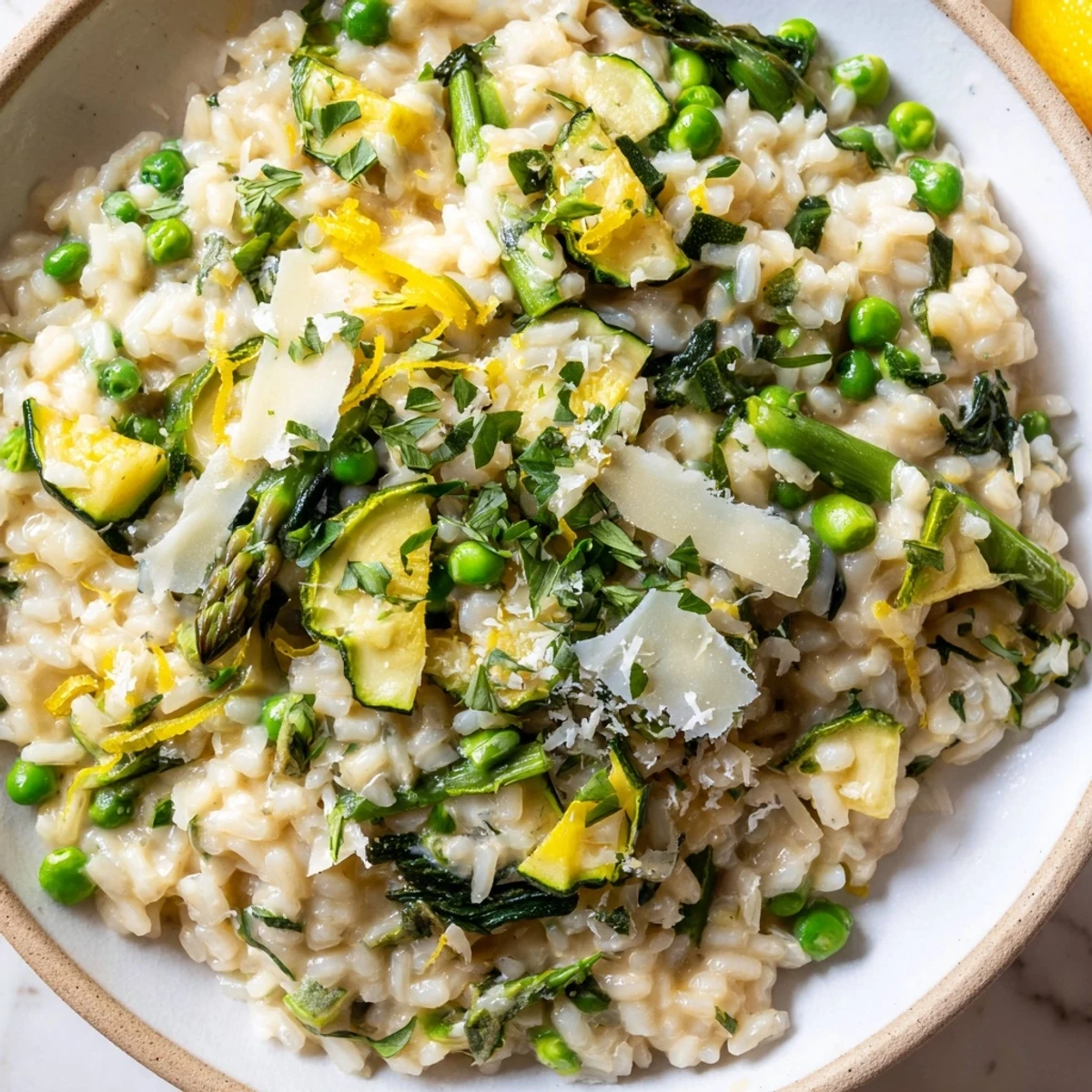
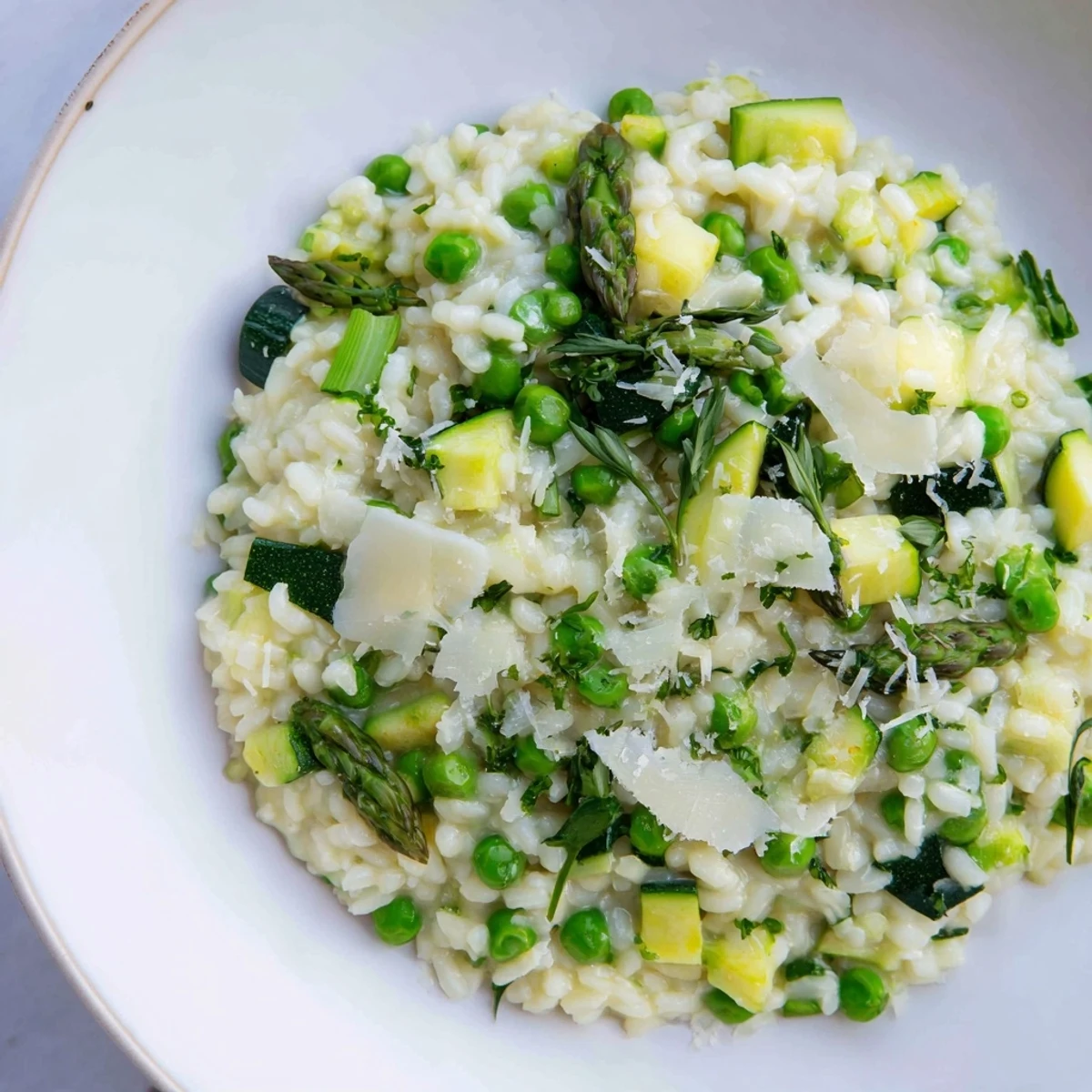
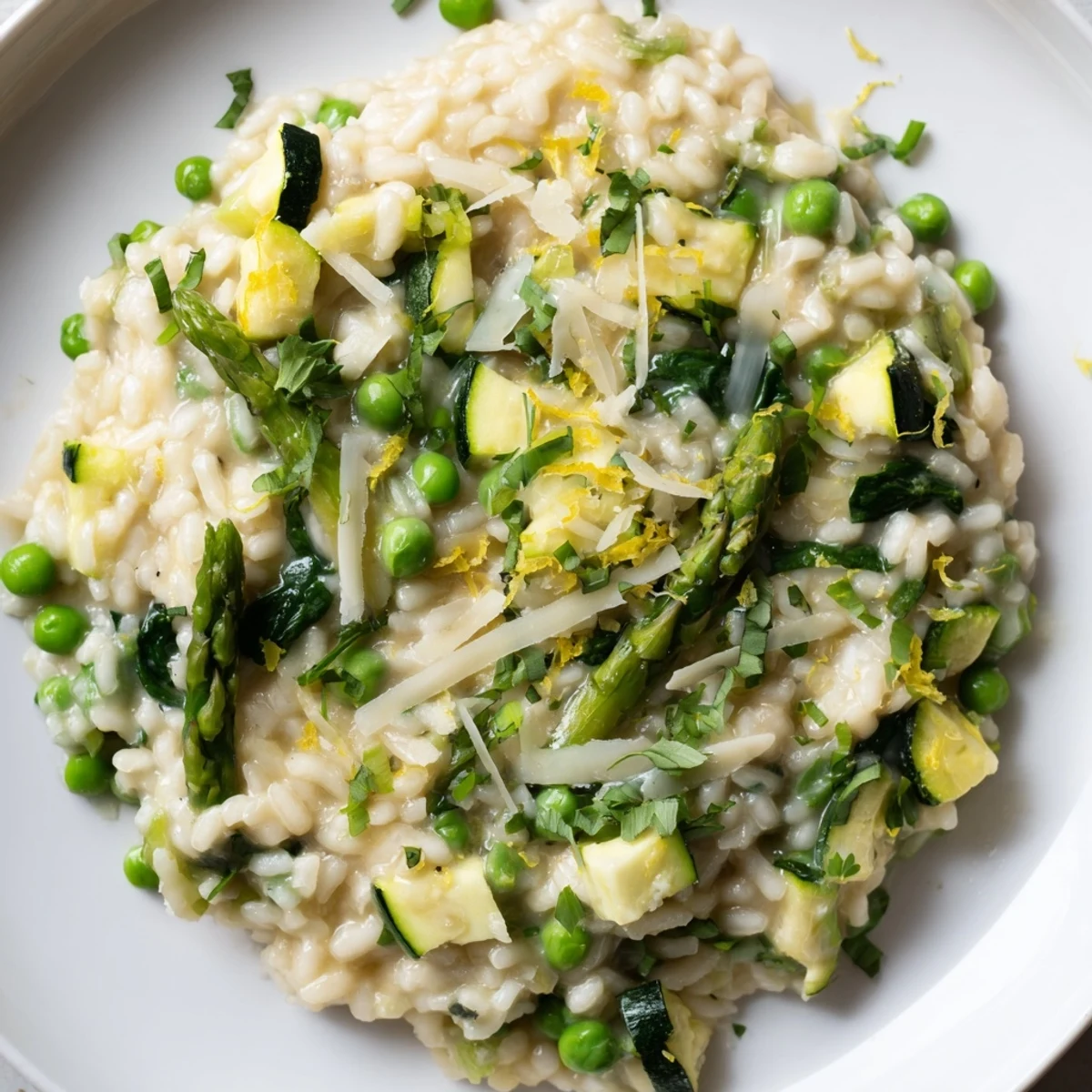
 This dish combines creamy Arborio rice with tender asparagus, peas, zucchini, and spinach for a fresh springtime dish. Garlic, shallots, and leeks create a flavorful base, enhanced by the gentle acidity of lemon zest and juice. Cooked slowly with warm vegetable broth and finished with Parmesan and fresh herbs, it offers a creamy, vibrant texture and light, zesty notes. Ideal for a medium-difficulty Italian-style main, this risotto balances richness and brightness for a satisfying, wholesome meal.
The first time I made risotto, I stood at the stove for forty five minutes, convinced I had ruined it completely. My kitchen filled with the scent of leeks and garlic, and I kept adding broth, wondering if this constant stirring was actually doing anything. Then suddenly the rice transformed, turning creamy and clinging to the spoon in that way that makes all the effort worthwhile. Now this spring vegetable version is what I make when I want something that feels like a hug but still tastes fresh and bright.
Last April, my sister came over for dinner and we sat at the counter while I made this, talking about everything and nothing. She kept reaching in to taste test the vegetables as they cooked, and eventually I had to shoo her away so there would be enough left for actual dinner. We ate it straight from the pan, standing up in my tiny kitchen, and she told me it tasted like something we would have ordered at that little Italian place we used to love.
Ingredients
- Arborio rice: This short grain rice releases starch as it cooks, creating that signature creamy texture without any cream
- Asparagus: Choose thin stalks for faster cooking and more tender bites
- Fresh peas: Frozen work fine here, but if you see fresh peas at the market, grab them
- Baby spinach: Wilts into the risotto at the end, adding just a hint of color and earthiness
- Lemon: Both zest and juice are essential for cutting through the richness
- Vegetable broth: Warm it before adding to prevent shocking the rice
- White wine: Adds acidity and depth, but you can use extra broth instead
- Parmesan: The finishing touch that makes everything taste complete
Instructions
- Warm your broth first:
- Pour the vegetable broth into a saucepan and bring it to a gentle simmer, then turn the heat to low
- Start the aromatics:
- Melt the butter with olive oil in a large heavy pan over medium heat, then add the shallot, leek, and garlic, cooking until softened and fragrant
- Toast the rice:
- Add the Arborio rice and stir constantly for about two minutes until the edges turn translucent and smell nutty
- Add the wine:
- Pour in the white wine and stir until it completely disappears into the rice
- Begin the broth:
- Add one ladleful of warm broth and stir gently, waiting until most is absorbed before adding more
- Add the vegetables:
- After about ten minutes of adding broth, stir in the asparagus, zucchini, and peas, continuing the gradual broth process
- Finish with brightness:
- When the rice is tender but still has a slight bite, stir in the spinach, lemon zest, and lemon juice
- The finishing touch:
- Remove from heat and vigorously stir in the Parmesan, remaining butter, and fresh herbs until emulsified
 Save to Pinterest
 This recipe became my go-to for spring dinner parties after I served it to my book club and three people asked for the recipe before dessert. Something about the bright vegetables and lemon makes it feel special without being fussy, like you put in way more effort than you actually did.
Getting The Texture Right
The difference between good risotto and great risotto is all about timing and attention. Keep your broth warm, add it one ladle at a time, and stir often enough to release the rice starch but not so much that it breaks apart completely.
Vegetable Swaps
I have made this with fava beans, sugar snap peas, and even roasted asparagus when I wanted deeper flavor. The key is adding vegetables at the right time so everything finishes cooking together.
Making It Ahead
Risotto is best served immediately, but you can prepare everything in advance. Have your vegetables prepped and broth warming, then finish the risotto while your guests arrive.
- Chop vegetables up to a day ahead and store them in the refrigerator
- Keep leftover broth for soups or use it to reheat leftover risotto the next day
- Extra lemon wedges on the table let everyone adjust brightness to taste
 Save to Pinterest
 There is something deeply satisfying about standing at the stove, stirring and watching simple ingredients transform into something creamy and comforting. Serve it with a crisp white wine and good company.
Recipe FAQs
- → How can I make this dish vegan?
-
Use vegan butter and substitute Parmesan with a plant-based cheese alternative to maintain creaminess and flavor without dairy.
- → What are good vegetable substitutes for spring veggies?
-
Fava beans or sugar snap peas can replace asparagus or peas to keep the fresh, crisp texture in the dish.
- → Can I use a different grain instead of Arborio rice?
-
While Arborio is ideal for creaminess, short-grain rice varieties may work but will alter the texture and cooking times.
- → How important is the lemon in the flavor profile?
-
Lemon zest and juice add a bright, zesty finish, balancing the dish's richness and enhancing fresh vegetable notes.
- → What wine pairs well with this dish?
-
A crisp white wine like Sauvignon Blanc or Pinot Grigio complements the creamy texture and bright lemony flavors perfectly.