
 Save to Pinterest
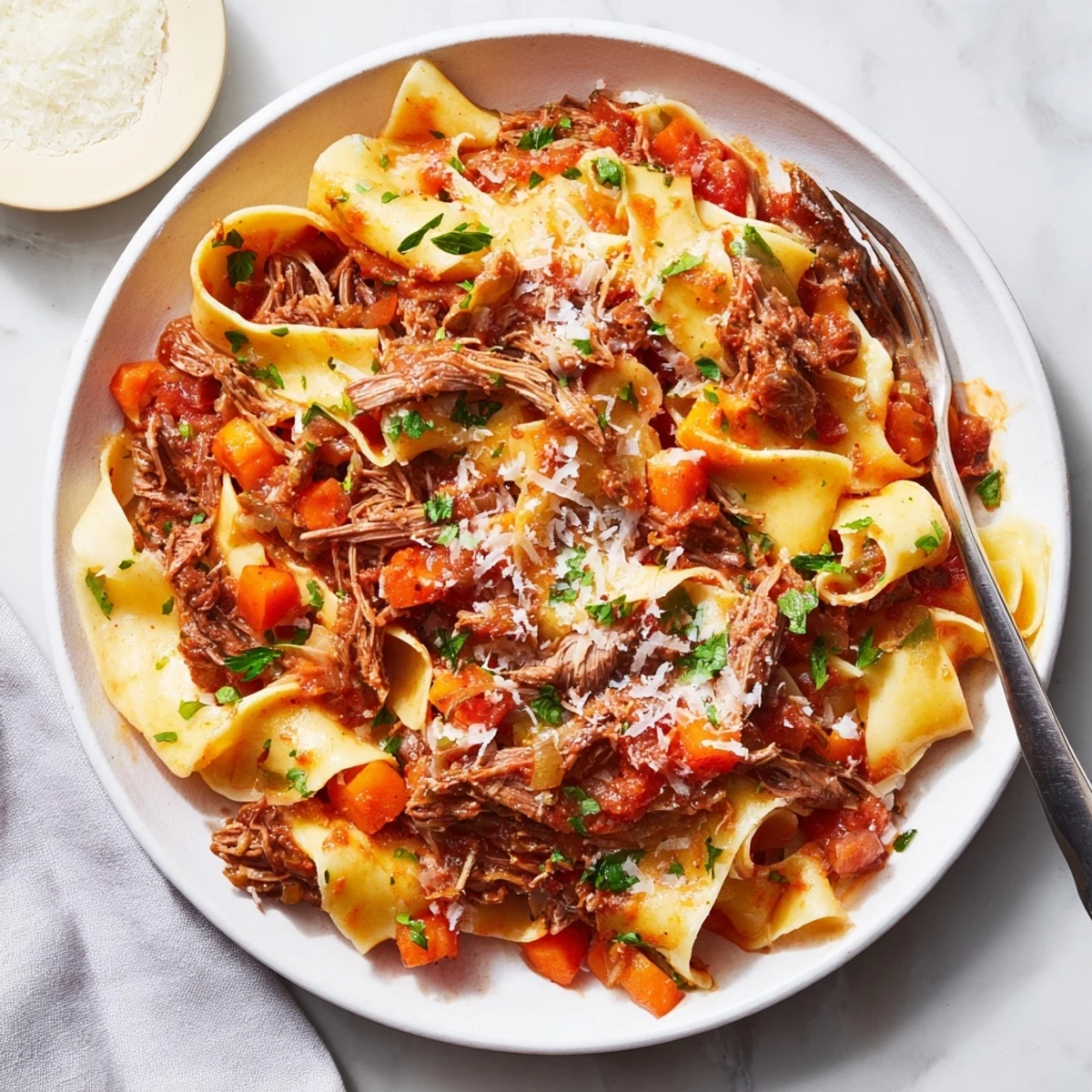
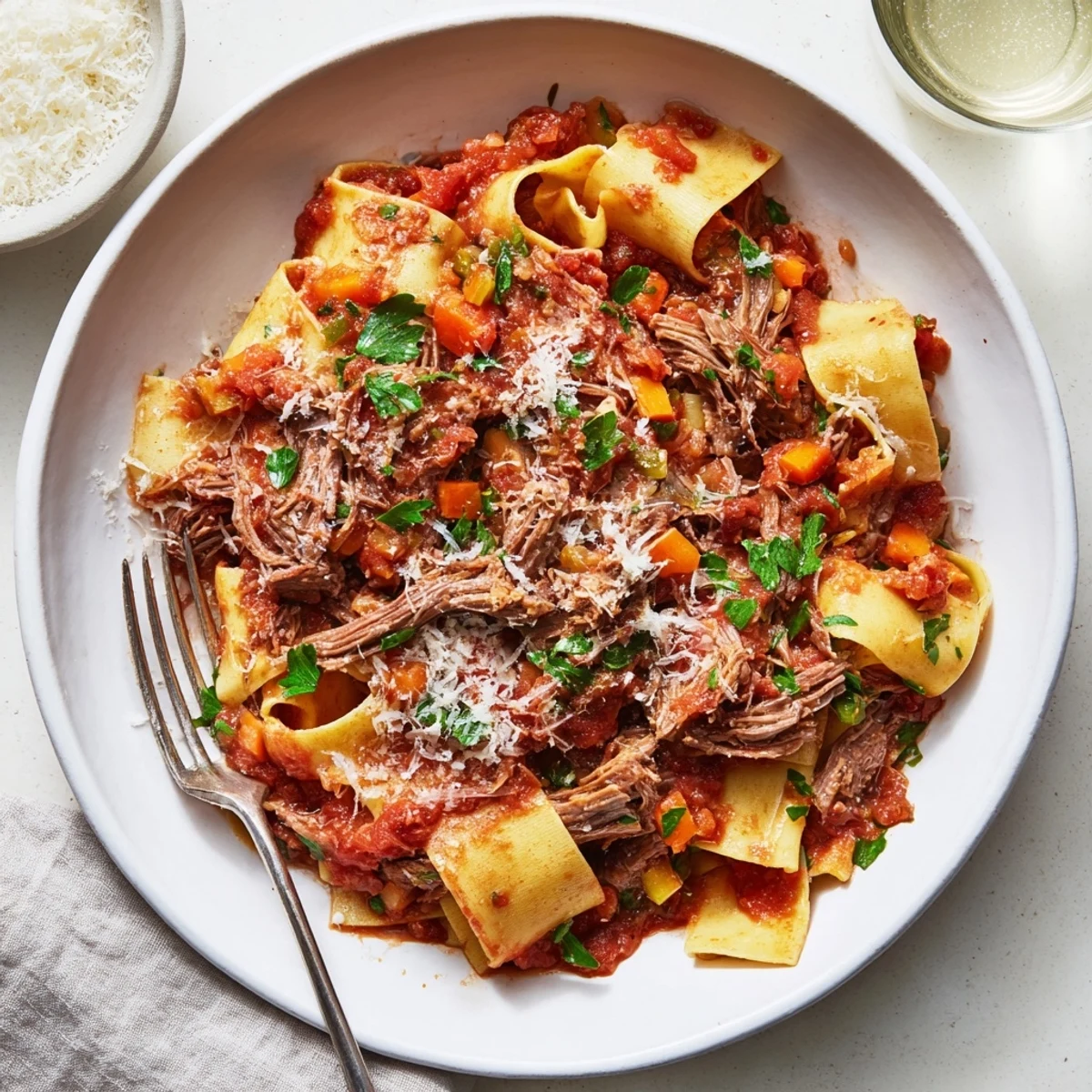
 This hearty Italian-inspired dish transforms lamb shoulder into meltingly tender pieces through slow braising. The meat simmers for hours with aromatics, crushed tomatoes, and red wine, creating a deeply flavorful sauce that clings perfectly to wide ribbons of pappardelle pasta.
The process begins with browning seasoned lamb pieces, then building a classic soffritto base of onion, carrot, and celery. Red wine deglazes the pot, adding depth and complexity. After hours of gentle simmering, the lamb becomes fork-tender and is shredded back into the thickened sauce.
Serve this comforting dish with freshly grated Parmigiano-Reggiano and a glass of bold Italian red wine like Chianti Classico or Barolo.
The winter I discovered slow-cooked lamb ragu was the same winter my tiny apartment radiator died and I had to rely on my oven for actual warmth. I remember leaving the Dutch oven on the stovetop for hours, the entire place smelling like red wine and rosemary, my roommate poking her head in asking if someone was cooking dinner at noon. That first batch taught me that some sauces simply cannot be rushed.
I made this for a dinner party back when I still thought dinner parties needed to be fancy and complicated. Everyone ended up crowded around the stove with forks, tasting straight from the pot, while the carefully set table sat ignored in the other room. Sometimes the best meals are the ones that never quite make it to the dining room.
Ingredients
- Lamb shoulder: This cut has enough fat and connective tissue to break down beautifully during long cooking, becoming meltingly tender rather than tough
- Salt and pepper: Generous seasoning before searing creates a flavorful crust that deepens the overall sauce
- Olive oil: Use a good quality oil since it will be part of the sauce foundation
- Onion, carrots, celery: This classic trio forms the aromatic base that gives the sauce its sweet and savory foundation
- Garlic: Minced fresh garlic adds that essential aromatic kick
- Fresh herbs: Rosemary and thyme bring woodsy notes that pair perfectly with lamb, while bay leaf adds subtle depth
- Dry red wine: The acid and tannins help break down the meat while adding complex flavor
- Crushed tomatoes: Whole tomatoes crushed by hand create a rustic texture with real tomato presence
- Broth: Beef or chicken broth provides the liquid backbone and savory base
- Pappardelle: These wide ribbons are substantial enough to hold up to the hearty ragu
- Parmigiano-Reggiano: The salty nutty finish ties everything together
Instructions
- Sear the lamb:
- Pat the lamb pieces completely dry with paper towels, then season generously with salt and pepper. Heat olive oil in a large Dutch oven over medium-high heat until it shimmers. Brown the lamb in batches without overcrowding, getting a deep golden crust on all sides before transferring to a plate.
- Build the base:
- In the same pot, add onion, carrots, and celery. Cook for 6 to 8 minutes until softened and fragrant, stirring occasionally. Add garlic and cook for just 1 minute more until aromatic.
- Combine everything:
- Return the lamb to the pot along with any accumulated juices. Add rosemary, thyme, and bay leaf. Pour in the red wine, using a wooden spoon to scrape up all the browned bits from the bottom of the pot. Let it simmer for 2 to 3 minutes until the wine reduces slightly.
- Simmer slowly:
- Add crushed tomatoes and broth, stirring well to combine. Bring to a gentle simmer, then reduce heat to low, cover, and cook for 2 and a half to 3 hours. Stir occasionally and check that the sauce maintains a slow bubble. The lamb is done when it shreds easily with a fork.
- Finish the sauce:
- Remove and discard the herb sprigs and bay leaf. Use two forks to shred the lamb directly into the sauce, mixing well. Taste and adjust seasoning as needed.
- Cook the pasta:
- About 20 minutes before the ragu finishes, bring a large pot of salted water to a boil. Cook pappardelle according to package directions until al dente, then drain while reserving some pasta water.
- Bring it together:
- Toss the hot pasta directly with the lamb ragu, adding reserved pasta water if needed to coat every ribbon. Serve immediately with plenty of grated Parmigiano-Reggiano and fresh parsley.
 Save to Pinterest
 My sister once called me at 10 pm demanding to know why my ragu tasted better than hers despite using the same recipe. Turns out she was rushing the browning step and skipping the wine reduction. Now she sends me photos every time she patiently follows each step.
Making It Ahead
The flavors develop even more beautifully if you make the ragu a day ahead and let it rest overnight in the refrigerator. This also allows you to skim any solidified fat from the top before reheating for a slightly lighter sauce.
Pasta Alternatives
While pappardelle is traditional, tagliatelle or fettuccine work wonderfully here too. Fresh pasta is a luxury but dried pasta holds up nicely to the robust sauce.
Serving Suggestions
A bold Italian red wine like Chianti or Barolo creates a perfect pairing, cutting through the rich sauce while complementing the lamb. A simple green salad with bright vinaigrette helps balance the hearty main course.
- Set out extra cheese at the table so everyone can add more to taste
- Crusty bread is essential for sopping up any sauce left on the plate
- Keep some pasta water handy even after tossing, as the sauce continues to thicken
 Save to Pinterest
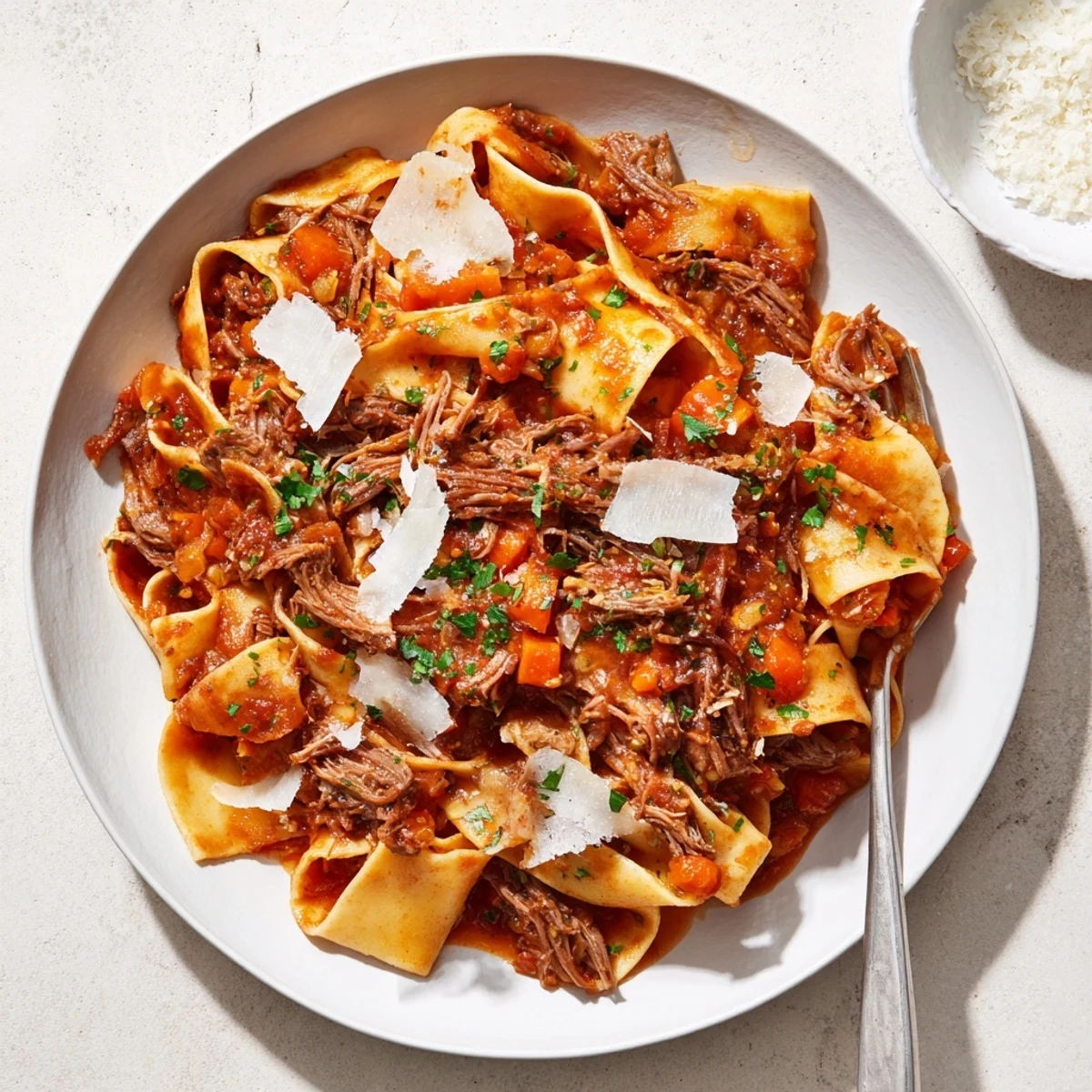
 There is something deeply satisfying about a dish that rewards patience with such incredible flavor. This ragu has become my go-to for cold Sunday afternoons.
Recipe FAQs
- → Can I make the lamb ragu ahead of time?
-
Absolutely. In fact, preparing the ragu a day ahead improves the flavor as the ingredients have time to meld together. Simply refrigerate after cooling, then reheat gently before tossing with freshly cooked pasta.
- → What cut of lamb works best for ragu?
-
Lamb shoulder is ideal because it contains enough connective tissue to become tender and succulent during long, slow cooking. The marbling and collagen break down over hours, creating a rich, silky sauce.
- → Can I substitute the pappardelle pasta?
-
Yes. Tagliatelle, fettuccine, or wide egg noodles work well. The key is choosing a pasta with enough surface area to hold the hearty sauce. Short ribbons or even rigatoni can be alternatives in a pinch.
- → How do I know when the lamb is done?
-
The lamb is ready when it easily shreds with two forks and offers no resistance. This typically takes 2½ to 3 hours of gentle simmering. The sauce should also be thickened and coat the back of a spoon.
- → What wine should I use for the ragu?
-
Choose a dry red wine you would enjoy drinking. Italian varieties like Chianti, Sangiovese, or Barbera work beautifully. Avoid cooking wines as they often contain salt and additives that affect the final flavor.
- → Can I freeze the leftover ragu?
-
Yes, the ragu freezes exceptionally well. Cool completely, then store in airtight containers or freezer bags for up to 3 months. Thaw overnight in the refrigerator before reheating gently with a splash of water or broth.