
 Save to Pinterest
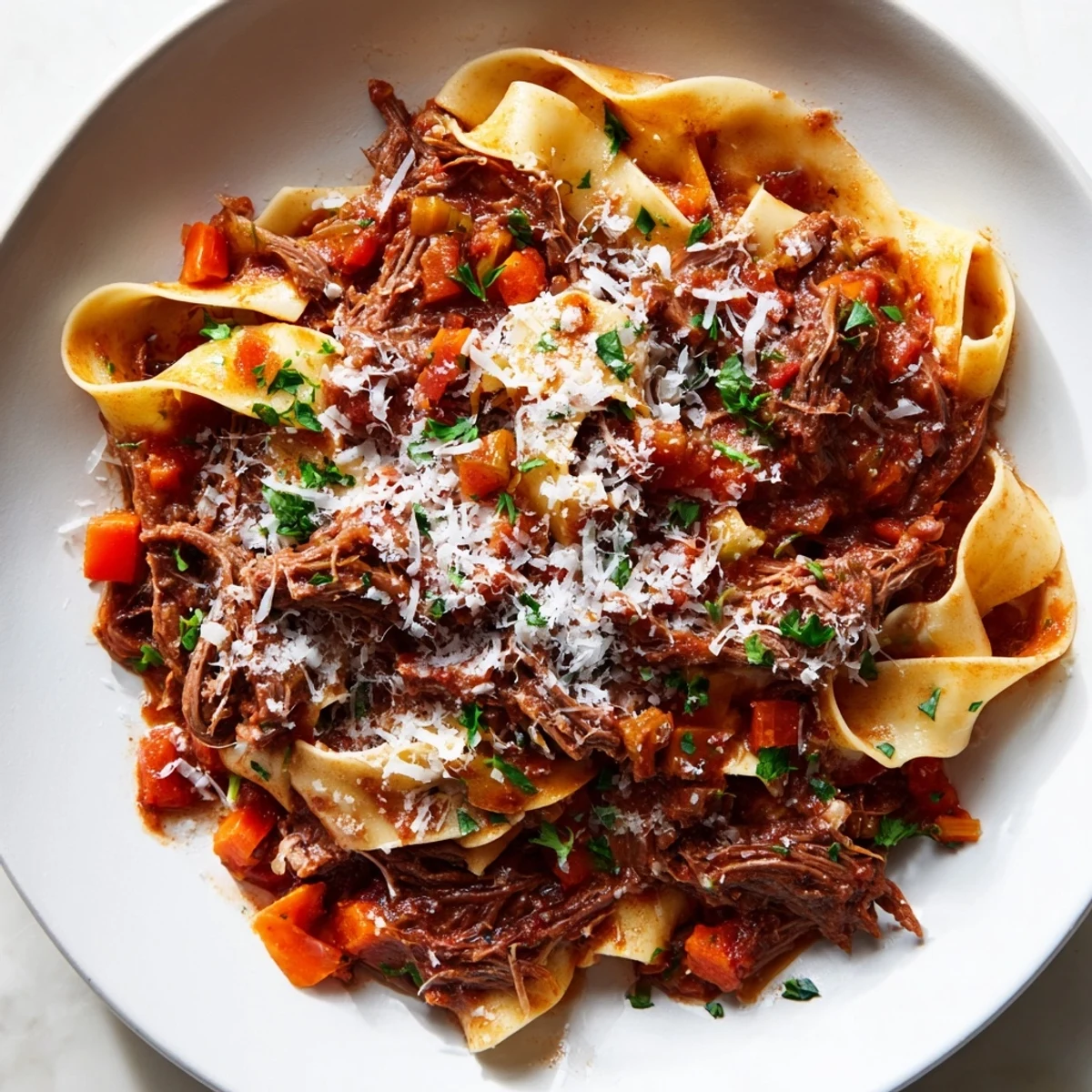
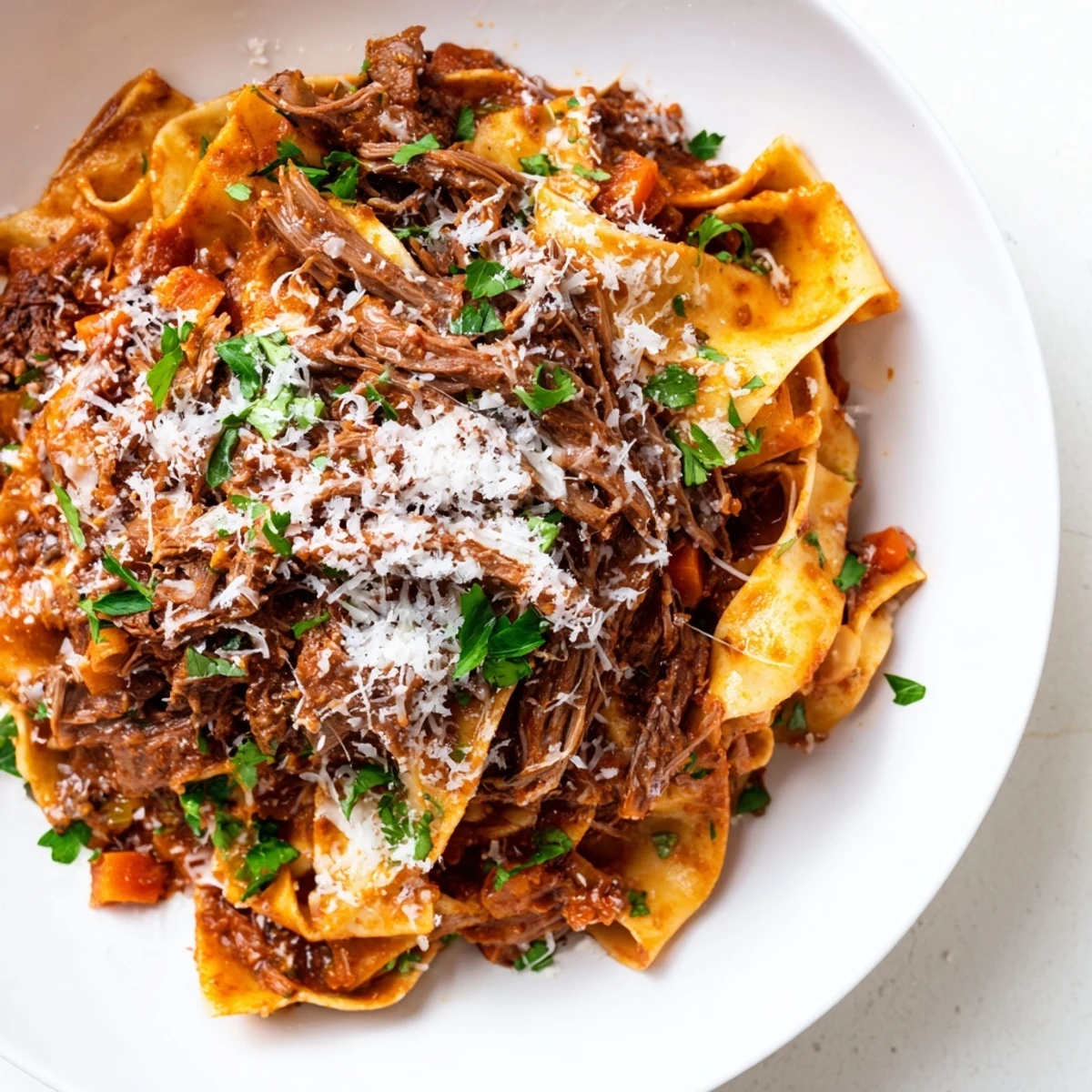
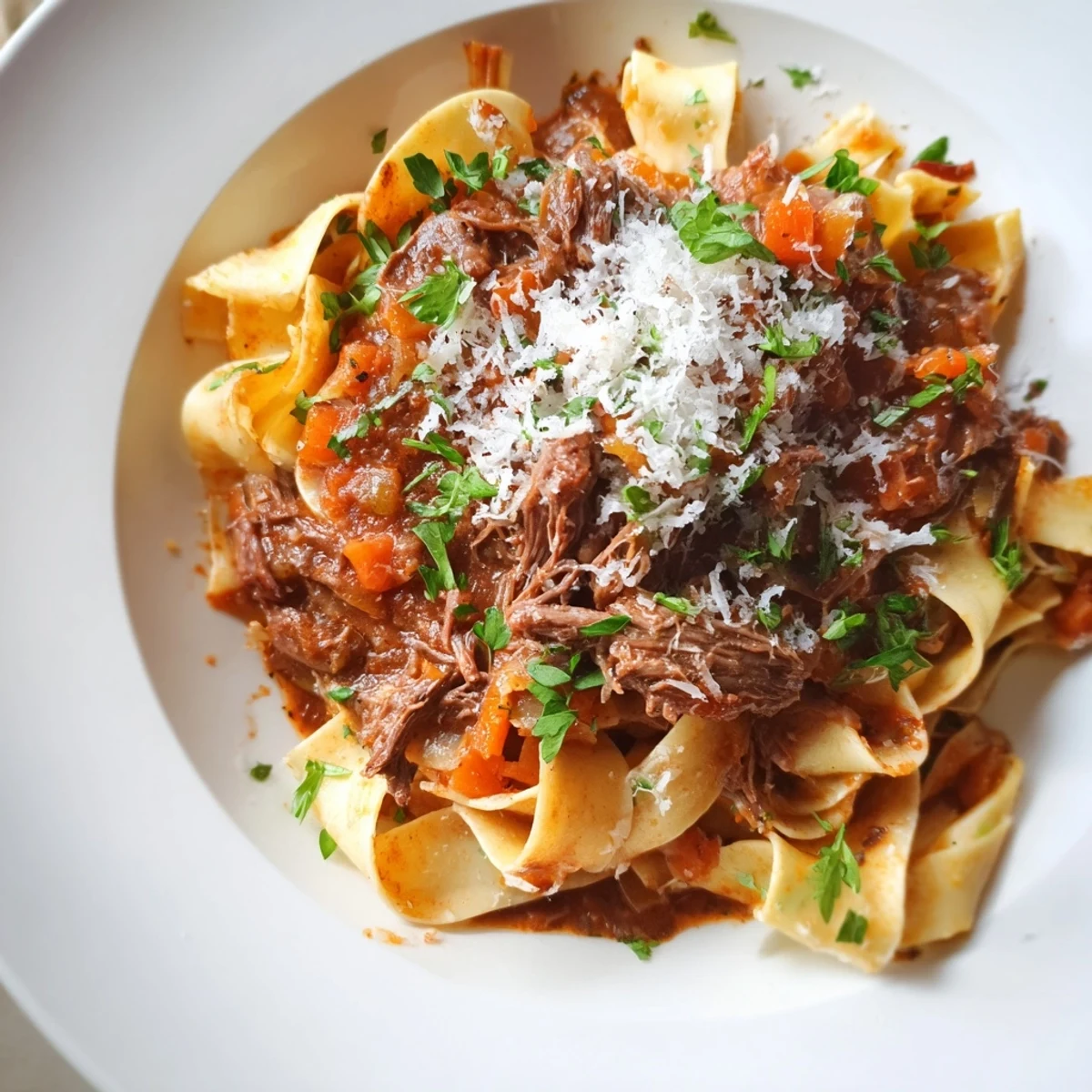
 This dish features tender chunks of beef chuck slow-cooked with aromatic vegetables, herbs, and crushed tomatoes to develop deep, rich flavors. The sauce blends red wine, oregano, thyme, and bay leaves, then pairs perfectly with silky pappardelle noodles tossed to coat. Garnished with freshly grated Parmesan and optional parsley, it’s a warm, satisfying meal ideal for a cozy evening. Cooking low and slow ensures the beef becomes tender and flavorful, making every bite comforting and delicious. Serve with a robust Italian red wine for an authentic touch.
The first snow of winter was falling when I decided to tackle a proper slow-cooked ragu. I'd been intimidated by beef ragu for years, but something about being snowed in made me feel brave enough to let a pot work its magic all day long.
I invited my neighbors over for dinner that night, partly because I'd made way too much food, but mostly because I needed witnesses to confirm this wasn't a fluke. We ended up lingering at the table for hours, wine glasses refilling themselves while the snow kept falling outside.
Ingredients
- 2 lbs beef chuck roast: The fat marbling in chuck roast is what keeps the meat meltingly tender after hours of slow cooking, so do not trim it away
- 1 large onion, 2 carrots, 2 celery stalks: This classic soffritto trio builds the foundational flavor base that transforms from harsh aromatics into sweet, savory depth
- 4 cloves garlic: Fresh garlic matters here since it will mellow out during the long cooking time into something almost creamy
- 1 can crushed tomatoes: Whole tomatoes crushed by hand give you better texture control than pre-crushed, but either works beautifully
- 1/2 cup dry red wine: The alcohol cooks off completely but leaves behind an acidity that cuts through all that rich beef flavor
- 1/2 cup beef broth: Homemade broth is wonderful but store-bought works fine, just avoid the overly salted varieties
- 2 tbsp tomato paste: This concentrated umami bomb is what gives restaurant ragu that deep, almost meaty undertone
- 2 tsp dried oregano, 1 tsp dried thyme, 2 bay leaves: Dried herbs actually work better here than fresh since they can handle the long cook time without turning bitter
- 1/4 tsp crushed red pepper flakes: Just enough warmth to make you sit up and pay attention without overwhelming the dish
- 1 lb pappardelle pasta: These wide ribbon noodles are perfect for catching all those ragu-coated bits in every single bite
- 1/3 cup freshly grated Parmesan cheese: Invest in a wedge and grate it yourself, the pre-grated stuff has anti-caking agents that ruin the melt
- 2 tbsp olive oil: Use the good stuff since it's going to be in contact with your beef during searing
Instructions
- Season and sear the beef:
- Generously coat each chunk with salt and pepper, then get your skillet ripping hot before adding oil. Sear until deeply browned on all sides, resisting the urge to move the meat around too much.
- Build your flavor base:
- In that same beef-scented skillet, cook your vegetables until they soften and smell sweet, then stir in the garlic and tomato paste until the paste darkens slightly and smells toasted.
- Let the slow cooker work:
- Everything goes into the slow cooker now, give it a good stir, then walk away and let it transform on low for 8 hours while you go about your day.
- Shred and adjust:
- Remove those spent bay leaves, then use two forks to shred the beef right in the sauce until it's perfectly integrated. Taste now and adjust with more salt or pepper.
- Cook the pappardelle:
- Time your pasta so it's ready about 20 minutes before you want to eat, and absolutely remember to reserve that starchy pasta water before draining.
- Bring it all together:
- Toss the hot noodles directly into the ragu, adding pasta water as needed until everything looks glossy and coated. Serve immediately with extra Parmesan.
 Save to Pinterest
 This ragu has become my go-to for Sunday suppers, snow days, and whenever I need to feed people something that feels like a proper hug on a plate. It's the dish that proves some things are worth waiting eight hours for.
Choosing Your Beef Cut
Chuck roast is the ideal choice here because it has plenty of connective tissue that breaks down into gelatin during the long cooking process. Short rib would also work beautifully if you want to splurge.
Wine Selection
You want something dry with enough acidity to stand up to all that rich beef, so avoid overly oaky Chardonnay or sweet wines. A decent Italian red from the grocery store works perfectly fine.
Make Ahead And Storage
This ragu actually tastes better the next day, so feel free to make it up to three days in advance and reheat gently on the stove. The flavors continue to develop and deepen as it sits.
- Freeze portions in freezer-safe bags for up to three months
- Thaw overnight in the refrigerator before reheating
- Add a splash of water when reheating if the sauce looks too thick
 Save to Pinterest
 There is something deeply satisfying about a meal that takes care of itself, leaving you free to enjoy the company of the people at your table. Good food and good conversation, that is what Sunday is all about.
Recipe FAQs
- → How do I achieve tender beef in this dish?
-
Slow cooking the beef for about 8 hours on low heat helps break down the connective tissue, resulting in tender, shreddable meat.
- → Can I substitute pappardelle with other pasta?
-
Yes, tagliatelle or fettuccine are good alternatives that similarly hold the sauce well.
- → What role does the red wine play in the sauce?
-
Red wine adds depth and a subtle acidity that balances the sweetness of the tomatoes and richness of the beef.
- → Is it necessary to sear the beef before slow cooking?
-
Searing locks in juices and creates a caramelized crust, enhancing overall flavor and color in the final dish.
- → How can I adjust the seasoning to my taste?
-
After shredding the beef, taste the sauce and add salt, pepper, or red pepper flakes to enhance the flavor before serving.