
 Save to Pinterest
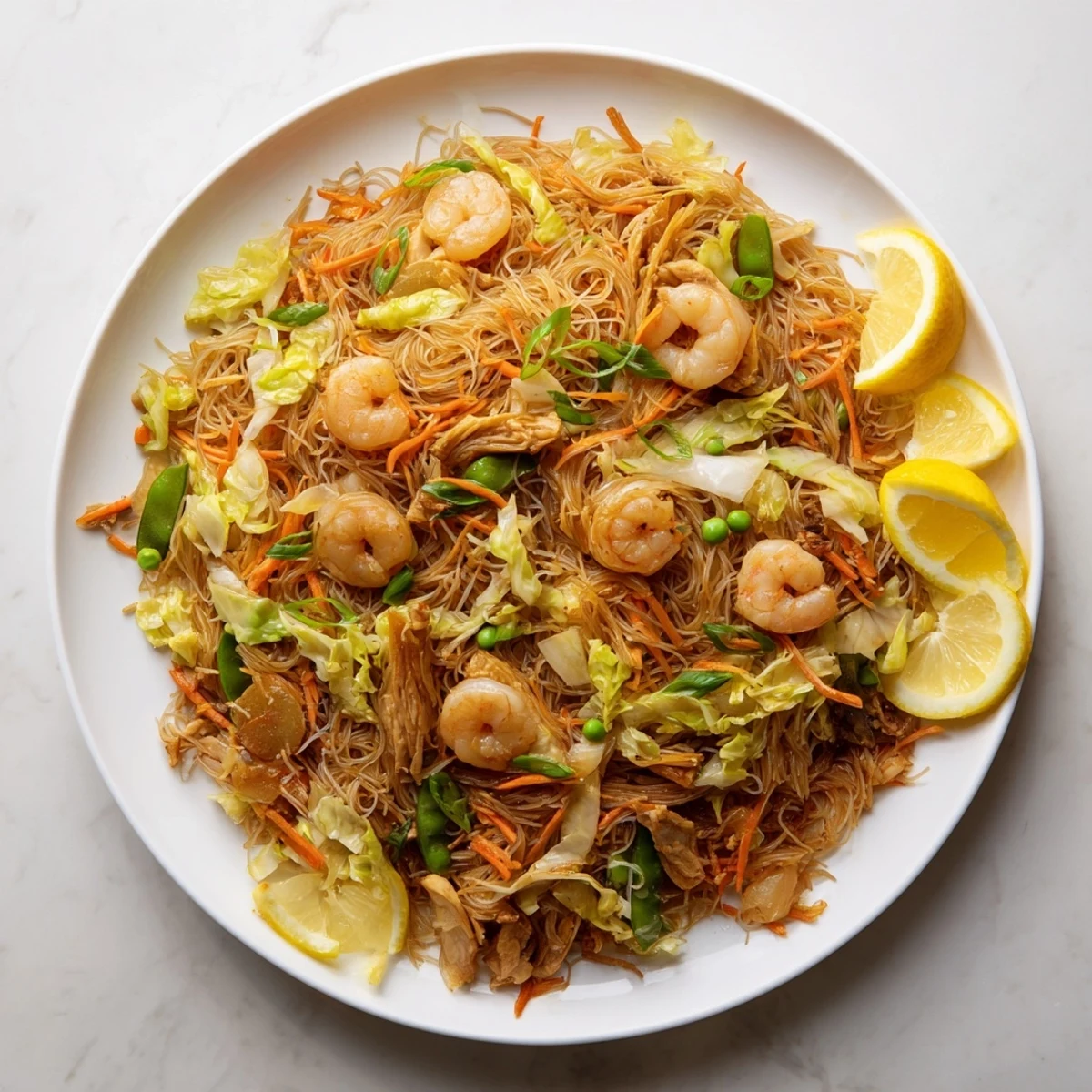
 This classic Filipino dish brings together tender bihon rice noodles, succulent chicken and shrimp, and colorful vegetables in a rich, savory sauce. The combination of soy sauce, oyster sauce, and fish sauce creates that distinctive umami flavor that makes Pancit Bihon a beloved centerpiece for family gatherings and celebrations.
Ready in just 40 minutes, this one-pan meal balances textures and beautifully - the soft noodles, crunchy vegetables, and perfectly cooked proteins create a satisfying dish that serves four generously. The finishing touch of fresh scallions and calamansi wedges adds brightness and authentic Filipino flair.
The aroma of garlic and soy sauce hitting a hot wok instantly transports me to my Lola's tiny kitchen, where she'd effortlessly toss pancit for our family gatherings. I watched her small hands work swiftly, never measuring, always knowing exactly when the noodles had absorbed enough of that golden sauce. Now, standing in my own kitchen, I realize it's not just about following steps'it's about the rhythm and the people gathering around the table, waiting.
Last Christmas, I made three batches of pancit bihon because my cousins kept coming back for seconds. There's something about the combination of tender noodles, sweet shrimp, and that hit of acidity from calamansi that makes people pause mid-bite and ask for the recipe. My uncle actually went back for fourths, which I think might be a new family record.
Ingredients
- 200 g boneless skinless chicken breast thinly sliced: Cutting against the grain gives you tender pieces that cook evenly
- 100 g medium shrimp peeled and deveined: Fresh shrimp makes all the difference here but frozen works in a pinch
- 200 g dried bihon rice vermicelli noodles: These thin rice noodles are the soul of the dish and absorb flavors beautifully
- 1 small carrot julienned: Adds sweetness and that essential crunch texture
- 1 cup green cabbage shredded: Use the firmer white parts for better texture in the stir-fry
- 1/2 cup snow peas trimmed and halved: They stay crisp and bright green even after cooking
- 1 small onion sliced: Red onion works too if that's what you have on hand
- 3 cloves garlic minced: Don't be shy with garlic'it's the foundation of the flavor
- 2 tbsp soy sauce: This provides that deep umami base and rich color
- 1 tbsp oyster sauce: Adds a subtle sweetness and extra depth to the sauce
- 1 tsp fish sauce: Just enough to enhance all the other flavors without overpowering
- 1/2 tsp ground black pepper: Freshly cracked gives you the best aromatic kick
- 1 cup chicken broth: Homemade broth is ideal but good quality store-bought works perfectly
- 2 tbsp chopped scallions: The fresh green onion finish brightens everything up
- 1 lemon or calamansi cut into wedges: That squeeze of acid at the table makes the flavors really sing
Instructions
- Soak the noodles:
- Place your bihon noodles in warm water for about 10 minutes until they're pliable but not mushy. Drain them well and set aside'they'll finish cooking in the sauce later.
- Build your aromatics:
- Heat oil in your wok over medium-high heat and sauté the garlic and onion until they're fragrant and starting to turn translucent. This should take about 2 minutes and your kitchen should already smell amazing.
- Cook your proteins:
- Add the sliced chicken first and let it develop a nice light brown color. Toss in the shrimp and cook until they turn pink, about 2 minutes, then remove everything from the pan and set it aside.
- Stir-fry the vegetables:
- In the same wok, add your carrots, cabbage, and snow peas. Keep them moving for 2 to 3 minutes'you want them tender but still with some bite.
- Create the sauce base:
- Return the chicken and shrimp to the wok. Pour in the soy sauce, oyster sauce, fish sauce, and chicken broth, letting everything come to a gentle simmer.
- Add the noodles:
- Toss in the soaked bihon and use tongs to gently combine everything. Let the noodles cook for 3 to 4 minutes, absorbing that flavorful sauce until they're heated through.
- Season to taste:
- Add your black pepper and taste the dish. Adjust with more soy sauce or a pinch of salt if needed'everyone's palate is different.
- Finish and serve:
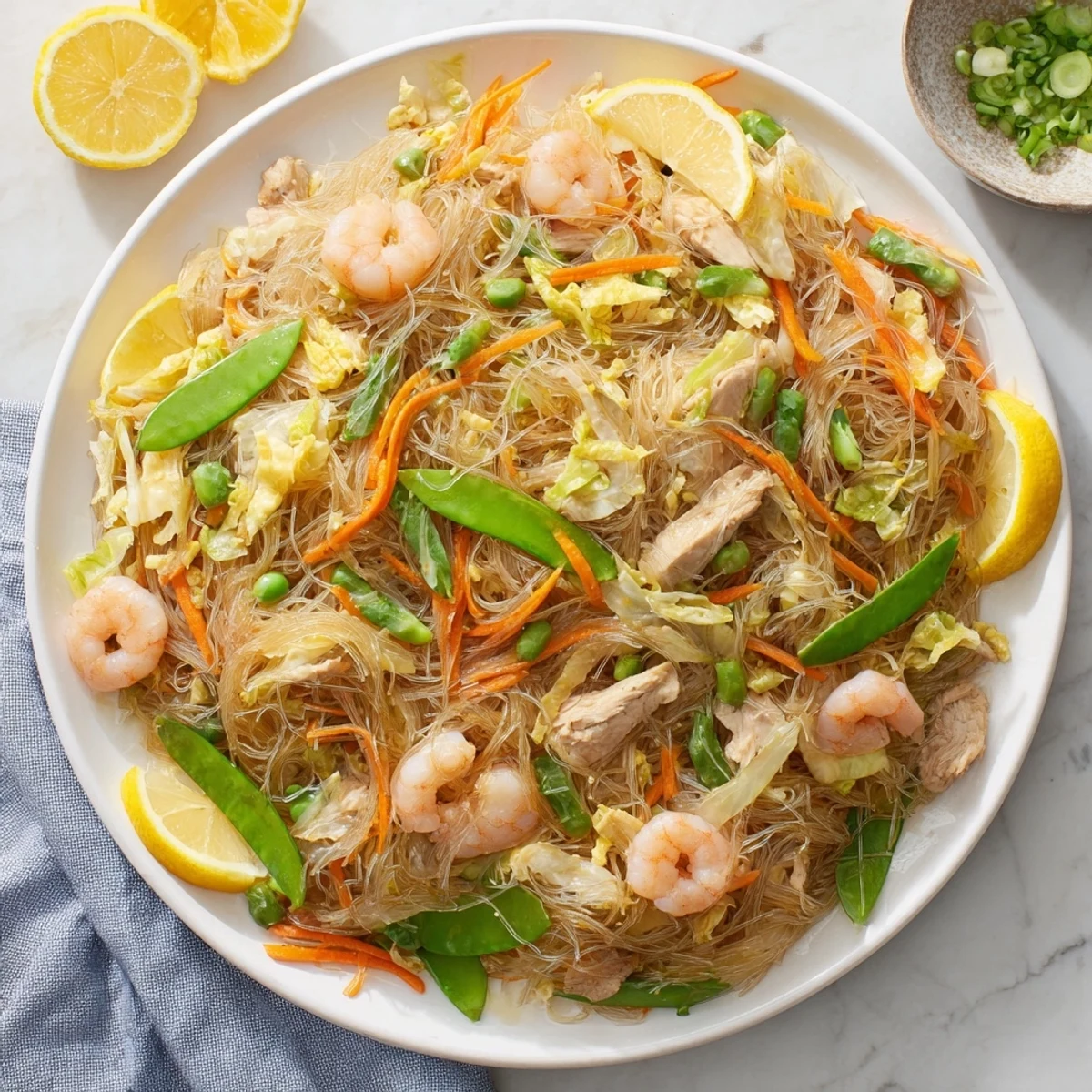
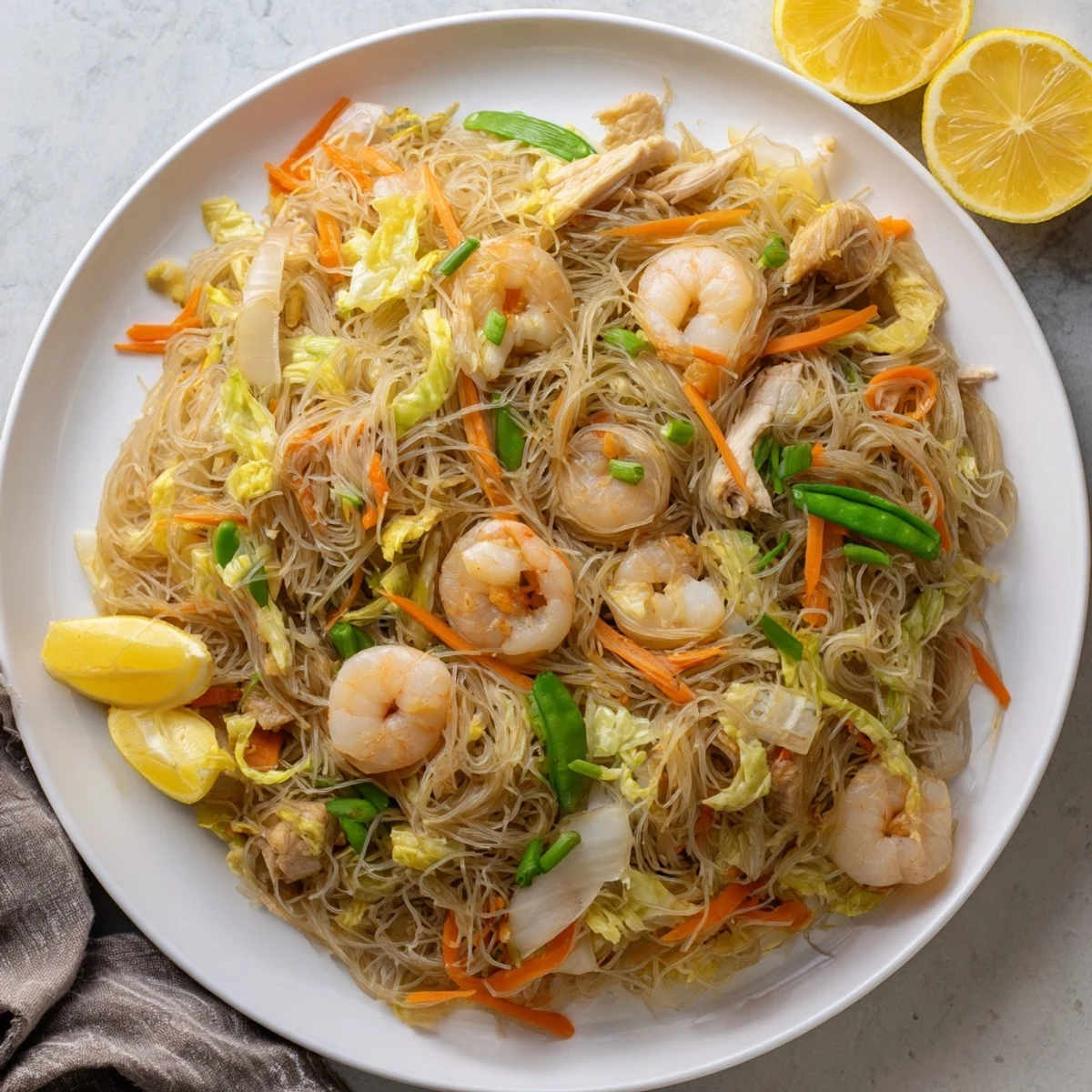
- Transfer everything to a beautiful platter, scatter those fresh scallions on top, and serve with lemon or calamansi wedges on the side.
 Save to Pinterest
 My friend Mark tried making this for the first time and called me at 10 PM absolutely thrilled that it tasted just like the pancit from his favorite Filipino spot. There's something deeply satisfying about cooking a dish that connects you to memories and traditions, especially when it brings people together around the table.
Making It Your Own
I've learned that pancit is incredibly forgiving and adaptable. Sometimes I add bell peppers for extra color or swap in tofu for a meatless Monday version. The key is keeping that balance of textures and that savory soy-based sauce that ties everything together.
Perfect Pairings
A cold crisp lager cuts through the richness beautifully, but my personal favorite is serving this alongside lumpiang Shanghai for the ultimate Filipino feast. The contrast between the hot noodles and those crunchy egg rolls is absolute perfection.
Make-Ahead Wisdom
You can slice all your vegetables and proteins the night before, which makes the actual cooking feel effortless. I've even prepped everything for a potluck and finished it in the host's kitchen'the aroma alone had everyone gathering around before I even announced dinner was ready.
- Leftovers actually taste better the next day as the flavors continue to meld
- Keep some extra chicken broth handy to loosen up leftovers when reheating
- The noodles will continue to absorb liquid so don't worry if it looks a bit saucy initially
 Save to Pinterest
 There's nothing quite like the sound of sizzling garlic and the sight of everyone reaching across the table for seconds. That's when you know you've made something special.
Recipe FAQs
- → What makes Pancit Bihon different from other Filipino noodle dishes?
-
Pancit Bihon specifically uses thin rice vermicelli noodles called bihon, which distinguish it from other pancit varieties. The rice noodles absorb the savory soy-based sauce beautifully, creating a tender yet slightly chewy texture. This version features the classic combination of chicken and shrimp with vegetables, making it a complete and satisfying meal.
- → How do I prevent the noodles from becoming mushy?
-
The key is proper soaking and timing. Soak the dried bihon noodles in warm water for just 10 minutes until pliable but not overly soft. Drain them thoroughly before adding to the pan. Once in the wok, cook for only 3-4 minutes - just enough to heat through and absorb the sauce. Overcooking will cause the noodles to break down and become mushy.
- → Can I make Pancit Bihon ahead of time?
-
While best served fresh, you can prepare components ahead. Soak and drain the noodles, chop all vegetables, and slice the proteins up to a day in advance. When ready to serve, simply stir-fry everything together. Note that the noodles will continue absorbing liquid, so you may need to add a splash of broth when reheating to restore the ideal consistency.
- → What vegetables work best in Pancit Bihon?
-
Traditional choices include carrots, cabbage, and snow peas for their crunch and color. You can also add bell peppers, celery, or snap peas. The key is using vegetables that maintain some texture after stir-frying. Avoid watery vegetables like zucchini that might release excess moisture and make the dish soggy.
- → Is there a gluten-free option for this dish?
-
Yes, simply use gluten-free soy sauce and tamari instead of regular soy sauce. Verify that your oyster sauce is gluten-free or substitute with a gluten-free alternative. The bihon rice noodles are naturally gluten-free, making this an excellent option for those avoiding wheat when you make these simple sauce adjustments.
- → What should I serve with Pancit Bihon?
-
Pancit Bihon is typically served as a complete meal on its own. Traditional accompaniments include additional soy sauce with chili on the side for those who enjoy extra heat. It pairs wonderfully with crisp white wine or a light lager. For a larger spread, consider serving alongside lumpia (Filipino spring rolls) or a fresh green salad.