
 Save to Pinterest
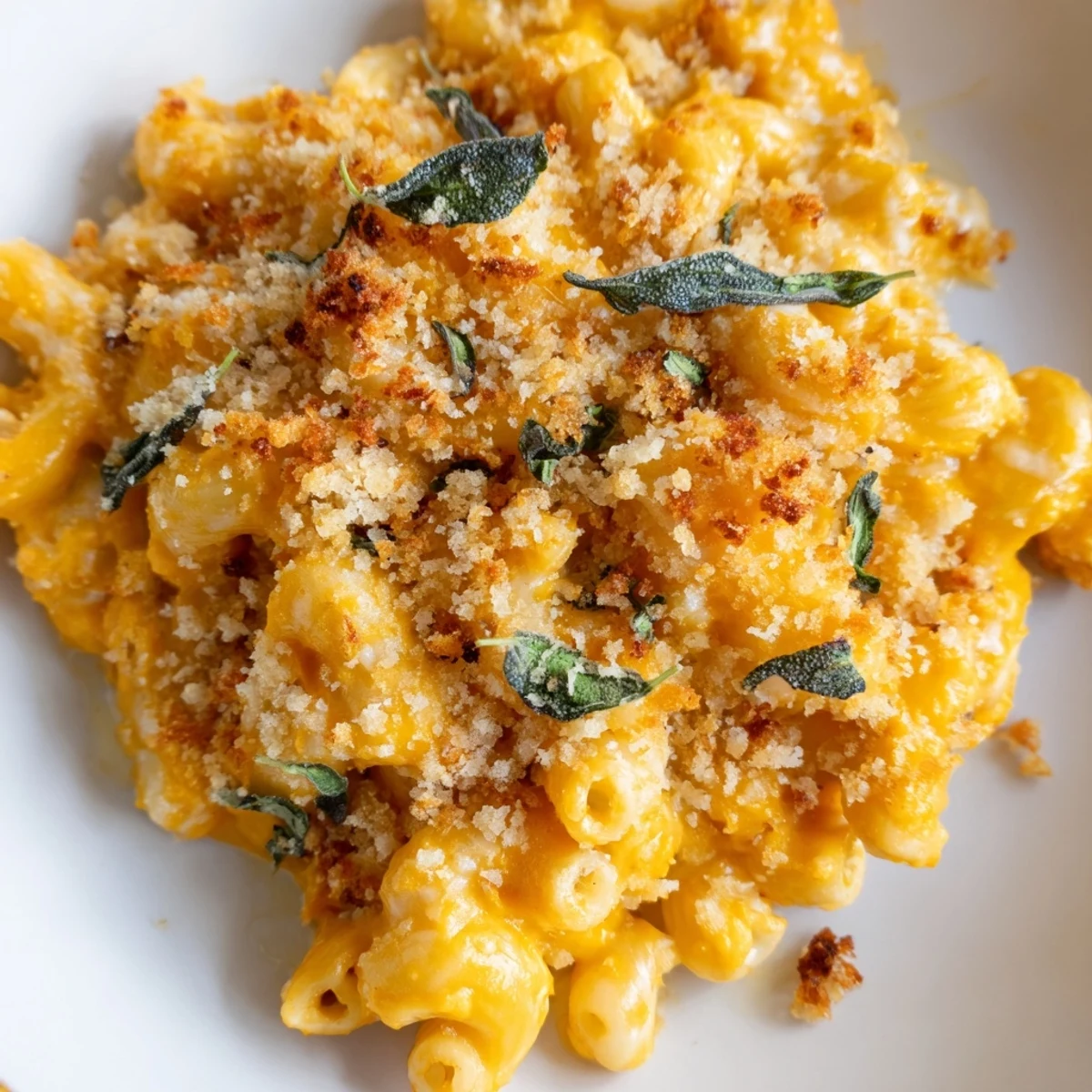
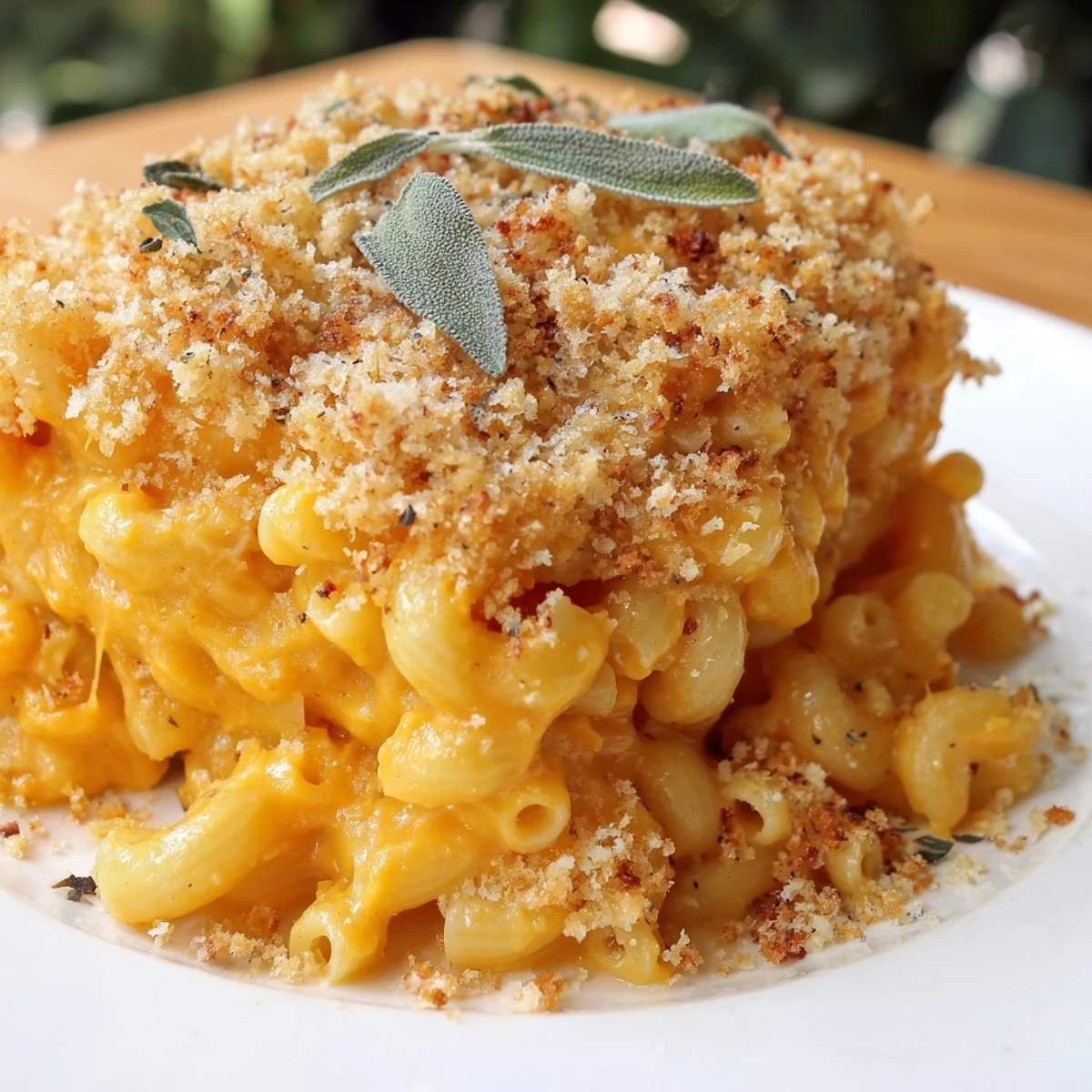
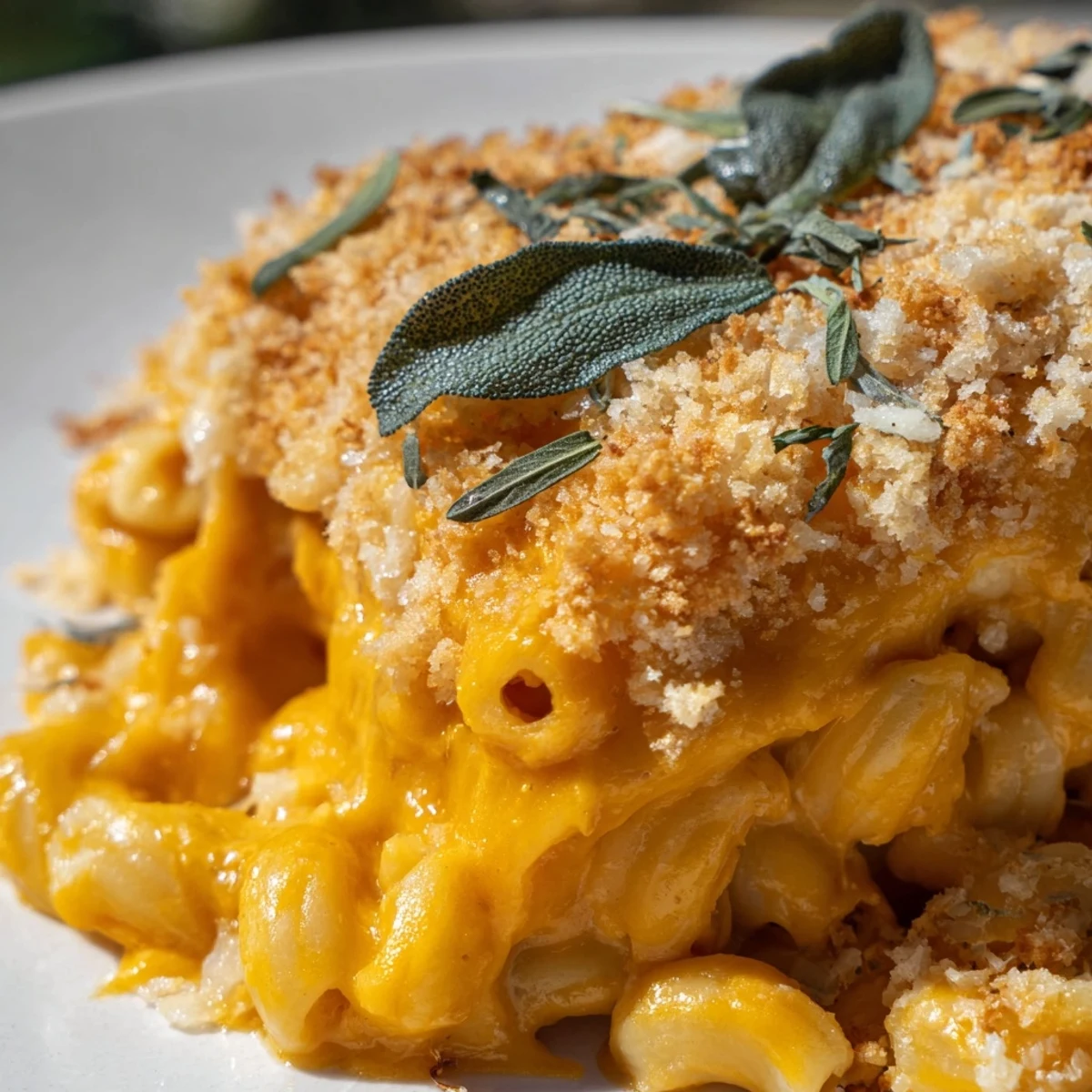
 This comforting dish combines tender elbow macaroni with a velvety sauce made from roasted butternut squash and fresh sage. The squash is roasted to bring out its natural sweetness, then pureed with a creamy blend of cheddar and Gruyère cheeses, butter, and spices. The mixture is gently folded with perfectly cooked pasta. An optional breadcrumb and Parmesan topping can be broiled for a delicate golden finish. This easy-to-make dish offers rich autumnal flavors, perfect for a satisfying main course.
The first time I made butternut squash mac and cheese, I was standing in my kitchen on a grey October afternoon, watching the oven glow amber as squash caramelized inside. A friend had mentioned she craved something between comfort food and autumn elegance, and I realized that day that mac and cheese didn't have to be tied to childhood nostalgia—it could taste like the season itself. The sage leaves crackled in the warm butter, filling the air with something earthy and almost herbaceous, and I knew right then this version was going somewhere different.
I made this for a dinner party last year where someone admitted they'd never really loved mac and cheese as an adult. They went back for seconds without commenting, just quietly enjoying themselves while everyone else debated whether the Gruyère or the sage was stealing the show. That moment taught me that comfort food earns respect when you treat it seriously.
Ingredients
- Elbow macaroni (340 g): Short pasta shapes hold onto the creamy sauce better than long noodles, and the texture stays tender without getting mushy even when it sits a few minutes.
- Butternut squash (450 g, diced): Buy one that feels heavy for its size and cut it while it's still slightly firm—it's easier than wrestling with a rock-hard squash, trust me on this.
- Olive oil, salt, and pepper: The oil helps the squash caramelize and deepen its sweetness while roasting, bringing out flavors you didn't know were hiding there.
- Unsalted butter: Two tablespoons creates the base for your roux, and unsalted lets you control the salt level throughout.
- Onion and garlic (1 small onion, 2 cloves): Sautéed until soft, they build an aromatic foundation that makes the whole sauce taste homemade and intentional.
- Fresh sage (1 tbsp chopped, plus garnish): This is non-negotiable—dried sage tastes dusty by comparison, and fresh leaves give the dish its autumnal personality.
- All-purpose flour (2 tbsp): Creates a roux that thickens the sauce without making it lumpy or heavy if you whisk carefully.
- Whole milk and vegetable broth (500 ml milk, 120 ml broth): The combination gives you richness without heaviness, and the broth adds subtle savory depth.
- Sharp cheddar and Gruyère (150 g and 75 g): Cheddar brings the familiar, friendly flavor while Gruyère adds a slight nuttiness that makes people pause and wonder what just happened to their mac and cheese.
- Ground nutmeg (1/2 tsp): Just a whisper of it rounds out the squash sweetness and makes the whole dish taste more sophisticated than its humble ingredients suggest.
- Panko breadcrumbs, butter, and Parmesan (topping): Optional but worth it—they give you a golden crust that contrasts beautifully with the creamy interior.
Instructions
- Roast the squash until it caramelizes:
- Toss diced squash with olive oil, salt, and pepper, then spread it on a parchment-lined baking sheet and slide it into a 400°F oven for 20–25 minutes. You're looking for the edges to turn golden and slightly crispy—that's where the real flavor lives. Don't stir too much; let it sit and get some color.
- Cook the pasta to al dente:
- While the squash roasts, fill a large pot with salted water and bring it to a rolling boil. Add the pasta and cook according to package instructions, but pull it out a minute early so it still has some resistance when you bite it. Drain it and set aside, but don't rinse it—that starch helps the sauce cling.
- Build the aromatic base:
- In a large saucepan, melt butter over medium heat and add your finely chopped onion. Sauté for 3–4 minutes until it's soft and translucent, then add minced garlic and fresh sage and cook for another minute. You should smell something warm and herbaceous rising from the pan.
- Create a smooth roux:
- Stir in the flour and keep stirring for 1–2 minutes so it cooks out completely and turns a light golden color. This prevents that raw, pasty taste and thickens your sauce perfectly.
- Add the liquid and bring it together:
- Gradually whisk in the milk and vegetable broth, moving slowly so no lumps form. Bring the whole thing to a gentle simmer and stir until it thickens noticeably, usually 3–4 minutes. If it seems thin, just give it another minute or two.
- Blend in the roasted squash:
- Pour the roasted squash into the sauce and use an immersion blender to puree everything until it's smooth and creamy. If you don't have an immersion blender, carefully transfer it to a regular blender in batches—just let it cool slightly first and work in small amounts. The result should be silky and rich-looking.
- Melt in the cheeses and season:
- Reduce the heat to low, then add the grated cheddar and Gruyère, stirring gently until they're completely melted and the sauce turns glossy. Add the nutmeg, then taste and adjust the salt and pepper to your preference.
- Combine everything together:
- Add your cooked pasta to the cheese sauce and fold everything together gently so every strand gets coated without breaking up. If it feels too thick, a splash of milk will loosen it up.
- Add the golden topping (optional but recommended):
- Transfer the mac and cheese to a greased baking dish if you're broiling it. Mix the panko breadcrumbs with melted butter and Parmesan, then sprinkle it over the top. Broil for 2–3 minutes, watching carefully so it turns golden without burning.
- Finish with fresh sage and serve:
- Scatter extra chopped fresh sage over the top just before serving so it stays bright and fragrant. Serve it hot and watch people's faces light up.
 Save to Pinterest
 I served this to my parents last Thanksgiving, and my dad—who thinks all modern cooking is overthinking—quietly asked for the recipe before he left. That was the moment I knew I'd created something that felt both adventurous and deeply, comfortingly familiar at the same time.
Why This Combination Works
Butternut squash and sage have been cooking partners for centuries, and once you taste them together in a creamy sauce, you understand why. The squash brings subtle sweetness and velvety texture, while sage adds an earthy, slightly peppery note that keeps the whole dish from tasting too indulgent. That ground nutmeg acts as a bridge between them, rounding out the flavors so everything feels intentional instead of accidental. Two cheeses—sharp cheddar and Gruyère—give you both the familiar comfort of classic mac and cheese and a layer of sophisticated, nutty complexity that makes people wonder what's different.
Making It Your Own
This recipe is forgiving enough to bend to your preferences without losing its soul. If you can't find Gruyère or it's too expensive, you could use a good aged Gouda, or honestly, just add more sharp cheddar—you'll lose a bit of that sophisticated nuttiness, but it'll still be delicious. Some people sauté a handful of mushrooms or spinach and fold them in with the pasta, which adds earthiness and makes the dish feel a little less heavy. You can also substitute sweet potato for butternut squash if that's what you have, though the flavor will be slightly different—less earthy, a bit more caramel-forward.
Storage and Reheating
This dish keeps beautifully in the refrigerator for up to three days, which makes it perfect for planning ahead or enjoying leftovers. Reheat it gently in a saucepan over low heat with a splash of milk to loosen the sauce back up, stirring occasionally so it doesn't stick. You can also reheat it covered in the oven at 350°F for about 15 minutes until it's warmed through.
- If you add the panko topping, do it fresh before serving rather than baking it ahead—it stays crispier that way.
- Leftover mac and cheese tastes just as good cold straight from the container the next day if you're into that sort of thing.
- The sage flavor actually deepens slightly as it sits overnight, so day-old portions sometimes taste even more intentional than the first serving.
 Save to Pinterest
 There's something special about a dish that tastes like autumn in a bowl and feels like coming home at the same time. This butternut squash mac and cheese became that for me, and I hope it becomes that for you too.
Recipe FAQs
- → How do I roast the butternut squash properly?
-
Toss the diced squash with olive oil, salt, and pepper, then roast at 200°C (400°F) for 20–25 minutes until tender and lightly caramelized.
- → Can I use different pasta shapes?
-
Elbow macaroni or any short pasta works well since it holds the creamy sauce nicely.
- → What cheeses are best for the sauce?
-
Sharp cheddar and Gruyère create a rich, smooth, and flavorful sauce that balances the sweetness of the squash.
- → Is it possible to make a baked version?
-
Yes, sprinkle a mixture of panko breadcrumbs, melted butter, and Parmesan on top, then broil until golden brown for a crispy crust.
- → How can I add extra vegetables?
-
Sautéed mushrooms or spinach are great additions that complement the creamy texture and enhance flavor.