
 Save to Pinterest
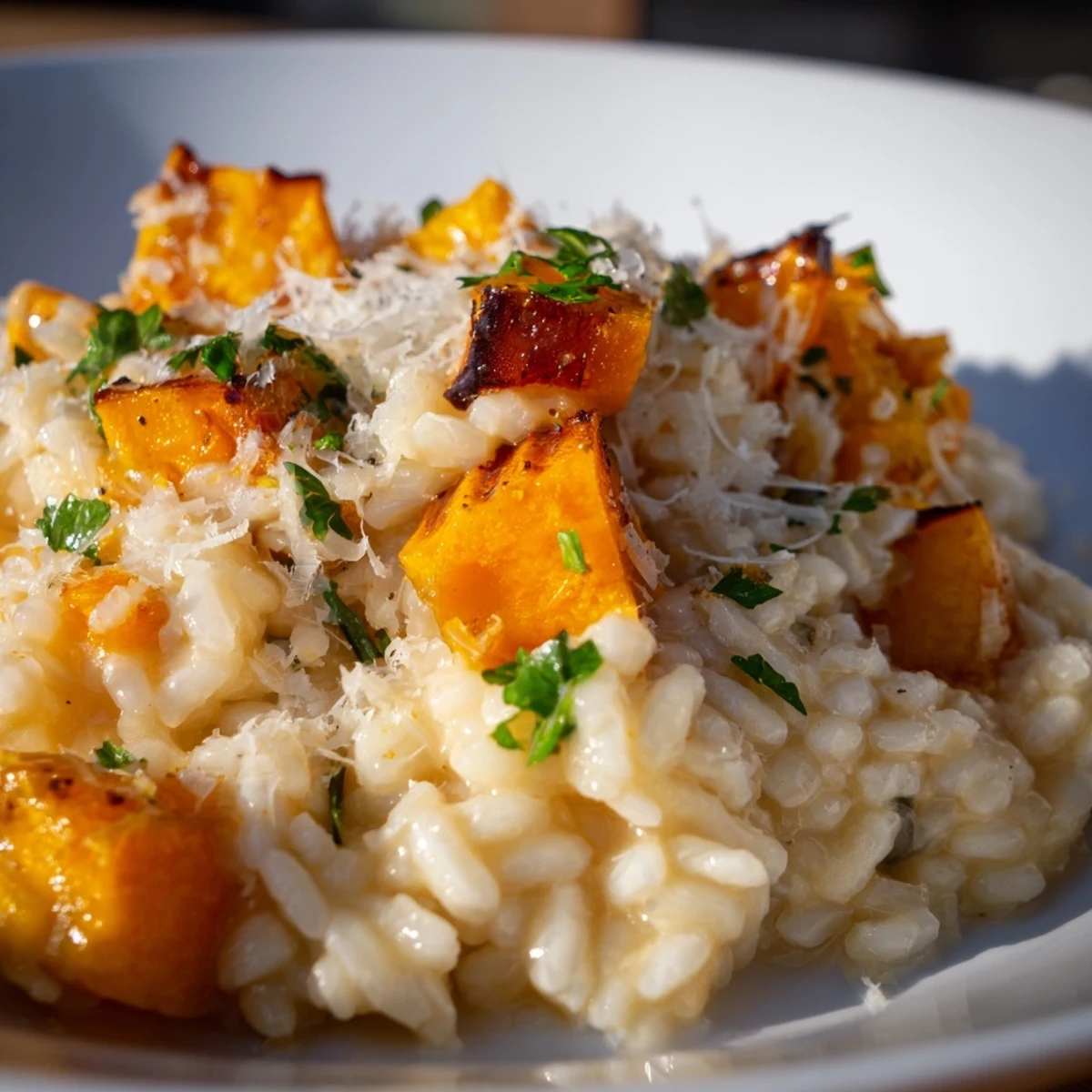
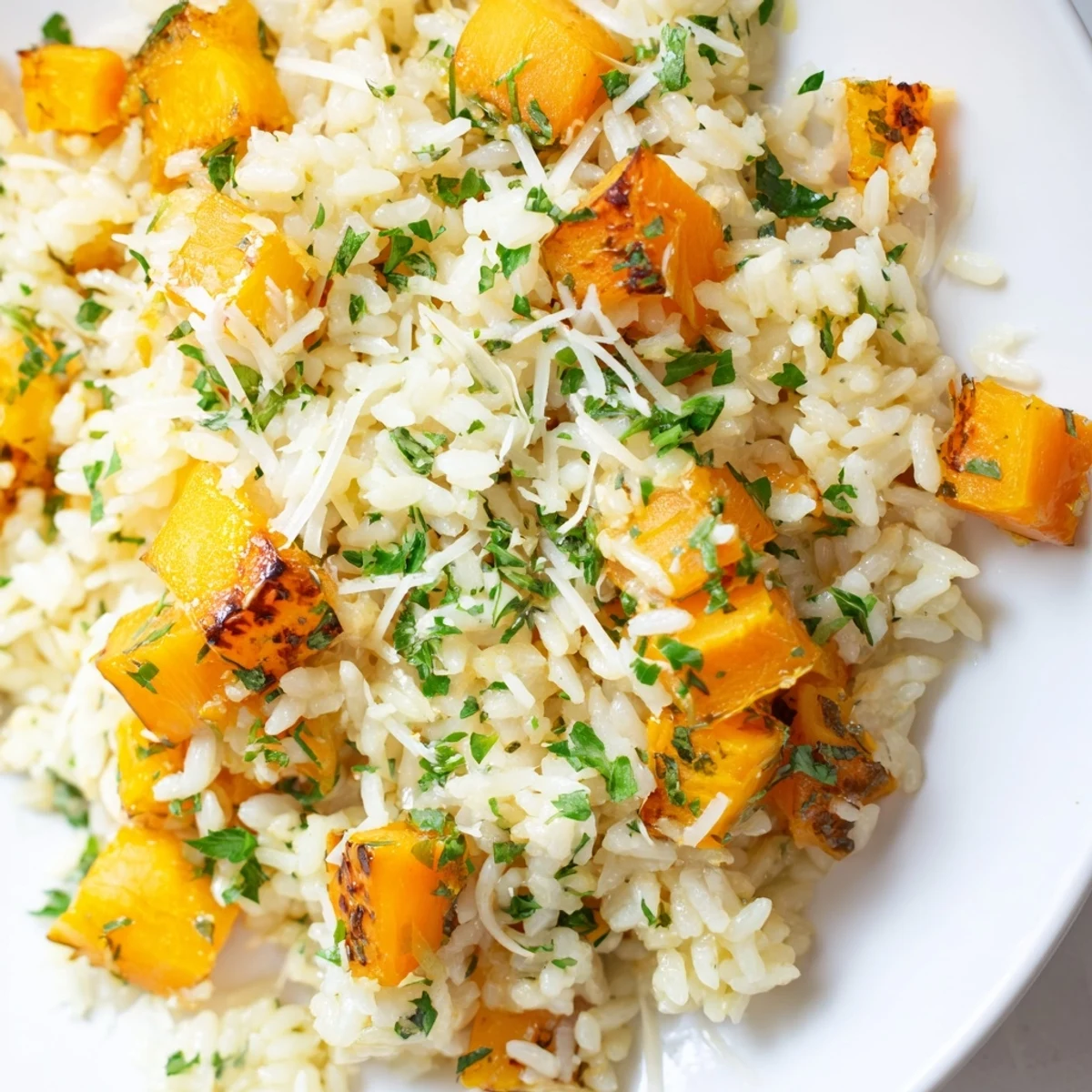
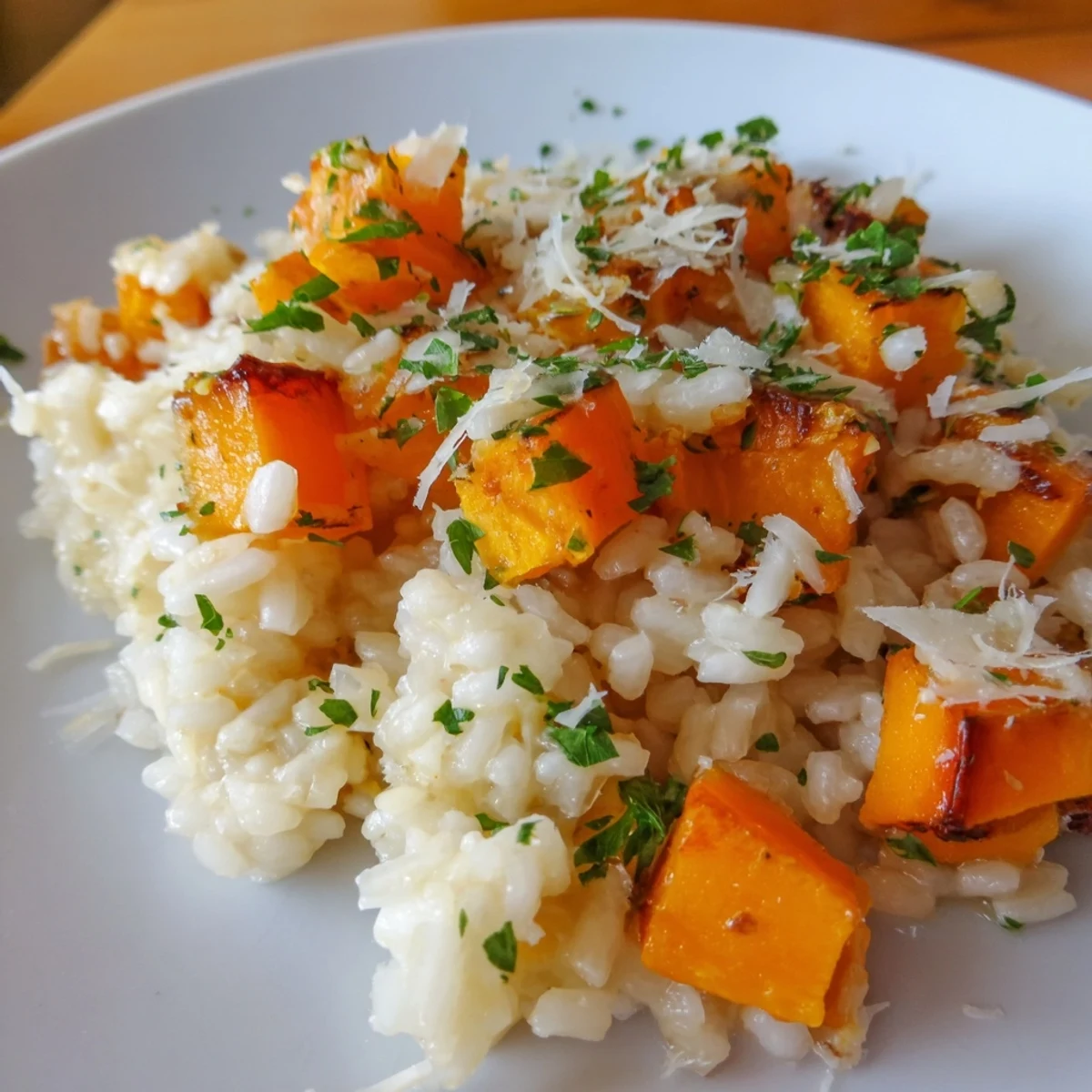
 This Italian risotto offers a comforting blend of roasted butternut squash and freshly grated Parmesan. Roasting the squash caramelizes its natural sweetness, while the Arborio rice is gently simmered in warm vegetable broth and stirred continuously to release creamy starches. White wine adds subtle acidity, balancing the richness. Finished with butter and cheese, this dish delivers a velvety texture and deep flavor, garnished with fresh herbs for an aromatic touch. Ideal for a satisfying vegetarian main course.
There's a particular Wednesday evening that comes to mind whenever I make this risotto, one where I had no plan and only a tired butternut squash sitting on my counter. I started roasting it out of pure stubbornness, determined not to order takeout again, and somewhere between the first stir and the creamy finish, the kitchen smelled so good that my whole evening shifted. The sweetness of the squash combined with nutty Parmesan turned that aimless moment into something I've now made dozens of times.
I made this for a friend who mentioned being too tired to cook, and watching their face when they took that first bite taught me something about the power of feeding people well. They asked for the recipe immediately, and I realized this wasn't just comfort food, it was actually memorable in a way that mattered.
Ingredients
- Butternut squash: The roasting is what makes this sing, caramelizing the natural sugars and giving the risotto depth instead of just sweetness.
- Arborio rice: This short-grain rice releases starch as it cooks, creating that creamy texture without cream, which is the whole magic of risotto.
- Vegetable broth: Keep it warm on a separate burner so each addition doesn't shock the rice and interrupt the cooking process.
- White wine: Dry white is key here, something you'd actually drink, which means the acidity cuts through the richness beautifully.
- Parmesan cheese: Freshly grated makes an enormous difference because pre-grated varieties have anti-caking agents that prevent that silky melt.
- Butter: Added twice, at the start and finish, which is the secret to risotto tasting restaurant quality in your own kitchen.
Instructions
- Roast the squash until golden:
- Toss your cubed squash with oil, salt, and pepper, then spread it on a baking sheet and let the oven do the work for 20-25 minutes. You're looking for caramelized edges and a fork-tender center, which adds a subtle sweetness that raw squash never delivers.
- Build your aromatics:
- Heat oil and butter together, then soften the onion slowly over medium heat, about 3-4 minutes. When it turns translucent and the smell drifts up from the pan, add the minced garlic and let it bloom for just one minute, which releases its flavor into the fat.
- Toast the rice:
- Stir the Arborio into the hot pan for about 2 minutes until the grains look glossy and slightly translucent at the edges. This toasting step is easy to skip but it genuinely improves the texture and keeps the rice from turning mushy.
- Deglaze with wine:
- Pour in the white wine and stir constantly until it's mostly absorbed into the rice. You'll hear the sizzle soften and smell the alcohol cooking off, which tells you it's time to move to the broth.
- Add broth one ladle at a time:
- This is where patience becomes your best ingredient. Add warm broth, stir frequently, and wait until the liquid is mostly absorbed before adding more, a process that takes about 18-20 minutes total. The constant stirring isn't just tradition, it releases the starch that makes risotto creamy.
- Finish with squash, butter, and cheese:
- When the rice is creamy and tender but still has a slight bite, fold in your roasted squash, a final pat of butter, and the freshly grated Parmesan. Let it cook together for 2 more minutes so everything gets cozy, then taste and adjust the salt.
- Rest and serve:
- Remove from heat and let it sit for 2 minutes, which allows the risotto to set slightly without becoming stiff. Serve in wide bowls so people can see that gorgeous creamy surface, garnish with extra Parmesan and fresh sage.
 Save to Pinterest
 The first time I made this for my partner, they ate it quietly for a while, then looked up and said, "This tastes like autumn in a bowl." That's when I understood this dish wasn't just about the ingredients coming together, it was about creating a moment that made people slow down and actually taste what they were eating.
Why Roasting the Squash Matters
Raw butternut squash mixed into risotto stays a little watery and dilutes the creaminess, which I learned the hard way by skipping the roasting step once. Roasting first concentrates the flavors and adds this subtle caramelization that makes people ask what your secret ingredient is, even though it's just patience and heat.
Making It Your Own
This recipe is forgiving enough to let you experiment without ruining it. A splash of heavy cream stirred in at the end makes it richer, though it's honestly not necessary. I've added crispy sage leaves on top, a grating of fresh nutmeg right at the finish, even a handful of toasted pumpkin seeds for texture and none of these changes broke what makes it work.
Timing and Planning
The beauty of this dish is that you can prep everything ahead of time, which means the actual cooking happens in about 35 minutes with minimal stress. Measure your ingredients into small bowls before you start, warm your broth before you begin stirring, and you'll find the whole process becomes almost meditative rather than frantic.
- Start the squash roasting first so it can cool slightly while you prep the other components.
- Keep a glass of water nearby because if you're underestimating how much broth you need, a little warm water can finish the rice in a pinch.
- Don't walk away from the pan once you start adding broth, because risotto demands your attention and rewards it with that silky, restaurant-quality texture.
 Save to Pinterest
 This risotto has become my answer to the question of what to make when I want to feel like I'm doing something special without actually pulling out the fancy cookbooks. It's proof that a few good ingredients and a little care turn an ordinary Wednesday into something worth remembering.
Recipe FAQs
- → How do I ensure a creamy consistency in the risotto?
-
Constant stirring and gradually adding warm vegetable broth allows the rice to release its starches, resulting in a creamy texture.
- → Can I substitute butternut squash with another vegetable?
-
Yes, pumpkin can be used as a substitute for butternut squash with similar roasting and cooking times.
- → What type of rice is best for this dish?
-
Arborio rice is preferred for its high starch content, which creates the creamy consistency in risotto.
- → Why is white wine used in the cooking process?
-
White wine adds acidity and depth to the dish, which balances the richness of the cheese and squash.
- → How can I enhance the flavor even further?
-
Adding a splash of cream with the Parmesan enriches the dish, and fresh herbs like sage or parsley add aromatic freshness.