
 Save to Pinterest
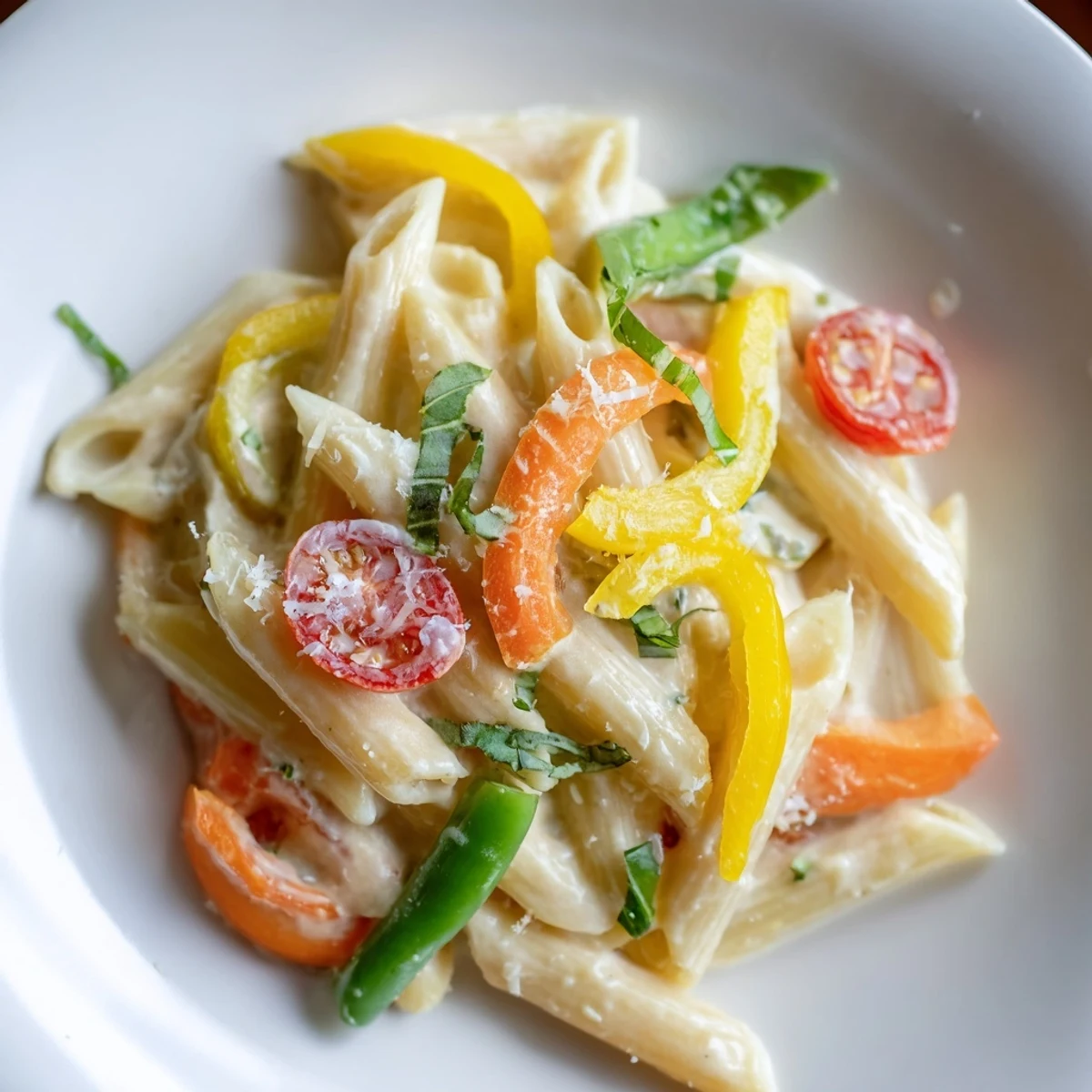
 This creamy pasta primavera combines tender penne or fettuccine with a colorful mix of zucchini, bell peppers, carrots, sugar snap peas, and cherry tomatoes. Sautéed garlic and a rich sauce of heavy cream, butter, and Parmesan cheese bring depth and smoothness to the dish. Finished with lemon zest and fresh basil, it offers a fresh and satisfying meal packed with vibrant flavors. Ideal for a quick, easy, and comforting main course that highlights seasonal vegetables.
There's a particular magic that happens when you catch the tail end of spring, when the farmers market is practically bursting with vegetables so fresh they still smell like soil and sun. I made this creamy pasta primavera one April evening, not because I had a plan, but because I walked home with an armful of colorful peppers and snap peas, and suddenly the kitchen felt like it was asking for something bright and comforting all at once. The cream pulls everything together into something that tastes both light and indulgent, and honestly, it became one of those dishes I make when I want to feel like I'm doing something special without actually stressing.
I served this to a friend who had just moved to the city and was homesick, and watching her face light up when she took that first bite reminded me that sometimes the simplest meals are the ones that say the most. The way the lemon zest cuts through the cream, the little bursts of sweetness from the tomatoes—it was like cooking a small act of kindness, if that doesn't sound too sentimental.
Ingredients
- Penne or fettuccine pasta (350 g / 12 oz): Either shape works beautifully here; penne holds the sauce in its ridges, while fettuccine gets silky coatings. I've learned to always check that you're getting a decent quality pasta because the good ones have better flavor and a better bite.
- Zucchini (1 medium, sliced into half-moons): The half-moon shape isn't just pretty, it actually cooks more evenly and looks intentional on the plate. Pick one that's not too large, because older zucchini can get watery and dilute the sauce.
- Red and yellow bell peppers (1 each, thinly sliced): The two colors aren't just for show; they give you different subtle flavors, and together they make the dish feel celebratory. Slice them thin so they soften quickly and distribute throughout.
- Carrot (1 medium, julienned): I used to dice mine roughly and wonder why they never seemed tender enough, until I started cutting them into thin matchsticks. The thinner cut means they cook in the same time as everything else.
- Cherry tomatoes (1 cup / 150 g, halved): Don't skip the halving step, even though it feels fussy; the cut side can caramelize slightly and release more flavor. Use the sweetest ones you can find, especially if it's not peak tomato season.
- Sugar snap peas (1 cup / 120 g, trimmed): These add a lovely crunch that keeps the whole dish from feeling too soft. If you can't find them, snow peas work just as well, or even fresh green peas if they're what's available.
- Garlic (2 cloves, minced): Mince these fine so they dissolve into the oil and butter rather than existing as chewy bits. The aroma when they hit the hot oil is when you know you're on the right track.
- Olive oil (2 tbsp): This is the base of your sauce foundation, so use something flavorful, not whatever's cheapest. A good olive oil makes a noticeable difference in the final taste.
- Unsalted butter (2 tbsp): The butter and oil together create a richer base than either could alone, and the butter adds a subtle sweetness that plays well with the vegetables.
- Heavy cream (200 ml / 3/4 cup + 1 tbsp): This is what makes the sauce luscious and binding; the heat will slightly reduce it and thicken it as you cook. Don't substitute with half-and-half if you can help it, because the sauce needs that fat content to be truly creamy.
- Grated Parmesan cheese (80 g / 3/4 cup): Use freshly grated if possible; pre-grated cheese has anti-caking agents that can make the sauce grainy. The Parmesan adds umami and helps thicken the sauce just a little.
- Lemon zest (from 1 lemon): This is the secret that makes people taste the dish and ask what it is; the brightness cuts through the cream and wakes everything up. Zest it just before cooking so it's as fragrant as possible.
- Salt and freshly ground black pepper: Taste as you go because the Parmesan and pasta water will affect the seasoning. I always finish with a crack of black pepper right at the end.
- Fresh basil (2 tbsp chopped): The basil goes in at the very end so it stays bright and tender, not darkened and cooked down. It's the final touch that makes this feel like a fresh spring dish rather than just a creamy pasta.
Instructions
- Get your water going and your vegetables prepped:
- Fill a large pot with salted water and bring it to a rolling boil while you get your knife and cutting board ready. There's something grounding about preparing everything before you actually turn on the heat, and it means you won't be scrambling when things start cooking fast.
- Cook the pasta until it's just tender:
- Add the pasta to the boiling water and cook it according to the package instructions, aiming for al dente so it still has a little resistance when you bite it. Before draining, scoop out and reserve about half a cup of that starchy pasta water—it's liquid gold for adjusting your sauce consistency later.
- Start the cream base with garlic:
- While the pasta finishes, heat the olive oil and butter together in a large skillet over medium heat until the butter is foamy and everything smells warm and rich. Add the minced garlic and let it cook for just a minute until it's fragrant but not brown, because burnt garlic tastes bitter and sad.
- Sauté the heartier vegetables first:
- Toss in the zucchini, bell peppers, and carrot, stirring occasionally as they soften for about three to four minutes. You want them to have a little tenderness but still keep their color and shape, which means watching them rather than ignoring them.
- Add the quick-cooking vegetables:
- Stir in the sugar snap peas and halved cherry tomatoes, cooking for another two to three minutes until they're just tender but still vibrant and crisp. This is the moment the skillet really starts to smell like spring—bright and alive.
- Pour in the cream and let it do its thing:
- Lower the heat and pour in the heavy cream and lemon zest, stirring gently until everything is combined and the vegetables are suspended in this glossy sauce. Let it simmer gently for a couple of minutes, just enough for the flavors to get acquainted without anything boiling or breaking.
- Combine the pasta with the sauce and vegetables:
- Add your drained pasta to the skillet and toss everything together, then sprinkle in the Parmesan cheese while tossing, adding splashes of that reserved pasta water if the sauce needs loosening. The starch from the pasta water helps the sauce cling to everything instead of pooling at the bottom, which is why that trick actually matters.
- Taste and season to your liking:
- Add salt and pepper gradually, tasting as you go, because the Parmesan is salty and you want to balance it. Right before serving, fold in the fresh basil so it stays bright and tender.
 Save to Pinterest
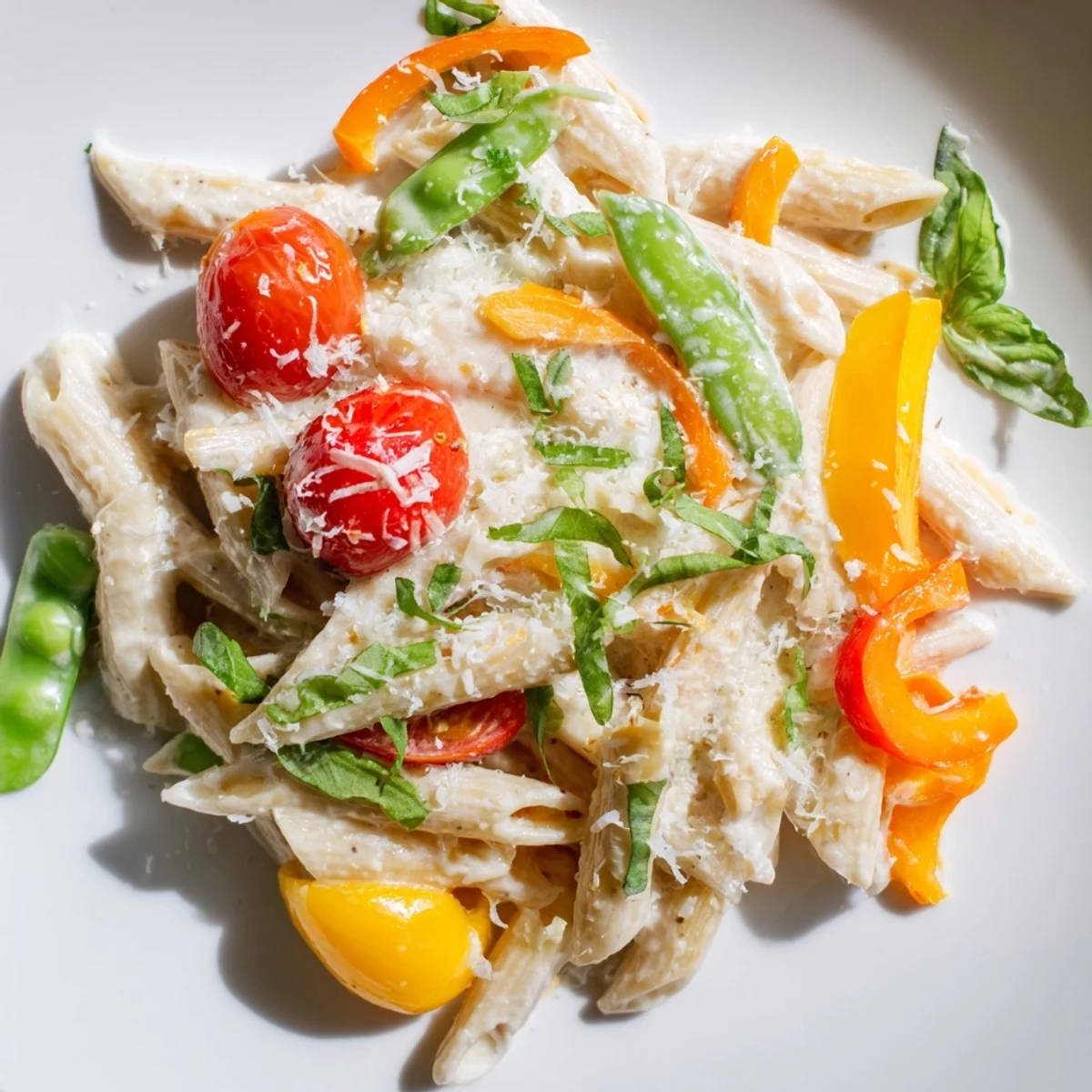
 The thing about this dish that I treasure most is that it proved to me you don't need complicated techniques or obscure ingredients to make something that feels special and tastes beautiful. It's become one of my go-to meals for those moments when I want to feel like I'm taking care of myself and anyone I'm feeding.
Timing Is Everything Here
The secret to this dish working well is understanding that you're building it in stages, not throwing everything together at once. Getting the pasta going first gives you a window to prep vegetables, and having the cream base ready before the pasta finishes means you can combine everything at the right moment when the pasta is still hot and the vegetables haven't had time to overcook and turn mushy. I learned this the hard way the first time I made this, when I had cooked vegetables sitting around getting soft while pasta water boiled, and everything came together at different temperatures.
Choosing Your Vegetables Wisely
While the recipe gives you a specific list, this is also a dish that loves flexibility and works with whatever the season offers. If it's late spring, asparagus is magical here; in summer, throw in green beans or zucchini blossoms if you can find them; in early fall, young broccoli florets add a nice texture. The key is choosing vegetables that cook quickly, don't release too much water into the sauce, and have distinct enough flavors that each one matters. I've found that the best versions of this dish are the ones where I use what's actually good at the farmer's market rather than forcing the recipe to use what I wish was good.
Make It Your Own
This is one of those dishes that absolutely welcomes additions and changes depending on what you're hungry for. A handful of sautéed shrimp transforms it into something fancy enough for company, or if you're a meat person, some grilled chicken makes it heartier without overwhelming the vegetable flavors. Even just stirring in a handful of fresh spinach at the end adds color and nutrition without changing the fundamental character of the dish. The beauty of a pasta primavera is that it's a framework for celebrating whatever you love.
- If you want more protein, cook shrimp until pink in a separate pan, or cube and grill chicken before adding it to the finished pasta.
- A pinch of red pepper flakes stirred in at the end adds a gentle heat that plays nicely with the cream and lemon.
- Save any leftovers in an airtight container and reheat gently on the stovetop with a splash of cream, never in the microwave where it tends to break.
 Save to Pinterest
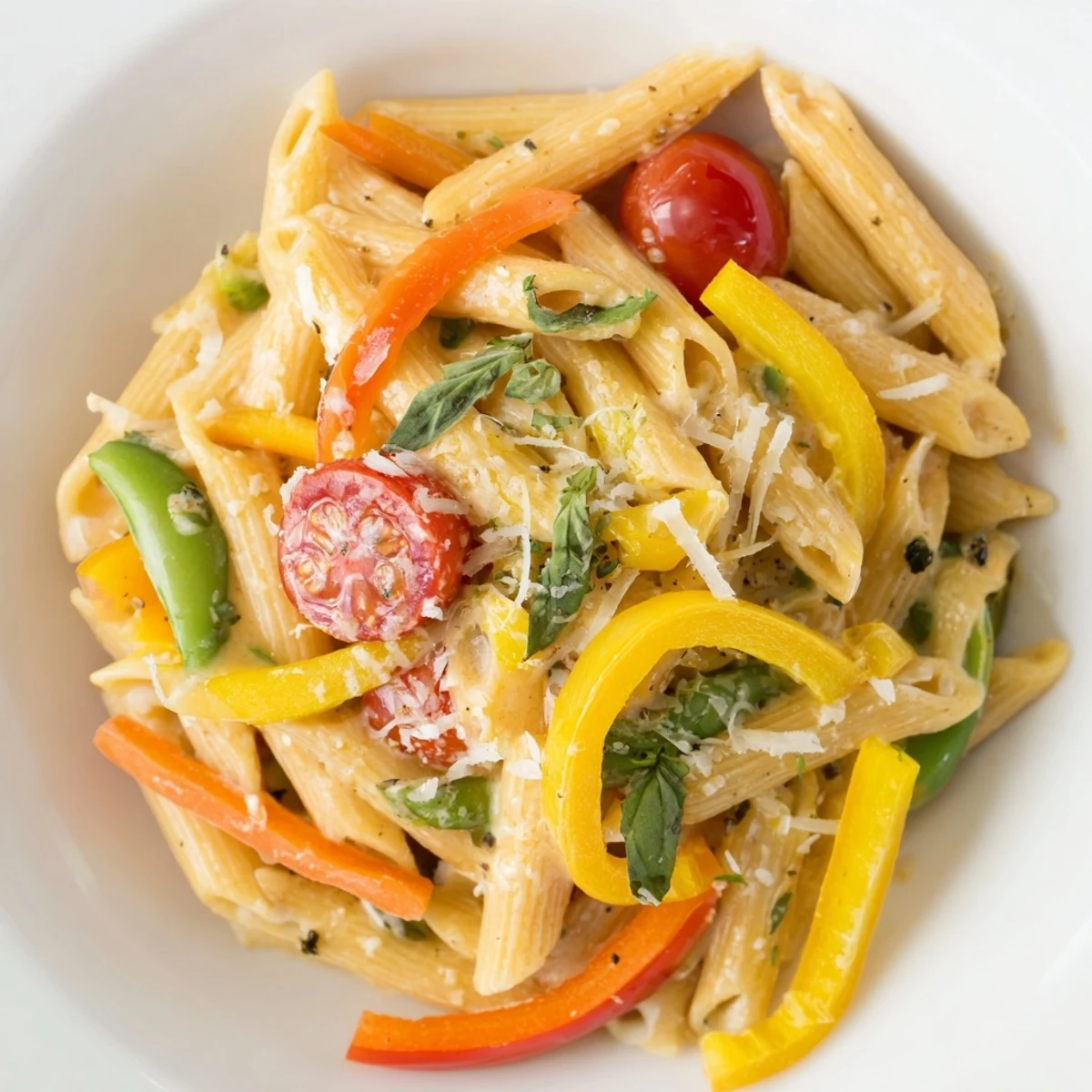
 This pasta has become my reminder that good cooking isn't about complexity or impressive techniques, but about respecting good ingredients and giving them space to shine. Make it, serve it warm with extra basil and Parmesan on top, and let the simplicity of it be enough.
Recipe FAQs
- → What pasta types work best for this dish?
-
Penne or fettuccine are ideal choices, as they hold the creamy sauce well and complement the vegetables' texture.
- → How can I keep the vegetables vibrant and tender?
-
Sauté the vegetables briefly over medium heat to maintain their color and slight crunch, avoiding overcooking.
- → Can I substitute any ingredients for dietary preferences?
-
Yes, whole wheat or gluten-free pasta can be used, and additional protein like shrimp or chicken can be added for variation.
- → What is the purpose of reserving pasta water?
-
Reserved pasta water helps loosen the sauce and allows it to bind better with the pasta for a silky finish.
- → How is the sauce prepared in this dish?
-
The sauce combines sautéed garlic with butter and olive oil, heavy cream, Parmesan, and lemon zest to create a rich, balanced flavor.