
 Save to Pinterest
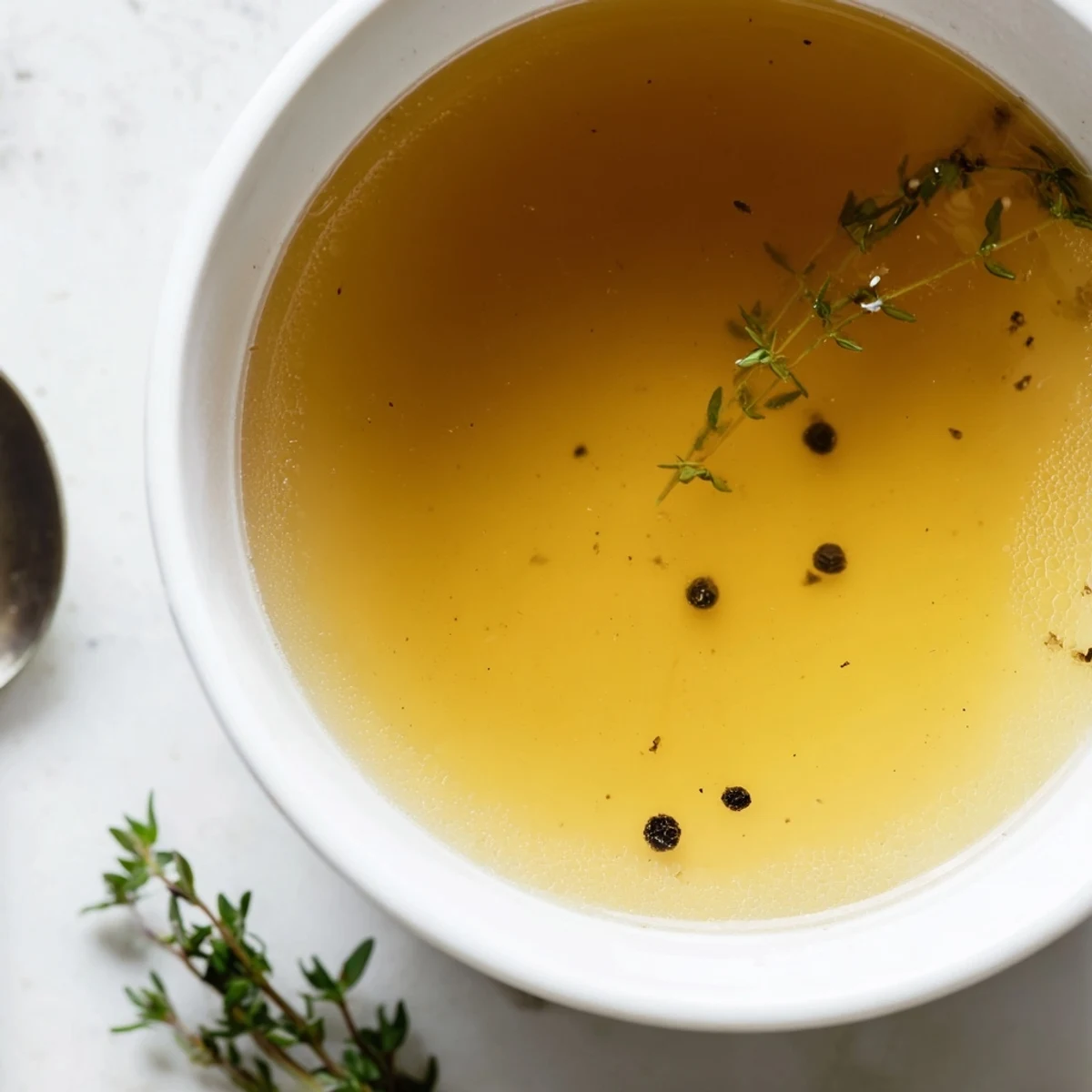
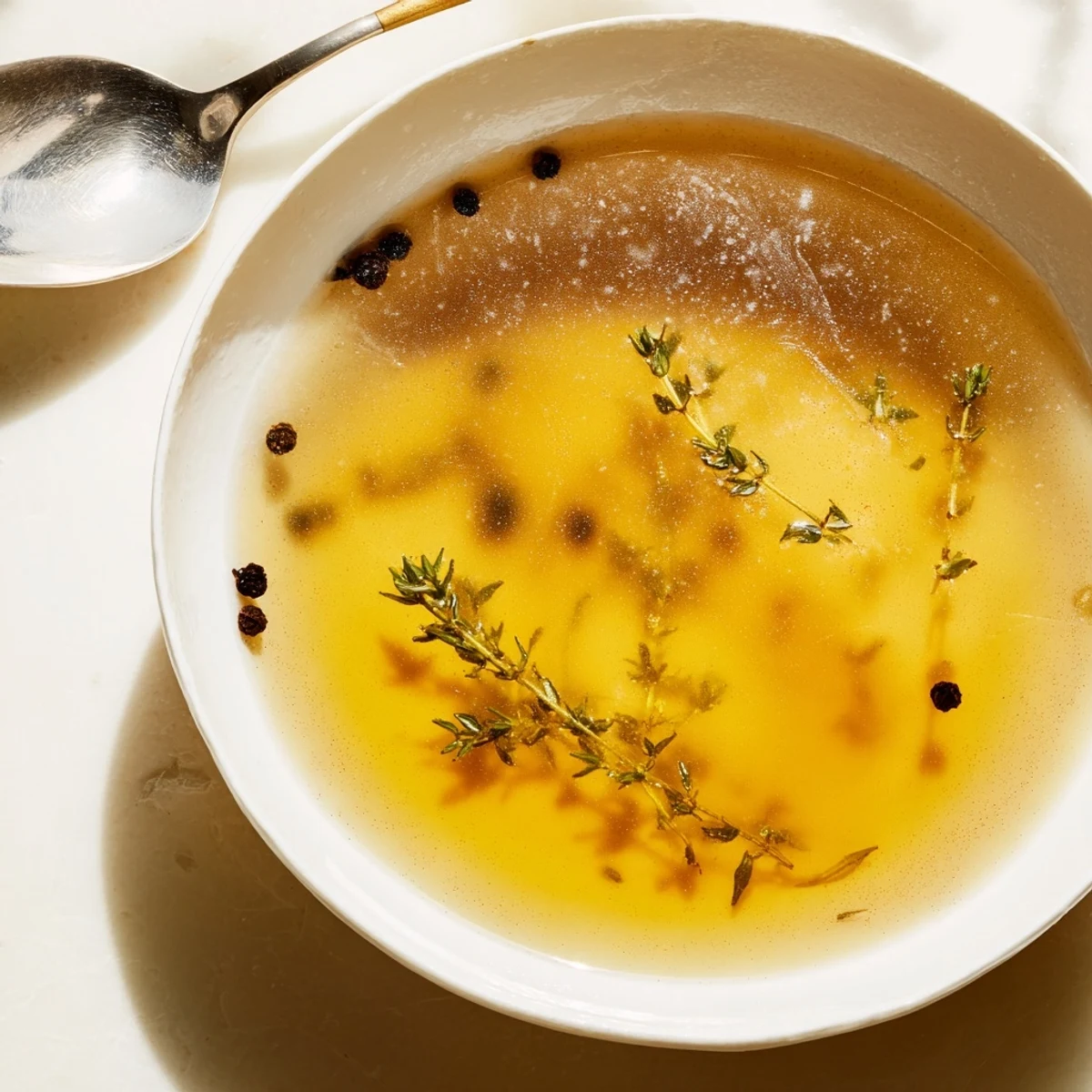
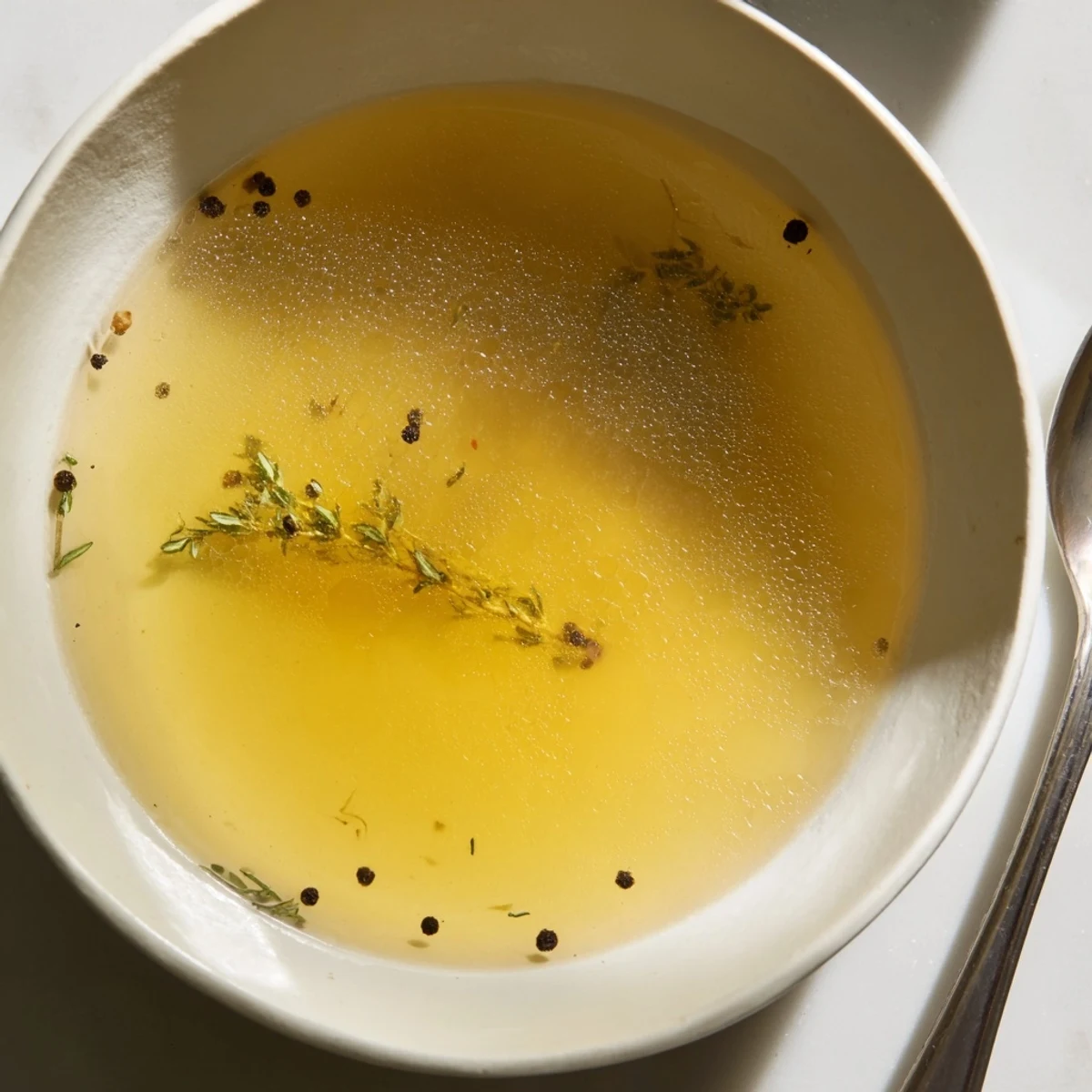
 Using assorted vegetable scraps combined with herbs like bay leaves and thyme, this broth simmers gently for an hour, capturing a rich, clean flavor perfect as a base for various dishes. Skim foam during cooking and strain well to achieve a smooth liquid. Optional salt balances taste while avoiding bitter scraps enhances the broth's natural sweetness. Ideal for vegan and gluten-free diets, it can be refrigerated or frozen for future culinary uses.
I started keeping a bowl in my freezer after watching my grandmother toss carrot peels into a pot like they were gold. She never wasted a scrap, and now I understand why. Every onion skin, every celery leaf became this golden, fragrant broth that made everything taste richer. It felt less like a recipe and more like a quiet ritual of respect for the food.
The first time I made this, I had just cleaned out my crisper drawer and felt guilty about the pile of scraps. I threw them in a pot with water, added some peppercorns, and walked away. An hour later, my apartment smelled like a farmhouse kitchen, and I had eight cups of liquid that tasted better than anything I'd bought in a carton. I've been hoarding scraps ever since.
Ingredients
- Vegetable Scraps (4 to 5 cups): The stars of the show, carrot peels and onion skins add sweetness, celery leaves bring earthy depth, and mushroom stems give it that savory backbone.
- Bay Leaves (2): These add a subtle herbal note that rounds out the broth without overpowering it, just toss them in whole and fish them out later.
- Black Peppercorns (1 teaspoon): A gentle warmth that blooms as it simmers, don't skip these or you'll miss that little kick.
- Fresh Thyme (2 to 3 sprigs) or Dried Thyme (1 teaspoon): Thyme loves long simmering and fills the kitchen with a fragrance that feels like home.
- Salt (1/2 teaspoon, optional): I usually add just a pinch now and adjust later depending on how I'll use the broth.
- Cold Water (10 cups): Cold water pulls out the flavors slowly and gently, giving you a clearer, more delicate broth.
Instructions
- Gather Your Scraps:
- Place all your clean vegetable scraps into a large stockpot. I like to see the mix of colors, it's like a little snapshot of the week's cooking.
- Add the Aromatics:
- Toss in the bay leaves, peppercorns, thyme, and salt if you're using it. These are the supporting actors that make everything sing.
- Cover with Water:
- Pour in the cold water until the scraps are fully submerged. Don't rush this, the cold start is part of the magic.
- Bring to a Boil, Then Simmer:
- Crank the heat to high and wait for the bubbles, then dial it down to a gentle simmer. You want lazy bubbles, not a rolling boil.
- Simmer and Skim:
- Let it bubble away uncovered for about an hour, skimming off any foam that rises to the top. This keeps the broth clear and clean tasting.
- Cool and Strain:
- Pull the pot off the heat and let it cool for a few minutes. Strain everything through a fine mesh sieve or cheesecloth into a big bowl, pressing gently on the solids to extract every drop.
- Taste and Adjust:
- Give it a sip and adjust the seasoning if needed. Sometimes I add a little more salt, sometimes I leave it pure.
- Store or Use:
- Use it right away or let it cool completely before pouring into jars or freezer bags. I like to freeze it in two cup portions for easy weeknight cooking.
 Save to Pinterest
 I remember ladling this into a pot of risotto one rainy evening and realizing it tasted like something I'd order at a restaurant. My partner looked up from his bowl and said it tasted expensive. I laughed because it was made from garbage, but also because he was right. Flavor doesn't come from a price tag.
What to Avoid
I learned the hard way that not all scraps are created equal. Too many Brussels sprout leaves or broccoli stalks made my broth taste like overcooked cabbage, bitter and sulfurous. Stick to sweet and savory scraps like carrots, onions, leeks, celery, and mushroom stems. If you're unsure, smell the scrap, if it's pungent raw, it'll be overwhelming in the pot.
How to Store and Freeze
I keep mine in mason jars in the fridge for up to five days, but honestly it rarely lasts that long. For freezing, I pour it into silicone ice cube trays or zip top bags laid flat, so I can break off just what I need. Label everything with the date because three months later, mystery frozen liquids are no fun to decode.
Ways to Use It
This broth is my secret weapon for risotto, the base for every soup I make, and the liquid I use to deglaze pans when I want extra flavor. I've even warmed a mug of it with a little miso paste stirred in for a quick savory drink on cold mornings. Once you have it on hand, you'll find excuses to use it everywhere.
- Swap it in for water when cooking grains like rice, quinoa, or farro.
- Use it as the base for homemade ramen or noodle soups.
- Deglaze roasting pans or sauté pans to build sauces with serious depth.
 Save to Pinterest
 Now every time I peel a carrot or trim a leek, I feel like I'm banking flavor for later. It's one of those small kitchen habits that makes you feel resourceful and a little bit proud.
Recipe FAQs
- → What vegetable scraps are best for this broth?
-
Use clean scraps like carrot peels, onion skins, celery leaves, leek tops, mushroom stems, parsley stems, and garlic skins for a balanced, flavorful broth.
- → How long should the broth simmer?
-
Simmer the broth uncovered for about one hour, occasionally skimming off foam to maintain clarity and flavor.
- → Can I add extra flavor ingredients?
-
Yes, dried mushrooms or a piece of kombu can be added to enhance umami richness without overpowering the fresh vegetable taste.
- → How should I store the broth after cooking?
-
Cool the broth before refrigerating for up to 5 days or freeze portions for up to 3 months to preserve freshness.
- → Are there any tips for avoiding bitterness?
-
Avoid using too many cruciferous scraps like broccoli or cabbage, which can impart a bitter flavor to the broth.
- → Is this broth suitable for special diets?
-
Yes, this broth is vegan, gluten-free, and low fat, making it versatile for various dietary needs.