
 Save to Pinterest
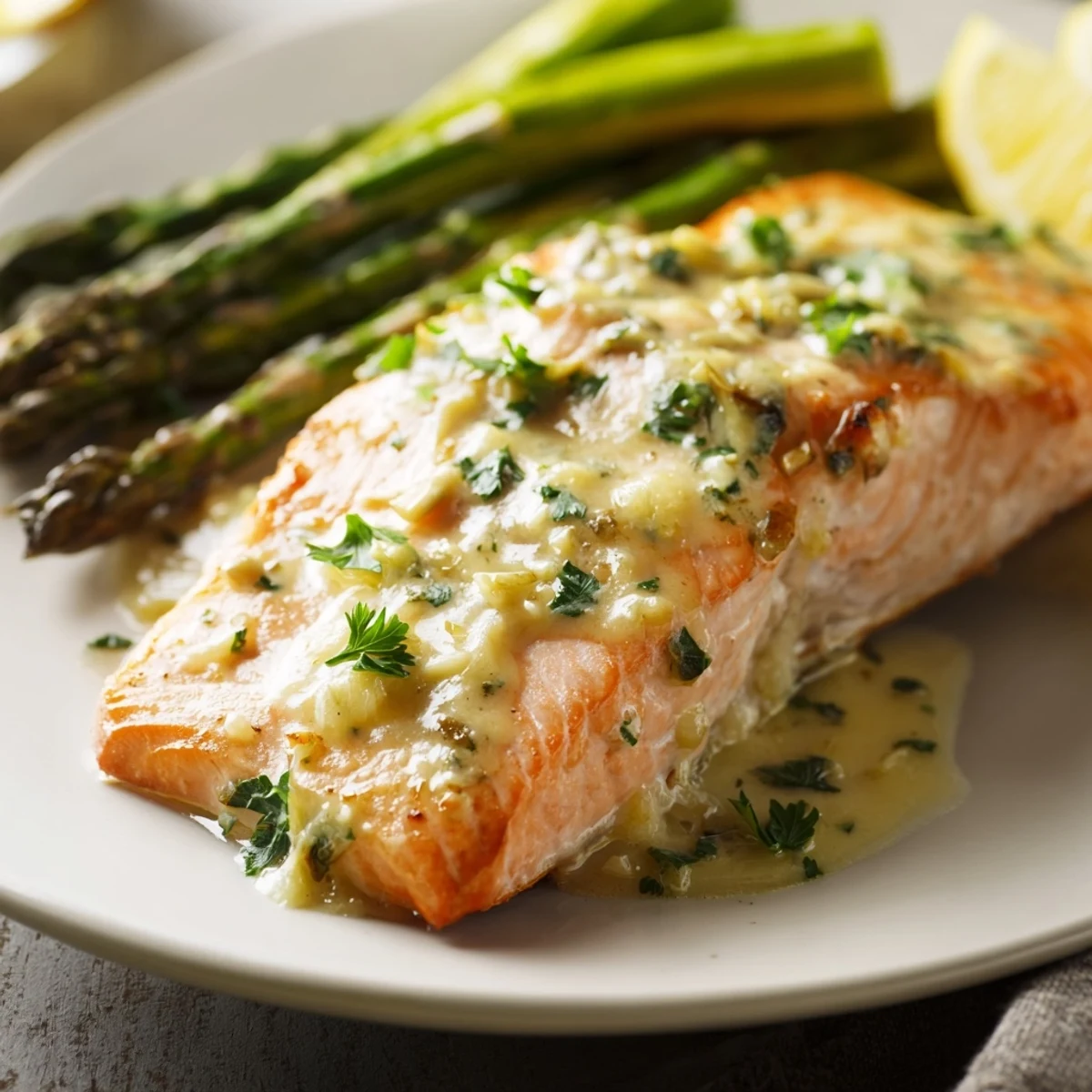
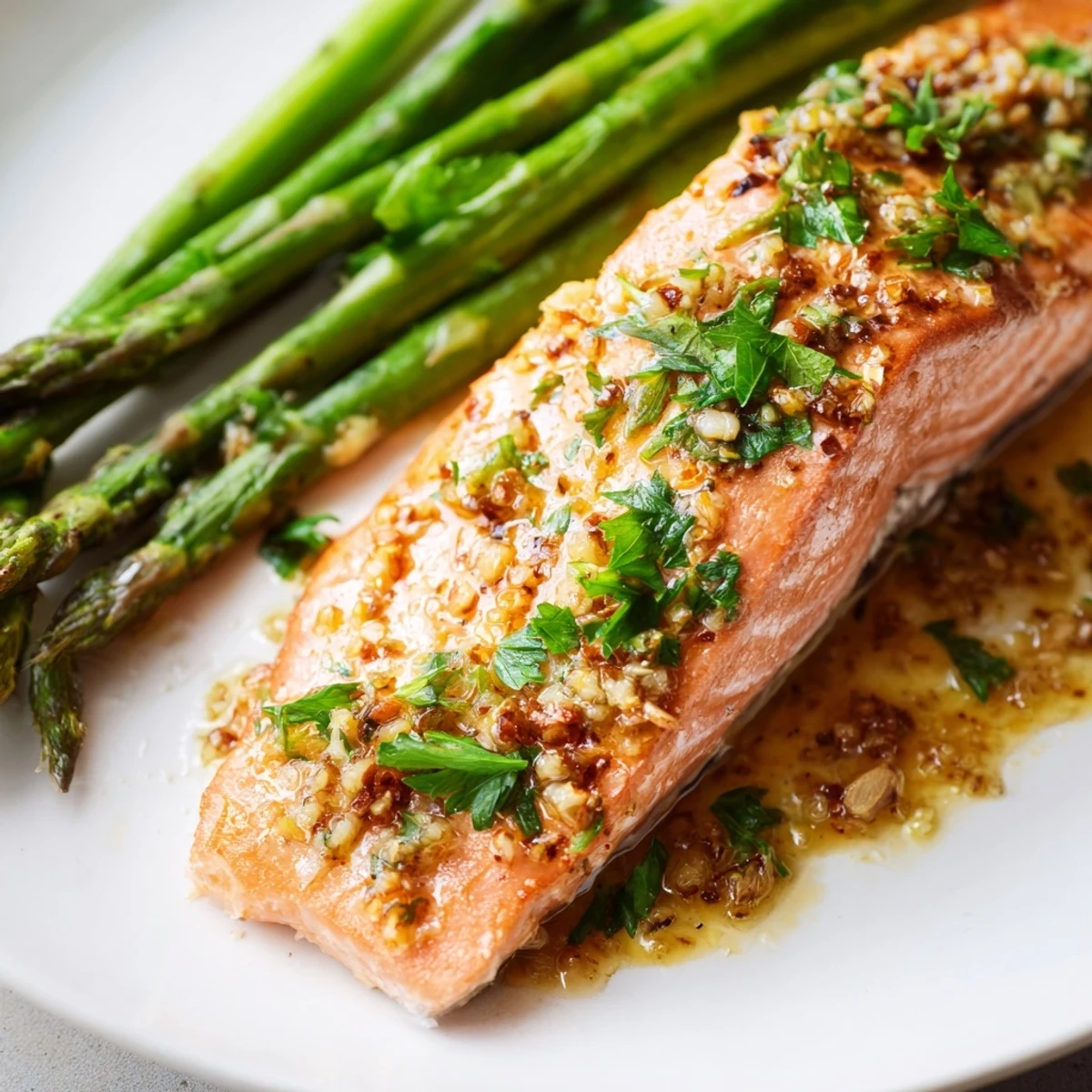
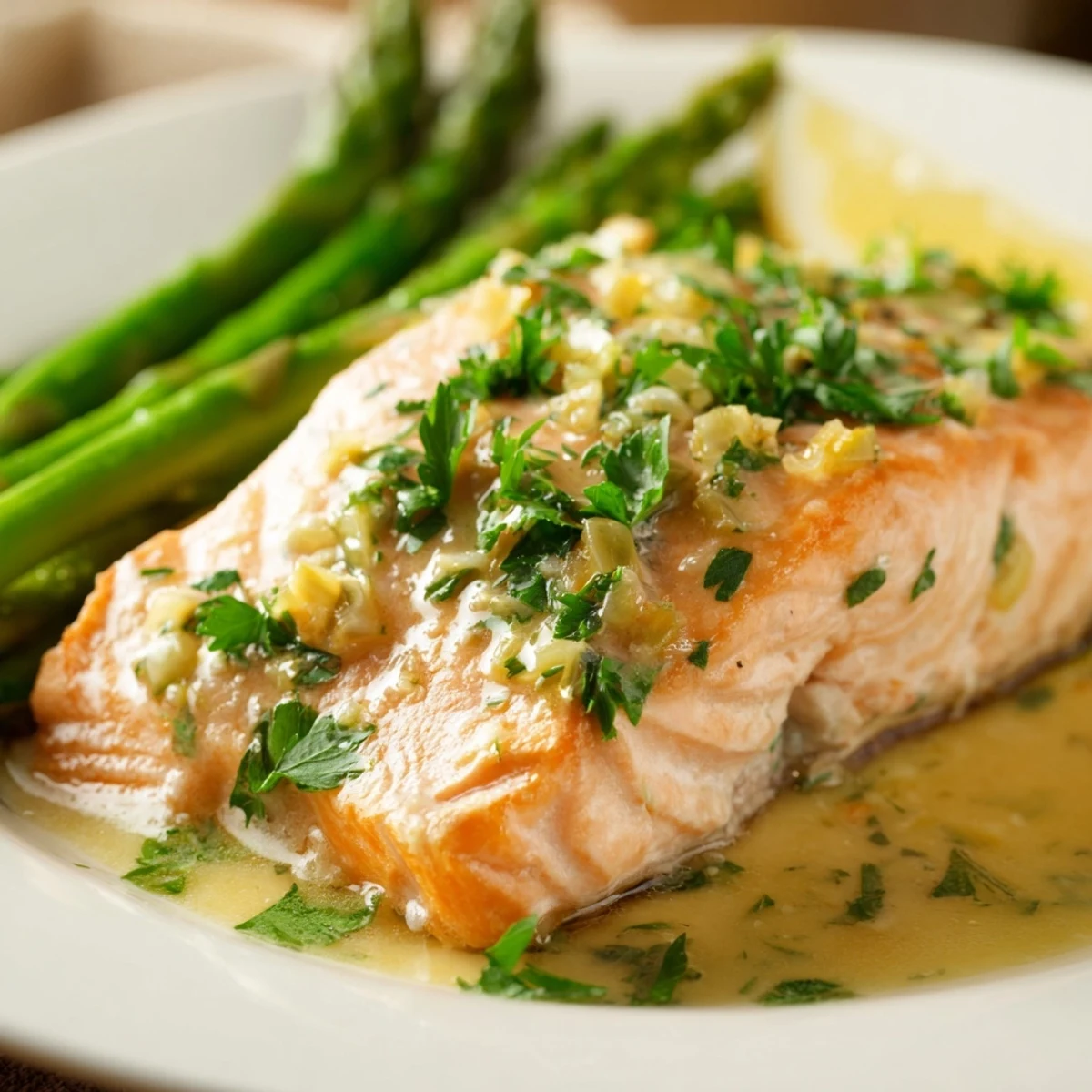
 This dish features succulent salmon fillets coated in a rich lemon garlic butter sauce, baked to perfection alongside fresh asparagus spears. The buttery sauce combines savory garlic with zesty lemon, enhancing the salmon's natural flavors while the asparagus adds a crisp, vibrant touch. Easy to prepare and ready in under 30 minutes, it suits a variety of dietary preferences and pairs beautifully with crusty bread or a light white wine.
There's something about the smell of garlic and lemon hitting a hot pan that makes me feel like I'm actually cooking something impressive, even on a Tuesday night when I barely have energy. I discovered this salmon recipe by accident—I had fillets thawing and asparagus going soft in the crisper drawer, and I didn't want to order takeout again. Twenty-five minutes later, I had something elegant enough to serve guests but simple enough that I wasn't stressed the entire time. Now it's become my go-to when I want dinner that tastes like I tried much harder than I actually did.
I made this for my sister last spring when she was visiting and mentioned she'd been eating sad desk salads for weeks. The kitchen filled with this bright, garlicky steam, and I watched her face when she took the first bite—that moment when you realize someone's going to remember a meal you cooked. She now texts me asking how to make it, and I just send her my notes.
Ingredients
- Salmon fillets (4, about 6 oz each): Look for bright pink flesh that springs back when you press it gently; avoid anything that smells overly fishy or looks dull.
- Fresh asparagus spears (1 lb): Choose firm, bright green spears with tight tips, and snap off the woody ends by bending each one until it naturally breaks at the tender spot.
- Unsalted butter (3 tablespoons): Use real butter here—it's the foundation of the sauce and makes all the difference in flavor.
- Olive oil (3 tablespoons): A good quality oil helps the lemon juice emulsify with the butter and keeps the mixture silky.
- Garlic (4 cloves, minced): Fresh garlic matters; jarred can taste metallic if you're paying close attention.
- Lemon (1 whole): Zest it first before juicing, and taste the juice to make sure it's tart and vibrant.
- Salt and black pepper: Season generously; the fish and vegetables need enough to shine.
- Red pepper flakes (½ teaspoon, optional): A pinch adds subtle heat without overwhelming the delicate salmon flavor.
- Fresh parsley (2 tablespoons, chopped): The green finish brings everything together and adds a fresh brightness at the very end.
- Lemon slices (for serving): Don't skip these—they're not just decoration, they're another layer of flavor if someone wants to squeeze extra juice over their plate.
Instructions
- Get your oven ready and set up your stage:
- Preheat to 400°F and line a baking sheet with parchment or foil so nothing sticks and cleanup stays minimal. The parchment is crucial here—it lets the fish cook evenly and prevents any sticking mishaps.
- Arrange salmon and asparagus with intention:
- Place salmon on one side of the sheet and asparagus on the other, leaving space between them so heat circulates evenly. Grouping them separately lets you season each properly and prevents the fish from steaming the vegetables.
- Build the magic sauce:
- Whisk together the melted butter, olive oil, minced garlic, lemon zest, lemon juice, salt, pepper, and red pepper flakes if using. The mixture should look glossy and smell like something you'd want to bathe in.
- Coat everything generously:
- Drizzle the sauce over salmon and asparagus, then toss the asparagus gently so each spear gets coated. The salmon stays still—you want it to bake in that lemony butter without getting jostled around.
- Bake until everything is perfect:
- Slide the sheet into the oven for 12 to 15 minutes, checking around the 12-minute mark; salmon should flake easily with a fork and asparagus should be tender-crisp, not mushy. The timing depends on how thick your fillets are and your oven's personality—start checking early.
- Finish with flourish:
- Pull everything out, scatter fresh parsley over the top, and serve with lemon slices on the side. The parsley adds color and a fresh note that cuts through the richness of the butter sauce.
 Save to Pinterest
 I learned to make this dish properly when a friend pointed out that my previous attempts at salmon always came out dry, and it was because I was overthinking it. Simple ingredients, high heat, and not fussing with the fish changed everything. Now whenever someone says they can't cook salmon, I make this for them and they realize it's not the fish—it's just about not fighting it.
Why This Combination Works
Salmon's rich fat loves acid, so lemon is basically its perfect match. Garlic and butter bring warmth and depth without any fussiness, while asparagus adds earthiness and a crisp texture that contrasts beautifully with the tender fish. The whole thing comes together without any technique—just proper heat and timing.
Timing and Temperature Matter
Getting comfortable with your oven's quirks is half the battle here. Every oven bakes differently, so start checking around the 12-minute mark rather than blindly baking for the full 15. If you like a slightly crispy top on the salmon, blast it under the broiler for the last minute—the brown crust adds texture and flavor that's hard to resist.
Making It Your Own
The beauty of this recipe is how easily it adapts to what's in your kitchen. Green beans, broccoli, or zucchini swap in for asparagus without changing the cooking time much. Serve it over rice, quinoa, or crusty bread to catch every drop of sauce—honestly, the sauce is where the magic lives, so don't skip the bread.
- A splash of white wine in the butter sauce takes it from simple to restaurant-level without adding much effort.
- If you find yourself with extra sauce, drizzle it over the serving plate or dip bread into it—this is not the place to be modest.
- Leftover salmon (if you even have any) is excellent cold the next day with a squeeze of fresh lemon.
 Save to Pinterest
 This meal has become my shortcut to feeling like I'm taking care of myself and the people around me in one swift, delicious motion. It's proof that you don't need complicated techniques or endless ingredients to create something that tastes like you actually tried.
Recipe FAQs
- → What temperature should I bake the salmon?
-
Preheat your oven to 400°F (200°C) for optimal baking of the salmon and asparagus.
- → Can I substitute the asparagus with other vegetables?
-
Yes, green beans or broccoli work well as alternatives, providing similar texture and complementary flavors.
- → How can I add extra flavor to the salmon?
-
Broiling the salmon for 1–2 minutes at the end of cooking creates a golden, flavorful crust.
- → Is it possible to make this dish dairy-free?
-
Substitute the butter with a dairy-free alternative to accommodate dairy allergies without compromising flavor.
- → What side dishes pair well with this meal?
-
Rice, quinoa, or crusty bread are excellent options to complement the sauce and balance the dish.