
 Save to Pinterest
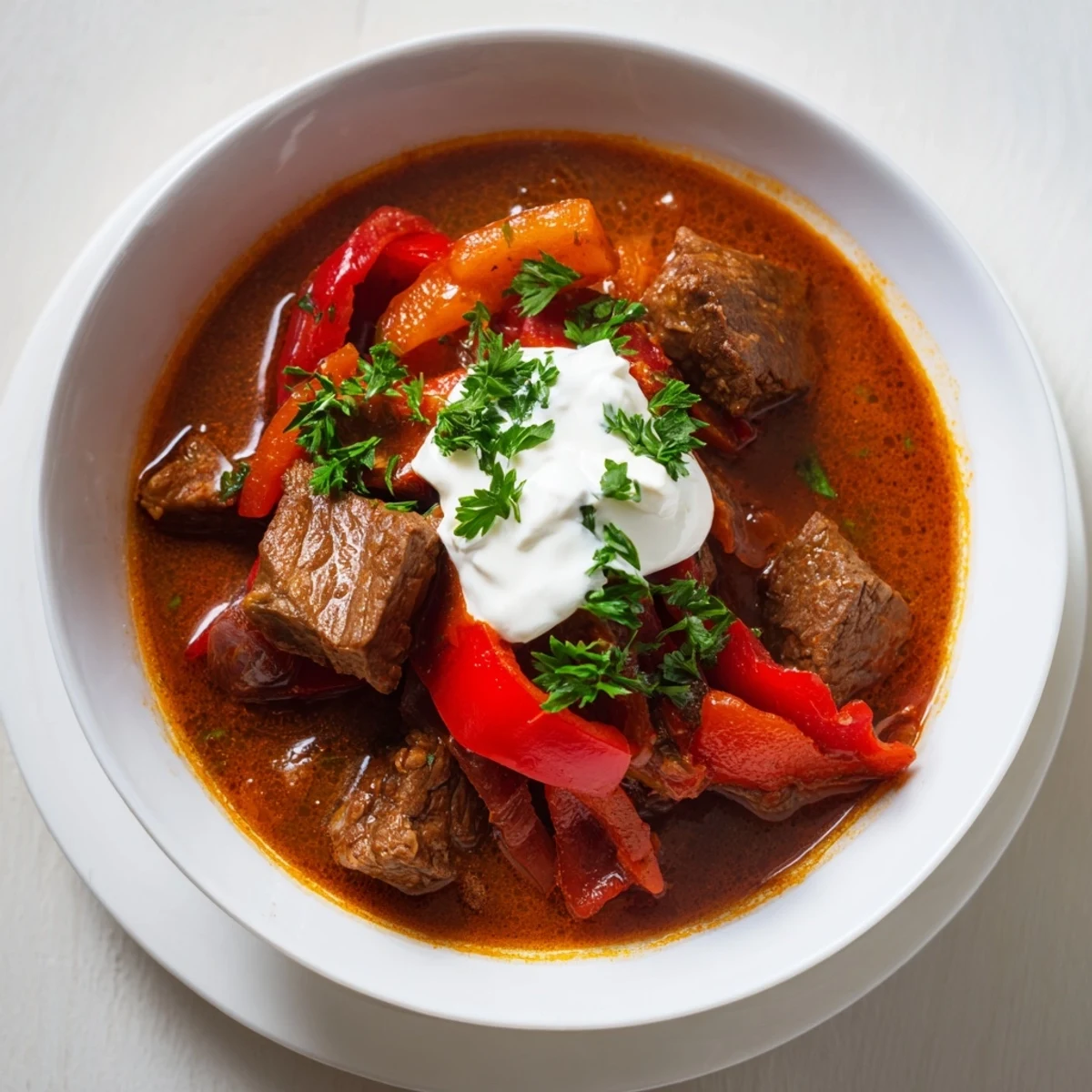
 This Hungarian classic combines tender beef chuck simmered gently with a medley of sweet bell peppers, onions, and aromatic spices including Hungarian paprika, marjoram, and caraway seeds. The long, slow cooking infuses the meat with deep flavor, while the bell peppers add sweetness and vibrant color. Finished with a touch of tomato paste and optional sour cream garnish, it creates a rich, comforting stew perfect for a satisfying main course.
There's something about the smell of paprika hitting hot oil that immediately transports me to a small kitchen in Budapest, even though I've never been there. Years ago, a friend's grandmother sent over her goulash recipe written in shaky handwriting, and the first time I made it, my entire apartment filled with this deep, warm fragrance that felt like an invitation. My partner walked in mid-cooking and just stood there, inhaling, asking if I'd suddenly become Hungarian. That's when I knew this wasn't just food—it was a flavor that told a story.
I made this for a dinner party on a cold November evening, nervous about trying something so traditional. But the moment my guests tasted it, the whole room went quiet—that good kind of quiet where people are too busy eating to talk. One friend asked for the recipe that night, and I remember feeling oddly proud, like I'd been handed down something precious and managed not to mess it up.
Ingredients
- Beef chuck: This cut has just enough marbling to stay tender through the long cook, and it's forgiving if you're not perfectly careful with timing.
- Sweet Hungarian paprika: This is the soul of the dish—don't skip it or swap it for hot paprika unless you want a completely different vibe.
- Bell peppers: I learned the hard way that adding them at the end (not the beginning) keeps them from turning into mush and lets their sweetness shine.
- Onions: They should be chopped fine enough to almost dissolve into the sauce as it cooks, thickening it naturally.
- Caraway seeds: Just one teaspoon, but it's what makes people ask what that subtle, almost whisper-like flavor is.
- Garlic: Mince it fine so it doesn't overpower the paprika, which should always be the main character.
- Tomato paste and fresh tomatoes: Together they add brightness and body that keeps the sauce from feeling one-dimensional.
- Beef broth: Use good broth—this is not the time to use the sad bouillon cube version.
Instructions
- Brown the beef in batches:
- Heat oil until it's shimmering and almost smoking, then add beef in a single layer—don't crowd the pan or it'll steam instead of sear. You want a dark golden crust on each piece, which takes about 3-4 minutes per side.
- Build the flavor base:
- Once the beef is out, add chopped onions to the same pot and let them soften and turn golden for a good 5-7 minutes, scraping up all those delicious browned bits. This is where the real flavor foundation forms.
- Bloom the spices:
- Add garlic, paprika, caraway, marjoram, and tomato paste all at once, stirring constantly for just one minute so the heat toasts them without burning anything. Your kitchen should smell incredible right now.
- Combine everything:
- Return the beef, add tomatoes, bay leaf, salt, and pepper, then pour in the broth while scraping the bottom of the pot. Bring it to a gentle simmer—not a rolling boil, which will make the meat tough.
- Let it simmer low and slow:
- Cover and reduce heat to low, cooking for 1.5 hours with occasional stirs. The beef should be getting tender but not falling apart yet.
- Add the peppers:
- Slice them into thick strips and add them now, uncovered, so they cook through in 30-40 minutes while the beef finishes getting completely tender. Don't skip this step or add them earlier—they need those final minutes to stay just right.
- Thicken if needed:
- If the sauce feels too thin, mix flour with a little water into a paste and stir it in, simmering for 5 more minutes. Taste and adjust salt and pepper.
 Save to Pinterest
 This dish taught me that sometimes the best meals are the ones you're willing to spend two hours on, not rushing, just letting time do the work. There's something humbling about that kind of cooking—no shortcuts, just patience and good ingredients coming together.
What to Serve It With
Crusty bread is traditional and honestly the best choice for soaking up that paprika sauce, but I've also served it over buttered egg noodles, soft dumplings, or even polenta. The sauce is rich enough that you don't need much else on the plate, maybe just a simple green salad on the side if you're feeling virtuous.
Storage and Reheating
This is one of those dishes that tastes better the next day—the flavors deepen and the sauce gets thicker as it sits. Keep it in an airtight container in the fridge for up to four days, or freeze it for a couple of months. Reheat gently on the stove with a splash of broth to loosen it back up, and it'll taste like you just made it.
Flavor Tweaks and Variations
Once you've made this a few times, you can start playing around with it. A splash of dry red wine adds depth, smoked paprika instead of sweet paprika shifts the whole personality toward something smokier and earthier, and some cooks swear by a tiny pinch of sugar to balance the spices.
- If you want it saucier and brothier, add an extra cup of beef broth and skip the flour thickening.
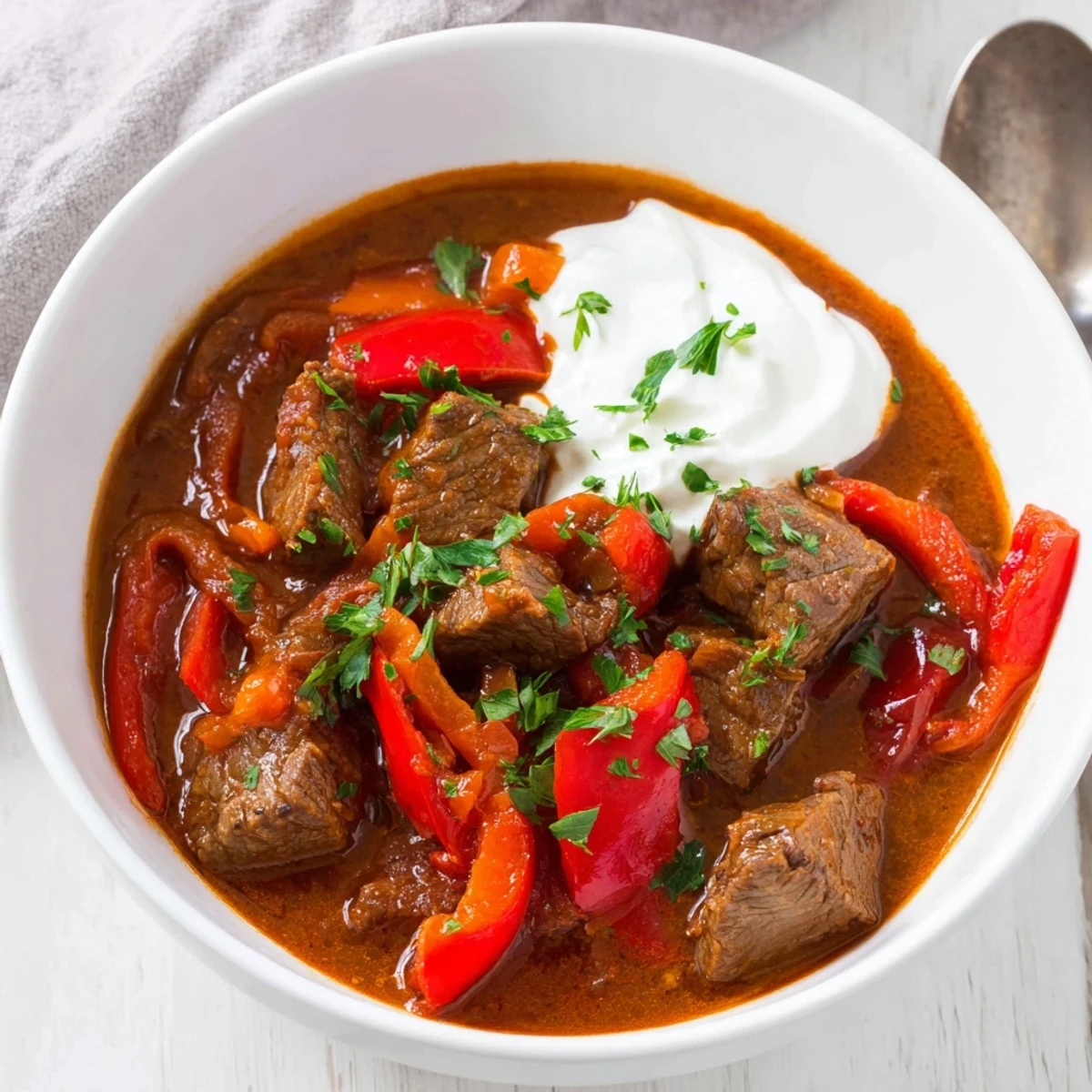
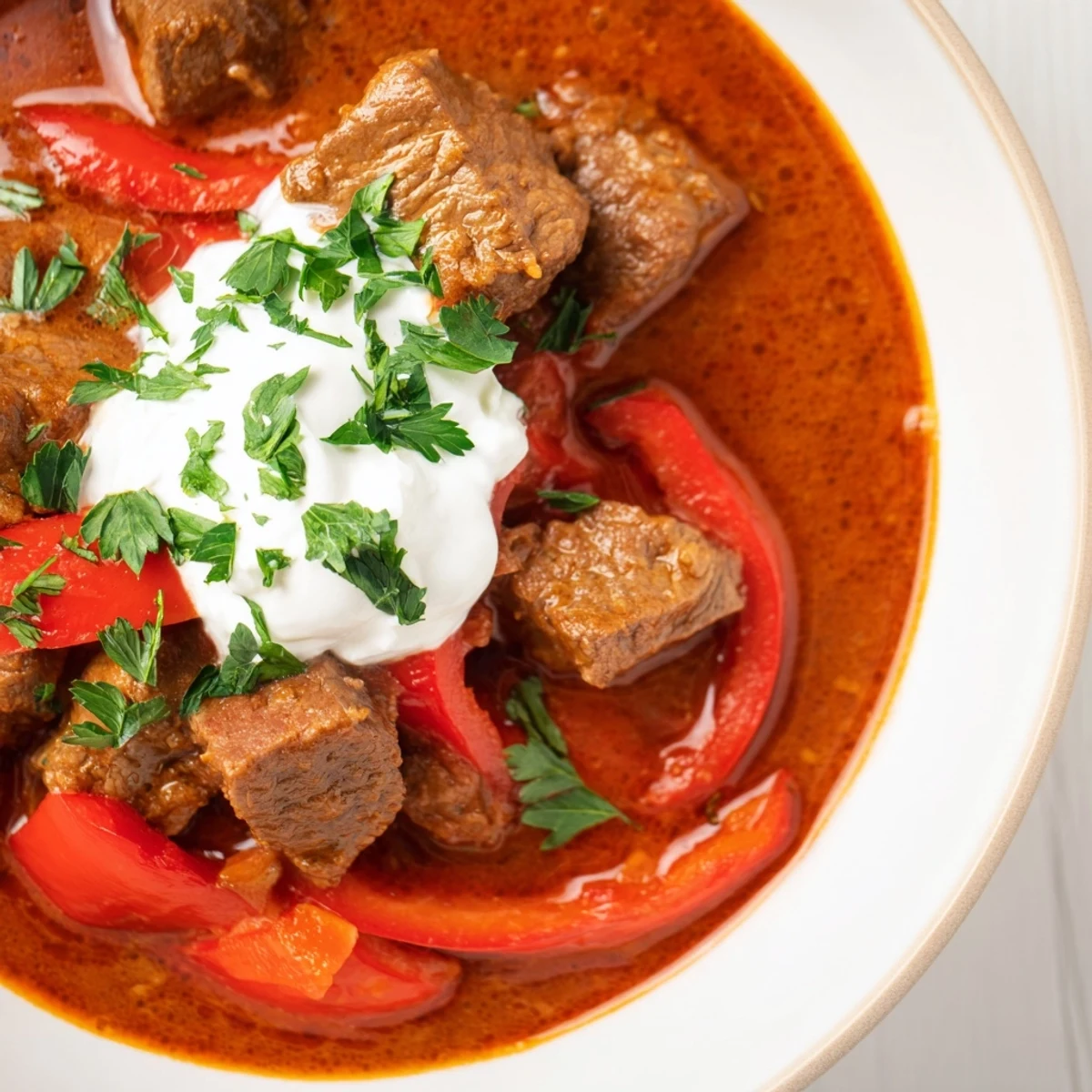
- Sour cream stirred in at the end (or dolloped on top at serving) adds richness and cools down the spice just enough.
- Fresh parsley or dill sprinkled over the top right before serving adds a fresh note that cuts through the richness beautifully.
 Save to Pinterest
 This goulash is the kind of recipe that rewards patience, and once you've made it, you'll understand why people have been cooking it for generations. It's humble food, but it feels like celebration.
Recipe FAQs
- → What cut of beef works best for this dish?
-
Beef chuck cut into 1-inch cubes is ideal, offering the right balance of tenderness and flavor when slow-cooked.
- → Can I use different types of bell peppers?
-
Yes, mixing red, yellow, and green bell peppers adds both color and a subtle variety of sweetness to the stew.
- → Is it necessary to brown the beef first?
-
Browning the beef cubes before simmering enhances the flavor by developing rich, caramelized notes in the sauce.
- → How does Hungarian paprika influence the dish?
-
Sweet Hungarian paprika provides the stew’s signature smoky-spicy aroma and rich red color, essential for authentic flavor.
- → What can be served alongside this stew?
-
This hearty dish pairs well with rustic bread, buttered noodles, or traditional dumplings to soak up the flavorful sauce.
- → Can I make the sauce thicker?
-
Yes, stirring in a flour slurry towards the end of cooking helps thicken the sauce without altering the flavor.