
 Save to Pinterest
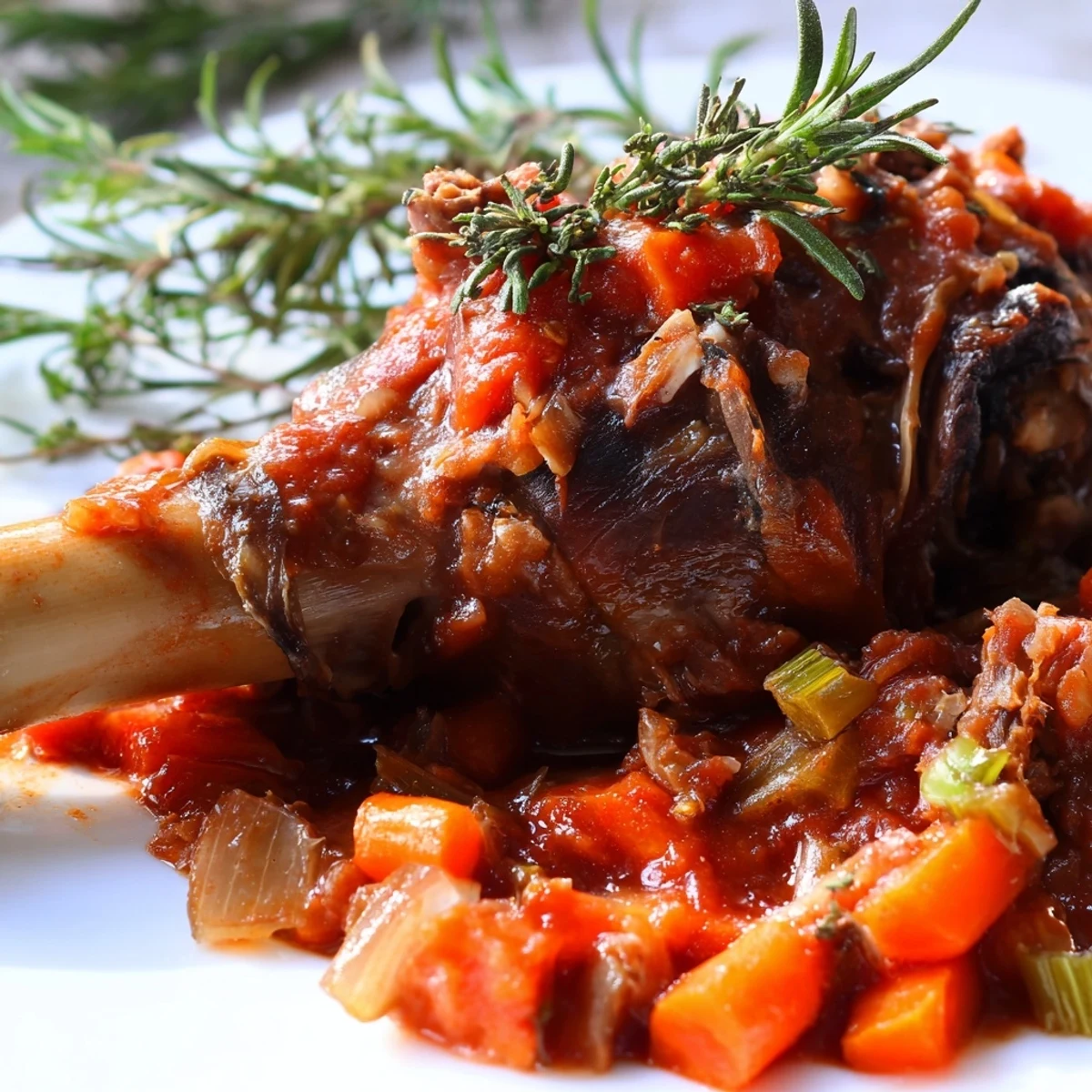
 Experience melt-in-your-mouth lamb shanks slowly cooked to tender perfection in a savory tomato and herb sauce. This dish combines aromatic rosemary, thyme, and bay leaves with fresh vegetables and rich red wine, enhancing the meat’s deep flavors. Braising gently in the oven or slow cooker creates succulent, juicy meat that falls off the bone. Perfect for cozy dinners and paired with creamy sides or crusty bread, this cooking method brings out natural richness in every bite.
There's something almost meditative about the smell of lamb braising in a Dutch oven, especially on one of those gray afternoons when you need the kitchen to feel like the warmest room in the house. I stumbled onto this recipe years ago when I bought lamb shanks on impulse, unsure what to do with them, and a friend suggested simply letting time and heat do the work. Three hours later, the house smelled like a Mediterranean summer, and I realized some of the best meals come from standing still and trusting the slow cooker to handle the heavy lifting.
I made this for my sister's birthday dinner once, and she arrived to find the whole apartment smelling like herbs and wine—before she even took off her coat, she asked what I was cooking. That's when I knew this recipe had something special, a quiet kind of impressive that doesn't require explanations or apologies.
Ingredients
- Lamb shanks: The bigger the better—they'll shrink slightly as they cook, but you want enough meat to feel substantial on the plate.
- Onions, carrots, and celery: This is your flavor foundation, so don't rush the chopping; irregular pieces actually cook more evenly than uniform cubes.
- Garlic: Minced fresh is non-negotiable here; jarred garlic will taste tinny by hour two.
- Canned crushed tomatoes: San Marzano if you can find them, but honestly any good brand works—this isn't the place to splurge.
- Beef or lamb stock: Homemade is wonderful, but quality store-bought saves time and tastes nearly as good.
- Dry red wine: Use something you'd actually drink; the cheap stuff really does matter here.
- Tomato paste: A small can goes a long way, and the depth it adds is worth the extra ingredient.
- Fresh rosemary and thyme: These are the soul of the dish—wilted grocery store sprigs work in a pinch, but fresh from the farmer's market tastes noticeably better.
- Bay leaves: They quietly anchor everything; don't skip them and don't forget to fish them out before serving.
- Oregano, salt, and pepper: Taste as you go and adjust at the end; slow cooking can sometimes mute flavors.
- Olive oil: Good enough to drink, as they say—it's one of only two fats in this whole dish.
Instructions
- Set your oven and season the meat:
- Preheat to 160°C (320°F)—low and slow is the whole point. Pat the lamb shanks dry with paper towels, then coat them generously with salt and pepper on all sides; this helps them brown properly and seasons from the inside out.
- Sear the lamb:
- Heat olive oil in a large Dutch oven over medium-high heat until it shimmers, then place the shanks in carefully—they'll sizzle and pop. Let them sit undisturbed for 2–3 minutes per side so they develop a golden crust; this isn't about cooking them through, just building flavor and color.
- Build the base:
- Remove the lamb to a plate, then add onions, carrots, and celery to the same pot. The fond (those browned bits on the bottom) is liquid gold—the vegetables will soften and release their sweetness, usually in about 6 minutes. Add the garlic and let it bloom for just a minute until fragrant.
- Wake up the sauce:
- Stir in tomato paste and cook it for a full minute, stirring constantly; this caramelizes it slightly and removes any tinny canned taste. Pour in the wine and use a wooden spoon to scrape up all those browned bits from the bottom of the pot, then let it simmer for 2 minutes so the wine mellows.
- Combine everything:
- Add the tomatoes, stock, fresh herbs, bay leaves, and dried oregano, stirring gently. The liquid should look like a deep red bath for the meat.
- Return the lamb and start braising:
- Nestle the shanks back into the pot, pressing them down so they're mostly submerged. Bring the whole thing to a quiet simmer on the stovetop, then cover with the lid and slide it into the oven.
- The long cook:
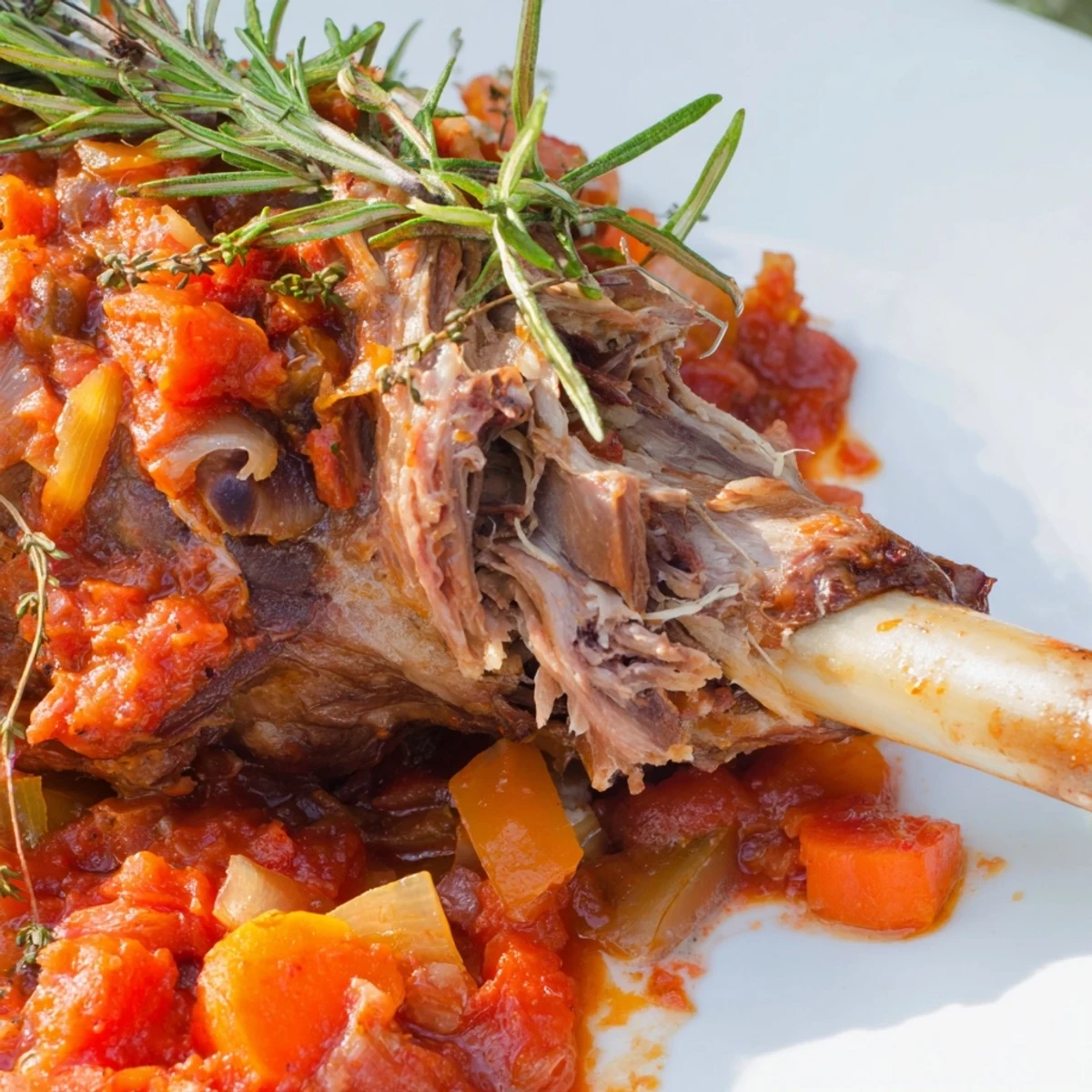
- Let it braise for 2.5 to 3 hours at that low temperature; the meat should be so tender that a fork slides through it like butter. If you're using a slow cooker instead, set it to low and cook for 7 to 8 hours—it's a forgiving method that actually works beautifully here.
- Finish the sauce:
- Remove the lamb shanks to a warm plate (they'll stay tender), then skim any fat from the surface of the sauce with a spoon or paper towel—there may be quite a bit, and that's normal. If you like a thicker sauce, pour it into a pot and simmer uncovered on the stovetop for 10–15 minutes while the liquid reduces and concentrates.
- Bring it all together:
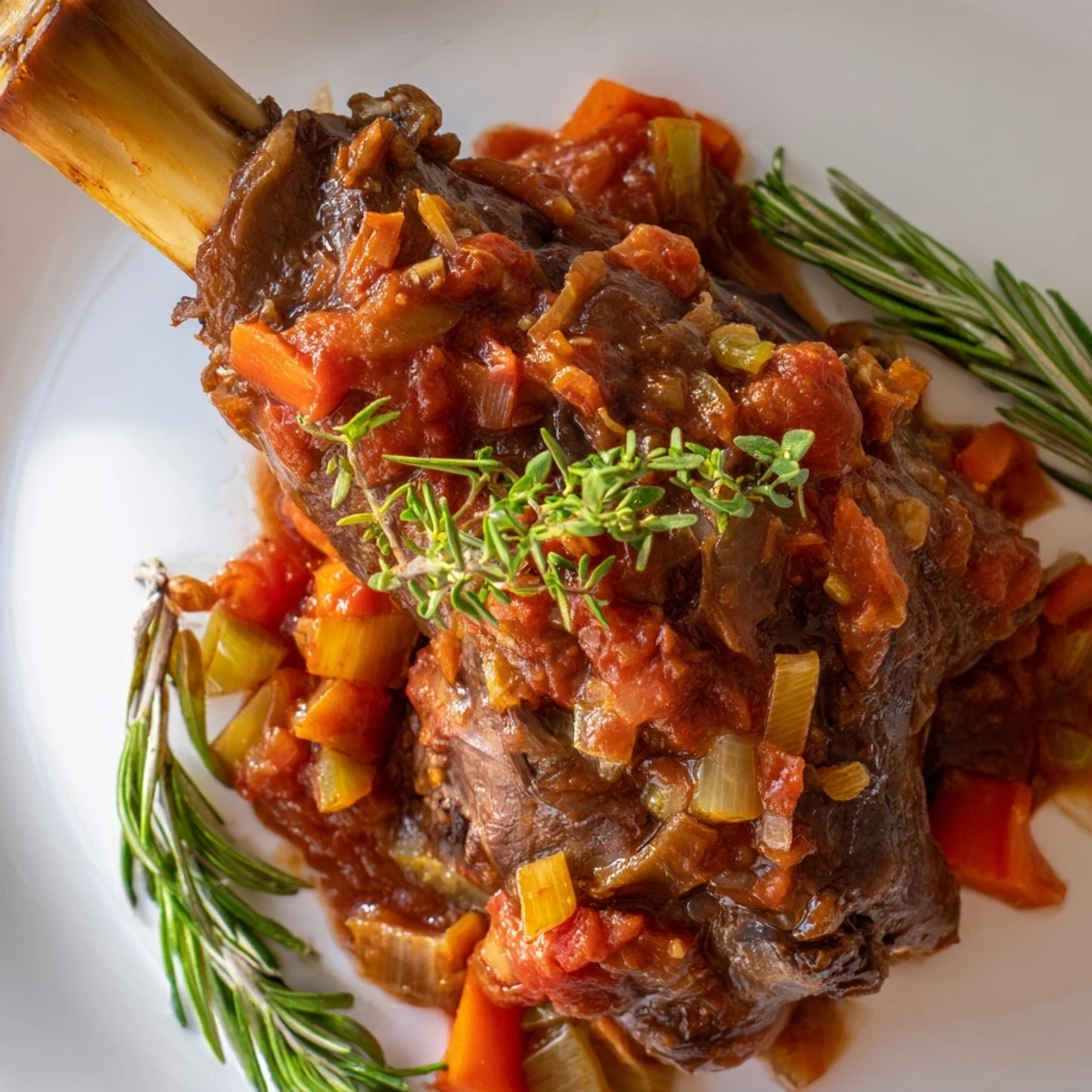
- Ladle the sauce over the lamb, garnish with fresh herbs if you have them, and serve immediately while everything is warm and the meat is still at its tenderest.
 Save to Pinterest
 I once served this to someone who claimed they didn't like lamb, and she came back for seconds without comment. That's the moment I understood that this dish has a quiet confidence about it—it doesn't need to convince anyone, it just needs time and a warm kitchen.
The Beauty of Slow Cooking
There's a reason slow cooking has survived centuries of culinary trends—it's genuinely better. The low, steady heat breaks down the collagen in the lamb shanks and converts it to gelatin, which is what gives you that silky mouthfeel and deep, rounded flavor that no quick-cooking method can replicate. The sauce doesn't just cook the meat; it becomes infused with it, creating something richer than the sum of its parts.
Serving and Pairing
This dish is forgiving about what you serve alongside it because it's substantial enough to feel complete on its own. Creamy mashed potatoes soak up the sauce beautifully, or try soft polenta if you want something slightly different. Crusty bread is non-negotiable for those last spoonfuls of sauce, and a simple green salad cuts through the richness without overshadowing the lamb.
Make It Your Own
The best recipes are ones you feel comfortable adapting, and this one invites it. On cold nights I sometimes add a strip of orange zest or a whisper of chili flakes for warmth and brightness. The flavors are sturdy enough to handle tweaks without falling apart, so trust your instincts and taste as you go.
- A strip of orange zest added at the end brings brightness and pairs beautifully with the herbs.
- If your sauce is too acidic at any point, a pinch of sugar mellows it without making it sweet.
- Leftover lamb keeps beautifully in the fridge for three days and actually tastes better reheated.
 Save to Pinterest
 This is the kind of recipe that transforms a quiet afternoon into something memorable, the kind where the effort feels minimal and the reward tastes like someone spent all day in the kitchen just for you. Make it once, and you'll understand why it stays in your rotation forever.
Recipe FAQs
- → How long should lamb shanks be slow-cooked?
-
Slow-cook lamb shanks for about 2.5 to 3 hours in the oven or 7 to 8 hours on low in a slow cooker to ensure they become tender and flavorful.
- → What herbs complement lamb shanks the best?
-
Fresh rosemary, thyme, bay leaves, and dried oregano add a balanced herbaceous aroma and depth to lamb cooked slowly.
- → Can I substitute beef shanks for lamb shanks?
-
Yes, beef shanks work well as a substitute and will absorb the flavors of the tomato and herb braise similarly.
- → What side dishes pair well with this lamb preparation?
-
Creamy mashed potatoes, polenta, or crusty bread are excellent choices to accompany the rich tomato-herb sauce and tender meat.
- → How can the sauce be thickened after cooking?
-
After removing the meat, simmer the sauce uncovered on the stovetop for 10-15 minutes to reduce and thicken it to your preferred consistency.
- → Is red wine necessary in the braising liquid?
-
Red wine adds depth and acidity, enhancing the sauce’s flavor, but it can be omitted or replaced with extra stock if preferred.