
 Save to Pinterest
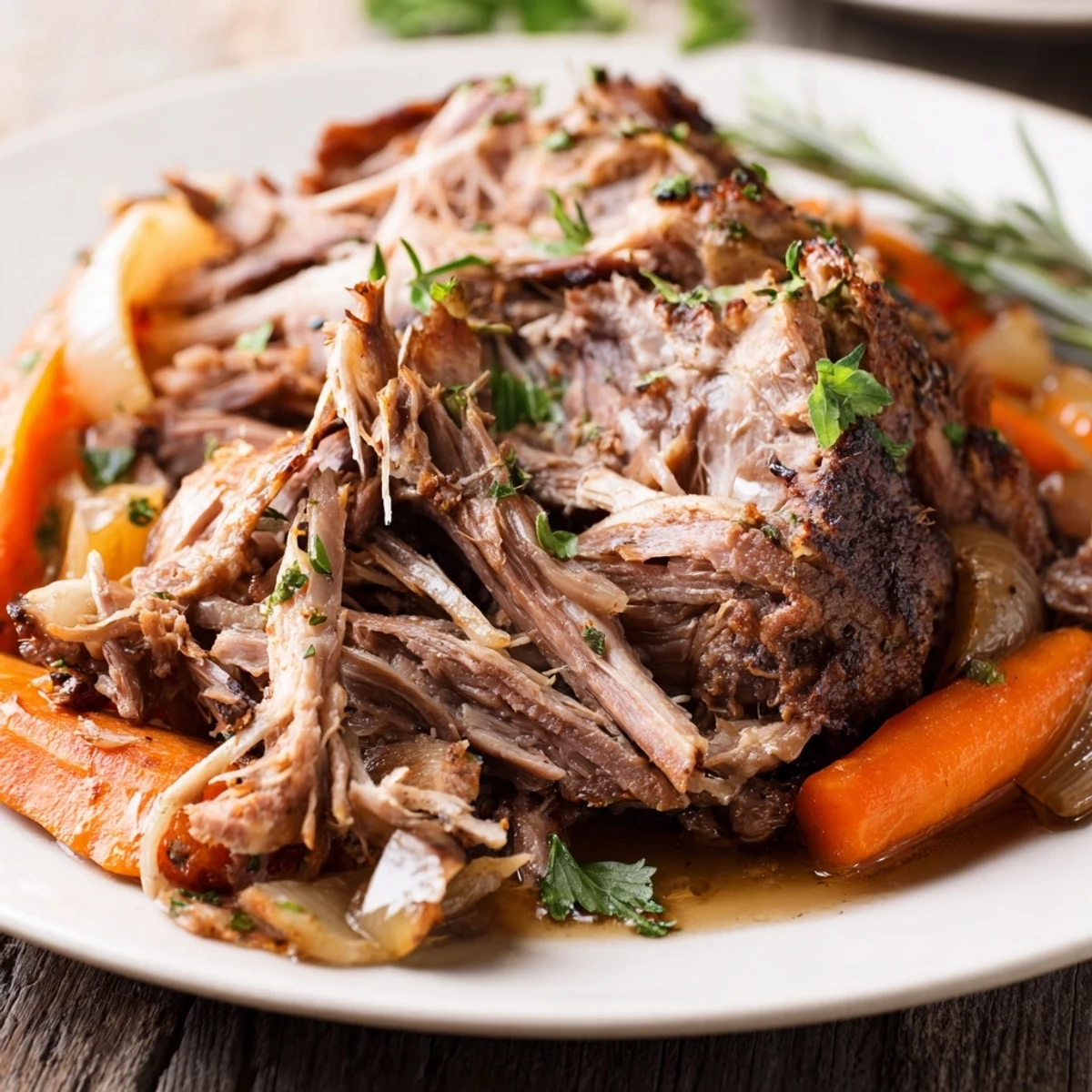
 This slow-cooked lamb shoulder is infused with aromatic garlic and fresh Mediterranean herbs like rosemary, thyme, and parsley. The meat is gently roasted with onions, carrots, and a splash of white wine, resulting in tender, juicy lamb with a crispy, browned top. Perfect for a comforting, hearty centerpiece, the lamb is best served after resting to retain its rich flavors and moist texture. Pair it with mashed potatoes or roasted vegetables for a satisfying meal loved by all.
The first time I slow-cooked a lamb shoulder, I wasn't trying to impress anyone—I just had four hours to kill and a beautiful cut of meat staring at me from the butcher counter. What emerged from the oven wasn't just dinner; it was the kind of meal that fills your kitchen with such a golden, herb-scented haze that everyone knows something remarkable is happening before they even sit down. That moment taught me that sometimes the best dishes aren't rushed or fussed over, but simply given time and a few honest ingredients to work their magic.
I made this for my sister's birthday dinner last spring, and I remember her closing her eyes on the first bite—not in a performative way, just honestly lost in the flavor for a second. The lamb was so tender it almost didn't need chewing, and the garlic had transformed into something sweet and mellow, nothing harsh about it. That's when I understood this recipe isn't complicated because it's trying to be; it's simple because it trusts the ingredients and the time.
Ingredients
- Lamb shoulder (about 2 kg / 4.4 lbs, bone-in): Buy from a butcher if you can and ask them to trim the excess fat—leave some for flavor, but too much will make the finished dish greasy. This cut is forgiving and packed with connective tissue that converts to gelatin during cooking, making the meat impossibly tender.
- Olive oil: Just enough to coat the meat before it goes in; this helps develop a shallow crust in the final blast of heat.
- Salt and freshly ground black pepper: Don't skip the fresh grinding—those dusty pre-ground specks won't give you the same brightness.
- Garlic (8 cloves, halved): Inserting whole pieces into slits means they'll soften into creamy pockets throughout the meat instead of dissolving into the liquid.
- Onions (2 large, thickly sliced) and carrots (cut into chunks): These aren't just flavor; they're a foundation that keeps the meat from sticking and catches all those incredible pan juices.
- Lemon wedges: The acid cuts through richness without being obvious—your guests won't taste lemon, they'll taste "wow, that's bright."
- Fresh rosemary and thyme (about 6 sprigs each): If you have access to fresh herbs, this is the recipe to use them in; dried will work in a pinch, but halve the amount so it doesn't overpower.
- Fresh parsley for garnish: A handful scattered on top right before serving adds color and a fresh green note that balances the richness.
- Dry white wine (250 ml / 1 cup) and stock (250 ml / 1 cup): The wine adds depth and slight acidity; the stock anchors everything with savory comfort. Never use wine you wouldn't drink.
Instructions
- Set your oven and prep the lamb:
- Heat the oven to 160°C (320°F). Pat the lamb completely dry—this matters more than you'd think, as moisture on the surface will steam rather than brown. Rub it generously all over with olive oil, salt, and pepper, getting into every crevice.
- Create garlic pockets:
- Using a sharp knife, make small slits (about an inch deep) all across the lamb's surface and tuck a garlic half into each one. This distributes garlic throughout the meat so every bite has its sweetness without any raw bite.
- Build your roasting bed:
- Scatter the onions, carrots, and lemon wedges in the bottom of a large roasting pan and lay the lamb on top, fat-side up. This cushion of vegetables protects the meat from direct heat and will give you vegetables to eat alongside it.
- Crown with herbs and liquid:
- Scatter rosemary and thyme sprigs around and over the lamb, then pour the wine and stock around the meat (not over the top—you want the meat to have some exposure to dry heat for browning). Cover tightly with foil or a fitted lid.
- Slow roast low and long:
- Roast covered for 4 hours at the gentle temperature, basting once or twice if you think of it—peek in around the 2-hour mark and give the pan juices a stir. The meat should be fork-tender when a sharp knife slides through easily with no resistance.
- Finish with a golden crust:
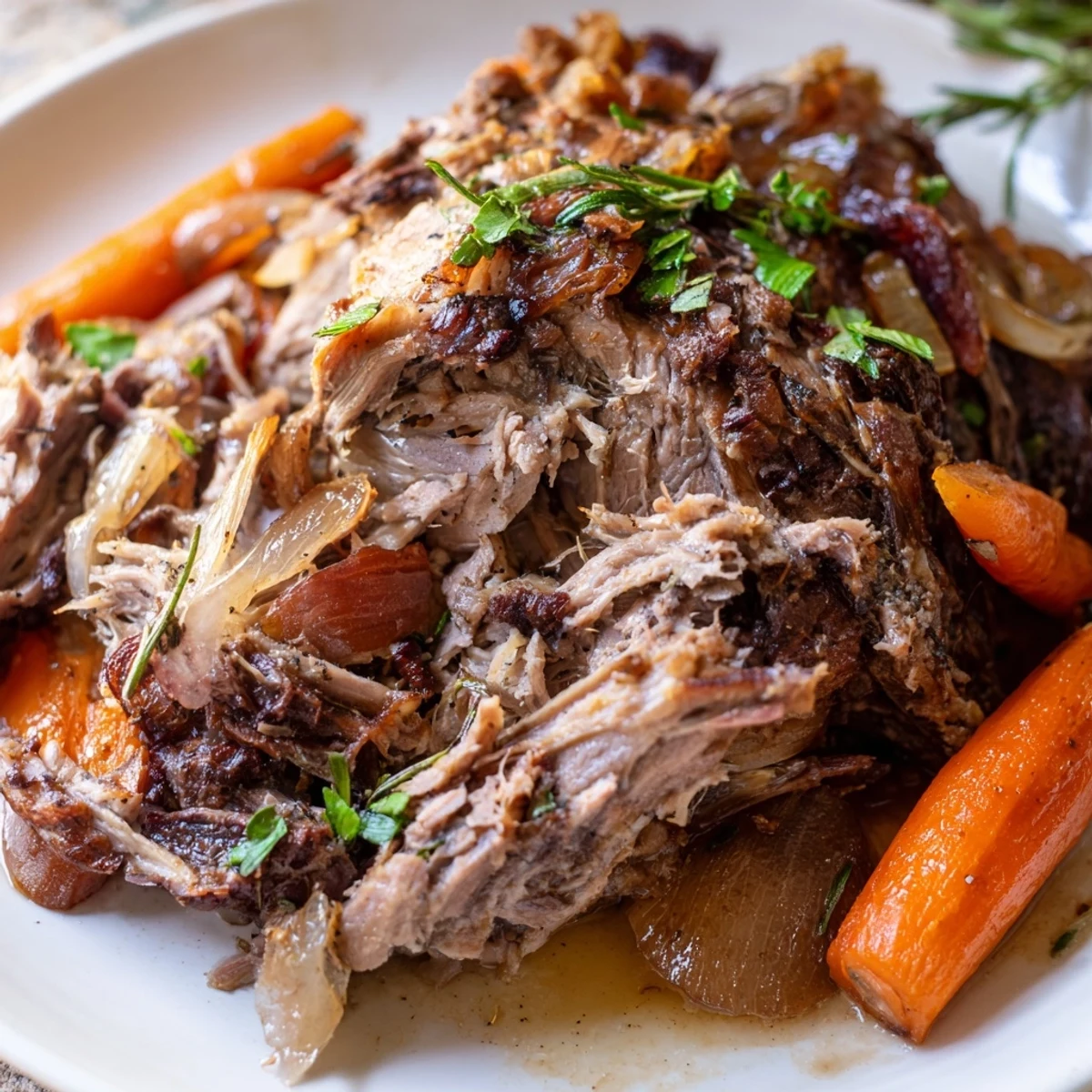
- Remove the cover, increase heat to 200°C (400°F), and roast uncovered for 20–30 minutes until the top develops a deep golden-brown crust. You'll notice the kitchen smell shift from mellow to more concentrated and savory—that's your signal it's nearly ready.
- Rest and serve:
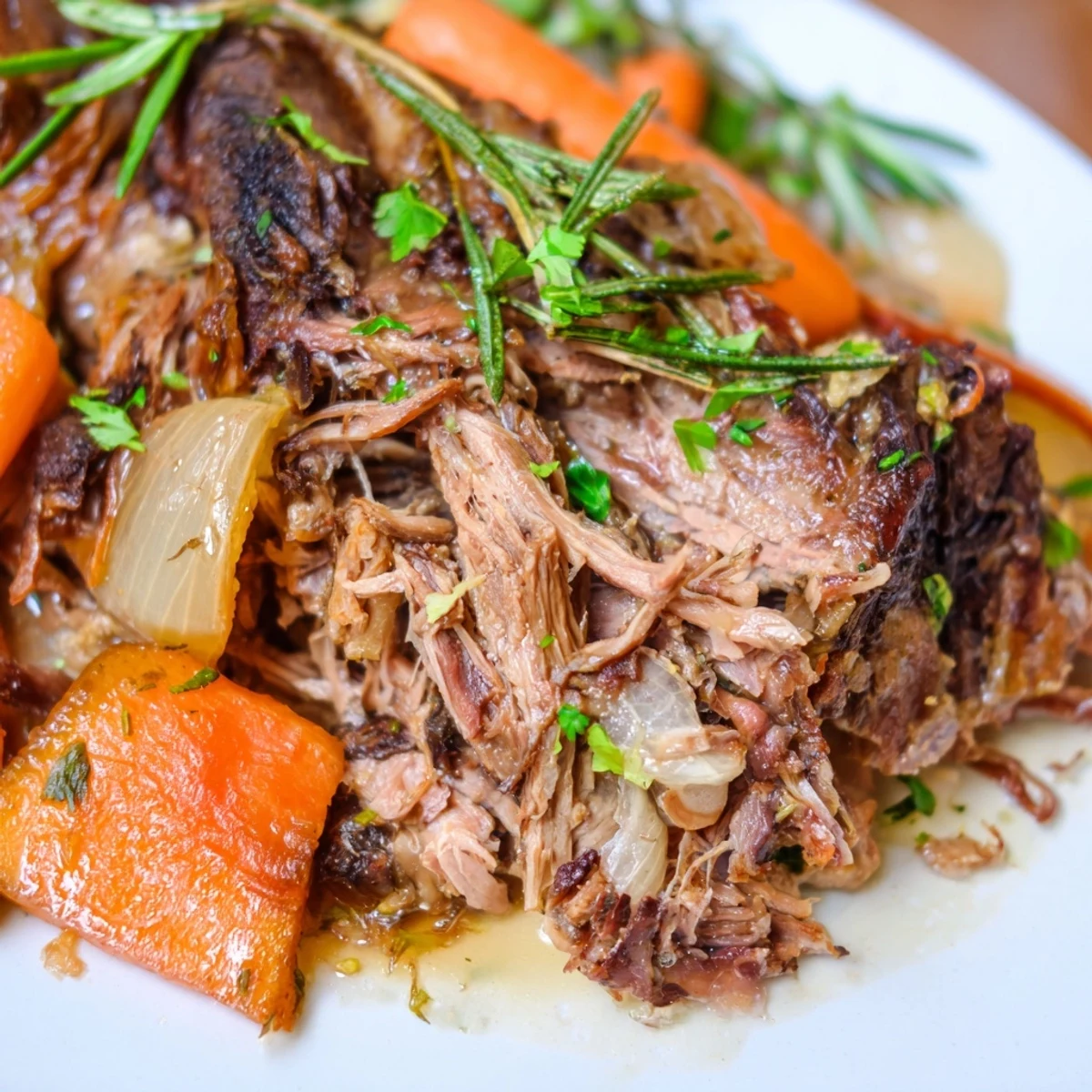
- Let the lamb rest loosely covered with foil for 20 minutes while the juices redistribute throughout the meat. Shred or slice it, scatter with fresh parsley, and serve with the pan juices poured over top and the soft roasted vegetables alongside.
 Save to Pinterest
 There's a particular moment, right when you pull the uncovered lamb from that final high-heat blast, when the aroma hits you so intensely that everything else in your mind goes quiet. That's when I know I've made something worth the time, something that justifies the hours of gentle heat and patience.
Why Low and Slow Works
Lamb shoulder has more connective tissue than tender cuts like loin, and that's actually a gift—those tissues need time and low heat to break down into gelatin, which is what makes the meat so incredibly moist and tender. Cooking at a higher temperature would tighten the muscle fibers and squeeze out moisture, leaving you with something dry no matter how good your ingredients are. The low temperature also allows the herbs and garlic to infuse gently without their flavors turning harsh or burnt.
Pairing and Serving
This lamb sings alongside creamy mashed potatoes that soak up every drop of those pan juices, or roasted root vegetables that have caramelized in the oven alongside the meat. I've also served it with a simple green salad dressed in lemon vinaigrette to cut through the richness, and that brightness felt like a perfect counterpoint. If you have leftovers—which is rare—they're exceptional shredded into warm wraps with a smear of tzatziki or piled onto salads.
A Few Final Thoughts
The beauty of this recipe is that it's forgiving about timing—if it needs another 20 minutes, it won't suffer. The aromatics in the pan stay moist, the meat stays tender, and there's a wide window of done-ness where everything is still perfect. This is also the kind of dish that actually improves if you make it a day ahead and reheat it gently, allowing all those flavors to settle and deepen.
- If you want extra richness, add a handful of pitted olives or a splash of balsamic vinegar to the pan about 30 minutes before the final browning.
- For a restaurant touch, strain the pan juices through a fine sieve to remove solids, then spoon the clear, glossy liquid over each plate.
- Check your stock label for hidden gluten or allergens if you have dietary concerns, as store-bought versions can vary.
 Save to Pinterest
 This is the kind of meal that stays with people—not because it's fussy or difficult, but because it's honest and generous. When you pull it from the oven and fill the dining room with that smell, you've already won.
Recipe FAQs
- → How do I ensure the lamb stays tender?
-
Slow roasting at a low temperature and basting occasionally helps keep the lamb moist and tender by breaking down connective tissues over time.
- → Can I adjust the herbs used in this preparation?
-
Yes, fresh rosemary, thyme, and parsley bring wonderful earthy flavors, but you can experiment with oregano or sage depending on preference.
- → Is it necessary to insert garlic into the meat?
-
Inserting garlic into small slits in the lamb adds deeper garlic notes throughout the meat, enhancing its aromatic profile.
- → What is the purpose of roasting uncovered at higher heat near the end?
-
Removing the cover and increasing oven temperature creates a crispy crust and caramelized surface that adds texture and concentrated flavor.
- → What sides pair well with this lamb shoulder?
-
Mashed potatoes, roasted root vegetables, or fresh salads complement the rich, flavorful lamb beautifully.