
 Save to Pinterest
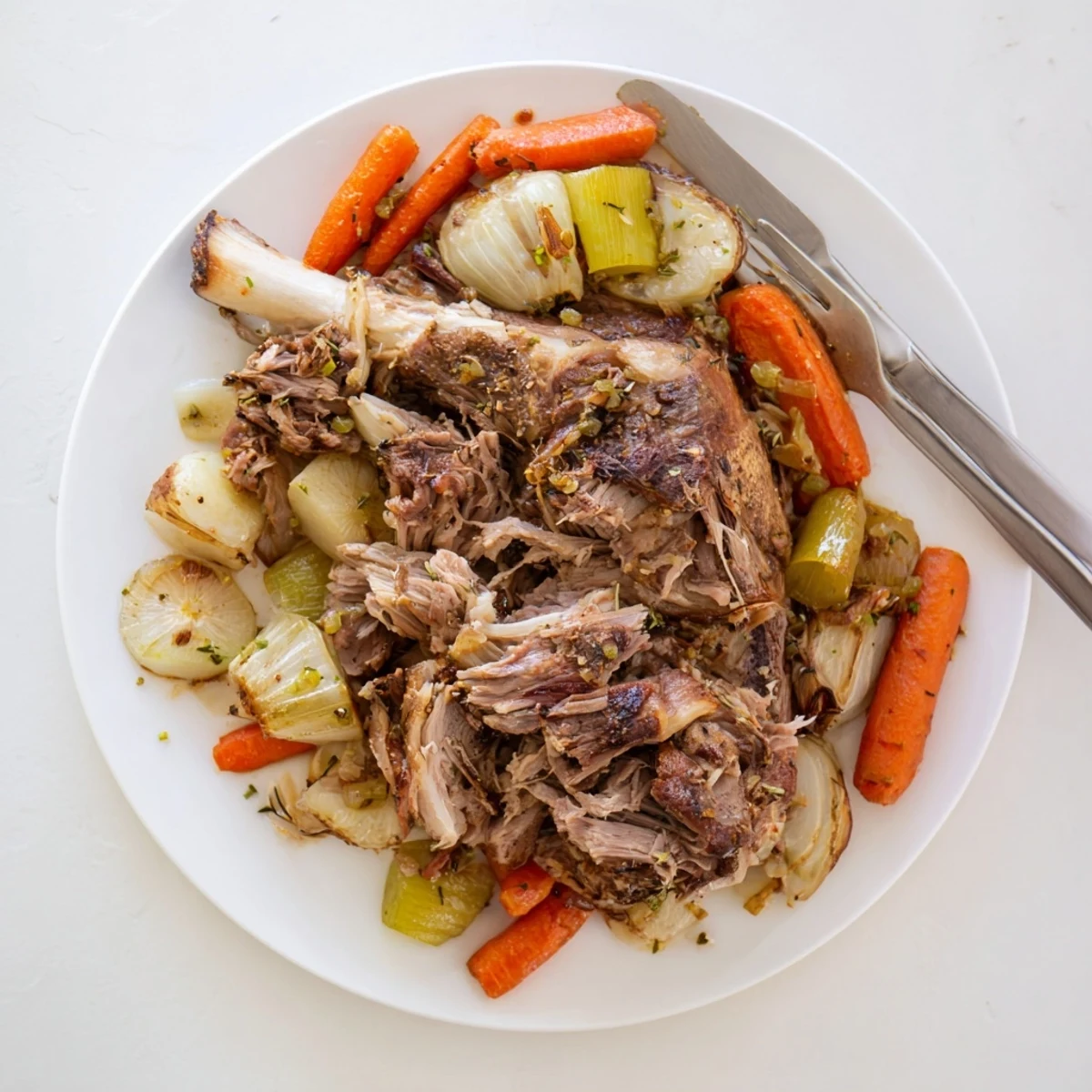
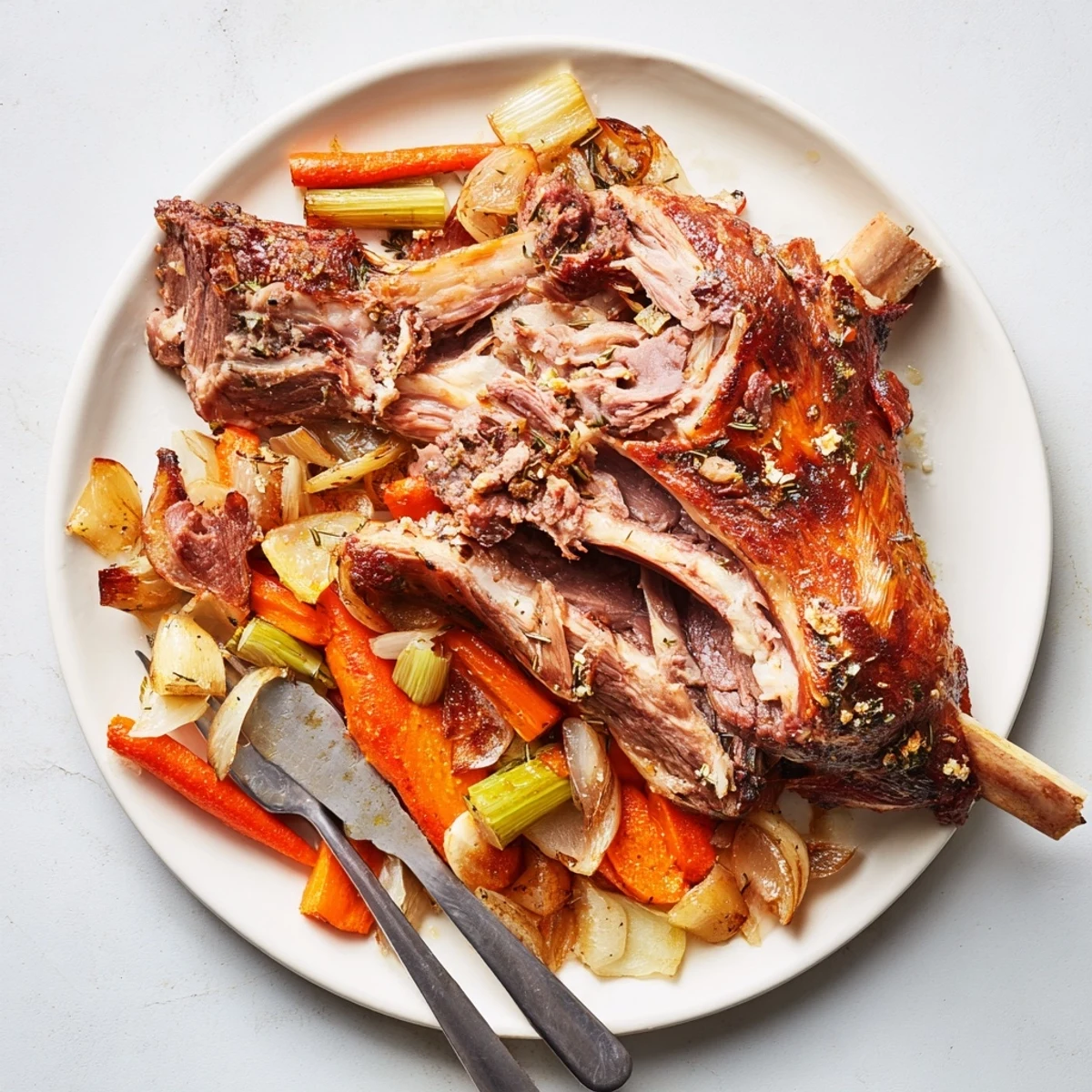
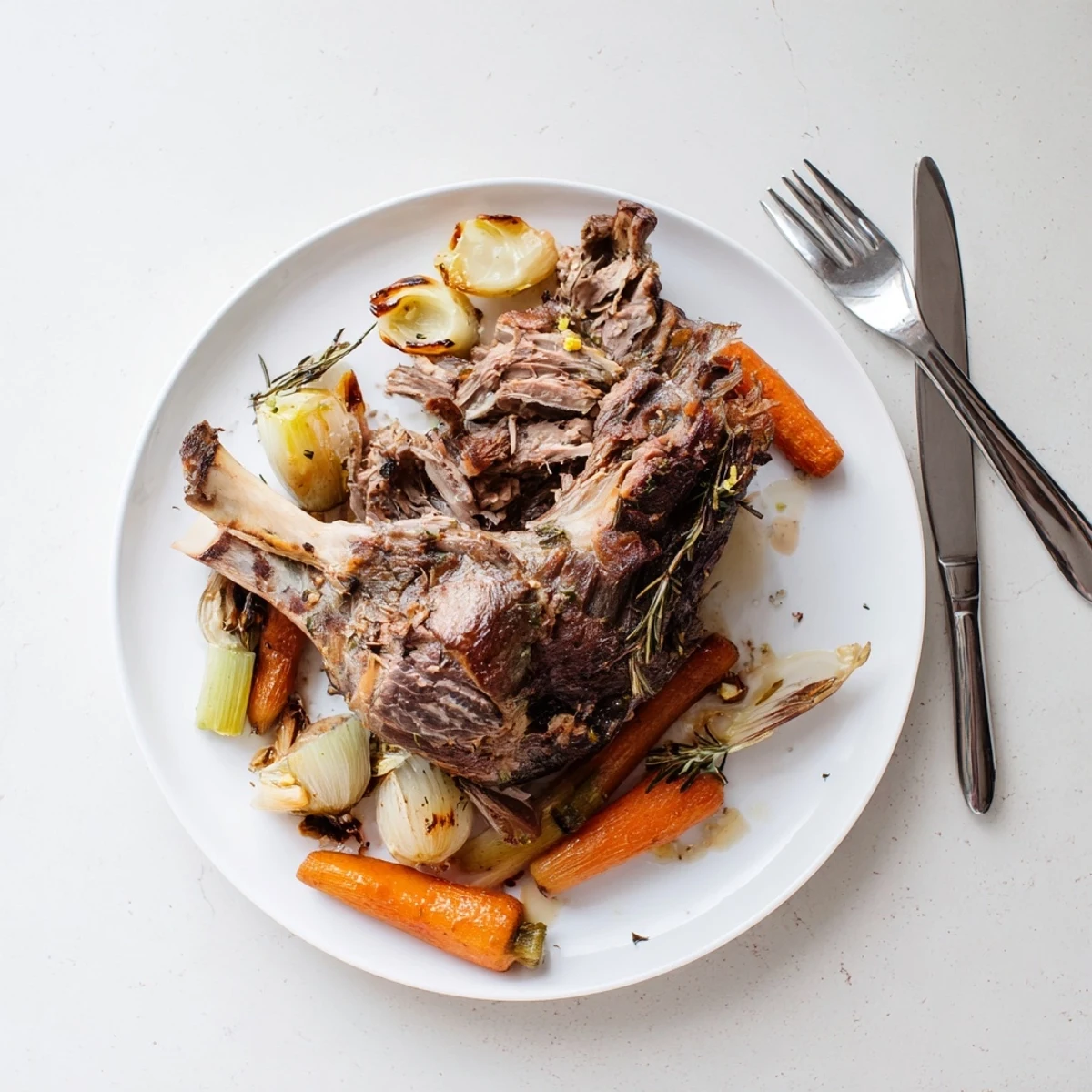
 This lamb shoulder transforms through slow cooking into meat that falls effortlessly from the bone. A fragrant paste of garlic, rosemary, thyme, oregano, and lemon zest infuses every layer, while onions, carrots, and celery create a flavorful bed.
The lamb sears first to develop deep color, then braises gently in white wine and stock for four hours. The final uncovered stint adds caramelization. Resting ensures juices redistribute for maximum tenderness.
Serve alongside creamy mashed potatoes or crusty bread to capture the aromatic pan juices. Leftovers shine in sandwiches or transform into shepherds pie for another satisfying meal.
The smell of garlic and rosemary hitting hot olive oil still transports me back to my aunt's tiny kitchen in Athens. She'd push aside her morning coffee to show me how lamb needs time, not technique. I've never forgotten that lesson about patience being the most important ingredient.
Last Easter, I made this for twelve people and watched my normally quiet brother literally moan into his plate. My sister-in-law asked for the recipe before she'd even finished her first bite. There's something about slow-cooked lamb that turns a dinner into an event.
Ingredients
- 1 bone-in lamb shoulder (about 2.5 kg / 5.5 lb): The bone adds incredible depth to the sauce and keeps the meat moist during those long hours
- 1 tablespoon olive oil: Use this for searing—high smoke point matters here
- Salt and freshly ground black pepper: Be generous, lamb can handle a serious seasoning
- 6 cloves garlic, peeled: Don't chop them, they'll mellow beautifully in the paste
- 2 tablespoons fresh rosemary leaves: Fresh herbs are non-negotiable here, dried won't give you that aromatic punch
- 2 tablespoons fresh thyme leaves: Strip the leaves backward against the stem for efficiency
- 1 tablespoon fresh oregano leaves (or 1 teaspoon dried): Fresh if you can find it, but dried oregano holds up surprisingly well
- Zest of 1 lemon: Use a microplane if you have one, you want just the bright yellow part
- 2 tablespoons olive oil: This binds the paste together—add more if it looks too dry
- 2 large onions, thickly sliced: These will melt down into the base of your sauce
- 3 carrots, cut into large chunks: Don't dice them small, they need to survive hours of cooking
- 2 celery stalks, cut into large chunks: They add subtle sweetness that balances the rich lamb
- 1 cup (250 ml) dry white wine: Something you'd actually drink, it doesn't need to be expensive
- 2 cups (500 ml) low-sodium chicken or lamb stock: Low-sodium gives you control over the final seasoning
Instructions
- Get your oven ready:
- Preheat to 160°C (320°F)—this low, slow heat is what transforms tough collagen into gelatin.
- Season the lamb generously:
- Pat it completely dry with paper towels, then coat with salt and pepper like you mean it.
- Make the herb paste:
- Pulse garlic, rosemary, thyme, oregano, lemon zest, and olive oil in a food processor until you have a fragrant, thick paste.
- Massage the meat:
- Rub that paste all over the lamb, really pressing it into every crevice—this is where the flavor lives.
- Sear for flavor:
- Heat olive oil in your roasting pan over medium-high heat, then brown the lamb on all sides until golden.
- Build the base:
- Remove lamb, pile in onions, carrots, and celery, then nestle the lamb right on top.
- Add the liquid:
- Pour wine and stock around the meat, not over it—you want those vegetables to simmer in the juices.
- Cover and forget it:
- Tightly seal with foil or a lid, then slide into the oven for 4 hours, basting whenever you remember.
- Create the crust:
- Uncover and cook 30 more minutes—that final blast of heat creates the most gorgeous browned exterior.
- Rest matters:
- Let it sit covered for 20 minutes, the juices need time to redistribute before you carve.
- Finish the sauce:
- Skim the fat from pan juices and serve everything together, vegetables and all.
 Save to Pinterest
 My friend Tom claimed he didn't like lamb until I served him this. He went back for thirds and asked if he could take the bones home for soup. Sometimes the best conversions happen over a shared plate.
Serving Suggestions
Creamy mashed potatoes are classic because they soak up that incredible sauce. I've also served it alongside simple roasted potatoes or even polenta when I want something different. Crusty bread isn't optional—you'll want something to drag through those pan juices.
Make It Ahead
This lamb actually improves overnight. Make it up to two days ahead, refrigerate in the cooking liquid, then gently reheat. The flavors deepen, and you'll have zero stress when your guests arrive. Just skim off any solidified fat before rewarming.
Leftover Magic
Cold lamb sandwiches the next day are absolutely ridiculous. Pile slices onto good bread with some of those roasted vegetables and a swipe of mustard. Or chop everything into a hash with fried eggs for breakfast.
- The lamb freezes beautifully for up to three months
- Save those bones for stock—they're already cooked down and flavorful
- Any leftover sauce transforms into an instant pasta sauce
 Save to Pinterest
 There's something deeply satisfying about a dish that rewards patience so generously. Every time I pull this from the oven, I'm reminded why slow food will always beat fast food.
Recipe FAQs
- → What cut of lamb works best for slow cooking?
-
Bone-in lamb shoulder provides excellent marbling and connective tissue that breaks down during long cooking, resulting in succulent, tender meat. The bone adds depth to the cooking liquid and helps the lamb retain moisture.
- → Can I prepare this lamb ahead of time?
-
The herb paste can be applied and the lamb marinated overnight for enhanced flavor. The cooked lamb also reheats beautifully; cover with foil and warm gently at 150°C (300°F) until heated through.
- → What wine pairs well with this dish?
-
A medium-bodied red like Grenache, Syrah, or a Spanish Rioja complements the rich lamb. If white wine is preferred, a Chardonnay or Viognier offers nice balance to the herbs and garlic.
- → How do I know when the lamb is done?
-
The lamb should yield easily when pierced with a fork, and the meat should pull away from the bone. Internal temperature should reach 93-95°C (200-205°F) for optimal tenderness.
- → What sides complement this lamb?
-
Creamy mashed potatoes, roasted root vegetables, or buttery couscous soak up the flavorful juices. Crusty bread, polenta, or simple steamed green beans provide nice contrast.