
 Save to Pinterest
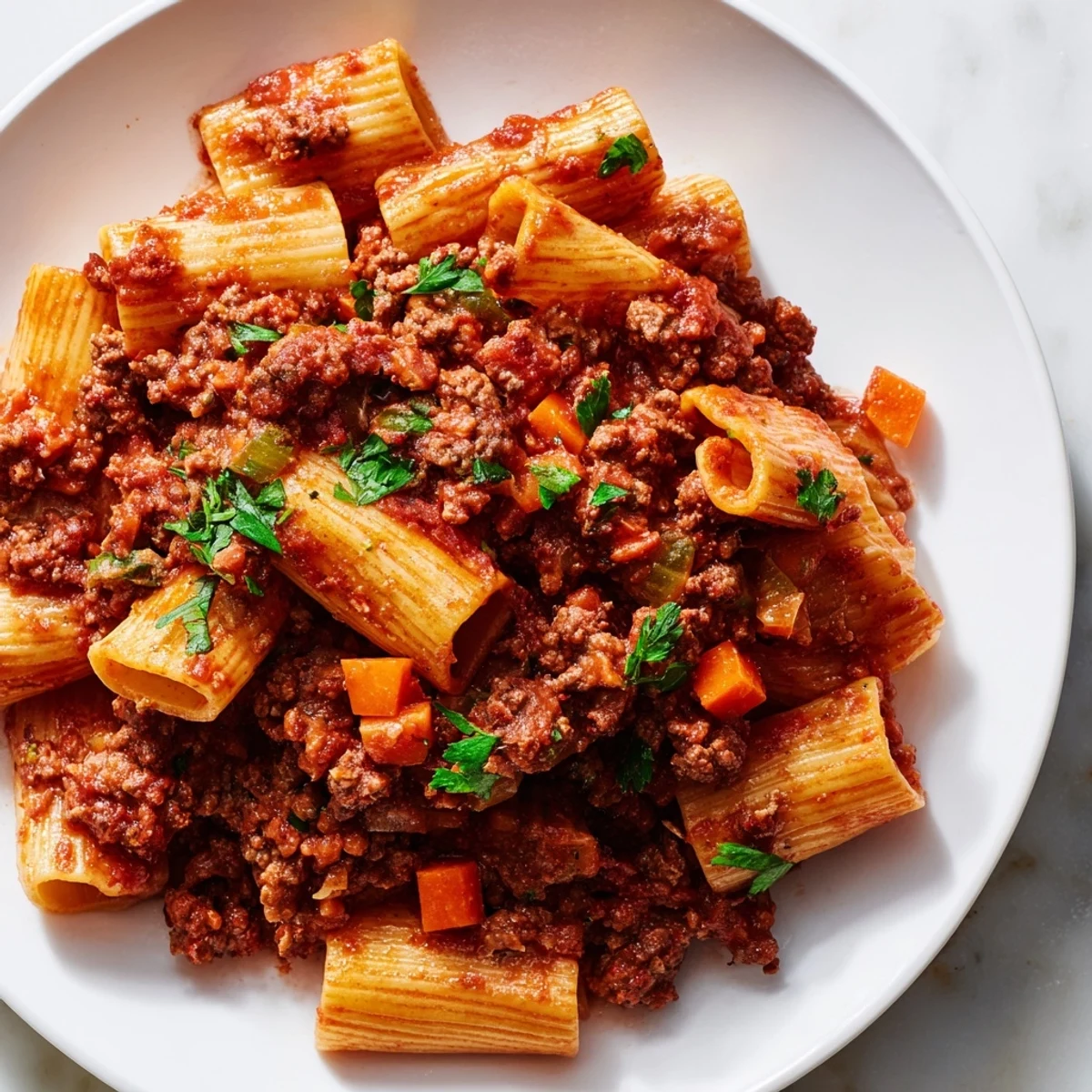
 This slow cooker ragu sauce features ground beef and pancetta enriched with aromatic vegetables and a blend of classic Italian herbs. Slowly simmered with crushed tomatoes, red wine, and broth, it develops a deep, savory flavor perfect for complementing pasta dishes. The sauce is easy to prepare ahead and can be adjusted with a splash of cream for extra richness. Ideal for a comforting, dairy-free main course.
One winter evening, my neighbor knocked on the door carrying a bottle of red wine and an apologetic smile—she'd forgotten her slow cooker was at my place. We decided to make something that would fill both our kitchens with warmth, and ragu seemed like the obvious choice. Six hours later, when she came to retrieve it, she ended up staying for dinner instead. That sauce had done what it does best: brought people together without trying.
I've made this sauce before big family gatherings, but the best version happened on a rainy Tuesday when I wasn't cooking for anyone but myself. Something about the quiet kitchen and the aroma slowly building made me taste it more carefully—that's when I noticed how the pancetta adds a subtle smokiness that makes you pause and actually appreciate what you're eating, rather than just twirling it onto your fork.
Ingredients
- Ground beef (500 g / 1.1 lb): The foundation of your sauce; beef gives it that rich, savory backbone, though mixing in half pork deepens the flavor even more.
- Pancetta or smoked bacon (100 g / 3.5 oz), finely diced: This isn't just a flavoring—it renders down and becomes the umami secret that makes people ask what you put in this.
- Onion (1 large), finely chopped: Cut it small enough to almost dissolve into the sauce, sweetening it as it cooks.
- Carrots (2) and celery stalks (2), diced: These form the aromatic base that Italian cooks call soffritto; they'll soften completely and won't taste like chunks.
- Garlic (4 cloves), minced: Add it after the vegetables soften so it doesn't burn and turn bitter.
- Canned crushed tomatoes (800 g / 28 oz): Quality matters here—taste a spoonful before you buy to make sure it's not too acidic.
- Tomato paste (3 tbsp): This concentrate intensifies the tomato flavor without adding extra liquid.
- Dry red wine (125 ml / ½ cup): Use something you'd actually drink; cheap wine tastes cheap in the sauce.
- Beef or chicken broth (125 ml / ½ cup): It loosens everything up and lets the flavors marry together.
- Dried oregano (2 tsp) and dried basil (1 tsp): Dried herbs actually work better here than fresh—they infuse more deeply over hours.
- Bay leaf (1): Remember to fish this out before serving, though I've definitely forgotten and had someone find it mid-bite.
- Red pepper flakes (½ tsp, optional): Just a whisper if you like heat; the sauce is meant to be savory and comforting, not spicy.
- Olive oil (2 tbsp): Use it to get the pancetta and vegetables going; it's your base.
- Fresh parsley or basil: Save this for the end—it adds a bright, fresh note that contrasts beautifully with the deep sauce.
Instructions
- Brown the aromatics and pancetta:
- Heat the olive oil in a large skillet over medium heat and add the pancetta. Let it render for a minute or two until the edges just start to crisp, then add the onion, carrots, and celery. Sauté for 5 to 7 minutes, stirring occasionally, until the vegetables soften and the kitchen starts smelling incredible.
- Add the garlic:
- Once the vegetables are tender, add the minced garlic and cook for just 1 minute—you want to wake it up without burning it.
- Brown the meat:
- Add the ground beef (and pork if you're using it), breaking it apart with a wooden spoon as it cooks. This takes about 5 minutes; you're looking for no more pink.
- Transfer to the slow cooker:
- Scrape everything from the skillet into your slow cooker, including all those flavorful browned bits stuck to the bottom.
- Add the liquids and seasonings:
- Pour in the crushed tomatoes, tomato paste, red wine, and broth. Sprinkle in the oregano, basil, bay leaf, and red pepper flakes if using. Grind in salt and pepper to your taste, then stir everything together until the tomato paste is fully incorporated.
- Let it slow-cook:
- Cover and set the slow cooker to LOW for 6 to 8 hours, or HIGH for 3 to 4 hours. The longer it cooks, the more the flavors settle and deepen—the sauce will thicken as the liquid reduces and the meat breaks down completely.
- Finish and taste:
- Remove and discard the bay leaf, then taste the sauce and adjust the salt and pepper as needed. If you like it richer, stir in a splash of cream or a knob of butter at the end.
- Serve:
- Ladle the sauce over hot pasta, top with fresh parsley or basil, and let people dig in.
 Save to Pinterest
 The first time I served this to my partner's family, his mother—who had her own family ragu recipe she'd guard like a state secret—asked for seconds. She didn't say it was better, but she didn't need to; that moment taught me that good food doesn't require perfection, just care and time.
Why This Sauce Transforms Pasta
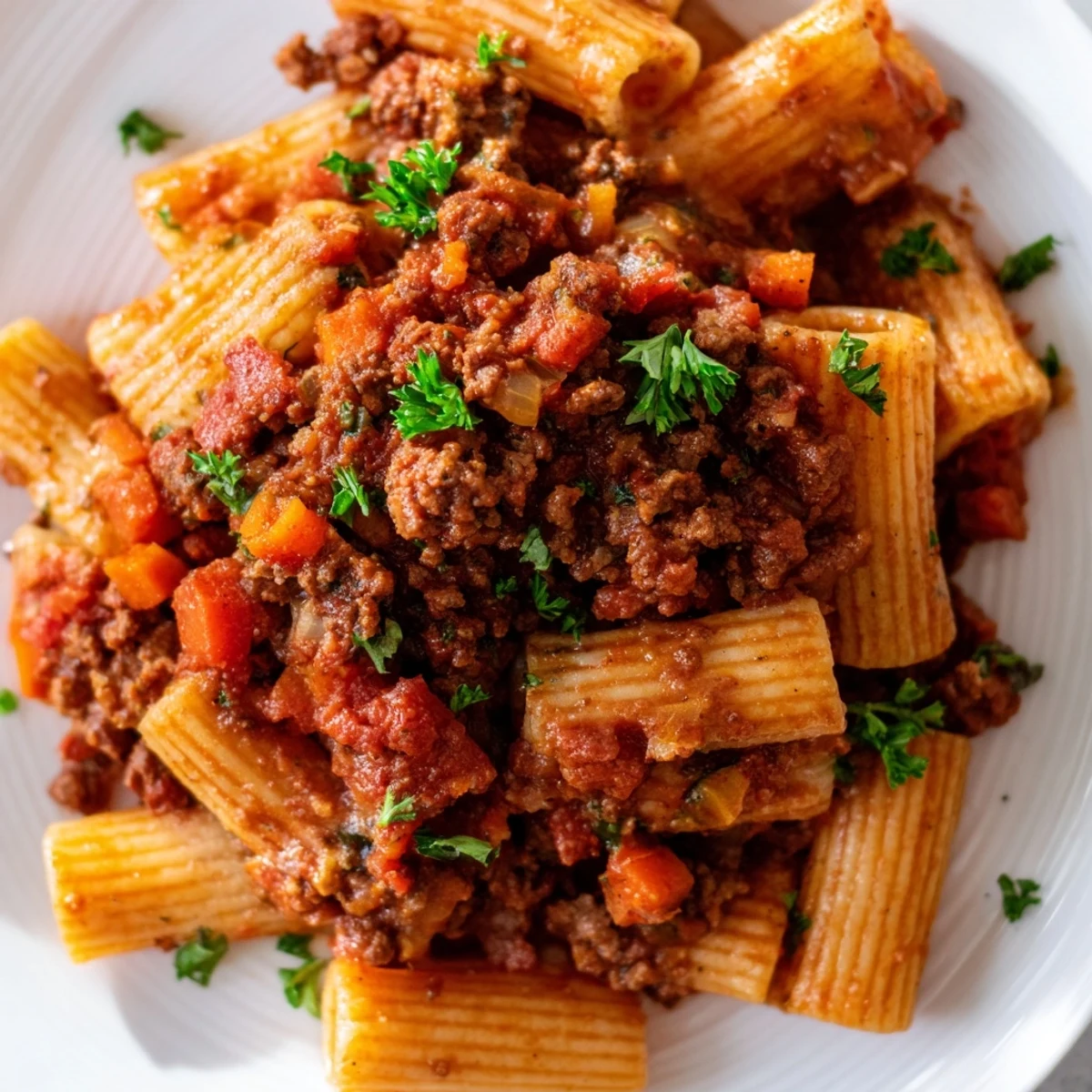
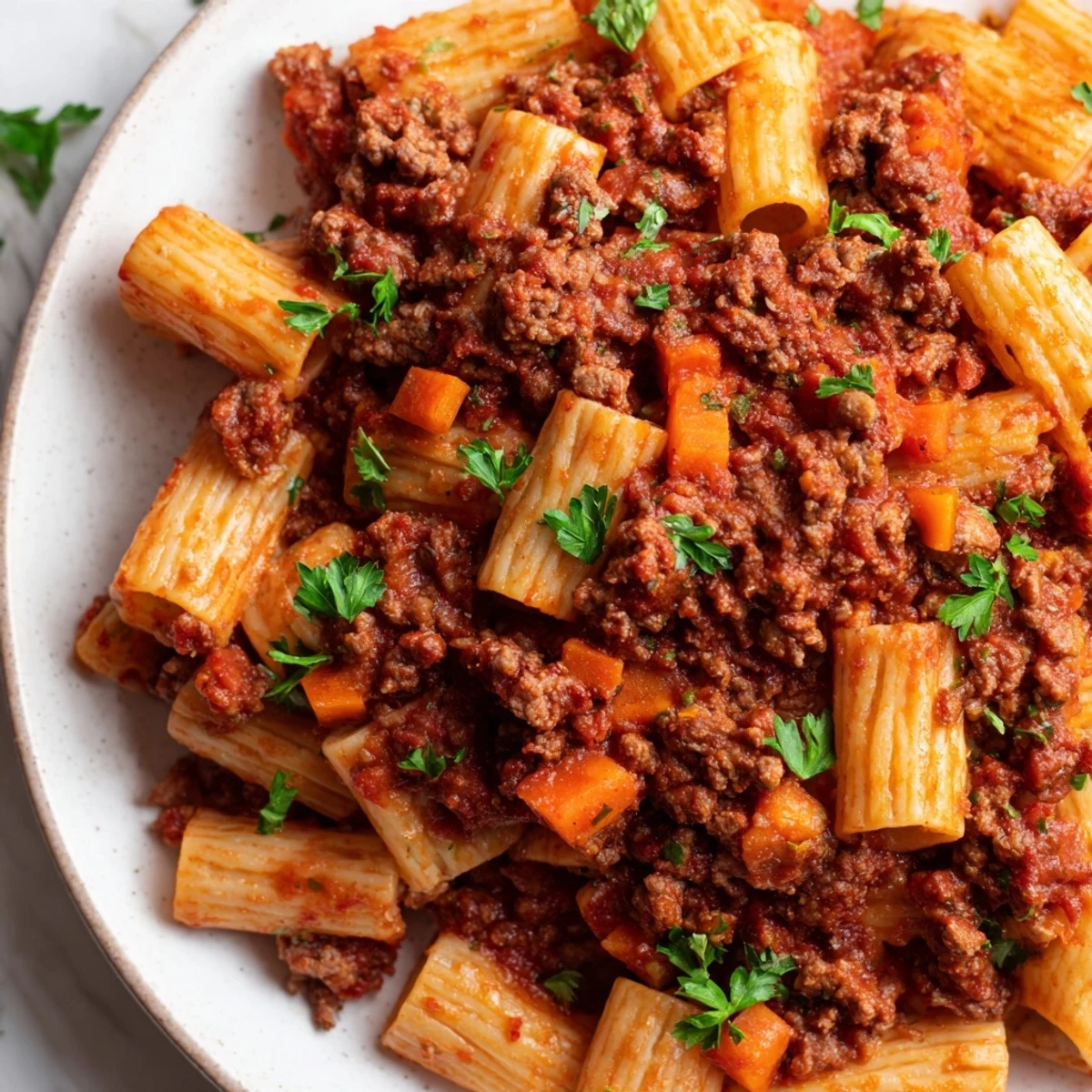
Ragu isn't a sauce you just pour on; it's something that coats every strand and fills every curve of the pasta, clinging to the shape rather than sliding off. The slow cooking breaks down the meat into something almost creamy, making it feel more like a marriage than a topping. If you use a chunky pasta like rigatoni or pappardelle, it catches the sauce and holds it, so every bite has a richness you don't get with spaghetti.
Make-Ahead Magic
This sauce actually tastes better the day after you make it—the flavors mellow and come together in a way they haven't quite finished doing on day one. It freezes beautifully for up to three months, so doubling the batch costs you nothing extra in effort and gives you weeknight dinners waiting in the freezer. I've thawed this on mornings I didn't plan dinner and still had something on the table that tastes like I spent all day cooking.
Serving and Pairing Ideas
Beyond pasta, this sauce works on polenta, over soft cheese like ricotta, or even spooned into lasagna. A bold red wine—something with enough tannin and fruit to stand up to the meat—pairs perfectly alongside. Some people add a knob of butter or splash of cream just before serving, which rounds everything out and makes it taste even more luxurious than it already is.
- If you're cooking for a crowd, set up a simple pasta bar and let people pile their bowl high with this sauce, fresh cheese, and herbs.
- Keep leftover sauce and freeze it in ice cube trays so you can thaw individual portions for quick lunches.
- Taste as you cook—every tomato can brand is slightly different, so you may need more or less salt than the recipe suggests.
 Save to Pinterest
 This sauce has become the kind of recipe I make without thinking, turning ordinary pasta nights into something worth remembering. It's proof that sometimes the best kitchen magic happens when you simply give something time and attention.
Recipe FAQs
- → What cuts of meat are best for this sauce?
-
Ground beef combined with pancetta or smoked bacon provides rich flavor and tender texture, balancing meatiness with aromatic fat.
- → Can I make this sauce without red wine?
-
Yes, you can substitute red wine with extra broth or grape juice for a milder flavor without affecting the sauce's depth.
- → How long should the sauce simmer in the slow cooker?
-
The sauce should cook on low for 6–8 hours or on high for 3–4 hours to develop its full depth of flavor and rich texture.
- → Is it possible to freeze the sauce for later use?
-
Absolutely, this sauce freezes well for up to three months, making it convenient for meal prep and future meals.
- → What herbs enhance the flavor in this sauce?
-
Dried oregano, basil, and a bay leaf infuse the sauce with classic Italian aroma, complementing the meat and tomatoes perfectly.
- → Can I add cream to make the sauce richer?
-
Yes, stirring in a splash of cream or a knob of butter at the end adds a smooth, luxurious finish to the sauce.