
 Save to Pinterest
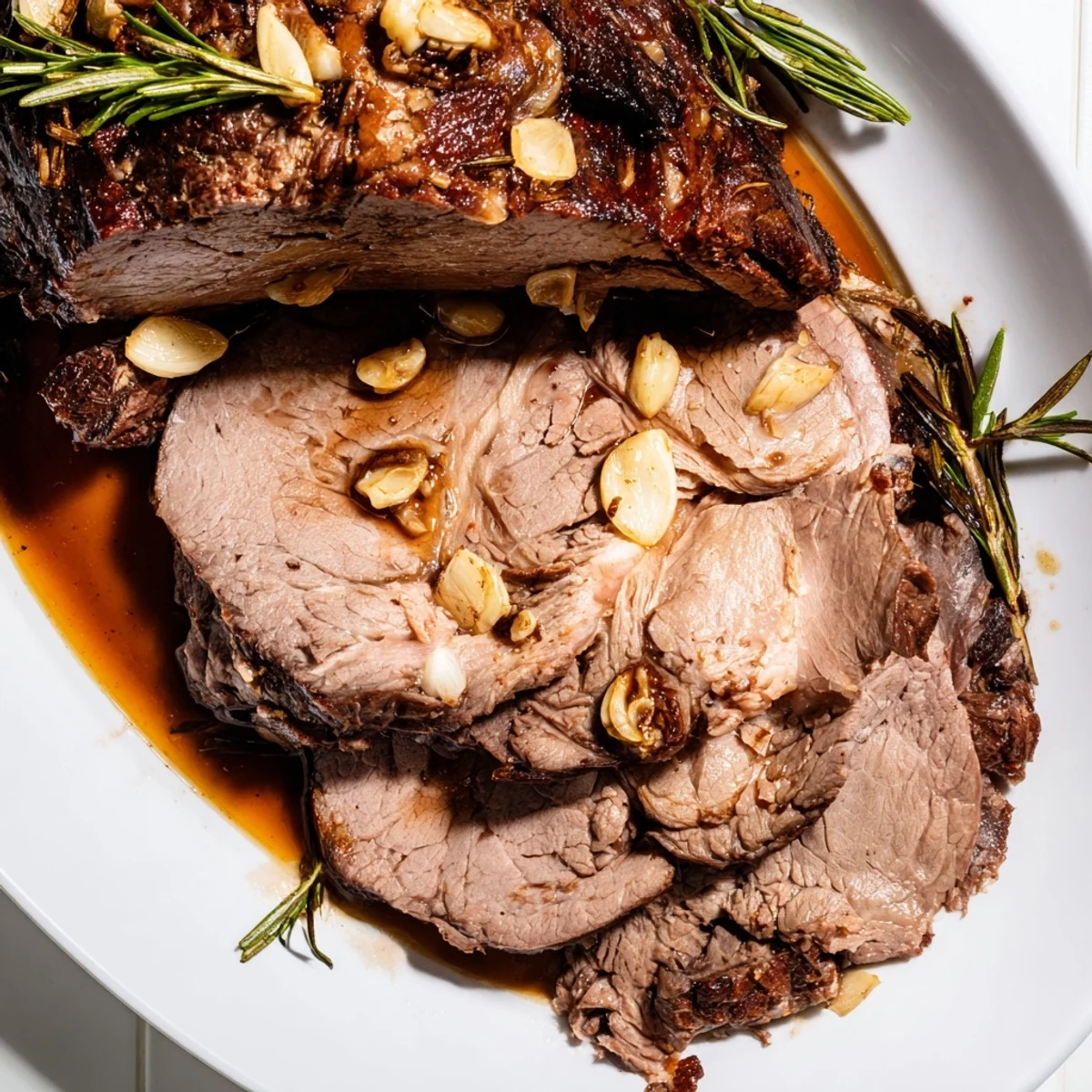
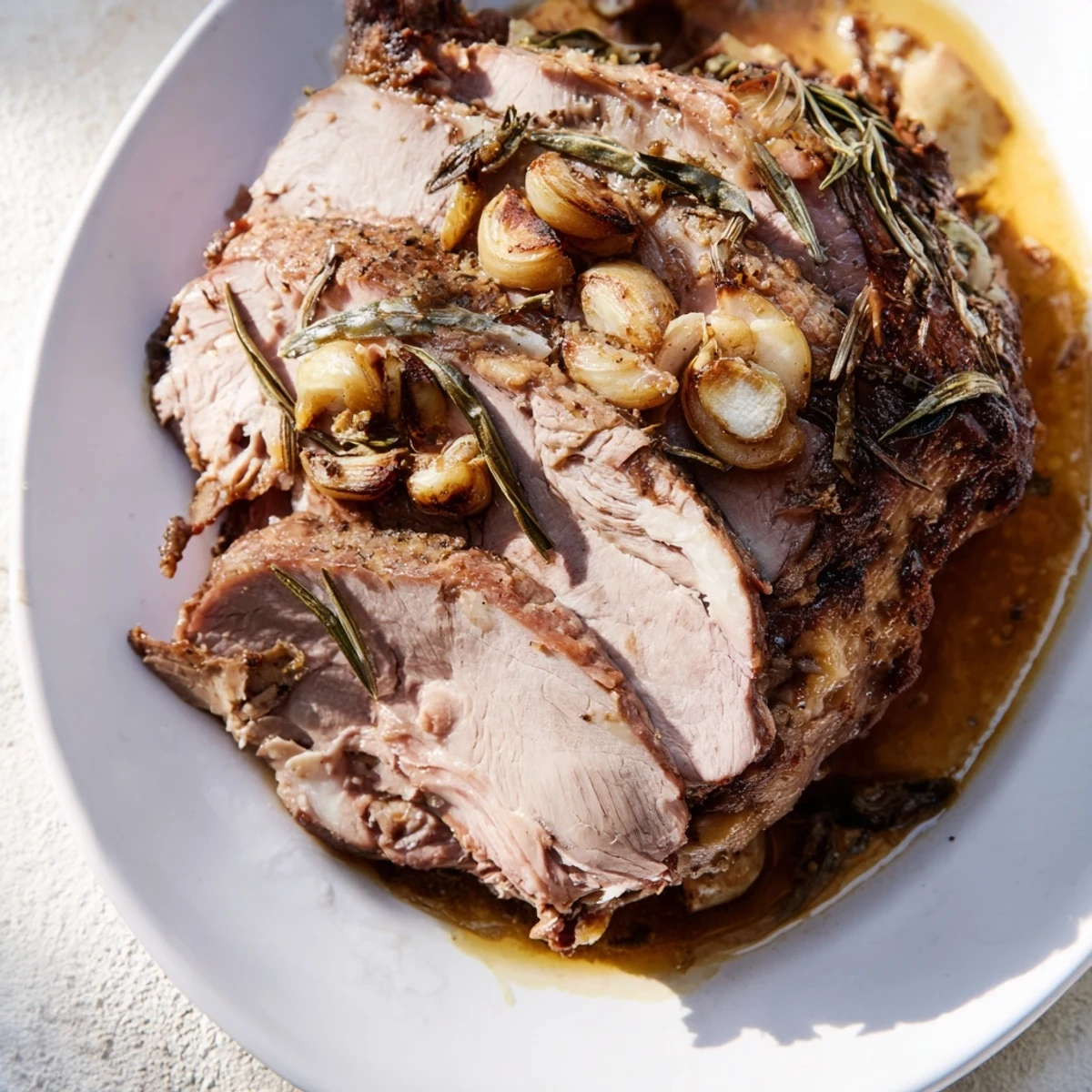
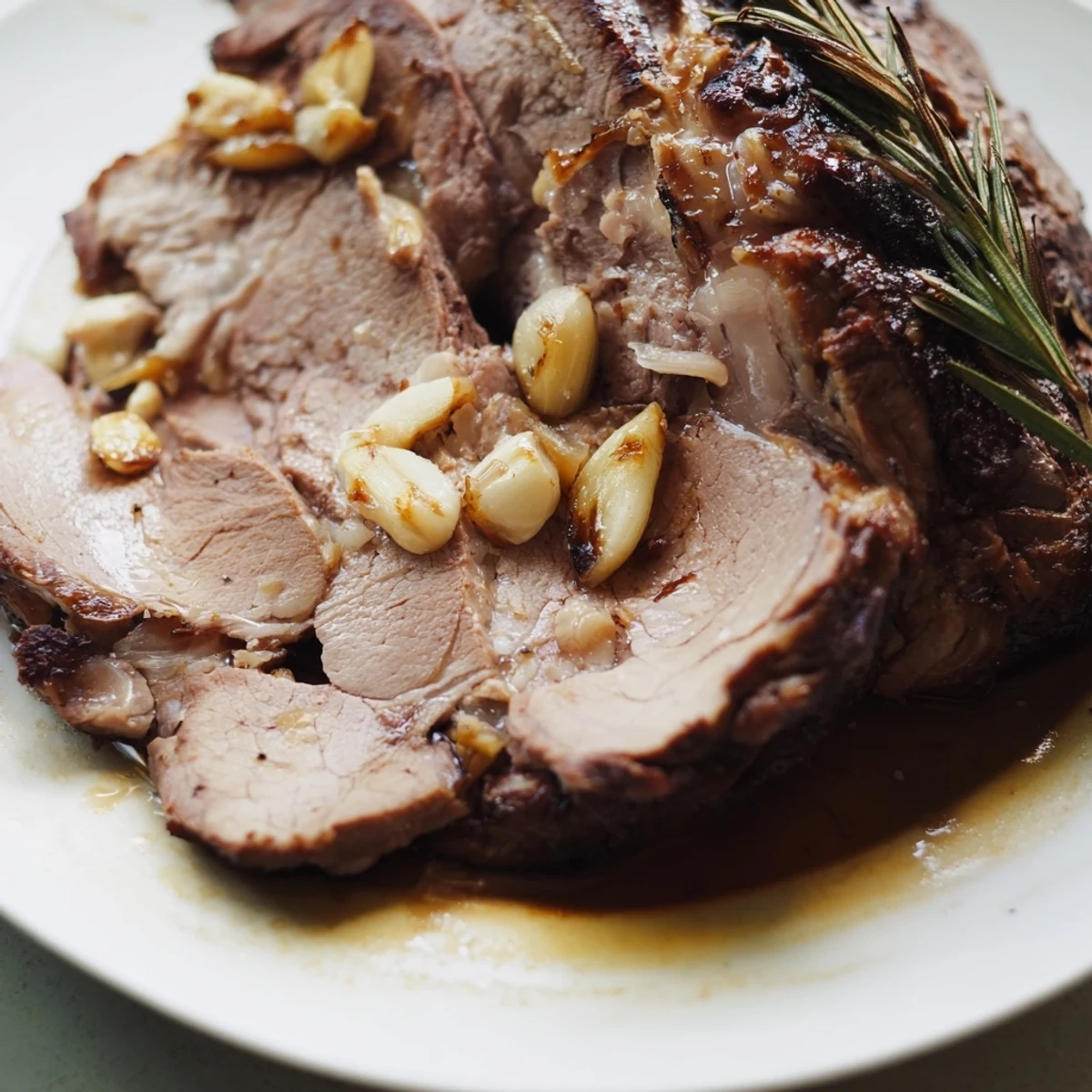
 This dish features a bone-in leg of lamb gently slow-roasted to tender perfection. Deep slits filled with garlic and rosemary infuse the meat with aroma and flavor. A zesty mixture of lemon, olive oil, thyme, salt, and pepper is rubbed on the surface, enhancing the savory profile. Carrots, onions, and baby potatoes roast alongside, soaking up the pan juices. The lamb finishes with a high-heat roast for a crispy, golden crust. Resting before carving ensures juicy, melt-in-the-mouth slices ideal for a memorable Mediterranean-style meal.
The first time I slow-roasted lamb at home, I had no idea the kitchen would fill with such an intoxicating smell of garlic and lemon that my neighbors asked what restaurant I was opening. That moment changed everything about how I approached Sunday dinners. Now, whenever I make this leg of lamb, I think of that afternoon—the sizzle of the pan, the careful slicing of garlic cloves, and that peculiar magic that happens when time and heat conspire to make meat tender enough to cut with a fork.
I made this for my cousin's birthday dinner last spring, and she took one bite, closed her eyes, and didn't say anything for a full minute—which, for her, felt like a lifetime of praise. We ate it with crusty bread and a glass of wine that was probably cheaper than the bottle she brought, but somehow it didn't matter. That night, the dish became less about technique and more about the quiet joy of feeding people you love.
Ingredients
- Lamb leg (2–2.5 kg, bone-in): This is your star, so choose one that feels substantial and has a good layer of fat on the outside—that's where the flavor lives.
- Olive oil: Use something you'd actually taste in a salad; cheap oil won't win here.
- Garlic cloves: Eight cloves halved means sixteen pockets of flavor throughout the roast, and they'll turn sweet and creamy as they cook.
- Lemons (zest and juice): The zest goes into the herb paste, but keep extra juice on hand to brighten things at the end if needed.
- Fresh rosemary and thyme: Fresh is worth the hunt, but dried works if that's what you have—just use less because it's stronger.
- Kosher salt and black pepper: These aren't afterthoughts; they're the foundation that lets everything else shine.
- Carrots, onions, and potatoes: Optional in name only—these vegetables catch all the rendered lamb fat and become transcendent.
- Dry white wine or chicken broth: This becomes your pan sauce, so taste it first if you're using broth.
Instructions
- Prepare your workspace and preheat:
- Set your oven to 150°C (300°F) and let it come to temperature while you gather everything. A roasting pan should be large enough that the lamb isn't crowded; you want air to flow around it.
- Dry and score the lamb:
- Pat the leg completely dry with paper towels—this matters more than you'd think because moisture gets in the way of browning. With a sharp knife, make deep slits all over the surface, about the width of your pinky finger and roughly two inches deep; you're creating little cavities for flavor.
- Stuff with garlic and herbs:
- Push a garlic half and a pinch of rosemary into each slit, letting some of the herb stick out slightly. Don't be timid here; the garlic will turn mild and sweet after three hours of gentle heat.
- Make your flavor paste:
- In a small bowl, combine the olive oil, lemon zest, lemon juice, remaining rosemary, thyme, salt, and pepper until it looks like a loose paste. Massage this all over the lamb as if you're giving it a spa treatment—get it into every crevice and under any loose skin.
- Build your roasting foundation:
- Scatter the carrots, onions, and potatoes in the bottom of the pan; they'll cushion the lamb and catch all the drippings. Set the lamb on top, skin-side up.
- Add liquid and cover:
- Pour the wine or broth into the base of the pan—not over the lamb, just around it. Cover everything tightly with aluminum foil; this traps steam and keeps the meat from drying out during the long, slow cook.
- First phase: low and slow:
- Roast covered for 2.5 hours without opening the oven door. The lamb needs undisturbed time to become tender; each peek lets heat escape and adds ten minutes to the cook time.
- Second phase: brown and finish:
- Remove the foil, turn the heat up to 200°C (400°F), and roast uncovered for 30 minutes until the lamb turns a deep golden brown and the vegetables get caramelized at the edges. This is where the crust forms and the magic finishes.
- Rest and serve:
- Lift the lamb onto a cutting board, drape loosely with foil, and let it rest for 15 minutes—this redistributes the juices and makes every slice more tender. Carve against the grain, pour the pan juices over everything, and serve with the roasted vegetables alongside.
 Save to Pinterest
 I once forgot to cover the lamb with foil and watched in horror as it turned brown halfway through. But here's the thing—it still tasted incredible, just slightly drier, and I learned that lamb is forgiving. That mistake taught me that technique matters less than respect for the ingredient and patience with the process.
Why This Recipe Works
Slow roasting at a low temperature means the lamb cooks evenly from edge to center without the outside turning tough while waiting for the inside to catch up. The garlic and herbs infuse right into the meat itself rather than sitting on top, and the long cooking time transforms them into something mellow and almost caramel-like. Every element works together: the aromatics flavor the meat, the vegetables become silky, and the pan juices turn into a sauce you'll want to drink straight from the spoon.
Variations and Adjustments
Sometimes I add a handful of kalamata olives scattered around the vegetables, or I'll swap the white wine for red—both change the mood without breaking the recipe. If you can't find fresh herbs, dried works perfectly; just halve the amount because the flavor is more concentrated. Sweet potatoes or parsnips can replace regular potatoes if you want something sweeter, and I've even added fresh mint at the end for a brighter finish when I'm feeling adventurous.
Serving and Pairing
Serve this with crusty bread for soaking up pan juices, a simple green salad to cut through the richness, and a full-bodied red wine like Syrah or Cabernet Sauvignon. I once served it with nothing but the roasted vegetables and extra lemon, and it felt like enough—sometimes the dish needs no supporting cast. The leftovers shred beautifully into sandwiches the next day, or you can dice them for a grain bowl if you want to stretch the meal.
- Squeeze extra lemon juice over individual plates at the table for brightness.
- Keep pan juices warm in a small pitcher so people can pour more if they want it.
- Toast the bread in the residual heat of the oven before the lamb comes out.
 Save to Pinterest
 This is the kind of dish that makes you feel like a real cook, even if you've only done one thing: waited patiently while the oven did most of the work. Every time I make it, I think about that first afternoon when my neighbors asked what restaurant I was opening, and I smile.
Recipe FAQs
- → How do I prepare the lamb for roasting?
-
Make deep slits all over the leg and insert garlic and rosemary before rubbing with lemon and herb mixture for enhanced flavor infusion.
- → What is the best roasting temperature and time?
-
Start slow roasting at 150°C (300°F) for 2.5 hours covered, then finish uncovered at 200°C (400°F) for 30 minutes to brown the meat.
- → Can I substitute the vegetables served with the lamb?
-
Yes, baby potatoes can be swapped for sweet potatoes or parsnips based on preference or availability.
- → What liquid should be used in the roasting pan?
-
Dry white wine or low-sodium chicken broth adds moisture and enhances flavor during roasting.
- → How should I rest the lamb after cooking?
-
Let the lamb rest loosely covered for 15 minutes before carving to allow juices to redistribute, resulting in tender slices.