
 Save to Pinterest
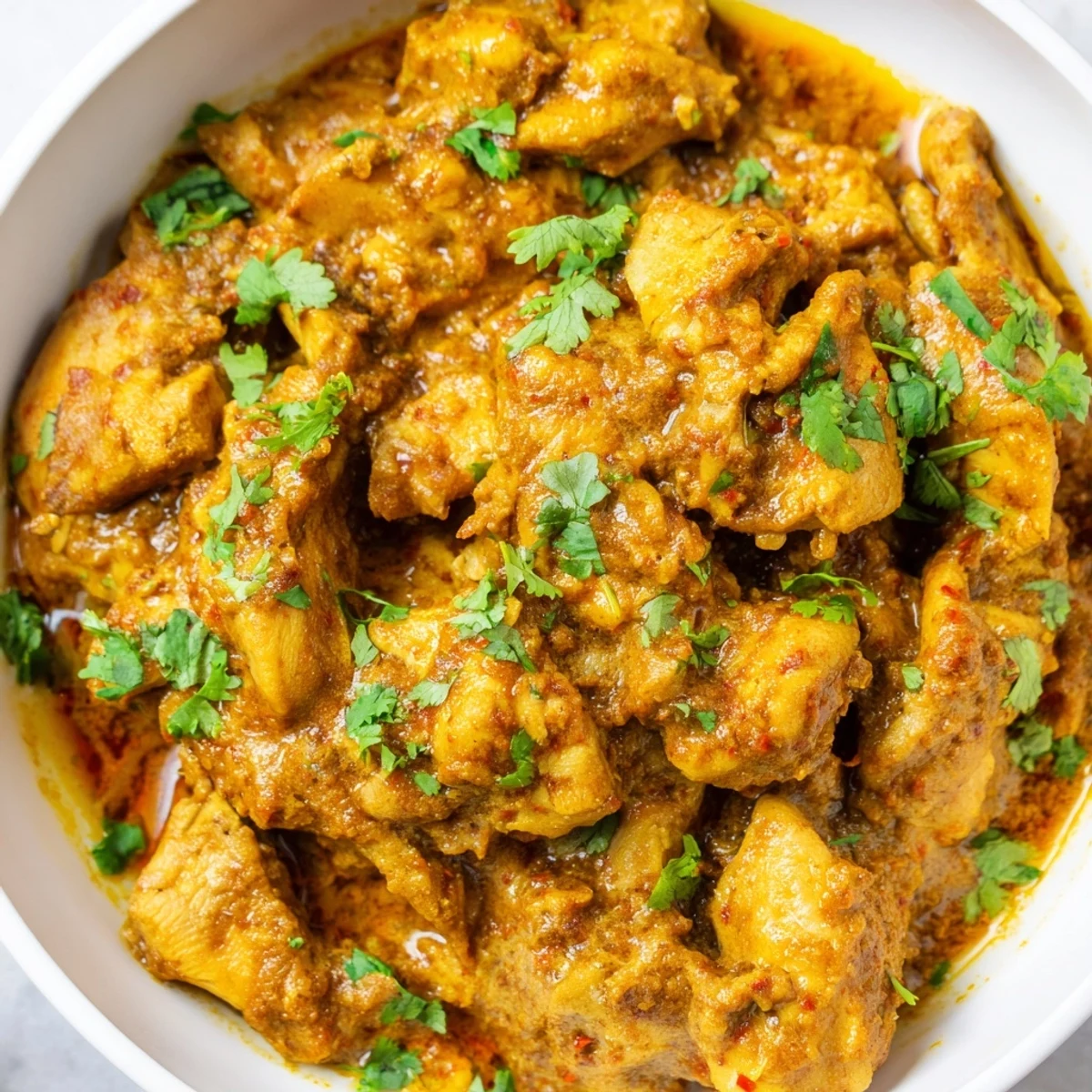
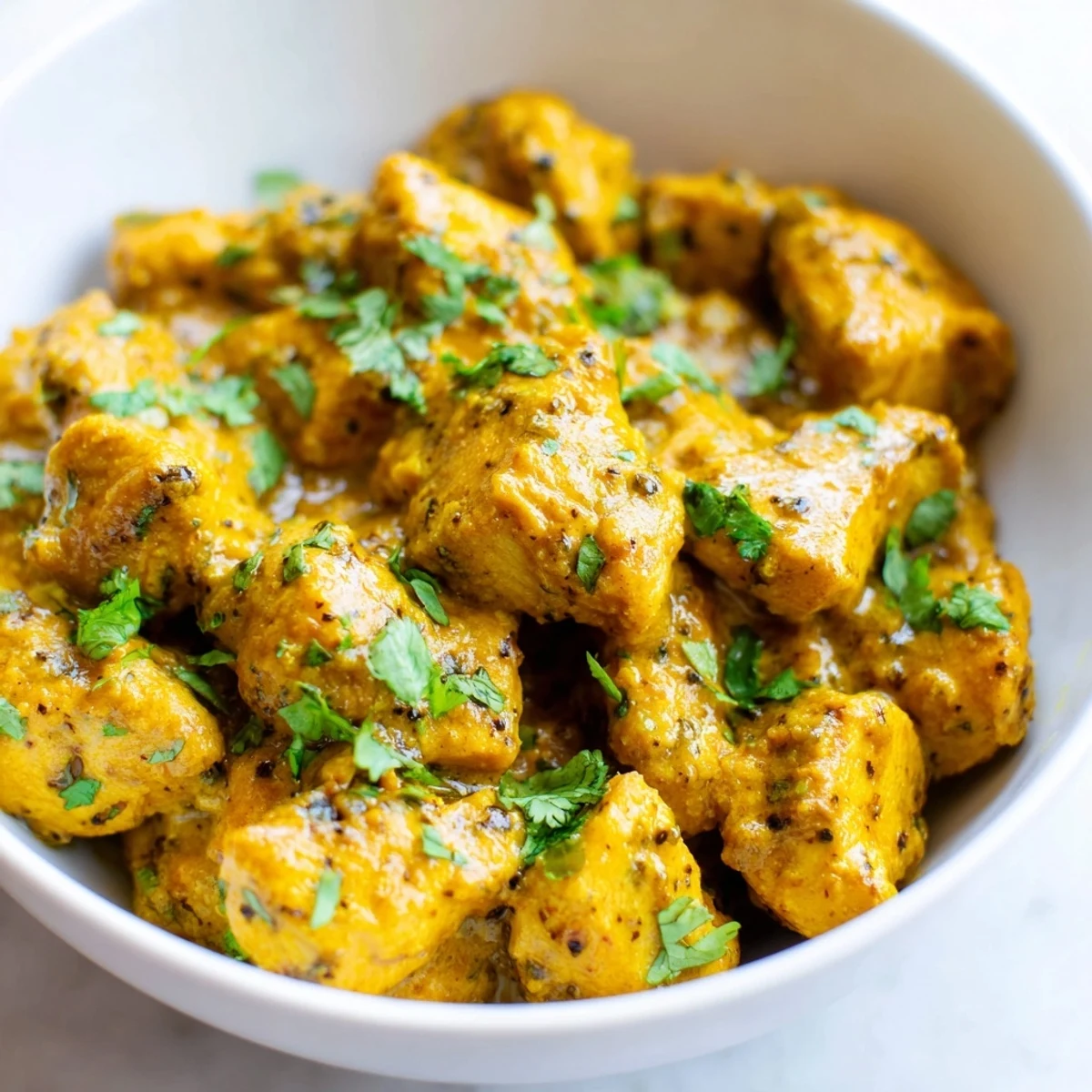
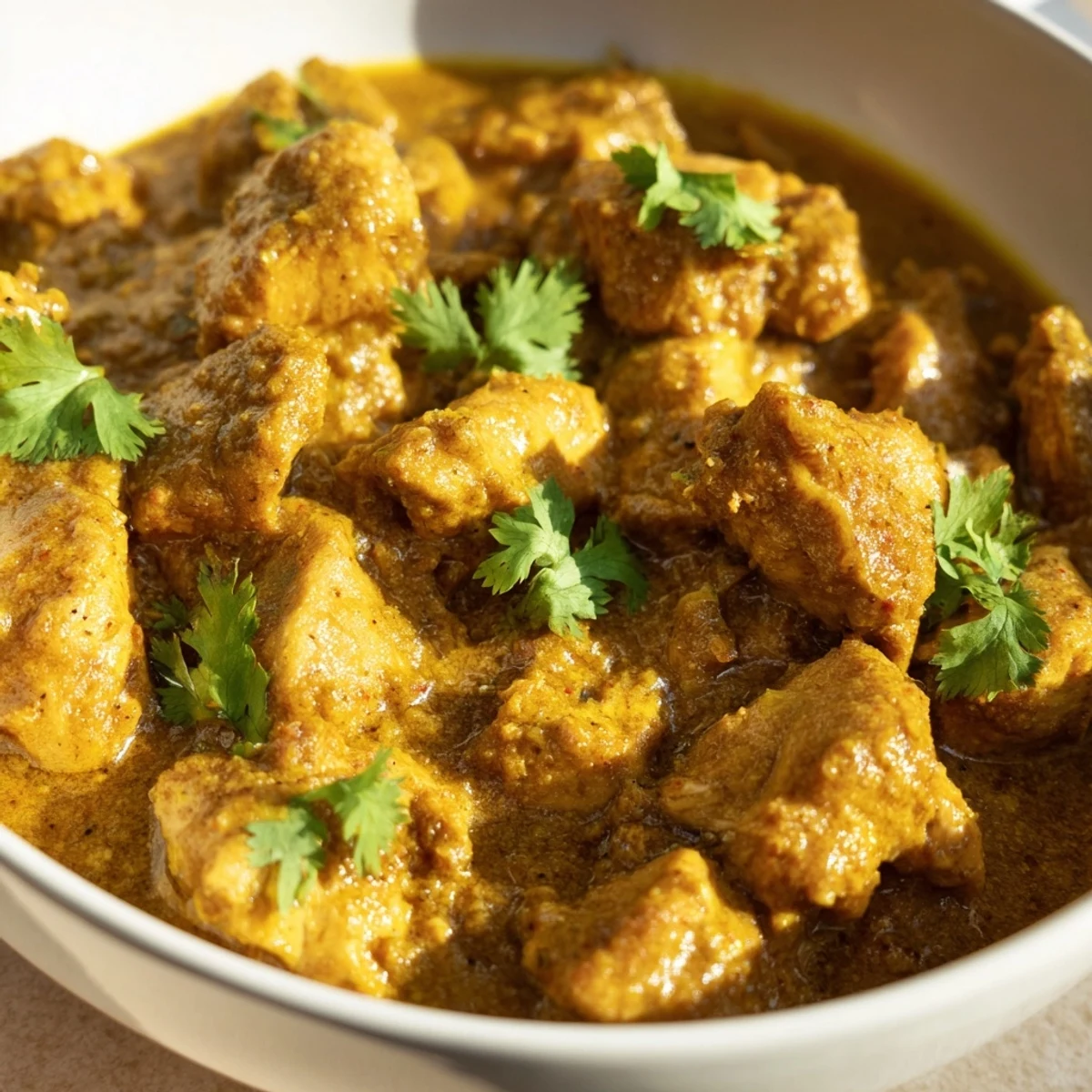
 This dish features succulent chicken thighs simmered in a fragrant blend of spices including curry powder, cumin, and garam masala. The sauce combines creamy coconut milk with a touch of acidity from lime juice and freshness from cilantro, creating a balanced, flavorful meal. The preparation involves sautéing aromatics like onion, garlic, and ginger before gently cooking the chicken and spices, allowing the flavors to meld perfectly. Ideal for those who enjoy rich, mildly spicy dishes with a comforting warmth.
A friend once brought over a container of homemade curry that filled my entire kitchen with this intoxicating blend of spices—I couldn't stop thinking about it for weeks. Years later, I finally cracked my own version, and it turned out to be even simpler than I expected: tender chicken thighs simmered until they practically fall apart in a sauce that's rich, aromatic, and perfectly spiced. The secret isn't complexity; it's letting each spice do its job while the coconut milk does the heavy lifting. Now this is my weeknight weapon when I want something that tastes like it took hours but comes together in under an hour.
The first time I made this for my partner's family, I was nervous about the spice ratio because I'd never really trusted myself with Indian cooking before. But halfway through the simmering, their teenager wandered into the kitchen, stopped dead, and asked if we were opening a restaurant—and I knew I'd nailed it. That moment taught me that good food doesn't need to be fussy or overthought; it just needs to be honest and smell incredible.
Ingredients
- Boneless, skinless chicken thighs (800 g): Thighs are your friend here because they stay juicy and forgiving—unlike breast meat, they won't dry out even if you accidentally let the pan bubble away longer than planned.
- Onion, garlic, and ginger: This aromatic base is non-negotiable; the onion softens first to build sweetness, while garlic and ginger meld together to create that characteristic warmth that makes people ask what your secret ingredient is.
- Curry powder (2 tablespoons): Quality matters here since this is your main spice backbone—taste your curry powder first if you're uncertain, and trust your nose to tell you if it's fresh and punchy.
- Ground cumin and coriander (1 teaspoon each): These two are the quiet overachievers that add earthiness and a subtle sweetness without announcing themselves loudly.
- Chili powder and cayenne (1 teaspoon plus ½ teaspoon optional): Chili powder brings fruity heat while cayenne is your emergency backup if you want to push things further—start with less and taste as you go.
- Turmeric and garam masala (½ teaspoon and 1 teaspoon): Turmeric goes in early to mellow out, while garam masala gets added at the very end so it stays bright and aromatic.
- Coconut milk (400 ml) and chicken stock (100 ml): The coconut milk is the soul of this sauce—it mellows the spices and creates that silky texture, while the stock adds savory depth and helps you control the final consistency.
- Vegetable oil (2 tablespoons): Use something neutral that can handle the heat without smoking; this is where the flavor-building begins.
- Fresh cilantro and lime juice: These aren't garnish theater—cilantro adds a bright herbaceous note that cuts through richness, and lime juice wakes up every single flavor at the last second.
Instructions
- Build your aromatic base:
- Heat oil over medium heat and add chopped onion, letting it turn golden and soft for about 5 minutes—this is where your flavor foundation gets built, so don't rush it. You'll know it's ready when the kitchen starts smelling irresistible and the onion edges are just beginning to caramelize.
- Wake up the garlic and ginger:
- Stir in garlic and ginger, cooking for just 1 minute until the aroma hits you like a warm wave—this is the moment everything shifts and you know you're on the right track. Don't let them sit too long or they'll bitter out on you.
- Toast and bloom your spices:
- Add all your dry spices and stir constantly for 1–2 minutes, letting them toast in the oil until they smell warm and toasted, not raw. This step is the difference between a good curry and a great one, so stay present here and listen to the sizzle.
- Soften the tomatoes:
- Add chopped tomatoes and cook for about 4 minutes until they start breaking down and creating their own sauce. The tomatoes add acidity and body, so let them cook until they're completely soft and jammy.
- Brown the chicken lightly:
- Add your chicken pieces with a pinch of salt and cook for 5–6 minutes, stirring occasionally, until the edges are lightly browned and the pan gets a little crusty at the bottom. Don't overcrowd the pan—give the chicken room to kiss the hot surface.
- Add the liquid and simmer:
- Pour in coconut milk and stock, scraping up all those flavorful browned bits stuck to the pan bottom—they're liquid gold. Stir everything together, reduce to low heat, cover, and let it bubble gently for 20 minutes, stirring now and then.
- Finish strong:
- Remove the lid, stir in garam masala, and let the sauce simmer uncovered for 5 more minutes so it thickens slightly and the garam masala's aroma blooms fresh and bright. Taste and adjust salt or spice as needed, then finish with fresh cilantro and a squeeze of lime juice.
 Save to Pinterest
 I'll never forget cooking this for a friend who said she didn't like spicy food, and then watched her go back for thirds—she even asked for the recipe before leaving. That's when I realized this curry isn't about proving how spicy you can go; it's about balance and knowing that most people actually want flavor more than heat, and this dish delivers both.
Why Chicken Thighs Win Every Time
Chicken breast has its place, but thighs are the MVP of curry night because they have enough fat marbling to stay tender even if your simmer time gets a little aggressive. The first time I tried this with breast meat, it came out dry and forgettable, and I learned that lesson the hard way so you don't have to. Thighs also have more flavor naturally, which means they play beautifully with bold spices instead of getting overwhelmed by them.
Adapting the Heat to Your Crowd
One of the joys of this recipe is that you can customize it for whoever's sitting at your table—I've made it mild enough for kids and fiery enough for people who judge restaurants by whether the curry makes them sweat. Start conservative with the chili powder and cayenne, taste halfway through, and build from there because you can always add heat but you can't take it back. For a crowd with mixed tolerance, add your hottest peppers at the very end so people can choose their own adventure.
What to Serve It With and Why It Matters
Steamed basmati rice is the obvious choice, and it works because it's neutral enough to let the curry shine without competing—plus it catches all the sauce, which is the whole point. Warm naan is my lazy-night move because you can buy it frozen and toast it while the curry simmers, and there's something about using bread as your sauce vehicle that feels more indulgent than rice. I've also had this with cauliflower rice when I wanted something lighter, and it works just fine, but here's the secret: whatever you choose, make sure there's plenty of it because people will want to soak up every last drop.
- Pro move: warm your serving bowls in the oven so the curry stays hot longer.
- If you want leftovers (and you should), this keeps beautifully in the fridge for 3 days and tastes even better the next day.
- Freeze-friendly for up to 2 months, so batch-cook with confidence.
 Save to Pinterest
 This curry has become my go-to proof that you don't need a restaurant kitchen or years of experience to make something genuinely delicious. Every time I make it, I remember that cooking is just about showing up, trusting the process, and letting good ingredients do what they're meant to do.
Recipe FAQs
- → What cut of chicken works best for this dish?
-
Boneless, skinless chicken thighs are preferred for their tenderness and ability to remain juicy during simmering.
- → Can I adjust the spice level?
-
Yes, increasing or omitting chili powder and cayenne allows you to customize the heat to your preference.
- → What can I serve as a side?
-
Steamed basmati rice or warm naan bread complement the rich, spiced sauce beautifully.
- → Is coconut milk necessary for the sauce?
-
Coconut milk adds creaminess and subtle sweetness, balancing the spices; alternatives may alter the texture and flavor.
- → How long should the dish simmer?
-
Simmer uncovered for about 25 minutes total to thicken the sauce and ensure tender chicken.