
 Save to Pinterest
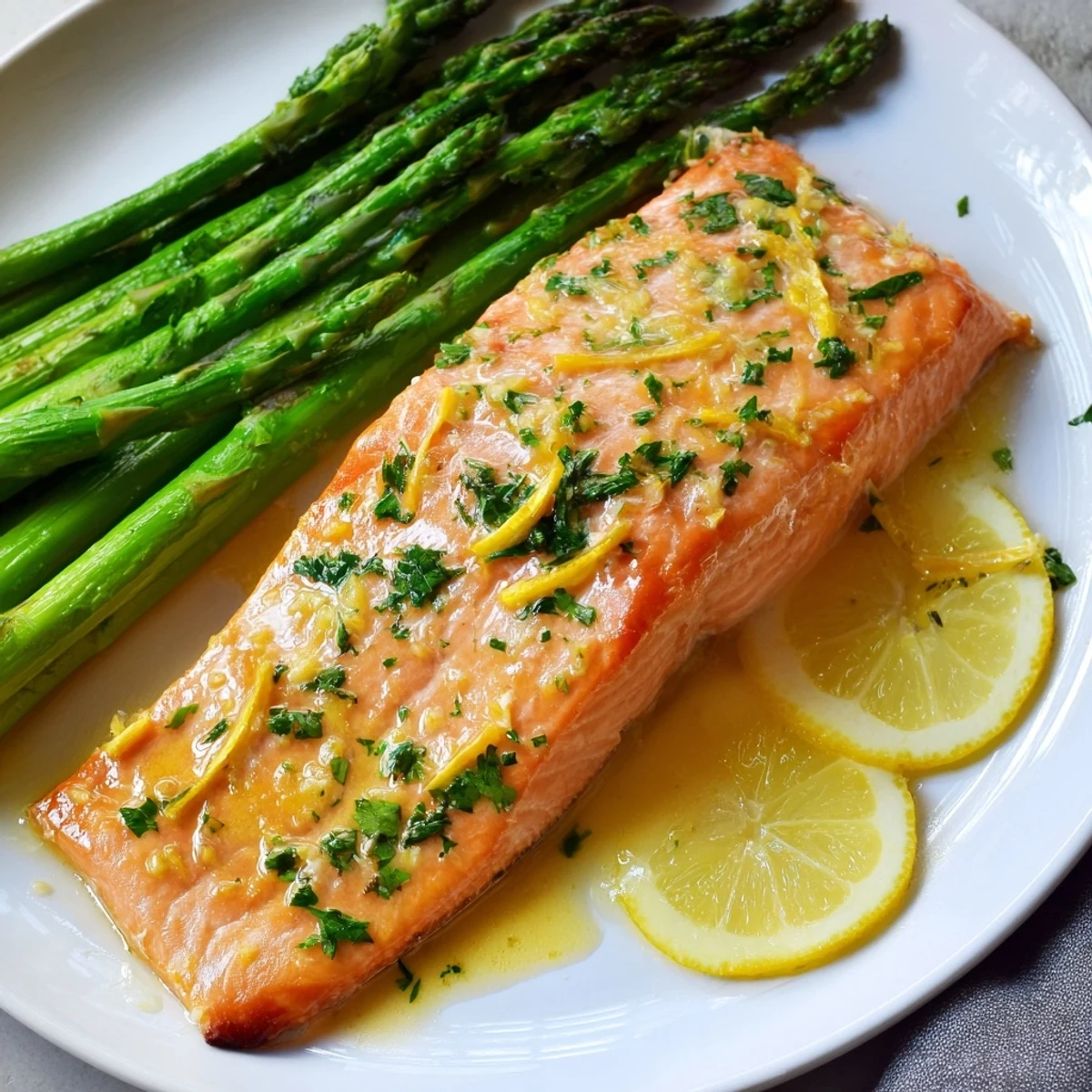
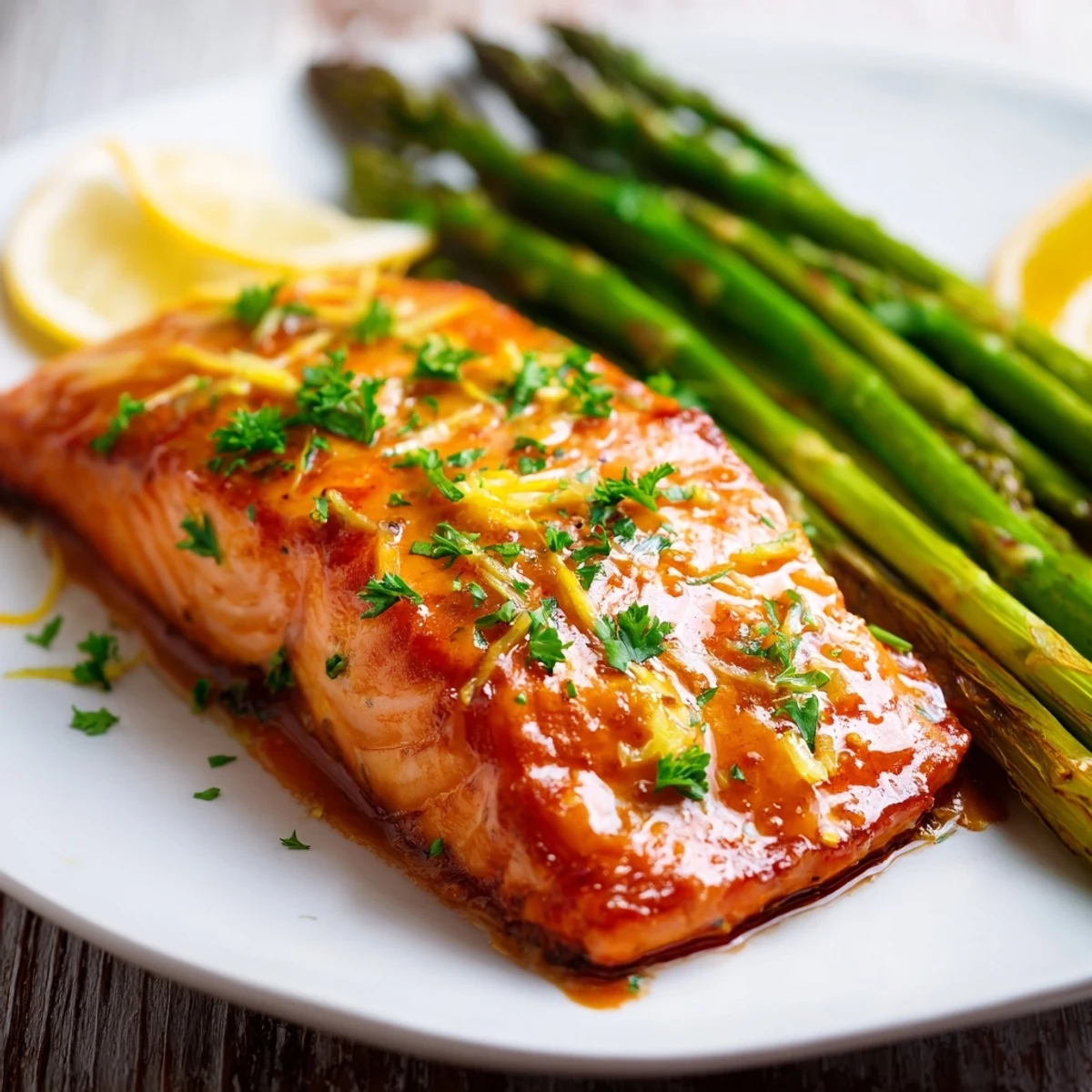
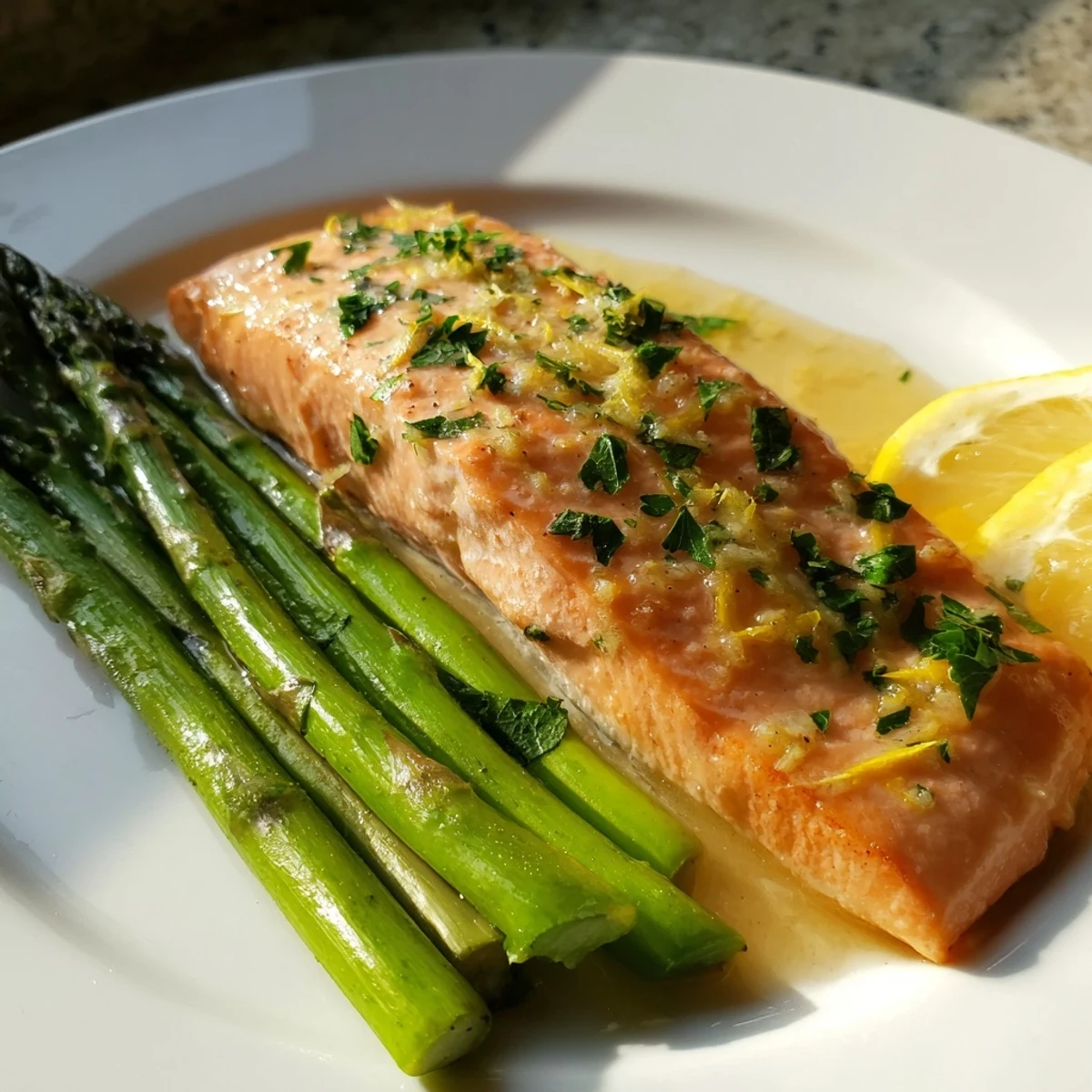
 This dish features tender salmon fillets brushed with a flavorful blend of melted butter, garlic, lemon zest, and herbs. The salmon is baked alongside fresh asparagus, which is drizzled with olive oil and roasted to tender crispness. The combination provides a bright, savory flavor with a balance of citrus and herb notes. Garnished with parsley and lemon wedges, it's a wholesome, quick-cooked meal ideal for a nutritious main course.
There's something magical about the smell of lemon and butter hitting a hot pan, but I discovered the real magic happens when you let salmon cook low and slow in the oven instead. My friend Sarah brought this dish to a dinner party years ago, and I spent the entire evening asking questions about how she got the fish so tender and the asparagus so perfectly charred. Now it's become my go-to when I want to feel like I'm cooking something fancy without the stress of babysitting a stovetop.
I made this for my parents during a particularly stressful week, and my dad actually paused mid-bite to ask for the recipe. That doesn't happen often with him. Watching them both eat quietly, clearly savoring each bite, I realized this wasn't just dinner—it was the kind of meal that makes people slow down and be present.
Ingredients
- Salmon fillets: Four pieces around 150g each work perfectly; skin-on keeps them moist and crispy if you like texture.
- Fresh asparagus: About a pound, trimmed at the woody ends—this vegetable soaks up all those buttery flavors beautifully.
- Unsalted butter and olive oil: Three tablespoons of each creates a rich sauce without drowning everything; the combination keeps things light.
- Garlic and lemon: Three cloves minced fine and one whole lemon zested and juiced—these two are the backbone of the whole dish.
- Fresh thyme and parsley: A teaspoon of each brings brightness; dried thyme works but fresh tastes noticeably better.
- Paprika: Half a teaspoon adds a subtle warmth and color that catches the eye on the plate.
- Salt and pepper: Taste as you go; good seasoning makes the difference between good and memorable.
Instructions
- Set your stage:
- Preheat your oven to 400°F and line a baking sheet with parchment paper. This simple step prevents sticking and makes cleanup almost fun.
- Arrange your players:
- Lay salmon fillets skin-side down in the center of the sheet, then scatter asparagus spears around them in a single layer. They'll cook at the same pace, and you'll get a beautiful presentation without fussing.
- Build the sauce:
- Whisk together melted butter, 2 tablespoons olive oil, minced garlic, lemon zest, lemon juice, thyme, parsley, paprika, salt, and pepper in a small bowl. The whisking takes just a minute but makes sure every drop tastes balanced.
- Coat everything:
- Pour or brush the lemon-garlic butter mixture over the salmon and asparagus, then drizzle the last tablespoon of olive oil specifically over the asparagus for extra crispness. Be generous—the flavors will meld in the oven.
- Bake until perfect:
- Slide into the oven for 15 to 18 minutes, until salmon is opaque and flakes easily and asparagus is tender with a slight bite. You'll know it's done when it smells absolutely incredible.
- Optional golden finish:
- For a touch of color, broil for 2 to 3 minutes at the end, watching carefully so nothing burns. It's optional but worth the two minutes.
- Finish and serve:
- Pull it out, scatter extra parsley on top, add lemon wedges to the plate, and serve immediately while everything is still warm and the aromas are at their peak.
 Save to Pinterest
 I once served this to someone who said they didn't really like salmon, and they went back for seconds while barely talking. Something about the butter and lemon just cuts through any fishiness and reminds you why people love salmon in the first place.
The Secret of Skin-On Salmon
Cooking salmon skin-side down does something special: the skin gets crispy if you broil it, and it holds the fillet together so it doesn't fall apart when you transfer it to the plate. Even if you don't eat the skin, keeping it on is like having an insurance policy for texture.
Asparagus That Actually Tastes Good
Most roasted asparagus I've had is either soggy or somehow still tough, but tucking it around the salmon means it steams gently in the pan juices while the tips get slightly crispy. The trick is trimming off those woody ends about two inches from the bottom—everything below that point is stringy and pointless.
Why This Meal Feels Special
There's a reason restaurants charge a lot for salmon—it looks and tastes impressive, but home cooking it is actually easier than roasting chicken. This dish walks that perfect line between feeling like you put in effort and actually being straightforward to make.
- Serve with roasted potatoes or crusty bread to catch every drop of that lemon-butter sauce.
- Pair with Sauvignon Blanc or Pinot Grigio if you're drinking wine—citrus with citrus is always a win.
- Make extra sauce if you're feeling indulgent; it works spooned over the finished plate.
 Save to Pinterest
 This is the meal I make when I want to feel like things are under control, or when I want someone to know I care without saying it out loud. It works, every time.
Recipe FAQs
- → How do I ensure the salmon stays moist while baking?
-
Coating the salmon with a lemon-garlic butter mixture before baking helps retain moisture and adds rich flavor as it cooks.
- → Can I substitute asparagus with other vegetables?
-
Yes, vegetables like green beans or broccoli can be roasted alongside the salmon for a similar texture and complementary taste.
- → What temperature is best for roasting salmon and asparagus together?
-
Baking at 200°C (400°F) allows even cooking, ensuring the salmon flakes easily while asparagus becomes tender-crisp.
- → How can I add extra flavor to the asparagus?
-
Sprinkling grated Parmesan cheese over asparagus before roasting enhances its savory notes and adds richness.
- → What herbs can replace thyme in this dish?
-
Dill or tarragon are excellent alternatives that bring fresh aromatic flavors compatible with salmon and lemon.