
 Save to Pinterest
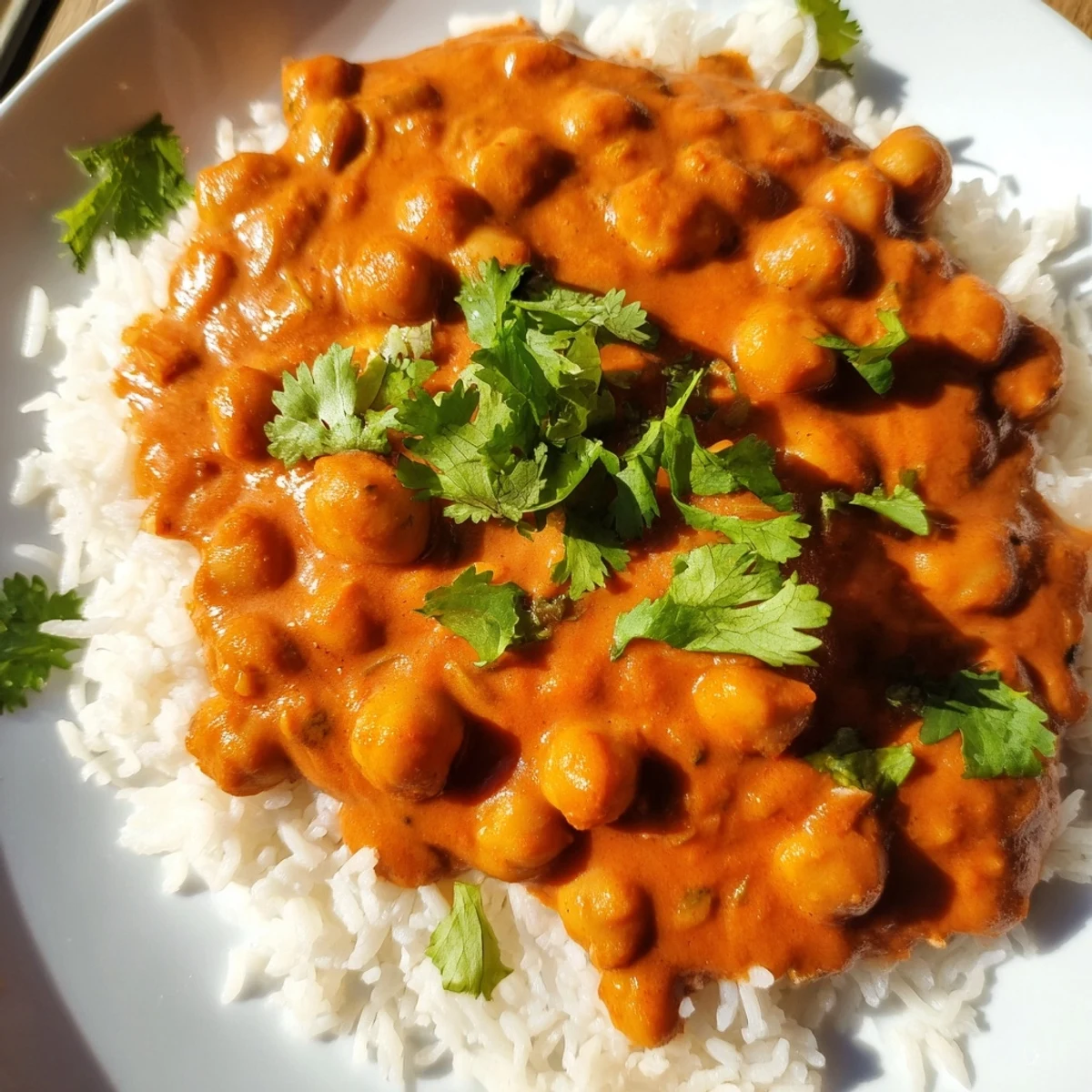
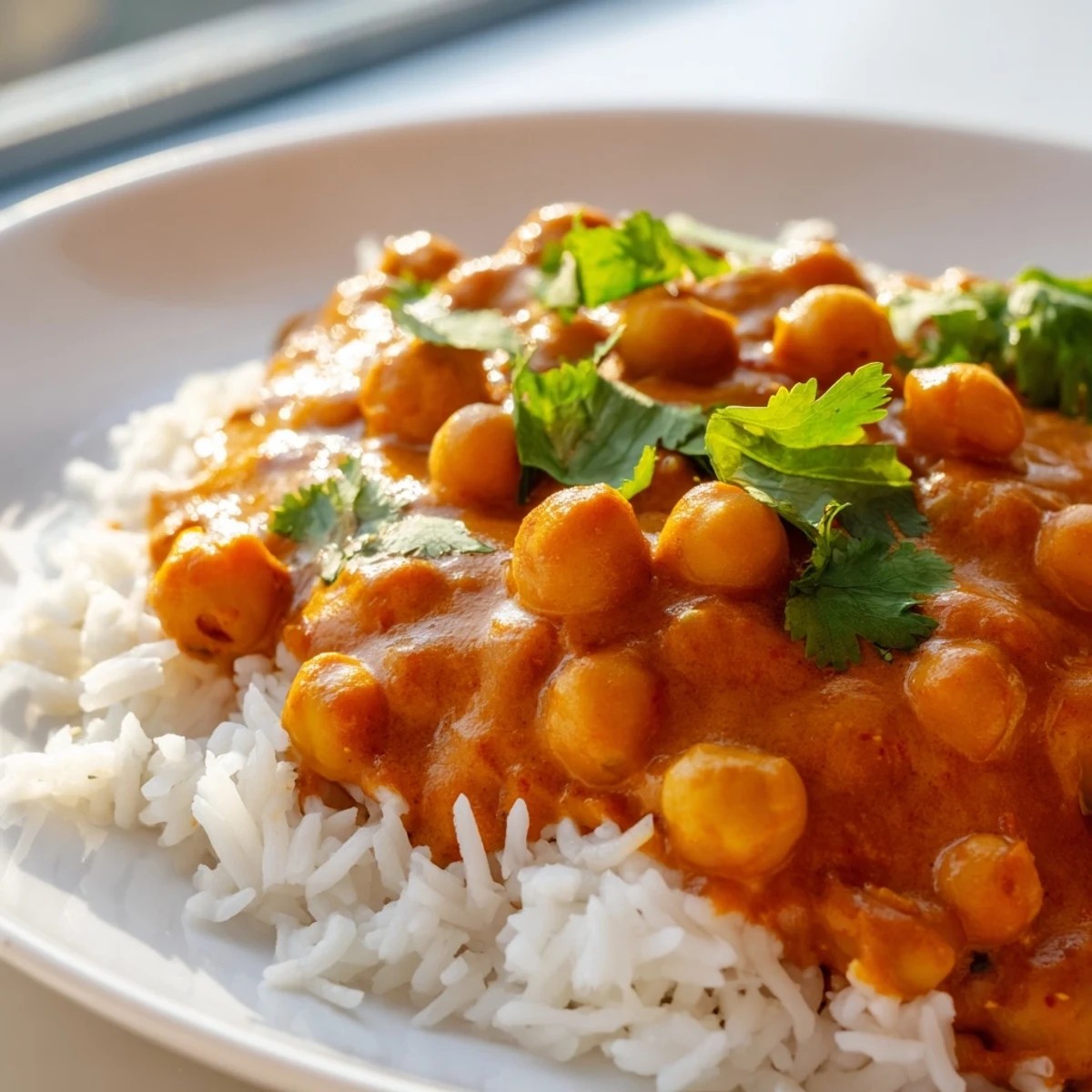
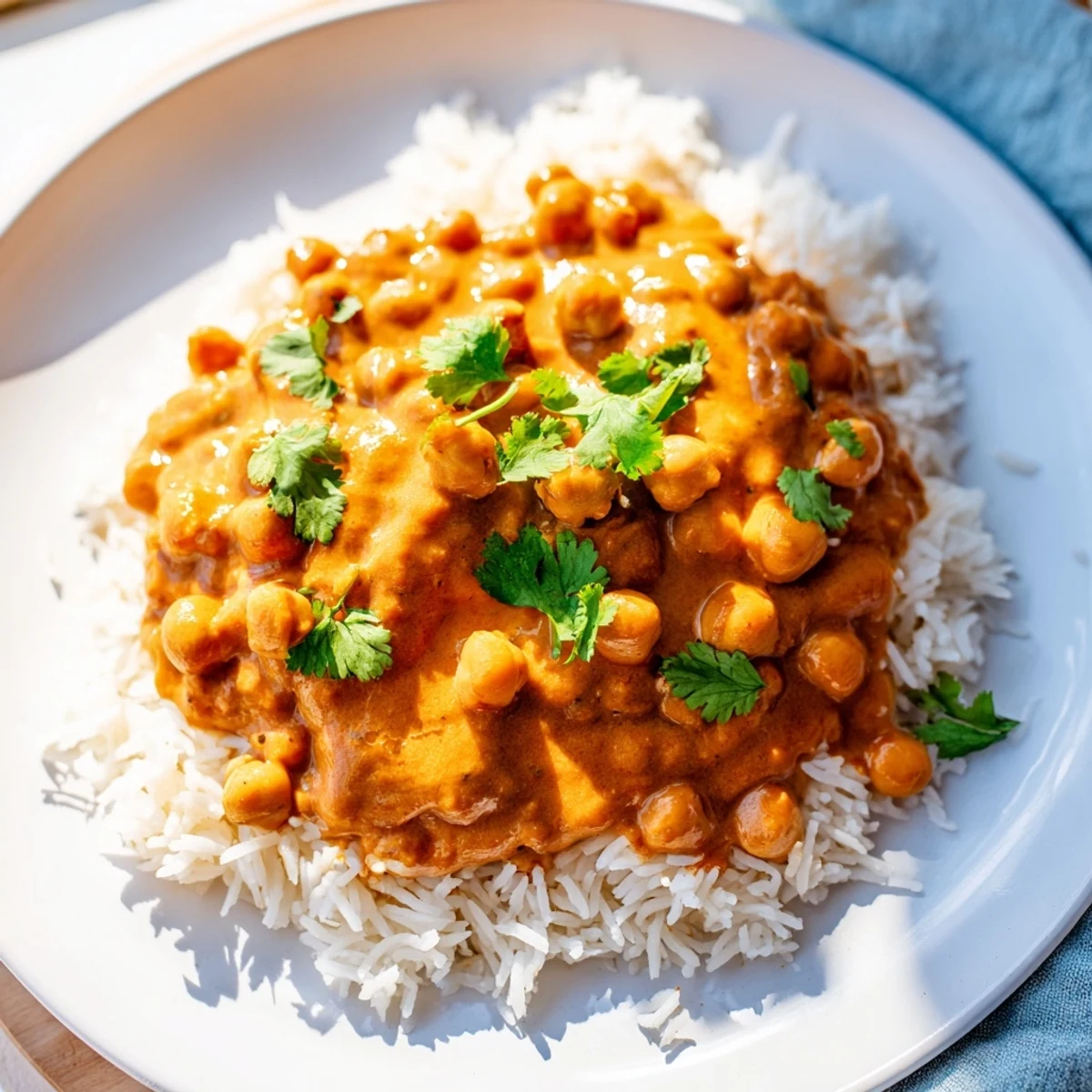
 This dish features tender chickpeas simmered in a fragrant blend of garam masala, turmeric, and creamy coconut milk, creating a rich and aromatic sauce. The curry is paired perfectly with fluffy basmati rice, making each bite a comforting and flavorful experience. Fresh cilantro and a hint of lemon juice add brightness and depth, balancing the spices and creaminess. Whether served for a family meal or casual gathering, this plant-based option offers warmth and satisfying texture in every serving.
The first time I made tikka masala without dairy, I was skeptical—surely coconut milk couldn't replace the cream that usually coats the back of a spoon so luxuriously. But watching the sauce transform from thin tomato liquid into something rich and velvety changed my mind completely. That evening, the kitchen filled with the kind of aroma that makes you forget you're cooking vegan, and my guests certainly forgot too. Now this version is the one I reach for, every single time.
I remember cooking this for a friend who'd just gone vegan and kept apologizing about the dietary restriction, as if it was an inconvenience to me. Watching her face when she tasted the first spoonful—that moment when she realized this wasn't a compromise version but genuinely delicious food—that's when I knew this recipe was a keeper.
Ingredients
- Coconut oil or olive oil (2 tbsp): The fat carries the heat and flavor; coconut oil adds richness, but olive oil works beautifully too.
- Large onion, finely chopped: This is your flavor foundation, so take time to chop it small and cook it until golden.
- Garlic cloves, minced (3): Don't skip the mincing step—chunks of garlic are harsh, but minced garlic melts into the sauce.
- Fresh ginger, grated (1-inch piece): This is where the warmth comes from; grating it gives you more surface area than slicing.
- Green chili, finely chopped (1, optional): Even half a chili adds pleasant heat without overwhelming—start small and taste as you go.
- Garam masala (2 tsp): The soul of this dish; buy it from a market with high turnover so it's aromatic and fresh.
- Ground cumin, coriander, smoked paprika, turmeric, cayenne (1 tsp, 1 tsp, 1/2 tsp, 1/2 tsp, 1/4 tsp): Toasting these together blooms their flavors and prevents the raw, dusty taste.
- Chopped tomatoes, canned (1 can, 400 g): Canned tomatoes are more reliable than fresh here and already perfectly soft.
- Full-fat coconut milk (1 can, 400 ml): This is non-negotiable; lite coconut milk will make the sauce thin and sad.
- Chickpeas, drained and rinsed (2 cans, 400 g each): Rinsing removes the starchy liquid that would cloud your sauce and make it feel grainy.
- Salt and black pepper (1 tsp salt, 1/2 tsp pepper): Season as you taste, not all at once, because layers matter.
- Maple syrup or sugar (2 tsp): This balances the acid from the tomatoes and brings all the spices into harmony.
- Lemon juice (from 1/2 lemon): Added at the end, it brightens everything and prevents the sauce from tasting heavy.
- Fresh cilantro, chopped (2 tbsp plus more for garnish): This herb is fresh counterpoint to all that warmth; don't skip it or save it for the end.
For the Rice
- Basmati rice (1 1/2 cups): Rinsing removes excess starch so each grain stays separate and fluffy, not clumpy.
- Water (3 cups): The ratio is crucial; too much water and your rice becomes porridge.
- Salt (1/2 tsp): A pinch in the cooking water seasons the rice from the inside.
Instructions
- Start your rice:
- Rinse basmati under cold water until the water runs clear, holding it gently in a strainer. This removes the starch that would make it sticky and awkward.
- Build your base:
- Heat the oil in a large skillet over medium heat and add the chopped onion, cooking for 5 to 7 minutes until it's soft and turning golden at the edges. You'll smell when it's ready—that slightly sweet caramelized aroma.
- Add the aromatics:
- Stir in minced garlic, grated ginger, and green chili if you're using it, cooking for a minute or so until the raw garlic smell mellows and everything becomes fragrant. Your kitchen should smell absolutely alive at this point.
- Toast the spices:
- Add all your dry spices—garam masala, cumin, coriander, paprika, turmeric, and cayenne—and stir constantly for just one minute. You want them warm and releasing their oils, not burnt or bitter.
- Cook the tomatoes:
- Pour in the canned tomatoes and let them bubble gently for about 5 minutes, breaking them down as they cook. The sauce will become deeper in color and thicker as the liquid reduces slightly.
- Bring in the coconut milk:
- Pour in the full-fat coconut milk and stir until completely smooth and combined with the tomato base. This is when the sauce transforms into something silky.
- Add the chickpeas:
- Stir in the drained chickpeas along with salt, pepper, and a touch of maple syrup or sugar. Bring everything to a gentle simmer over medium to medium-low heat.
- Let it simmer:
- Cook uncovered for 15 to 20 minutes, stirring occasionally, until the sauce is thick and creamy and the chickpeas have soaked up the flavors. You'll notice the sauce coating the back of a spoon—that's how you know it's ready.
- Finish with brightness:
- Stir in the lemon juice and fresh cilantro, then taste and adjust your seasonings one more time. Trust your palate; it knows what it needs.
 Save to Pinterest
 There's a quiet satisfaction in serving a dish that tastes like it took hours to perfect but came together in less than one. Watching people eat this, knowing it's completely plant-based and gluten-free without any of the usual compromises, feels like sharing a small secret.
Why This Sauce Works Without Dairy
Full-fat coconut milk has the same richness and coating ability as cream, but it brings its own subtle sweetness that actually complements spices beautifully. The tomatoes provide acidity and body, while the chickpeas soak up all the flavors and add protein and substance. Together, they create something that's not trying to imitate cream—it's its own thing, and it's better for it.
The Spice Balance
This recipe gives you a warm, savory curry with gentle heat, but it's completely adjustable to your preference. If you love spice, add the full amount of green chili and cayenne, or even a pinch more. If you're sensitive to heat, use less or skip it entirely; the ginger and garam masala are enough to make this taste authentic and complex without any bite.
Serving and Storing
Serve this hot over fluffy basmati rice, with extra cilantro scattered on top and maybe a squeeze of lime on the side. The leftovers actually taste better the next day after the spices have had time to settle into everything, so don't hesitate to make it ahead.
- Leftovers keep in the fridge for up to 3 days in an airtight container.
- You can freeze the curry (without the rice) for up to a month; thaw overnight and reheat gently on the stovetop with a splash of water if needed.
- Serve with vegan naan or roti, or even alongside a simple cucumber salad for brightness.
 Save to Pinterest
 This recipe proves that vegan cooking doesn't mean simplification—it means opening yourself to different possibilities. Every time I make it, someone asks for the recipe, surprised and delighted that it's vegan.
Recipe FAQs
- → What spices are used to flavor the chickpeas?
-
The chickpeas are seasoned with garam masala, cumin, coriander, smoked paprika, turmeric, cayenne pepper, and black pepper for a complex and aromatic flavor.
- → How is the basmati rice prepared?
-
The basmati rice is rinsed until clear, then simmered gently with water and salt until fluffy and tender, allowing it to absorb all moisture evenly.
- → Can the spice level be adjusted?
-
Yes, you can control the heat by adjusting the amount of green chili and cayenne pepper used in the sauce according to your preference.
- → What oil options work best for this dish?
-
Coconut oil provides a subtle tropical aroma, but olive oil can be used as a milder alternative while sautéing the aromatics.
- → How to add extra texture to the chickpeas?
-
Roasting the chickpeas with spices before simmering them in the curry adds a pleasant crunch and deepens the flavor profile.
- → Any suggestions for serving accompaniments?
-
This dish pairs well with vegan naan or a cooling cucumber raita to complement the warm spices and creamy sauce.